
The difference between rubber, cord, and pistol putter grips lies in a fundamental distinction: rubber and cord are surface materials that determine texture, feel, and weather resistance, while pistol is a physical shape that dictates hand placement and wrist mechanics. Choosing the right putter grip is not a matter of picking one over the others, but rather finding the right combination of material and shape that matches your putting stroke, local playing conditions, and sensory preferences. For instance, a golfer playing in hot, humid tropical climates might pair a moisture-wicking cord material with a pistol shape to maintain wrist stability without slipping.
Understanding Putter Grips: Material vs. Shape
Many golfers walk into a pro shop or browse an online marketplace looking for a new putter grip, only to find themselves confused by the terminology. It is common to hear players debate whether they should buy a rubber grip or a pistol grip, but this is a false comparison. Material and shape are two entirely independent design dimensions that work together to influence your short game.
The material of your grip determines how the club feels in your hands, how much feedback you receive on off-center hits, and how well the grip performs under different weather conditions. Common materials include soft rubber compounds, firm synthetic polymers, and cord-infused rubbers. These materials dictate the level of tackiness, shock absorption, and moisture management you experience during a round.
Products mentioned in this guide
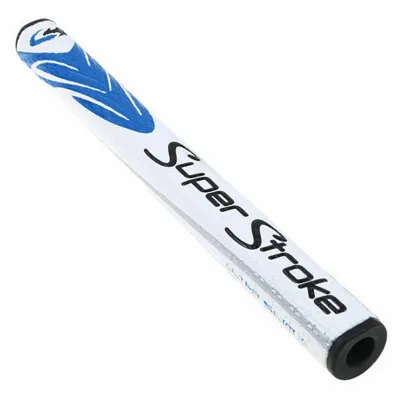
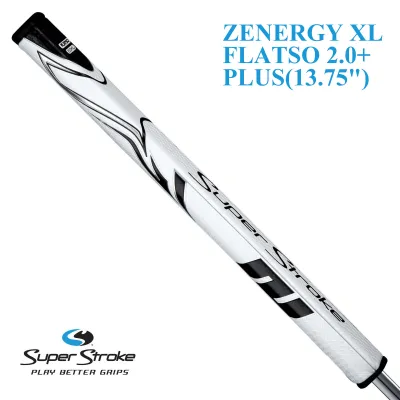

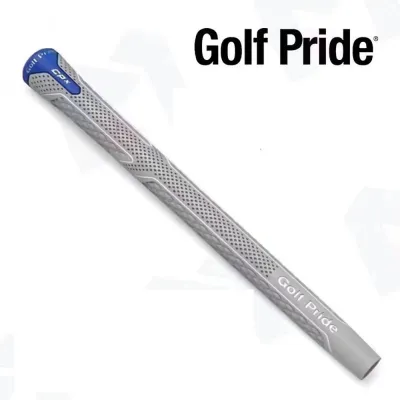
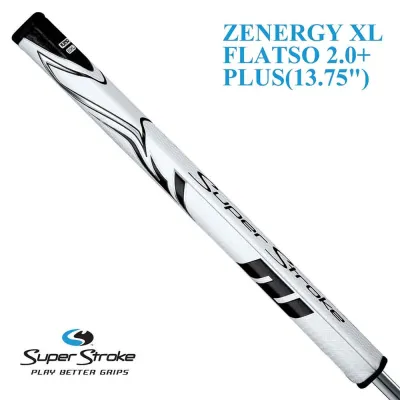
Prices are valid at publication and may change. Please refer to the product page for the latest price.
The shape of the grip, on the other hand, defines the physical contours and geometry of the handle. Standard shapes are typically cylindrical or slightly tapered, while specialized shapes like the pistol grip feature a distinct arch at the top. The shape directly influences how your fingers wrap around the handle, how flat your lead wrist remains during the stroke, and how easily you can square the putter face at impact.
By understanding that every putter grip is a combination of a specific material and a specific shape, you can make a much more informed decision. You do not have to choose between rubber and pistol; instead, you can choose a rubber pistol grip, a cord pistol grip, or a rubber cylindrical grip depending on your exact needs.
Rubber Putter Grips: Tactile Feedback and Distance Control
Rubber putter grips are the traditional standard for a reason, offering a balance of comfort and sensory feedback that many golfers find essential for distance control. These grips are typically made from natural rubber or synthetic rubber compounds, which provide a soft, cushioned feel in the hands. This cushioning helps absorb excess vibrations, allowing you to feel the pure impact of the ball against the putter face.

The tactile profile of a rubber grip is highly responsive, making it easier to gauge the speed of the greens. When you strike a putt, the feedback travels directly through the soft rubber to your hands, helping you immediately identify whether you hit the ball off the sweet spot or near the toe. This instant feedback is crucial for developing a consistent feel for distance, especially on long lag putts.
Surface texture on rubber grips can range from highly tacky and sticky to smooth and velvety. A tacky surface allows you to maintain a secure hold on the club with minimal grip pressure. Keeping your grip pressure light is one of the fundamental keys to a smooth, tension-free putting stroke, as tight hands can lead to jerky movements and inconsistent face angles.
However, rubber grips have distinct limitations when exposed to moisture. In hot, humid conditions—such as a typical afternoon round in the Philippines—or during sudden tropical downpours, sweat and rain can quickly make a smooth rubber grip slippery. If you choose a rubber grip, you must be diligent about wiping it down with a dry towel and keeping your hands dry to prevent the club from twisting during your stroke.
Cord Putter Grips: Moisture Management and Secure Traction
For golfers who struggle with sweaty hands or frequently play in wet, humid environments, cord putter grips offer a practical solution. These grips are constructed by embedding cotton or synthetic fiber threads directly into the rubber compound during the manufacturing process. The result is a highly textured, rough surface that provides reliable traction under any conditions.
The primary advantage of a cord grip is its effective moisture management. The exposed fibers act like tiny wicks, absorbing sweat and rainwater to prevent the club from slipping in your hands. This makes cord grips highly popular in tropical regions where high humidity is a constant factor during a round of golf.
In terms of tactile profile, cord grips feel significantly firmer and rougher than pure rubber options. They offer very little shock absorption, which translates to a highly raw and direct transfer of vibration from the putter head to your hands. Some players prefer this firm feedback because it provides an unfiltered sensation of the strike, while others find it too harsh.
The main trade-off with cord grips is their abrasive texture. If you have sensitive skin or prefer a soft, cushioned feel, the rough cord fibers can cause discomfort or even blisters over extended practice sessions. Additionally, because the texture is so aggressive, players who naturally use a very light grip pressure may find it difficult to maintain their preferred feel without feeling like the grip is biting into their palms.
Pistol Putter Grips: Hand Placement and Wrist Stability
While rubber and cord define what the grip is made of, the pistol shape defines how the grip is contoured. A pistol grip is characterized by a distinct, asymmetrical arch at the top of the handle, which curves downward to mimic the shape of a pistol grip. This design is specifically engineered to fit the natural anatomy of the human hand when gripping a golf club.
The ergonomic design of a pistol grip features a flat front surface and a contoured back. This unique geometry encourages consistent and repeatable hand placement every time you step up to a putt. By cradling the upper palm of your lead hand against the arched top section, the grip helps lock your hands into a natural, comfortable position.
Mechanically, the pistol shape is designed to promote wrist stability. The arched top section helps prevent the lead wrist from breaking down or hinging during the stroke. By keeping the lead wrist flat, the grip encourages a more consistent pendulum motion driven by the shoulders rather than the hands, which is key to maintaining control over the putter face.
The flat front edge of a pistol grip also serves as an alignment aid. When you align your thumbs down the flat top of the grip, it becomes much easier to feel when the putter face is square to your target line. This shape is particularly beneficial for golfers who use a slight arc in their putting stroke, as it allows the hands to rotate naturally while keeping the wrist action to a minimum.
How to Match Your Grip to Your Putting Stroke
Selecting the right putter grip requires combining your understanding of materials and shapes into a single, cohesive decision. To find the right match, you must evaluate your putting mechanics, your local playing environment, and your physical preferences.
Start by matching your stroke type to the grip shape. If you have a straight-back, straight-through putting stroke, you may benefit from a thicker, non-tapered grip shape that minimizes hand activity. If your stroke follows a natural arc, a classic pistol shape is often ideal, as the contoured design allows your hands to work in harmony with the natural rotation of the putter head.
Next, match the material to your local climate and perspiration levels. If you play primarily in dry, cool conditions and prefer a soft, sensitive feel, a tacky rubber grip will provide the distance control and comfort you need. If you play in hot, humid climates where hand sweat is a constant battle, a cord grip is a highly practical choice to ensure your hands do not slip at the critical moment of impact.
Before purchasing, it is highly recommended to perform a physical verification check at a local pro shop. Hold different grips to evaluate their thickness, tackiness, and overall comfort. Pay close attention to how the grip thickness affects your hand tension; a grip that is too small can cause your fingers to squeeze too tightly, while a grip that is too large can reduce your ability to feel the weight of the putter head.
You must also consider how a new grip will affect the overall balance of your putter. Installing a significantly heavier grip will decrease the swing weight of the club, making the putter head feel lighter during your stroke. Conversely, a lighter grip will make the head feel heavier. If you are unsure how a change in grip weight or thickness will affect your stroke, consulting a professional club fitter can help ensure your putter remains properly balanced.
Ultimately, the most suitable putter grip is the one that allows you to make a confident, tension-free stroke. Whether you choose a soft rubber pistol grip for maximum feel or a firm cord standard grip for reliable traction in the heat, taking the time to match the material and shape to your personal needs will pay dividends on the green.
Frequently Asked Questions (FAQ)
How often should you replace a putter grip? (FAQ)
Rather than relying on a strict calendar schedule, you should inspect your putter grip regularly for physical signs of wear. Over time, exposure to hand oils, dirt, and UV rays will cause rubber to harden, lose its tackiness, or develop a shiny, slick appearance. For cord grips, look for fraying fibers or areas where the texture has worn smooth. If you notice any of these changes, or if you find yourself squeezing the club harder to maintain a secure hold, it is time to replace the grip to restore consistent performance.
Do putter grips affect the swing weight of the club? (FAQ)
Yes, the weight of your putter grip directly influences the balance and swing weight of the entire club. Installing a heavier grip adds weight to the butt end of the shaft, which counterbalances the club and makes the putter head feel lighter. A lighter grip has the opposite effect, making the head feel heavier. When selecting a new grip, always verify the weight specifications of both your current grip and the replacement option to avoid making unintended changes to the feel of your putter.
Community discussion
Share your experience or ask a question. Comments are reviewed before publication.