
Choosing between rubber and iron 15lb barbell plates comes down to where you train, how you lift, and how much noise your environment allows. While both options add exactly 15 pounds of resistance to your barbell, their physical dimensions, impact absorption, and long-term durability differ significantly. Rubber plates, particularly solid rubber bumper plates, are designed to absorb impact and protect floors during dynamic lifts, making them ideal for home gyms and noise-sensitive spaces. Cast iron plates, on the other hand, offer a much thinner profile that maximizes barbell sleeve space, providing a traditional, tactile lifting experience preferred by powerlifters and budget-conscious trainers.
Understanding these material differences prevents equipment damage and ensures your training setup aligns with your fitness goals. Whether you are setting up a garage gym in a humid climate or equipping a dedicated lifting platform, selecting the right plate type requires evaluating physical profiles, environmental constraints, and exercise mechanics.
Material Construction and Physical Profile
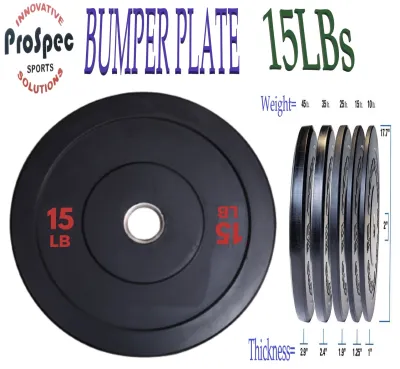
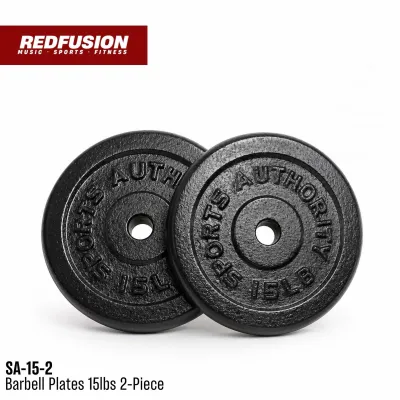
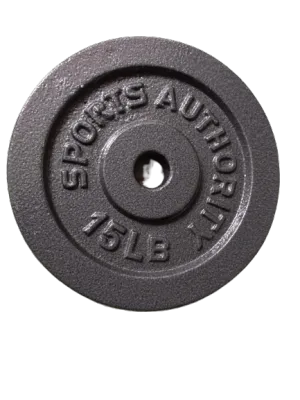
The fundamental difference between rubber and iron plates lies in material density, which directly dictates the physical size and thickness of each plate. Cast iron is highly dense, allowing manufacturers to produce thin plates that occupy minimal space on a barbell sleeve. A typical 15lb cast iron plate is relatively thin, meaning you can stack numerous plates on a single barbell sleeve to reach heavy loads. This thin profile is highly advantageous for strength athletes who require maximum loading capacity on standard barbells.
Products mentioned in this guide
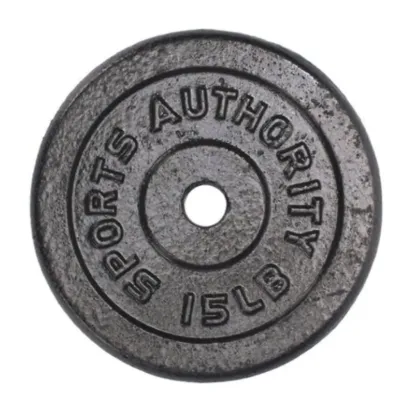
Prices are valid at publication and may change. Please refer to the product page for the latest price.
In contrast, rubber plates—including solid rubber bumper plates and rubber-coated iron plates—have a much lower density. To achieve a weight of 15 pounds, a solid rubber bumper plate must be significantly thicker than its iron counterpart. This added thickness consumes barbell sleeve space quickly, which can limit the total weight you can load on the bar during heavy training sessions.
Diameter is another critical physical dimension that varies by material. Standard Olympic weightlifting plates have a uniform outer diameter of 450 millimeters. Solid rubber 15lb bumper plates are typically manufactured to this standard 450mm diameter, allowing the barbell to sit at the correct anatomical height for floor-based lifts like deadlifts and cleans. Conversely, standard 15lb cast iron plates are almost always smaller in diameter than the 450mm standard. If you load a barbell solely with smaller-diameter iron plates, the bar will sit much closer to the floor, forcing you to pull from a deeper deficit that can compromise your lifting posture.
Handling and grip designs also differ between the two materials. Many modern cast iron plates feature integrated handle cutouts, often referred to as double-grip or triple-grip designs. These cutouts make it easy to carry, load, and unload the plates with one hand. Solid rubber bumper plates generally feature flat, solid faces without handle cutouts, requiring a secure pinch grip along the outer rim to lift them off the floor or slide them onto a barbell sleeve.
Training Environment and Noise Control
Your training environment is a primary deciding factor when choosing between rubber and iron plates. The acoustic properties of these materials differ dramatically. When cast iron plates collide during a lift or are set down on the floor, they produce a loud, high-frequency metallic clank. In a commercial gym, this sound is common, but in a residential garage, spare bedroom, or apartment, the noise can easily disturb family members and neighbors.

Rubber plates act as natural sound dampeners. When a rubber-coated or solid rubber bumper plate contacts another plate or the floor, the material absorbs a significant portion of the acoustic energy, converting the sharp metallic ring into a dull, low-frequency thud. This noise reduction is essential for early morning or late-night training sessions in shared living spaces.
Beyond noise, vibration transfer is a key consideration for structural safety. Dropping bare iron plates transfers high-impact kinetic energy directly into the subfloor, which can crack concrete, shatter ceramic tiles, or splinter hardwood over time. Rubber plates absorb and distribute this impact energy across a wider surface area, reducing the risk of structural damage.
However, even with rubber plates, dropping heavy weights directly onto unprotected residential floors is not recommended. Dedicated gym flooring, such as high-density rubber mats or a multi-layered lifting platform, should always be used to safeguard your home’s foundation. If you train in an upstairs apartment or a shared residential space, rubber plates paired with thick floor mats are practically mandatory to maintain peace with those living below you.
Exercise Suitability and Handling
The exercises you perform dictate which plate material is safest and most effective for your routine. Olympic weightlifting movements, such as the clean and jerk and the snatch, require dropping the loaded barbell from overhead or shoulder height upon completing a lift. For these movements, solid rubber bumper plates are non-negotiable. Dropping cast iron plates from these heights will damage the plates, bend the barbell sleeves, and destroy the lifting platform.
For traditional powerlifting and bodybuilding movements like bench presses, squats, and overhead presses, cast iron plates are highly suitable. Because these exercises involve controlled movements where the barbell is never dropped, the impact-absorbing qualities of rubber are less critical. The thin profile of iron plates also keeps the center of mass closer to the middle of the barbell, which can improve stability and reduce bar whip during heavy squats.
When performing floor-based pulling movements like deadlifts or barbell rows, the starting height of the bar is crucial. Using a 15lb rubber bumper plate with a standard 450mm diameter ensures the bar starts at the correct height, allowing you to practice proper pulling mechanics. If you use a smaller-diameter 15lb iron plate, you must either pull from a deficit or elevate the plates on blocks to achieve the standard starting height.
Handling characteristics also change when your hands are sweaty or covered in lifting chalk. The textured powder coating on many cast iron plates provides a reliable grip even under humid conditions. Smooth rubber plates can become slippery when exposed to sweat, requiring extra care during loading and unloading. Additionally, round plates of both materials will roll on uneven floors, but some rubber-coated plates are designed with polygonal edges to prevent the barbell from rolling away between sets.
Durability, Maintenance, and Odor
Long-term durability and maintenance requirements vary based on the environmental conditions of your gym. In warm, humid tropical climates, moisture in the air accelerates the oxidation of raw metal. Bare cast iron plates are highly susceptible to rust when exposed to humidity and sweat. To prevent corrosion, iron plates require regular maintenance, including wiping them down after workouts, cleaning off chalk residue with a stiff brush, and occasionally applying a light coat of rust-inhibiting oil.
Rubber plates do not rust, making them highly resilient against sweat and ambient moisture. However, rubber is vulnerable to other environmental factors, particularly ultraviolet (UV) radiation and extreme temperature fluctuations. If you set up your gym in an open-air garage or outdoor area where the plates are exposed to direct sunlight, the rubber can degrade over time, leading to cracking, hardening, and crumbling. Keeping rubber plates stored in a shaded, dry area preserves their elasticity and structural integrity.
Another factor unique to rubber is odor. New rubber plates, especially those made from recycled rubber compounds, often emit a strong chemical or sulfur-like smell when first unpacked. This off-gassing can be overwhelming in small, unventilated rooms. To manage this, you can wash the plates with a mild mixture of dish soap and warm water, then allow them to air out in a shaded, well-ventilated outdoor space for several days before bringing them indoors. Cast iron plates do not experience off-gassing, though some painted or enamel-coated iron plates may have a mild paint odor that dissipates quickly.
Budget and Value Assessment
Financial investment is a major consideration when building a home gym, and the cost difference between these two materials is substantial. Cast iron plates are generally the most budget-friendly option. The manufacturing process for casting iron is straightforward and highly efficient, resulting in a lower cost per pound. If your primary goal is to acquire as much weight as possible for a limited budget, cast iron is the most economical choice.
Rubber-coated and solid rubber bumper plates carry a price premium. The cost of raw rubber, combined with the complex molding and vulcanization processes required to bond rubber to steel inner rings, increases production costs. When comparing options, it is helpful to calculate the effective cost per pound in ₱ by dividing the total price of a pair or set by its total weight. Purchasing plates in bundled sets rather than individual pairs often yields a lower unit cost and can help offset the premium price of rubber.
Shipping and logistics also impact the final cost. Because weight plates are heavy and bulky, online purchases often incur significant shipping surcharges. When buying online, look for sellers that offer flat-rate shipping or promotional delivery discounts. Alternatively, purchasing from local fitness distributors or physical retail stores allows you to transport the plates yourself, eliminating shipping fees entirely and allowing you to inspect the physical quality of the plates before finalizing your purchase.
Final Decision Framework
To make a confident purchase, evaluate your training space, exercise selection, and budget against these specific conditions.
Choose rubber if:
- You train in an apartment, shared residential space, or noise-sensitive home environment where quiet workouts are necessary.
- Your training routine includes Olympic lifts, CrossFit-style workouts, or any movements where the barbell is dropped from waist height or higher.
- You are training on floors that are susceptible to scratching, chipping, or cracking, such as tiled or wooden surfaces.
- You want a 15lb plate that matches the standard 450mm Olympic diameter to maintain a consistent barbell height during deadlifts.
Choose iron if:
- You are working with a limited budget and want to maximize the amount of weight you can purchase per ₱.
- You primarily perform traditional powerlifting or bodybuilding lifts where the barbell is controlled throughout the entire movement and never dropped.
- Your barbell has short sleeves, and you need thin plates to maximize the total loading capacity of the bar.
- You prefer a traditional, textured grip with integrated handles for easy carrying and loading.
Before finalizing your purchase, verify that the plate’s center hole diameter matches your barbell’s sleeve diameter. Standard Olympic barbells require plates with a 2-inch (50mm) center hole, while standard home gym barbells require a 1-inch (25mm) center hole. Additionally, check the seller’s return policy and warranty terms, particularly for 15lb rubber bumper plates, as thin bumper plates can bend if dropped repeatedly without larger supporting plates loaded alongside them.
Frequently Asked Questions (FAQ)
Can you mix rubber and iron plates on the same barbell?
Mixing rubber and iron plates on the same barbell is possible, but it requires careful consideration of plate diameters and loading order. If you mix a full-diameter 15lb rubber bumper plate with a smaller-diameter iron plate, the rubber plate will extend further down and absorb 100% of the impact when the barbell is set down. Because a thin 15lb bumper plate is not designed to support the weight of the entire loaded bar on its own, this uneven loading can cause the rubber plate to bend, warp, or crack. If you must mix materials, ensure that the plates touching the floor have matching outer diameters to distribute the load evenly, and always use secure collars to prevent the plates from shifting during the lift.
Do rubber plates weigh less than iron plates of the same size?
No, a 15lb rubber plate and a 15lb iron plate weigh exactly the same. The difference lies entirely in their volume and density. Because rubber is less dense than iron, a rubber plate requires more physical material to reach the 15-pound mark, making it significantly thicker or wider than an iron plate of the same weight. When purchasing plates, always check the manufacturer’s specified weight tolerance. High-quality plates typically feature a weight tolerance of plus or minus 1% to 2%, ensuring that regardless of the material used, the actual weight on your barbell remains accurate to the printed specification.
Community discussion
Share your experience or ask a question. Comments are reviewed before publication.