
Finding the perfect floor surface is a critical first step in building a safe, comfortable, and effective workout space. In the humid, tropical climate of the Philippines, where sweat accumulation and ambient moisture are constant variables, choosing the wrong material can turn your exercise routine into a slippery, frustrating, or even hazardous experience. Selecting a high-quality rubber mat for gym setups or home training spaces directly impacts your balance, joint safety, and the lifespan of your floor. However, with so many options available online and in local sporting goods stores, finding the right material requires understanding your specific training needs. There is no single “best” gym mat material; instead, the right choice depends entirely on your primary workout style, your budget, and where you train.
To help you decide quickly, here is the baseline: rubber is the gold standard for heavy lifting, high-impact training, and long-term durability; TPE (Thermoplastic Elastomer) offers a lightweight, eco-friendlier, and well-cushioned middle ground for yoga, Pilates, and bodyweight floor exercises; PVC (Polyvinyl Chloride) serves as the most budget-friendly entry point for light cardio and basic stretching. Understanding these distinctions allows you to match your physical needs with the correct physical properties. This guide breaks down the grip, cushioning, and durability of each material so you can verify manufacturer specifications and find the exact mat to support your fitness journey.
Material Breakdown: Rubber, TPE, and PVC Explained
Before investing in a gym mat, it is essential to look past marketing buzzwords and understand what these materials are made of. A mat’s real-world performance depends heavily on its manufacturing density, thickness, and surface treatment. A cheap rubber mat may perform completely differently from a high-density vulcanized rubber tile, just as a low-grade PVC mat will wear out much faster than a high-density, closed-cell PVC mat used in professional studios. Always check the product label or manufacturer specifications for exact density measurements (often indicated by weight or Shore hardness ratings), thickness in millimeters, and raw material composition before making a purchase.
Products mentioned in this guide
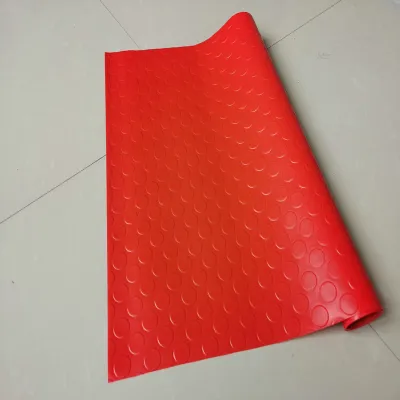
Prices are valid at publication and may change. Please refer to the product page for the latest price.
Rubber Mat for Gym: Structural Properties
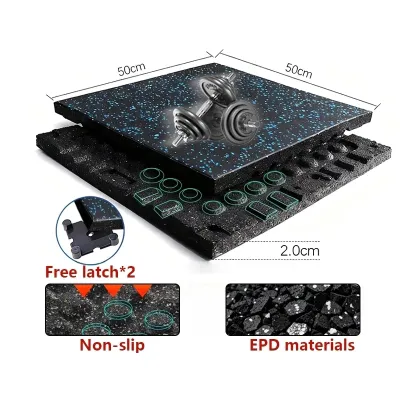
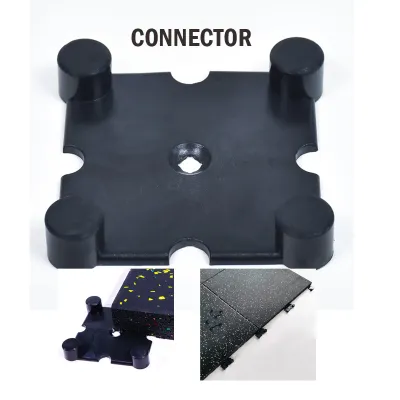
Rubber is a naturally dense, heavy, and highly resilient material sourced from either natural tree latex or synthetic polymers (such as SBR or EPDM). Because of its high mass and structural integrity, rubber is the standard material used in commercial fitness centers and heavy-duty home gyms. It is designed to absorb massive impact forces, deaden sound—a crucial feature if you live in a multi-story condominium in Metro Manila—and protect the underlying subfloor from dropped weights. When shopping, verify whether the rubber is vulcanized (heat-treated for maximum water resistance and tensile strength) or polyurethane-bonded. You should also check the manufacturer’s load-bearing and impact ratings to ensure the mat can withstand the specific poundage of your dumbbells or barbells.
TPE (Thermoplastic Elastomer) Mats
TPE is a synthetic material blend that combines the flexible properties of plastic with the elastic performance of rubber. It is typically manufactured using a closed-cell process, meaning the microscopic air pockets inside the material are sealed off from one another. This structural design prevents sweat, moisture, and bacteria from penetrating the mat’s core, making it exceptionally hygienic and easy to clean. TPE mats are significantly lighter than rubber, making them highly portable for commuters taking public transit or heading to a local studio. When evaluating TPE, look closely at the packaging for dual-layer construction details and textured backing patterns, which help prevent the lightweight mat from shifting on slick tile or polished wood floors.
PVC (Polyvinyl Chloride) Mats
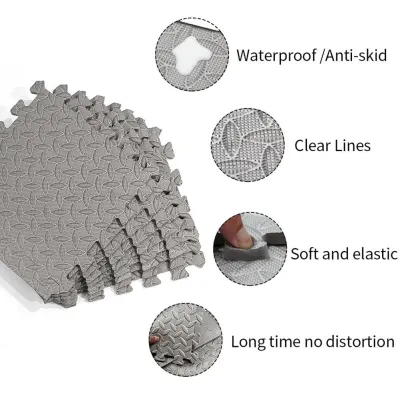
PVC is a highly versatile, synthetic plastic polymer that has served as the traditional foundation for exercise mats for decades. Its primary advantages are its low production cost, lightweight nature, and high flexibility, allowing it to roll up tightly for storage. Because PVC does not possess natural surface tackiness like rubber, manufacturers typically emboss the surface with textured patterns—such as waffle, pebble, or dot matrices—to provide mechanical grip. If you are training indoors, especially in air-conditioned or enclosed home spaces, check the product label for phthalate-free, non-toxic, or OEKO-TEX certifications to ensure the mat meets modern indoor chemical safety standards.
Head-to-Head Comparison: Grip, Cushioning, and Durability
To choose the right surface, you must compare how these materials perform across the three pillars of gym mat utility: grip, cushioning, and durability. The table below outlines the typical performance profiles of each material under normal training conditions.

| Material | Dry Grip | Wet Grip | Cushioning & Support | Durability & Lifespan | Weight & Portability | Typical Price Band (PHP) |
|---|---|---|---|---|---|---|
| Rubber | Excellent | Good (Textured) | Firm & Highly Stable | Extremely High | Very Heavy (Low Portability) | ₱2,500 – ₱6,000+ |
| TPE | Very Good | Moderate (Slippery when wet) | Soft to Medium (Springy) | Medium (Heat Sensitive) | Very Light (High Portability) | ₱1,000 – ₱2,500 |
| PVC | Moderate | Poor (Slippery when wet) | Soft to Firm (Varies) | High (Resists tearing) | Light (Medium Portability) | ₱300 – ₱1,200 |
Note: The price bands represented above are general market estimates in Philippine Pesos (₱) as of 2026. Actual retail prices vary based on brand, thickness, and dimensions. Always verify specific slip-resistance testing standards (such as ASTM coefficients of friction) and impact-absorption ratings directly with the manufacturer.
Grip and Traction
Traction is your first line of defense against exercise-related slips and falls. Rubber excels in this category because of its natural material tackiness, which creates high friction against both bare skin and athletic footwear. This dry grip remains highly reliable even during dynamic movements. TPE offers excellent dry grip for barefoot exercises, but because of its closed-cell structure, sweat can pool on the surface, reducing traction unless you use a microfiber towel. PVC relies entirely on its embossed surface texture; when dry, it provides a stable grip, but once saturated with sweat in a humid environment, it can become highly slippery. Always check product specifications or user reviews to verify how a mat performs under wet conditions if you tend to sweat heavily.
Cushioning and Joint Support
There is a critical difference between “softness” and “stability” when evaluating joint support. Soft, highly compressible mats provide excellent comfort for kneeling, lying down, or performing gentle stretches. However, they are highly unstable for standing exercises. If you perform heavy barbell squats or deadlifts, a highly compressible TPE or PVC mat will bottom out under the load, causing your ankles to roll and destabilizing your spine. For heavy lifting, you require a dense, firm rubber mat that distributes weight evenly without compressing. For yoga and floor work, a 6mm to 8mm TPE mat provides the ideal springy rebound to protect your knees and elbows from hard concrete or tile floors.
Durability and Wear Resistance
A gym mat’s lifespan is determined by how well it resists physical tearing, heavy equipment indentation, and environmental degradation. Rubber is virtually indestructible under normal training conditions, resisting deep gouges from shoe treads and weight plates, though it can degrade if exposed to harsh petroleum-based cleaners. TPE is moderately durable but is highly sensitive to extreme heat; leaving a TPE mat inside a parked car in the Philippine sun can cause the material to warp, melt, or lose its structural elasticity. PVC is incredibly resilient against physical tearing and moisture, but low-quality PVC formulations are prone to flaking, cracking, and shedding tiny plastic particles over years of repeated friction.
Match the Mat to Your Specific Workout Routine
Selecting the perfect mat requires matching its physical properties to the specific physical demands of your daily exercise routine. Use the conditional guidelines below to identify which material aligns with your training style.
Heavy Lifting and High-Intensity Training
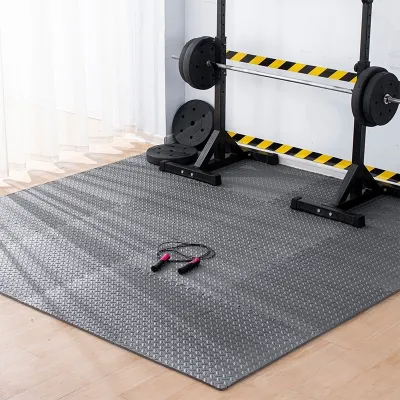
Choose a rubber mat if your workout routine centers on heavy strength training, powerlifting, kettlebell circuits, or high-intensity interval training (HIIT) with athletic shoes. The density of rubber ensures that when you drop a heavy kettlebell or perform explosive box jumps, the mat will absorb the impact without shifting, tearing, or bottoming out. Thin TPE or PVC mats are entirely unsuitable for this environment; they will quickly tear under the friction of shoe treads and fail to protect your subfloor from structural damage. Before buying, verify that the rubber mat’s thickness is at least 8mm to 10mm for light weights, or 15mm to 20mm if you plan to drop heavy barbells directly onto the surface.
Yoga, Pilates, and Barefoot Floor Work
Choose a TPE mat if your primary fitness activities consist of Vinyasa flow, Pilates, core conditioning, or barefoot mobility work. TPE’s lightweight nature is a major benefit if you regularly transport your mat to outdoor parks, community centers, or commercial yoga studios. It provides a comfortable, hygienic, and slip-resistant surface that cushions your spine and joints during static poses. If you are on a tight budget, a high-density PVC mat can serve as a viable alternative, provided you verify its grip level and use a yoga towel to manage sweat. Always check if the mat includes a carrying strap or bag to make transport convenient.
Light Cardio and General Fitness
Choose a PVC mat if your routine consists of basic bodyweight exercises, light dumbbell work, stretching, or low-impact home aerobics. For these general fitness activities, a budget-friendly PVC mat offers adequate joint protection and floor coverage without requiring a massive financial investment. It is easy to roll up and store in a small closet or under a bed. However, verify first if you plan to transition to heavier lifting or high-sweat workouts in the future; if so, investing in a more durable rubber or high-traction TPE mat from the start will save you money and prevent early replacement costs.
Maintenance, Cleaning, and Safety Boundaries
To maximize the lifespan of your gym mat and protect your skin from bacteria, proper care is essential. Regardless of the material, always read the manufacturer’s care instructions first, as some proprietary blends have specific chemical sensitivities. If the manufacturer’s instructions conflict with general tips, or if your mat’s material composition is unidentified, contact the manufacturer or a qualified fitness equipment professional before applying any cleaning solution.
For routine maintenance, wipe your mat down after every workout using a soft cloth dampened with a solution of warm water and a few drops of mild, pH-neutral dish soap. Avoid harsh chemical cleaners, bleach, or alcohol-based sprays, which can dry out rubber, dissolve the adhesive layers of TPE, and accelerate the flaking of PVC.
Each material also requires specific environmental care:
- Rubber: Rubber mats often emit a strong, sulfur-like odor when new. To manage this, wipe the mat down and leave it unrolled in a shaded, well-ventilated outdoor area for several days. Never use petroleum-based solvents to clean rubber, as they will dissolve the material.
- TPE: Keep TPE mats away from direct sunlight, hot balconies, and the trunk of your car. High heat and UV rays break down the polymer chains, leading to warping, cracking, and loss of grip.
- PVC: PVC can be deep-cleaned more aggressively than TPE, but you must inspect it regularly for surface flaking. If you notice tiny plastic flakes shedding from the mat, it is time to replace it.
Establish strict safety boundaries for your workout space. Stop using any gym mat immediately if you observe deep tears, permanent compression divots that fail to rebound, or a complete loss of surface traction. Using a degraded mat increases your risk of slipping during dynamic movements or rolling your ankles during standing exercises. Remember that a gym mat is designed to provide traction and minor joint cushioning; it cannot replace proper athletic training, lifting technique, or structural floor reinforcement for heavy weightlifting.
Frequently Asked Questions (FAQ)
How do I stop a new rubber gym mat from smelling?
New natural or synthetic rubber mats naturally release volatile organic compounds (VOCs) that cause a distinct, strong odor. To accelerate the off-gassing process, unroll the mat completely and place it in a well-ventilated, shaded outdoor area—such as a covered patio or balcony—for three to five days. Avoid exposing it to direct sunlight, which can dry out and crack the rubber. You can also wipe the surface down with a mixture of warm water, mild dish soap, and a splash of white vinegar to help neutralize the surface oils, but never use harsh chemical deodorizers or solvents that could degrade the structural integrity of the rubber.
Is TPE better than PVC for hot yoga or heavy sweating?
TPE is generally preferred over PVC for hot yoga because it is non-toxic, hypoallergenic, and PVC-free, which is highly beneficial when your face is in close contact with the mat. However, because both standard TPE and PVC feature non-porous surfaces, neither material can absorb large volumes of moisture. When saturated with heavy sweat in a humid environment, both will become slippery. If you engage in high-sweat workouts or hot yoga, verify if the mat features a specialized open-cell polyurethane top layer designed to wick moisture, or simply place a high-traction microfiber yoga towel over your mat to ensure a safe, slip-free practice.
Community discussion
Share your experience or ask a question. Comments are reviewed before publication.