
To successfully target matang baka with a sabiki rig, you must select a rig featuring larger hook gapes, durable branch lines, and high-visibility or glowing skirts that can withstand bottom-dwelling action. While standard off-the-shelf sabiki rigs target small mid-water baitfish, matang baka require a modified approach that prioritizes hook strength and realistic movement near the seafloor. By matching your rig specifications to the predatory habits of this species, you can significantly increase your catch rate during your next coastal fishing trip.
Understanding Matang Baka Behavior to Guide Rig Selection
Matang baka, known for their distinctively large eyes and wide jaws, often feed closer to the bottom or around deep structures rather than strictly in the upper water column. Unlike smaller baitfish that filter-feed on microscopic plankton, these fish act as active predators, targeting small shrimp, tiny crabs, and juvenile fish. This predatory behavior means they are highly attracted to sudden movements, vibrations, and flashes near the seabed.
To trigger consistent strikes, your fishing strategy must shift from using delicate, multi-hook bait rigs to employing robust flasher rigs that mimic active prey. Standard sabiki setups often feature tiny hooks and thin lines designed to flutter gently in mid-water currents. For matang baka, the rig must be tough enough to handle aggressive strikes and heavy enough to be worked actively near sandy or rocky substrates.
Products mentioned in this guide
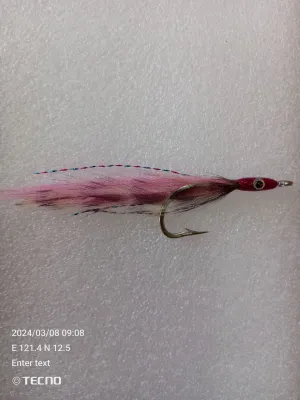
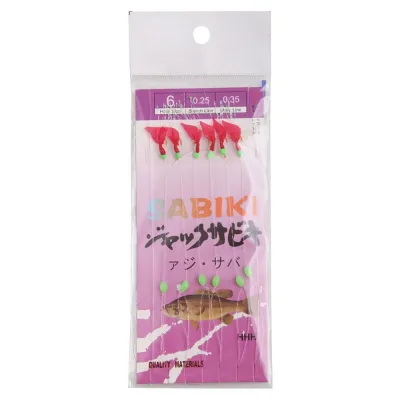
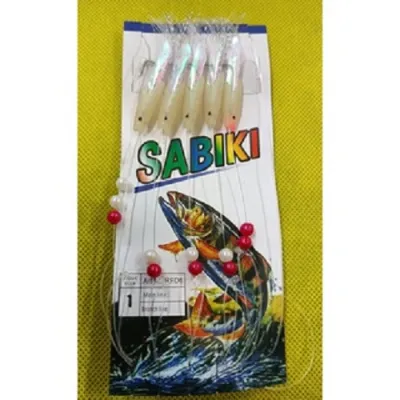
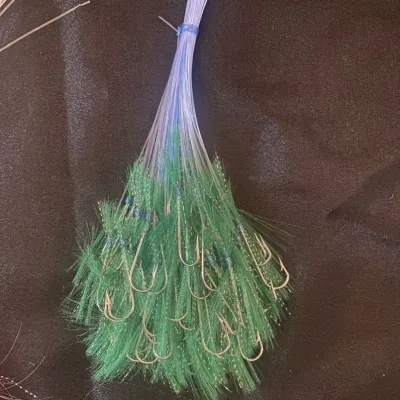
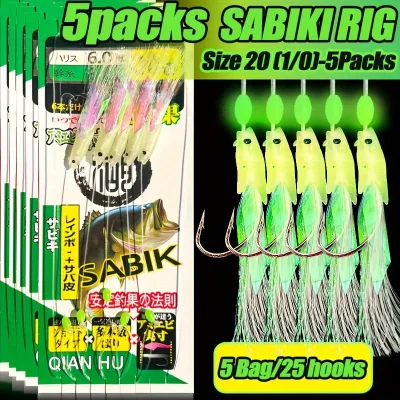
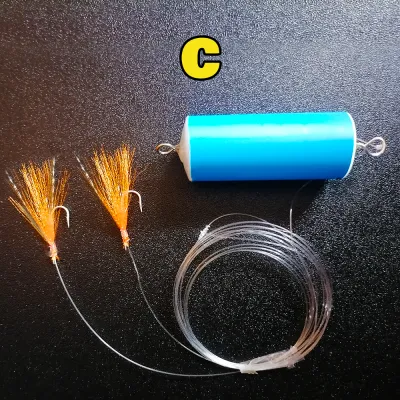
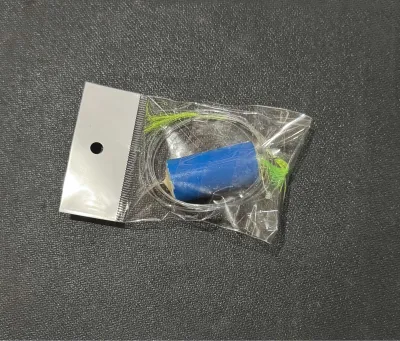
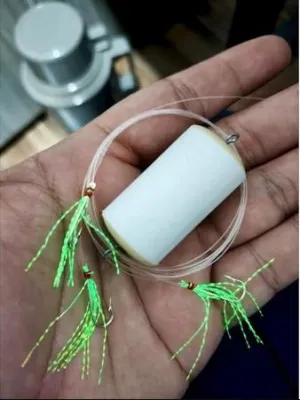
Prices are valid at publication and may change. Please refer to the product page for the latest price.
Prioritizing hook gape and overall rig durability over a high hook count is essential when targeting this species. A rig with too many small hooks will easily tangle in the bottom structure or bend under the pressure of a larger fish. Focusing on a streamlined, heavy-duty setup ensures that when a predatory strike occurs, your gear holds up to the challenge.
Choosing the Right Hook Size and Gape for Larger Jaws
Selecting the correct hook size is a balancing act between matching the fish’s jaw capacity and maintaining an enticing presentation. Because matang baka possess a relatively wide mouth structure, hooks with a wider gape (the distance between the shank and the point) are necessary to ensure a secure hookset. If the gape is too narrow, the hook may simply slide out of the fish’s mouth during a strike without catching the jaw.

However, larger and heavier hooks present a distinct trade-off in water column performance. While a heavy hook sinks rapidly to the strike zone and resists bending, it can severely damp the natural fluttering action of the skirt material. Conversely, hooks that are too small and light will flutter beautifully but risk bending straight or pulling out entirely when a strong fish fights against the current.
Before purchasing or tying your rigs, physically inspect the hook gap against the typical size of the fish caught in your local coastal waters. Look for hooks made of high-carbon steel or strong wire that offer a wide bend without excessive weight. Testing the flex of the hook point with light finger pressure can help you verify if the wire gauge is sufficient for predatory species.
Selecting Colors and Skirt Materials for Bottom Predators
The visual appeal of your sabiki rig changes dramatically depending on water depth, clarity, and ambient light. In deep or murky bottom conditions, high-visibility patterns, UV-reflective materials, and glow-in-the-dark beads are highly effective at drawing the attention of bottom-dwelling predators. These bright accents help the fish locate the rig in low-light environments where natural visibility is limited.
In contrast, clear coastal waters under bright sunlight call for more natural baitfish imitations. Soft pinks, whites, and translucent green skirts with subtle silver tinsel mimic the natural shimmer of small glass minnows or shrimp. Matching the skirt color to the prevailing local forage species ensures that wary fish do not spook as they approach the rig.
The physical movement profile of the skirt material also dictates how well it displaces water when jigged near the substrate. Real fish skin, such as dried fish skin or synthetic equivalents, softens in the water to create a highly realistic, organic flutter. Tinsel and synthetic flash fibers add structural stiffness, which creates stronger vibrations that predatory fish can detect through their lateral lines.
When visual cues alone are not enough to trigger a feeding response, adding scent or tipping the hooks can make a substantial difference. Placing a tiny sliver of fresh squid or a small piece of shrimp on the hook bend combines visual flash with a natural scent trail. This technique is particularly useful during slow tides or when fishing in highly pressured areas where fish are hesitant to strike artificial lures.
Adjusting Hook Count and Spacing to Prevent Bottom Tangles
Standard commercial sabiki rigs often come equipped with six to eight hooks spaced closely together along a long mainline. While this configuration is excellent for catching schooling baitfish in open water, it quickly becomes a liability when fishing close to the seabed. Working a long, multi-hook rig near rocks, reefs, or sandy drop-offs significantly increases the risk of snagging the bottom structure.
Reducing the hook count to three or four hooks improves the overall manageability of the rig and enhances your sensitivity to subtle bites. A shorter rig is much easier to cast, jig, and retrieve without catching floating debris or snagging the bottom. Additionally, fewer hooks mean less water resistance, allowing your sinker to drop straight down and keep the line taut.
Adjusting the spacing between the branch lines (snells) is equally important to prevent the hooks from tangling with each other during aggressive jigging. Ensure that the distance between each branch line is at least twice the length of the individual branch line itself. This spacing prevents adjacent hooks from wrapping around the mainline, maintaining a clean and natural presentation even in turbulent coastal currents.
Matching Line Strength to Bottom Structure and Predator Force
The integrity of your sabiki rig relies heavily on the strength and abrasion resistance of both the mainline and the branch lines. Because matang baka are targeted near the bottom, the mainline is constantly exposed to abrasive elements like sharp rocks, coral heads, and coarse sand. Utilizing a heavier fluorocarbon or stiff monofilament mainline helps the rig survive repeated contact with these rough surfaces.
The branch lines, or snells, require careful evaluation to ensure they can handle the sudden, violent force of a predatory strike. While thinner branch lines are less visible to the fish, they can easily snap under the tension of a sudden run or when lifting a heavy fish out of the water. Opting for branch lines with a slightly higher breaking strength provides a safety margin against unexpected breakages.
Before lowering your rig into the water, establish a routine of inspecting the entire line for signs of wear and tear. Run your fingers along the mainline and branch lines to feel for rough spots, nicks, or frays caused by previous catches or bottom contact. Replacing worn components or swapping out a damaged rig immediately prevents the frustrating loss of both your gear and your catch.
Frequently Asked Questions (FAQ)
Can I use a standard pre-tied sabiki rig straight out of the package for matang baka?
Standard pre-tied sabiki rigs designed for small baitfish are generally not ideal for matang baka without some modification. These off-the-shelf rigs often feature very small hooks and thin, delicate lines that can easily bend or snap when targeted by a larger predator. If you choose to use a standard package, inspect the hook wire gauge and line strength first. You can modify the rig by cutting it in half to reduce the hook count, which makes it easier to manage near the bottom and reduces the risk of tangling.
How should I work the sabiki rig near the bottom to trigger a strike?
To entice matang baka, use a controlled lift-and-drop jigging motion that keeps the rig hovering just above the seabed. Drop the rig until the sinker touches the bottom, then immediately lift the rod tip up by a few feet to create an enticing, fluttering motion as the skirts rise and fall. It is crucial to maintain a tight line on the descent, as many predatory strikes occur while the rig is falling. Keeping the line taut allows you to detect subtle bites instantly and prevents the hooks from settling loosely into bottom obstructions.
Community discussion
Share your experience or ask a question. Comments are reviewed before publication.