
In the tropical climate of the Philippines, water-based activities are a staple of family life. Whether spending a weekend at a beach resort in Batangas, exploring the clear springs of Laguna, or relaxing by a backyard pool, keeping young children safe around water is a top priority. When searching for a reliable vest swimming kids can wear to build confidence, it is easy to get overwhelmed by the sheer variety of options available online and in local sporting goods stores.
Selecting the right gear goes far beyond choosing a fun color or a favorite cartoon pattern. To ensure a child’s safety, parents must understand that not all flotation aids are created equal. A proper swimming vest must balance comfort, freedom of movement, and certified buoyancy to help a child learn to swim safely under close supervision.
By focusing on certified safety standards, secure physical design features, and an accurate fit, you can make an informed decision that protects your child. This guide outlines the essential certifications and design elements to look for when choosing a swimming vest.
Products mentioned in this guide


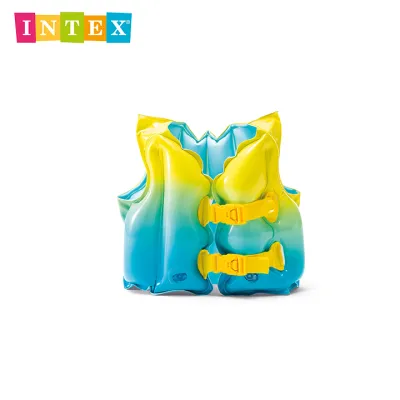
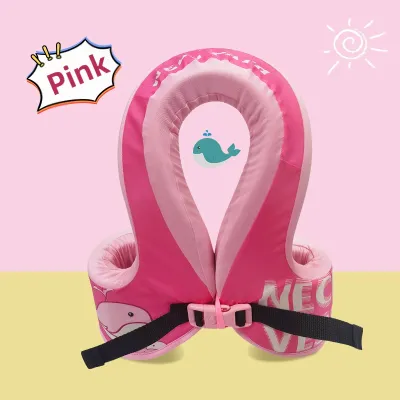
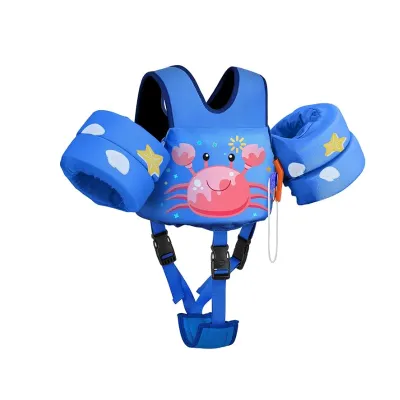
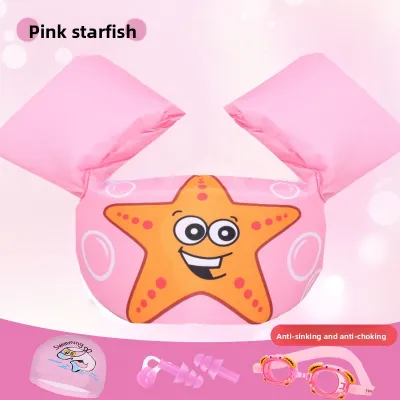
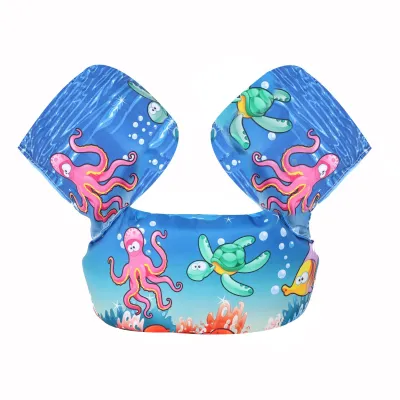
Prices are valid at publication and may change. Please refer to the product page for the latest price.
Understanding the Difference: Kids' Swim Vests vs. Life Jackets
Understanding the fundamental distinction between a swim vest and a life jacket is the most critical safety boundary a parent can establish. Although they may look similar on a store shelf, these two types of equipment serve entirely different purposes in the water. A kids’ swim vest is classified as a buoyancy aid, designed specifically to assist children who are already supervised and learning to swim.
Swim vests help children maintain a natural, horizontal swimming position in calm water. This design allows them to practice their strokes and kicks with confidence. It does not, however, provide the high-level flotation required to keep an inactive or struggling child’s head above water automatically.
In contrast, a certified life jacket—often referred to as a Personal Flotation Device (PFD)—is a life-saving device engineered to keep a wearer’s head above water, even if they are unconscious. Life jackets typically feature heavy flotation material concentrated at the front and a large collar that rolls the wearer onto their back. A standard swim vest does not possess this self-righting capability.
Because of this design difference, a swim vest does not guarantee the prevention of drowning and must never be treated as a substitute for active, undivided adult supervision. When purchasing gear, always check the manufacturer’s label printed on the inside of the vest. Legitimate swim vests will carry explicit warning labels such as “Not a Life-Saving Device” or “Buoyancy Aid Only” to manage safety expectations.
Key Safety Certifications for a Vest Swimming Kids Wear
When evaluating different options, parents should look past marketing claims and focus on verified safety certifications printed directly on the physical product. Online product descriptions frequently use vague buzzwords like “safety-approved” or “tested” without any regulatory backing. To verify that a vest provides genuine protection, look for official safety standards and certification marks printed on the product’s inner tag or fabric.

In the international market, recognized standards include the European Standard EN 13138-1, which specifically covers buoyant aids for swimming instruction. Another common standard is the International Organization for Standardization standard ISO 12402-5, which regulates Level 50 buoyancy aids. Additionally, some vests may carry United States Coast Guard (USCG) approval markings, which categorize the device under specific PFD types.
These certification marks indicate that the vest has undergone rigorous laboratory testing to verify its buoyancy, material strength, and seam durability. Buying uncertified vests increases the risk of seam failure or inadequate buoyancy while in the water. Always prioritize brands that transparently display these certification numbers on the product.
Every certified swimming vest will also feature a dedicated safety label specifying the exact weight and chest size limits for which it was tested. These limits are critical parameters tied directly to the vest’s buoyancy performance. A vest that is rated for a heavier weight range may not fit a smaller child securely, while a vest rated for a lighter weight will fail to provide adequate flotation. Always check these printed specifications against your child’s current measurements.
Critical Design Features for Water Safety
A certified swimming vest is only effective if its physical construction keeps the child secure and properly positioned in the water. High-quality manufacturing and thoughtful design elements prevent common equipment failures, such as the vest slipping off or riding up over the child’s face.
Secure Closures and Retention Straps
The primary closure system of a swim vest must be robust enough to withstand active movement, water pressure, and a child’s natural tendency to pull at straps. Look for vests that feature a heavy-duty, corrosion-resistant front zipper paired with an adjustable safety buckle or snap closure at the collar or waist. This dual-closure system ensures that even if the zipper is accidentally pulled down, the vest remains securely fastened around the child’s torso.
Another non-negotiable safety feature is an adjustable crotch strap, also known as a retention strap, which runs between the child’s legs. When a child enters the water, buoyancy naturally pushes the vest upward while gravity pulls the child’s body downward. Without a secure crotch strap, the vest can easily slide up past the shoulders, trapping the child’s arms and pushing their chin and mouth below the water line.
Ensure the crotch strap is made of soft, durable webbing and features a reliable locking buckle that cannot be easily released by the child. Some high-quality vests include a fabric sleeve over the strap to prevent chafing against the child’s skin. This is especially important during long swim sessions in warm, salty water.
Buoyancy Distribution and Collar Support
How the flotation material is distributed inside the vest directly impacts the child’s posture and airway safety. High-quality swim vests utilize evenly distributed foam inserts across both the chest and the back panels. This balanced distribution helps the child maintain a stable, upright, or slightly forward-leaning swimming position, preventing them from tipping backward or forward unexpectedly.
For younger children or those who are still highly hesitant in the water, a vest with a built-in headrest or flotation collar provides an extra layer of support. This collar helps support the back of the child’s head, keeping their neck aligned and making it easier to keep their airway clear of splashing water. When inspecting a vest, ensure that the foam inserts are securely stitched into individual compartments so they cannot shift or bunch up over time.
Avoid vests that rely solely on inflatable chambers, as these are highly susceptible to punctures from pool edges, twigs, or sharp shells. Solid foam cores, typically made of closed-cell polyethylene or soft neoprene-encased foam, offer reliable buoyancy that cannot be deflated. This material choice ensures consistent performance throughout the vest’s lifespan.
High-Visibility Colors and Reflective Elements
Visibility is a crucial factor in supervising children in busy public pools, crowded beach resorts, or natural open-water settings. Opt for swim vests made with bright, neon colors—such as neon yellow, vibrant orange, or hot pink—that contrast sharply with blue pool tiles and natural water tones. Research into water safety indicates that dark or blue-green swimwear can quickly blend into the water, making a submerged child difficult to spot.
Additionally, look for vests equipped with reflective tape, piping, or patches. These reflective elements are highly beneficial in low-light conditions, such as late afternoon swim sessions, or in shaded outdoor environments common in tropical, tree-lined resorts. High-visibility features allow parents, lifeguards, and supervisors to keep track of the child’s position at a glance.
Proper Fit and Sizing: The Foundation of Safety
Even the most expensive, highly certified swimming vest will fail to protect your child if it does not fit correctly. An ill-fitting vest is inherently unsafe because it can restrict movement, cause physical discomfort, or slip off entirely during a swim. When selecting a vest, always prioritize your child’s current weight and chest measurements rather than their age.
Many parents make the mistake of purchasing a larger size with the intention of letting the child “grow into” the vest over successive pool seasons. This practice is extremely dangerous; a loose vest will ride up instantly in the water, rendering the safety features useless. Conversely, a vest that is too small can restrict breathing and limit the arm movement required to swim safely.
To verify a proper fit, perform the “lift test” before your child enters the water:
- Step 1: Fasten the vest completely, including the zipper, buckles, and crotch strap.
- Step 2: Adjust all straps until the vest fits snugly against the child's torso.
- Step 3: Firmly grasp the shoulder straps of the vest and pull upward.
- Step 4: Observe the movement: the vest should not slide up past the child's chin, nose, or ears.
If the vest easily slides upward past the chin during the lift test, tighten the straps further or select a smaller size. A properly fitted vest should feel snug, like a firm hug, but still allow the child to breathe comfortably and move their arms without restriction.
Additionally, check for a snug but comfortable fit around the armpits and neck. The fabric should allow for full, unrestricted arm rotation so the child can practice swimming strokes. In warm, humid climates, wet fabric rubbing against sensitive skin can quickly cause painful chafing. Ensure the armholes are lined with soft, non-abrasive materials like neoprene or smooth piping to prevent skin irritation.
Usage Boundaries, Risks, and Supervision Rules
A swimming vest is a helpful tool for building water confidence, but it is not an absolute shield against water hazards. Safe use requires parents to understand the operating boundaries of the equipment and strictly enforce water safety rules. The golden rule of supervising young swimmers is “touch supervision.” This means an adult must remain within arm’s reach of the child at all times, keeping their eyes on the water without distractions.
Environmental conditions also dictate whether a swim vest is appropriate. Swim vests are designed for controlled, calm environments such as shallow swimming pools or quiet, wave-free shallow shorelines. They are completely unsuitable for high-risk environments, including the open ocean, areas with strong currents, tidal channels, or deep lakes. In these unpredictable environments, sudden waves or currents can easily overwhelm a child wearing a basic swim vest, making a fully certified life jacket mandatory instead.
To maintain the safety and integrity of your child’s swimming vest, regular care and inspection are essential. Before performing any maintenance or cleaning, always check the product’s label and the manufacturer’s specific care instructions. If these instructions conflict with general advice, or if the product’s label is missing, stop using the item and consult the manufacturer or a qualified professional.
In tropical environments, high UV exposure, heat, chlorine, and saltwater can rapidly degrade swim vest materials. Implement these verification and care checks to ensure the vest remains safe for use:
- Rinse thoroughly: Wash the vest with clean, fresh water after every use to remove chlorine, salt, and sand that can degrade fabrics and corrode zippers.
- Dry in the shade: Never dry the vest in direct sunlight or use a mechanical dryer, as high heat can compress and damage the internal flotation foam. Hang it in a well-ventilated, shaded area.
- Inspect seams and fabric: Regularly check the stitching along the shoulders, sides, and crotch strap for signs of fraying or tearing.
- Check the foam: Squeeze the vest to ensure the internal foam has not become compressed, brittle, or waterlogged.
- Test closures: Ensure that zippers slide smoothly and buckles snap shut securely without slipping.
Immediately discontinue use and replace the vest if you observe any compromised seams, cracked buckles, failing zippers, or if the internal foam feels thin, degraded, or lumpy. Continuing to use a damaged or degraded vest poses a severe safety risk to your child.
Frequently Asked Questions (FAQ)
Can a swimming vest prevent drowning in the ocean?
No, a swimming vest cannot prevent drowning in the ocean. Swim vests are classified as buoyancy aids, which do not have the buoyancy force or the design features required to keep a child’s face out of rough, choppy water or to combat strong currents. If you are planning beach activities, boat rides, or open-water excursions in the ocean, you must equip your child with a properly certified life jacket (PFD) and maintain strict, close supervision at all times.
At what age or weight should a child stop using a swim vest?
There is no fixed age or weight milestone at which a child must stop using a swim vest. Instead, the transition depends entirely on the child’s physical development, swimming competence, and water confidence, as well as the specific weight limits printed on the vest’s safety label. Before transitioning away from a swim vest, consult a certified swim instructor to evaluate your child’s ability to stay afloat, tread water, and swim independently without any buoyancy aids.
Community discussion
Share your experience or ask a question. Comments are reviewed before publication.