
Choosing between saltwater and freshwater braided fishing line comes down to matching your line’s physical construction to the specific hazards of your fishing environment. While both lines are made from high-strength synthetic fibers like polyethylene, saltwater environments demand lines with tighter weaves, heavy-duty hydrophobic coatings, and higher abrasion resistance to withstand coral, salt crystallization, and intense UV rays. Freshwater setups, by contrast, prioritize casting distance, stealth, and the ability to slice through thick vegetation. Selecting the wrong configuration can lead to premature line failure, lost fish, and damaged gear.
How Water Environments Affect Braided Line Performance
The physical differences between saltwater and freshwater environments directly impact how braided line behaves over time. In saltwater settings, the primary threats to your line are highly abrasive structures like coral reefs, barnacle-encrusted pilings, and sharp volcanic rocks. These surfaces can easily shred loose fibers. In contrast, freshwater environments present different structural challenges, such as submerged timber, thick weed beds, and dense water hyacinths. While freshwater vegetation is generally softer than coral, it requires a line that can slice through stalks without getting bogged down.
Sunlight and water chemistry also play massive roles in line degradation. Tropical offshore environments expose your line to intense, uninterrupted UV radiation, which can break down untreated synthetic fibers over time. Furthermore, as saltwater evaporates from a wet line, it leaves behind microscopic salt crystals. If these crystals penetrate the braid’s core, they act like tiny blades, sawing at the individual fibers from the inside out every time the line bends or stretches.
Products mentioned in this guide
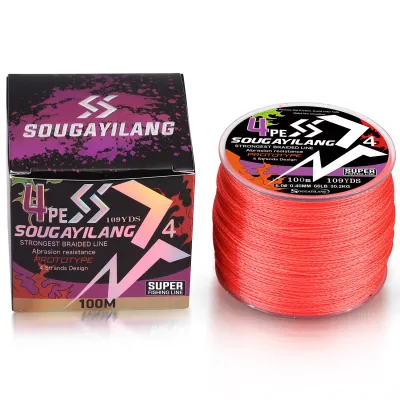
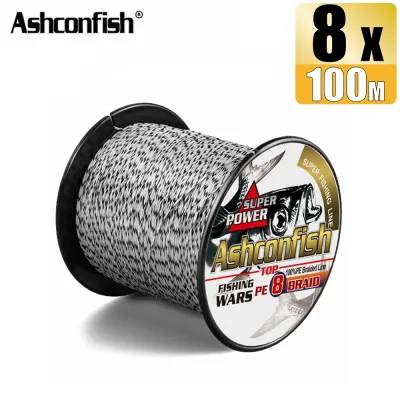
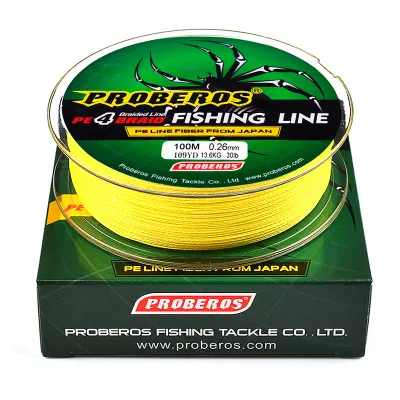
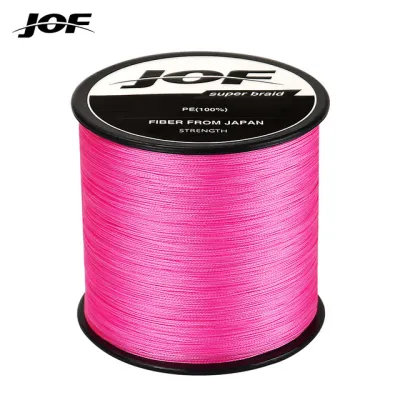
![[COD]100M 4 Strands Braided Fishing Line Super Strong PE Fishing Line Multifilament Braided Line](https://img.lazcdn.com/g/p/8dbdacca26bccd82e41c2f861d68deb8.jpg_400x400q80.jpg_.webp)
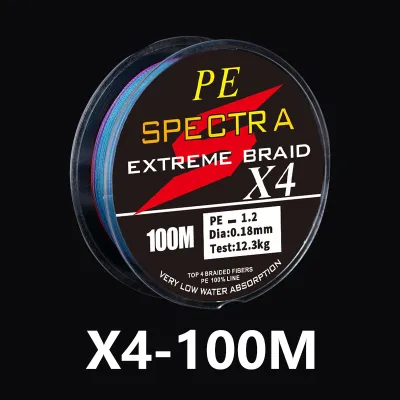
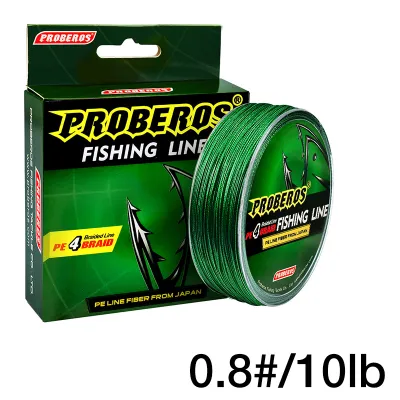
Prices are valid at publication and may change. Please refer to the product page for the latest price.
To combat these environmental hazards, manufacturers apply specialized coatings to braided lines. Saltwater-optimized braids often feature heavy hydrophobic coatings designed to repel water and prevent salt crystals from embedding in the weave. Freshwater lines may use lighter coatings or remain uncoated to maximize suppleness and casting distance, making them highly effective in calm, shaded inland waters but vulnerable to rapid wear if taken into the ocean.
How to Choose Braided Line Specifications for Freshwater
When configuring a braided line setup for freshwater lakes, rivers, or reservoirs, you must balance line strength with casting performance. The first step is selecting the appropriate pound test based on your target species and the structure you are fishing. For smaller species like tilapia or local perch, a light 8-pound to 15-pound test is usually sufficient and fits easily on smaller spinning reels. If you are targeting heavy cover for predatory species like dalag (snakehead) or introduced largemouth bass, upgrading to a 30-pound to 50-pound test allows you to pull fish out of thick weeds without snapping.

The strand count, or carrier count, of the braid significantly influences how the line handles. A 4-carrier braid is woven from four thick strands, creating a rougher, more rounded profile. This coarse texture acts like a saw, allowing the line to cut through tough freshwater weeds and lily pads easily. However, it produces more noise through the rod guides and has a shorter casting distance. An 8-carrier braid uses eight thinner strands to create a silky-smooth, round profile that casts exceptionally far and runs silently, making it ideal for open-water casting and delicate presentations.
Color selection in freshwater depends heavily on water clarity and light penetration. In stained or muddy rivers, a high-visibility yellow or chartreuse line helps you visually track subtle line movements and detect delicate strikes. In clear volcanic lakes, a low-visibility moss green or dark gray line blends naturally with the underwater vegetation and shadows, preventing line-shy fish from spooking.
How to Choose Braided Line Specifications for Saltwater
Saltwater angling requires a rugged, high-capacity setup designed to handle corrosive conditions and powerful, fast-running ocean species. Because saltwater fish like talakitok (giant trevally) or tanguigue (Spanish mackerel) make long, explosive runs, your line must offer a high strength-to-diameter ratio. This allows you to spool hundreds of meters of heavy-duty line—typically 50-pound to 80-pound test or higher—onto your reel without sacrificing line capacity or risking a complete spool-out during a fight.
Before heading out into rough coastal waters or deep offshore spots, ensure your physical ability, safety gear, and vessel conditions are verified; high-performance equipment cannot substitute for proper safety training and weather monitoring. Once safety is established, prioritize braids with exceptionally tight weaves and advanced hydrophobic coatings. A tight weave prevents salt crystals, sand, and micro-debris from wedging between the fibers, while the coating sheds water to keep the line light and responsive. These coatings also provide crucial UV protection, ensuring the line retains its structural integrity during long days under the tropical sun.
Color strategies in saltwater vary by depth and fishing style. For offshore trolling or deep-sea jigging, multi-colored metered lines (which change color every ten meters) are invaluable for tracking depth and distance. For shallow inshore flats, mangrove estuaries, or sandy beaches, a translucent or sand-colored line helps keep your presentation stealthy, while a bright blue or orange line is preferred for tracking your lure’s position in rough surf or blue water.
Can You Use the Same Braided Line for Both Environments?
While it is technically possible to use a single braided line for both saltwater and freshwater, doing so requires careful consideration of the trade-offs. A mid-range, uncoated freshwater line can survive occasional saltwater trips, but it will degrade much faster than a salt-rated line. Without a protective hydrophobic coating, the line will absorb saltwater, carrying corrosive salt crystals deep into your reel’s spool and internal mechanisms, which can ruin expensive bearings.
The hidden costs of using a single line across both environments often outweigh the initial savings. If you use a freshwater line in the ocean, you will likely face accelerated wear, fraying, and frequent respooling, which can quickly add up to more than the ₱1,000 to ₱2,000 cost of maintaining two dedicated setups. Additionally, a line heavy enough to handle saltwater species will be far too thick and stiff for delicate freshwater casting, severely limiting your versatility.
To protect your investment, strictly separating your setups is highly recommended. If you must use one reel for both, consider purchasing a reel with interchangeable spools. This allows you to keep one spool loaded with light, smooth freshwater braid and another loaded with heavy, coated saltwater braid, preventing cross-contamination and ensuring you always have the correct tool for the job.
Maintenance Routines to Protect Your Braided Line
A disciplined post-trip maintenance routine is the most effective way to extend the lifespan of your braided line, regardless of where you fish. After every saltwater outing, or after fishing in muddy freshwater, always rinse your reel and line thoroughly with a gentle stream of fresh water. Avoid using high-pressure sprays, as this can force salt, sand, and debris deeper into the braided fibers and reel housing. Instead, let a light trickle run over the spool while slowly turning the handle to wash away surface contaminants.
Regularly perform visual and tactile inspections of your line to catch damage before it causes a lost fish. Run the first few meters of line between your thumb and forefinger, feeling for rough spots, micro-frays, or flat sections. Pay close attention to the area near your knot, as this section experiences the most stress and abrasion. If you detect any fraying or wind knots, cut back the damaged section immediately.
Finally, store your reels and spare spools in a cool, dry place away from direct tropical sunlight and high humidity. Prolonged exposure to UV rays can weaken synthetic fibers over time, while excessive moisture can encourage mold growth on organic debris trapped in the braid. Proper storage ensures your line remains strong, supple, and ready for your next adventure.
Frequently Asked Questions (FAQ)
Do I need a leader when using braided line in saltwater?
Yes, using a leader is highly recommended when fishing with braided line in saltwater. Braided line has virtually no stretch, which can cause knots to slip or hooks to pull out during hard strikes, and its opaque profile is highly visible to wary saltwater species. Attaching a fluorocarbon or monofilament leader provides essential shock absorption, near-invisible presentation in clear water, and superior abrasion resistance against sharp teeth, coral, and rocky structures.
How often should I respool my braided fishing line?
The frequency of respooling depends on how often you fish and the harshness of the environment. For casual anglers fishing in freshwater, a high-quality braid can last two to three years with proper maintenance. However, if you fish frequently in saltwater or heavy cover, you should inspect your line regularly and consider respooling or reversing the line on the spool every six to twelve months, especially if you notice severe color fading, loss of coating, or persistent fraying.
Community discussion
Share your experience or ask a question. Comments are reviewed before publication.