
An underwater scooter can transform your diving experience, turning a high-effort swim into an effortless glide across vibrant coral reefs. However, when you look at the specifications of a premium Seabob underwater scooter, the numbers on the page do not always translate directly to what you experience in the water.
Understanding how thrust, battery capacity, depth ratings, and dry weight behave in real-world conditions is essential for choosing the right model. Real-world factors like equipment drag, local currents, and battery management will ultimately dictate your actual speed, runtime, and safety margins during a dive.
Decoding Thrust and Speed Ratings for Real Conditions
When reviewing manufacturer specifications, the first numbers that catch your eye are usually the maximum speed and thrust ratings. It is crucial to distinguish between peak thrust, which the motor can deliver for short bursts, and continuous operational thrust, which is the sustainable power output over the course of your dive.
Products mentioned in this guide
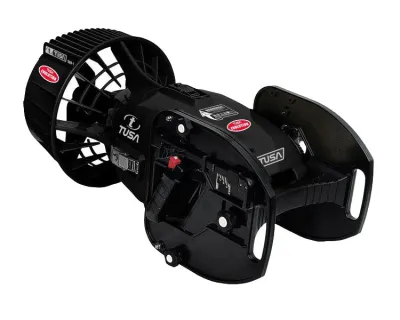
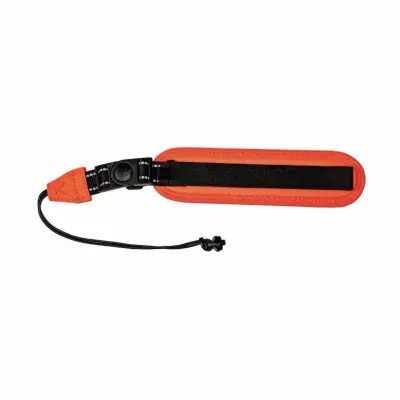
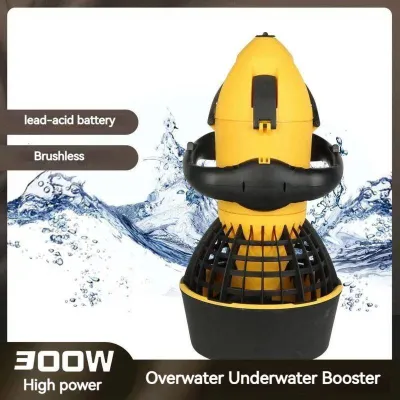
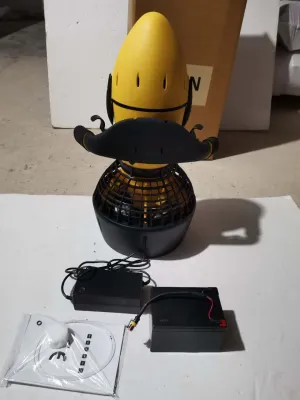
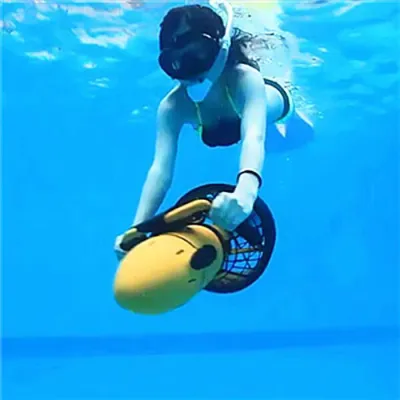
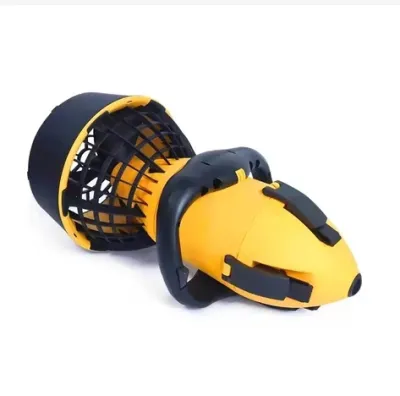
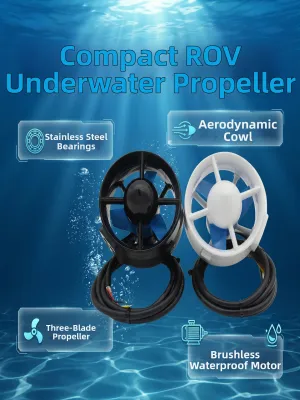
Prices are valid at publication and may change. Please refer to the product page for the latest price.
Peak thrust is excellent for fighting sudden currents, but relying on it continuously will rapidly deplete your power reserves. Your actual travel speed in the water will almost always be lower than the advertised top speed.
Manufacturers typically test these devices under highly optimized conditions, often using a streamlined swimmer wearing minimal gear in calm, current-free water. When you add the bulk of a full scuba kit, a thick wetsuit, and camera gear, the resulting aerodynamic drag significantly reduces your velocity.
Before purchasing, check the manufacturer’s documentation to understand the specific testing parameters used to establish their speed claims. If you plan to dive in areas with strong tidal currents, such as the channels around popular tropical reefs, you will need a model with higher continuous thrust to ensure you can make headway against the flow without exhausting the motor or yourself.
Estimating Real Dive Time from Battery Specifications
Battery capacity is typically listed in watt-hours (Wh) or as an estimated runtime in minutes. However, a rating of “60 minutes” does not guarantee an hour of continuous high-speed cruising.

Operating your scooter at its maximum power setting can drain the battery in a fraction of the time compared to using a moderate, eco-friendly cruising speed. Environmental factors also play a significant role in battery performance.
While tropical surface waters are warm, diving deeper can expose the unit to cooler thermoclines, which can affect battery discharge efficiency. Additionally, as batteries age, their overall capacity naturally declines, meaning a unit that once ran for an hour may eventually offer shorter runtimes.
Safe dive planning requires you to establish conservative return margins. Never plan a dive that requires 100% of your battery capacity to return to your exit point; instead, apply a safety reserve, such as reserving at least one-third of the battery life for unexpected delays or surface intervals.
Regularly verify the battery health indicators on your scooter’s display before entering the water. Consult the user manual to understand the expected cycle life of the battery pack.
Matching Depth Ratings to Your Certification and Safety Limits
Every underwater scooter carries a maximum depth rating, but there is a vital distinction between the absolute tested pressure limit of the housing and the safe maximum operating depth.
The tested limit represents the point of structural failure under laboratory conditions, whereas the operating limit is the maximum depth at which the manufacturer guarantees safe, reliable functionality of the controls and motor seals.
Your personal diving certification must always dictate your depth limits, regardless of how deep the scooter is rated to go. If you hold an Open Water certification limited to 18 meters, operating a scooter rated for 40 meters does not make it safe for you to descend past your training limits.
The increased speed of a scooter can lead to rapid depth changes, making strict depth monitoring critical to avoid barotrauma or decompression sickness. Modern premium scooters often feature programmable depth limits and built-in alarms that alert you when you approach your pre-set boundaries.
Familiarize yourself with these safety features and know the exact steps to take—such as releasing the throttle and manually controlling your buoyancy—if the device encounters a depth-related malfunction or if you must abort the dive.
Evaluating Weight and Buoyancy for Transport and Maneuverability
A scooter’s physical specifications include both its dry weight on land and its buoyancy characteristics in the water. A unit that feels heavy on the dock can become perfectly neutral or slightly positive once submerged.
However, you must still transport the device to the water, which makes dry weight a critical factor for shore entries or lifting the unit onto a boat. When diving with a scooter, you must adjust your personal weight belt to compensate for the device’s buoyancy.
A slightly positive scooter can help keep you afloat at the surface, but it requires careful handling underwater to maintain a level trim. If you release the scooter, it should ideally float slowly to the surface or remain neutrally buoyant at your current depth, rather than sinking rapidly into the deep.
Consider how you will handle the unit during different entry and exit scenarios. Lifting a heavy scooter up a boat ladder in rolling swells requires physical strength and proper technique, while launching from a rocky shoreline or a sandy beach presents unique stability challenges. Choose a weight and size profile that you can safely manage during these critical transition phases.
Building a Specification-Based Shortlist for Your Dive Profile
To find the ideal underwater scooter, start by aligning the technical specifications with your primary water activities. If you primarily enjoy shallow snorkeling or freediving, a lighter model with moderate thrust and quick-charging capabilities may be ideal.
For technical or deep scuba diving, prioritize high battery capacity, robust depth ratings, and reliable continuous thrust. Avoid the temptation to pay a premium for extreme speed ratings or deep-water capabilities that you are unlikely to use.
Instead, focus on essential performance metrics like battery reliability, intuitive controls, and physical manageability. A well-balanced mid-range model often provides the best utility for recreational divers.
Finally, verify the local availability of authorized service centers for your chosen brand. High-performance watercraft require periodic maintenance, including seal replacements and battery health checks. Ensuring you have access to local support, spare parts, and warranty service in your region—such as dive hubs in the Philippines—will keep your scooter running safely for years to come.
Frequently Asked Questions (FAQ)
Do I need a special certification to use an underwater scooter?
While you do not need a formal certification to use an underwater scooter for casual surface snorkeling, integrating one into scuba diving requires specialized training. Operating a Diver Propulsion Vehicle (DPV) introduces unique risks, such as rapid ascents or descents and complex buoyancy management. Taking a dedicated DPV certification course teaches you safe handling techniques, gas planning, and emergency towing procedures.
How should I maintain the battery between dive trips?
To maximize the lifespan of your scooter’s battery, always follow the manufacturer’s specific storage guidelines. Never store the battery completely empty or fully charged for extended periods; most manufacturers recommend keeping the charge level between 40% and 60% during storage. Store the unit in a cool, dry place away from direct sunlight, and perform periodic charge cycles and terminal inspections every few months to prevent deep discharge damage.
Community discussion
Share your experience or ask a question. Comments are reviewed before publication.