
Finding the right swimwear for children involves balancing style, sun protection, and physical comfort. For many parents in the Philippines, ensuring modesty and preventing swimwear from bunching or clinging uncomfortably is a key priority. This has led to growing interest in specialized modesty inserts, commonly referred to as camel toe protectors, designed specifically for younger swimmers.
However, shopping for these products requires a highly cautious approach. Because children have sensitive skin and are constantly active in the water, standard adult products or poorly made alternatives can cause physical discomfort or skin irritation. Understanding how to evaluate these items, verify their materials, and select the safest design is essential for a worry-free day at the pool or beach.
Assessing Safety and Age Appropriateness for Kids
Before purchasing any modesty insert, parents must evaluate whether the product is appropriate for their child’s age and developmental stage. Standalone adhesive protectors are generally not recommended for toddlers or very young children. At this stage, children are highly curious and may attempt to peel off, play with, or even swallow small silicone or fabric pieces, presenting a serious choking hazard.
Products mentioned in this guide
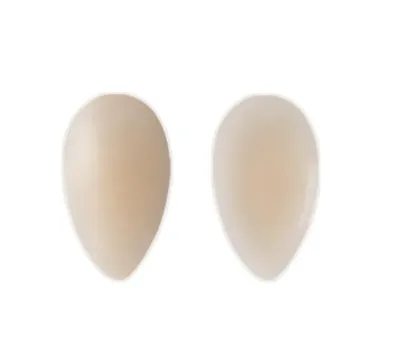
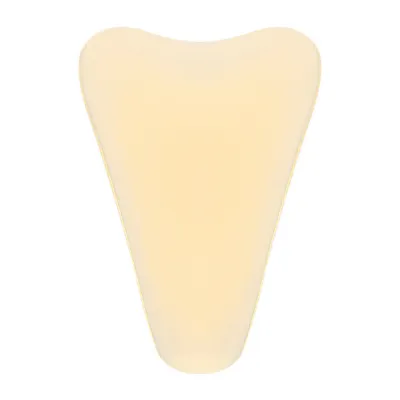
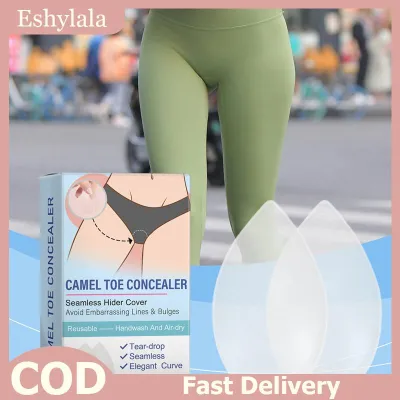
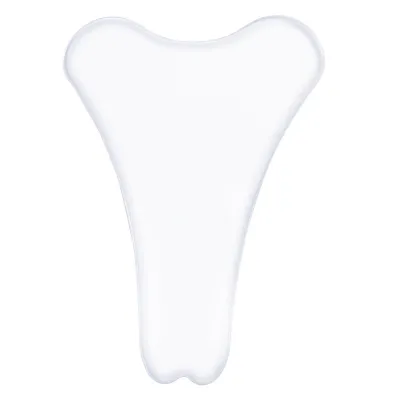
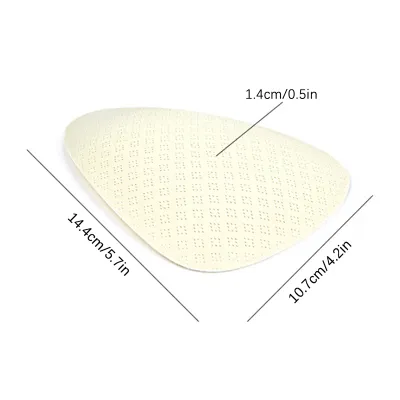
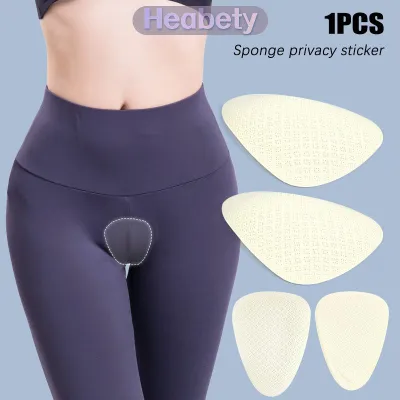
Prices are valid at publication and may change. Please refer to the product page for the latest price.
Physical activity levels also play a major role in safety. During active water play, such as running around splash pads or sliding down water slides, a loose insert can shift. This movement creates constant friction against delicate skin, which is exacerbated by the heat and humidity of the tropical climate. The resulting chafing can lead to painful friction burns or raw skin, turning a fun day into an uncomfortable ordeal.
For younger or highly active children, alternative modesty solutions are often much safer and more practical. Swim shorts, board shorts, or rash guards with integrated, loose-fitting bottoms provide excellent coverage without relying on adhesives. Choosing swimwear with busy patterns or darker colors can also naturally minimize clinging and bunching, eliminating the need for external inserts entirely.
Evaluating Materials and Adhesive Safety
When selecting a standalone protector, the material composition is the most critical factor. Medical-grade silicone is widely considered the standard for reusable inserts because it is flexible, waterproof, and conforms easily to the body. However, parents must distinguish true medical-grade silicone from cheap, industrial-grade plastics, which often contain harmful plasticizers that can leach out when exposed to warm water and sunlight.

Breathable fabric pads offer an alternative to silicone, but they present different trade-offs. While fabric is lighter and less likely to trap sweat against the skin, it can absorb water over time, making the insert heavy and prone to slipping. If you choose fabric options, ensure they feature a water-resistant outer barrier that prevents the material from becoming waterlogged during prolonged swimming sessions.
Adhesive safety requires equal scrutiny. Parents should look for products that explicitly state they use hypoallergenic, medical-grade, or dermatologically tested adhesives. Unbranded or generic products often use strong industrial glues that can cause severe allergic contact dermatitis, leading to redness, itching, and blistering on sensitive young skin.
Before applying any adhesive product for a full day of swimming, conducting a localized patch test is a mandatory safety step. Apply a small portion of the adhesive backing to a clean, dry area of the child’s inner thigh or arm for approximately two to three hours. Monitor the area closely for any signs of redness, swelling, or discomfort; if any reaction occurs, discontinue use immediately and opt for non-adhesive alternatives.
Comparing Standalone Inserts vs. Built-In Swimwear Liners
Parents must decide between standalone inserts and swimwear that features built-in modesty panels. Reusable silicone inserts are highly versatile because they can be transferred between different swimsuits. This flexibility is cost-effective, especially if your child has multiple swimsuits for school swimming lessons or weekend trips. However, they require careful manual application and consistent maintenance to remain hygienic.
Disposable fabric pads offer convenience, particularly for vacation travel where washing and drying reusable silicone may be difficult. They are designed for single-use and are discarded after swimming. The downside is their ongoing cost and environmental impact, alongside a higher likelihood of shifting or peeling off if the child is highly active in rough ocean waves or fast-moving pool currents.
In contrast, swimwear with built-in modesty liners or sewn-in compression panels offers the highest level of security. Because these panels are stitched directly into the lining of the swimsuit, they cannot slip, fall out, or become lost in the water. This design is ideal for competitive youth swimmers, divers, or children who spend hours playing intensely in water parks.
While built-in liners may limit your swimwear choices and typically cost more upfront, they eliminate the risks associated with skin adhesives. They do not trap sweat in the same way solid silicone does, and they wash easily along with the rest of the garment. For parents prioritizing long-term durability and hassle-free wear, investing in high-quality, double-lined swimwear is often the most reliable path.
How to Verify Sellers and Products on E-Commerce Platforms
Navigating online marketplaces in the Philippines requires a discerning eye to avoid low-quality or counterfeit goods. When searching for these products, avoid generic search terms that primarily return adult-sized items. Instead, use precise keywords such as ‘kids swimwear modesty insert’, ‘children’s silicone swim pad’, or ‘girls swim liner’. Always verify the dimensions listed in the product description to ensure they match a child’s anatomy.
Customer reviews are an invaluable resource, but they must be analyzed critically. Look past the overall star rating and focus on written feedback, especially reviews that include photos or videos. Search specifically for mentions of ‘skin rash’, ‘adhesive failure’, ‘fell off in water’, or ‘sizing too large’. If multiple buyers report that the adhesive failed within minutes of entering the water, the product is unlikely to withstand active swimming.
Verify the seller’s credentials before making a purchase. Look for official brand stores, authorized distributors, or sellers with high positive ratings and a history of responsive customer service. Be aware that because camel toe protectors are classified as personal hygiene items, most reputable platforms and sellers enforce strict no-return policies once the packaging is opened. This makes thorough upfront research essential.
Safe Application, Maintenance, and Skin Care
Proper application is key to ensuring the protector stays in place and does not irritate the skin. Before applying the insert, ensure the child’s skin is completely clean and dry. Avoid applying any baby oil, body lotion, or sunscreen to the area beforehand, as these products create a barrier that prevents the adhesive from bonding, leading to immediate failure in the water. Sunscreen should only be applied to surrounding areas after the protector is securely in place.
When it is time to remove the protector, gentleness is vital to prevent skin damage. Never pull or rip the adhesive off quickly, as this can tear the delicate outer layer of the child’s skin. Instead, have the child sit in a warm bath for a few minutes to help loosen the adhesive bond. Alternatively, apply a small amount of baby oil or coconut oil around the edges of the insert to gently dissolve the glue before peeling it away slowly.
Maintaining reusable silicone inserts is crucial for skin health, especially in the hot and humid climate of the Philippines. After each use, wash the insert immediately with warm water and a mild, fragrance-free soap to remove chlorine, salt, sand, and sweat. Avoid using harsh detergents or abrasive scrubbing pads, which can degrade the silicone and ruin the adhesive surface.
Once washed, allow the inserts to air-dry completely in a clean, dust-free indoor environment. Do not dry them under direct sunlight, as extreme heat can warp the silicone and melt the adhesive. Once fully dry, reapply the original protective plastic film over the adhesive side to prevent dust, lint, or pet hair from settling on it, and store them in a cool, dry drawer until the next swim day.
Frequently Asked Questions (FAQ)
Can regular adult camel toe protectors be cut to fit children?
No, cutting adult-sized camel toe protectors to fit a child is highly discouraged. When you cut a manufactured silicone or fabric insert, you destroy its structural integrity and ruin the sealed, smooth edges. This leaves sharp, uneven borders that can cause severe chafing, scratching, and skin irritation during active movement. Additionally, cutting the product exposes the inner layers, which can lead to rapid water absorption or adhesive peeling, rendering the protector completely useless in the water. It is always safer to purchase products specifically designed, tested, and sized for children’s bodies.
How do chlorine and saltwater affect the adhesive strength?
Both chlorine and saltwater significantly accelerate the degradation of adhesives used in swim inserts. Chlorine is a harsh chemical that slowly breaks down the synthetic polymers in glues, causing them to lose their stickiness and lift at the edges. Saltwater leaves behind tiny salt crystals as it dries, which can wedge underneath the adhesive backing and physically separate the insert from the skin. Parents should check manufacturer specifications for water-resistance ratings and expected wear times. If you notice the edges of the protector curling, lifting, or sliding during a swim session, it is a clear sign that the adhesive has failed and the product should be removed immediately.
Community discussion
Share your experience or ask a question. Comments are reviewed before publication.