
Selecting the right terminal tackle is a critical decision for any angler venturing into the diverse marine environments of the Philippines. The country’s warm, highly saline waters and powerful game fish demand equipment that offers both extreme corrosion resistance and structural reliability. Japanese stainless steel fishing hooks have earned a global reputation for meeting these exact requirements, providing the durability needed to withstand harsh tropical conditions.
Whether you are casting heavy poppers for giant trevally along reef drop-offs, drifting live bait for yellowfin tuna, or bottom fishing for groupers, your hook is the single point of contact between you and your catch. Choosing high-quality Japanese stainless steel ensures that your gear remains sharp, strong, and rust-free over multiple demanding trips. Understanding how to evaluate these hooks, match them to local species, and verify their authenticity will significantly improve your hook-up ratios and protect your investment in premium tackle.
Understanding the Value of Japanese Stainless Steel Hooks
The primary advantage of Japanese stainless steel hooks lies in their specialized metallurgy. Marine-grade stainless steel alloys incorporate high concentrations of chromium and nickel, which react with oxygen to form a microscopic, self-healing passive oxide layer on the surface of the metal. This barrier prevents saltwater from directly contacting the iron, offering deep-seated resistance to rust and pitting even when the hook’s surface is scratched or abraded during use.
Products mentioned in this guide
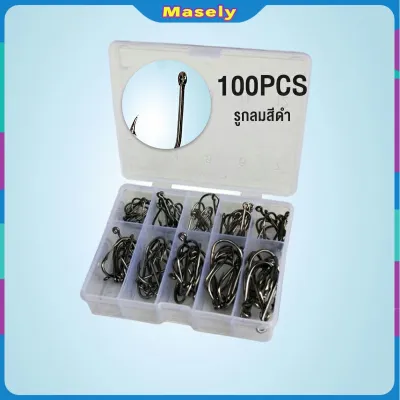
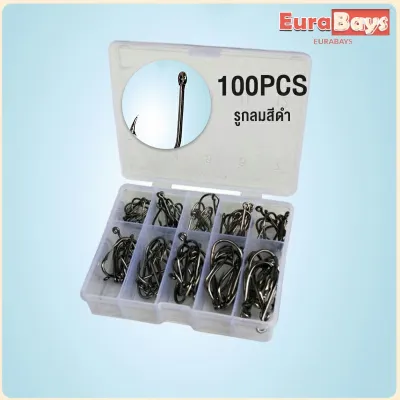
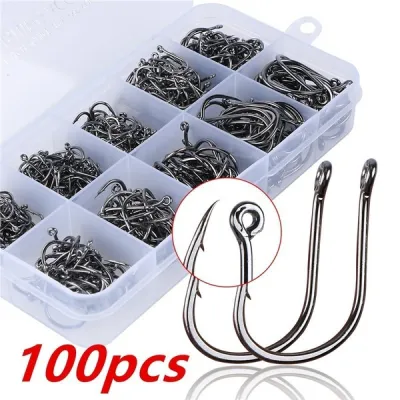
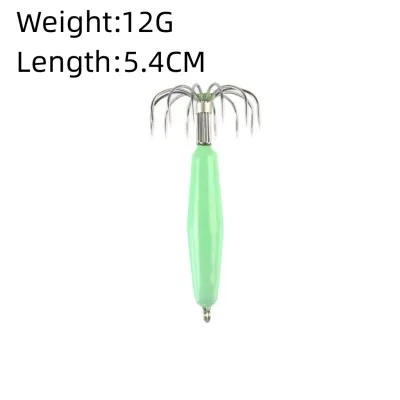
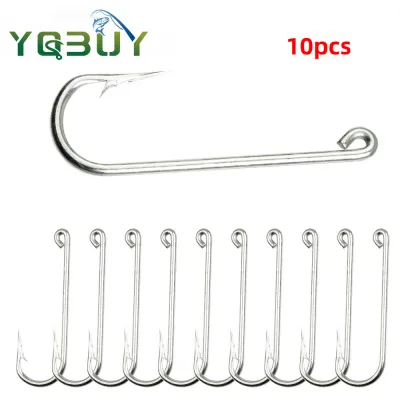
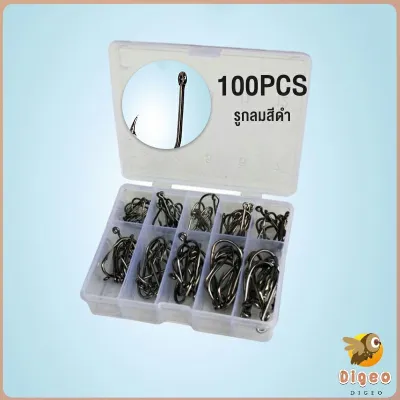
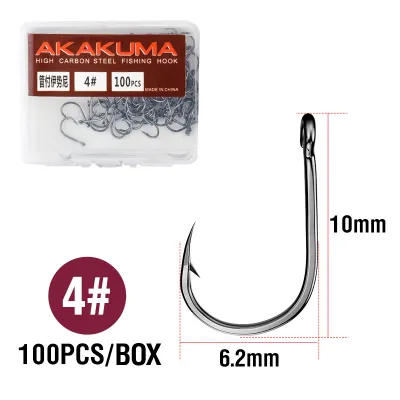
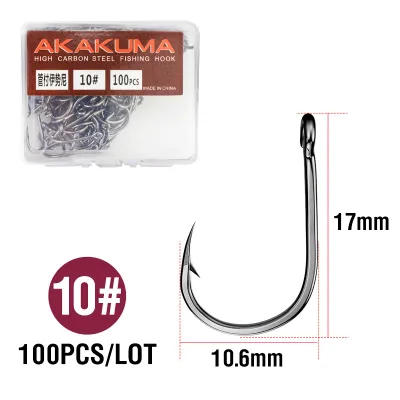
Prices are valid at publication and may change. Please refer to the product page for the latest price.
In contrast, standard high-carbon steel hooks rely entirely on thin chemical coatings, such as tin, nickel plating, or Teflon, to prevent corrosion. While carbon steel can be forged to extreme hardness and sharpened to an incredibly fine point, these protective coatings inevitably wear off or scratch during encounters with rocky structures and toothy fish. Once the protective layer is compromised, the underlying carbon steel rusts rapidly in warm tropical waters, leading to structural failure.
Japanese manufacturing standards are highly regarded because of their precise tempering processes, which carefully balance hardness and ductility. A hook that is tempered too hard becomes brittle and can snap under the sudden shock of a heavy strike, while a hook that is too soft will bend open under load. Japanese forging techniques optimize this crystalline structure, allowing the hook to flex slightly under extreme drag settings without losing its shape or breaking. Furthermore, their advanced chemical and mechanical sharpening methods produce points that easily penetrate tough jawbones and retain their edge far longer than standard hooks.
Key Selection Criteria for Marine Environments
Selecting the right hook requires a careful evaluation of its physical dimensions and structural features to ensure it matches your target species and tackle configuration. The wire gauge, or thickness of the wire, is the first critical factor to consider. Heavy-duty hooks, often designated as 2X, 3X, or 4X strong, are engineered with thicker wire to withstand the immense pressure of heavy braided lines and tight drag settings. Fine-wire hooks, while offering superior penetration and a more natural bait presentation, are best reserved for lighter line classes and smaller species where excessive force is not required.

The configuration of the hook eye is another essential consideration for maintaining rig integrity. Welded eyes are highly recommended for heavy-duty saltwater applications because the eye is completely sealed, eliminating any sharp edges or gaps that could pinch, chafe, or cut heavy fluorocarbon or wire leaders. Ringed eyes feature a solid ring passed through the eye, providing maximum freedom of movement for live bait to swim naturally. Looped eyes are commonly found on specialized big-game hooks, allowing for secure crimping or heavy knot connections.
Point geometry and barb configurations directly influence how effectively the hook penetrates and holds. Conical points, needle points, and spade points each offer different penetration characteristics depending on the target fish’s mouth structure. A larger barb provides a more secure hold once embedded, but it requires significantly more force to drive past the barb during the hookset. Micro-barbs or barbless designs penetrate with minimal resistance and are highly favored for catch-and-release fishing, though they require the angler to maintain constant line tension to prevent the fish from escaping.
When purchasing hooks, always read the manufacturer’s technical specifications and packaging labels carefully. Reputable Japanese brands provide detailed information regarding the wire strength, alloy composition, and recommended environments. Look for clear indications that the hooks are rated specifically for saltwater or marine use, and pay close attention to the sizing charts, as Japanese sizing conventions can occasionally vary from standard Western measurements.
Matching Hook Profiles to Local Saltwater Targets
To maximize your success in Philippine waters, you must match the hook profile to your specific fishing technique and target species. Circle hooks are highly effective for live bait drifting and catch-and-release practices. The point of a circle hook is curved sharply inward, perpendicular to the shank, which prevents it from hooking the fish in the throat or stomach. Instead, as the fish takes the bait and swims away, the hook slides to the corner of the mouth and embeds itself securely in the jaw. This design is ideal when targeting reef species like groupers (lapu-lapu) and snappers (maya-maya), as well as pelagics like yellowfin tuna and mahi-mahi.
For active bait fishing, bottom fishing, and jigging, traditional J-hooks and octopus hooks remain highly popular. J-hooks feature a straight shank and a standard point, allowing the angler to deliver a powerful, manual hookset when a bite is detected. Octopus hooks are designed with a short, curved shank and an upturned eye, making them excellent for rigging cut baits or small live baits. These profiles are highly versatile when targeting aggressive predators such as barracuda, threadfin salmon, and various trevally species in deep water or around structure.
Treble hooks are the standard choice for rigging hard lures, including surface poppers, stickbaits, and trolling plugs. When casting large poppers for giant trevally (talakitok) along shallow reef edges, upgrading to heavy-duty Japanese stainless steel treble hooks is a necessity. Standard factory treble hooks often bend or break under the crushing jaw pressure and powerful runs of these reef predators. When replacing treble hooks, ensure that the weight of the new hooks does not negatively affect the action, buoyancy, or balance of your lure.
Always adjust your hook size based on the local baitfish profiles and prevailing tidal currents. In areas with strong currents, using a hook that is too large or heavy can cause your bait to drift unnaturally, alerting wary fish. Conversely, a hook that is too small may fail to find purchase in the mouth of a large predator. Match the hook size to the dimensions of your bait first, then verify that the wire gauge and strength are appropriate for the size of the fish you expect to encounter.
Verifying Authenticity and Sourcing Reliably
The high demand for premium Japanese tackle has unfortunately led to an increase in counterfeit products in the market. To protect your investment and avoid gear failure on the water, you must be able to identify genuine products. Authentic Japanese hooks are packaged in high-quality materials featuring crisp, clear printing, accurate product details, and often security holograms or unique batch codes. Inspect the hooks closely; counterfeit items often display subtle defects such as uneven coloration, rough metal edges around the eye, or inconsistent point sharpness.
When sourcing your gear, prioritize authorized local tackle shops in major coastal cities or reputable online marketplace sellers with high ratings and positive customer reviews. Be cautious of deals that seem unusually cheap. Premium Japanese stainless steel hooks require sophisticated manufacturing processes and high-grade alloys, meaning they maintain a consistent price point. In the Philippines, a pack of genuine Japanese hooks typically ranges from ₱150 to ₱500 depending on the size and quantity; prices significantly below this range are a strong indicator of counterfeit goods.
Using counterfeit hooks carries significant risks, including brittle points that snap under minimal pressure or soft wire that bends open easily. These quality control issues can ruin a long-planned fishing trip and result in the loss of valuable trophy fish. By purchasing from established distributors who offer clear return policies, you can verify the quality of your hooks before heading out to sea and return any batches that do not meet professional standards.
Post-Trip Maintenance and Corrosion Prevention
Even high-grade stainless steel hooks require proper care to maximize their lifespan in tropical, high-humidity environments. After every saltwater outing, establish a strict protocol of rinsing all used hooks, lures, and tackle boxes with clean freshwater. Saltwater leaves behind highly corrosive salt crystals and organic debris that trap moisture against the metal, which can eventually break down even the most resilient stainless steel alloys over time.
Once rinsed, never place wet hooks directly back into a sealed tackle box or bag. Doing so creates a humid, enclosed environment that accelerates the oxidation process. Instead, lay your hooks and lures out on a clean, dry towel in a well-ventilated area. Allow them to air-dry completely before returning them to their designated storage compartments. Adding moisture-absorbing silica gel packets to your tackle trays is an excellent way to control residual humidity.
Store your tackle boxes in a cool, dry location away from direct sunlight and extreme heat. High temperatures can degrade plastic storage trays, warp lure bodies, and compromise any protective coatings on your hooks. Additionally, keep your hooks away from harsh chemical solvents, fuels, or oils, as these substances can react with the metal surface or leave behind strong odors that repel fish.
Regularly inspect your tackle and know when to retire a hook. Look for signs of deep pitting, structural bending, or rust formation around the eye and weld points. If a hook point has become dull and cannot be easily restored with a fine-grit hone, or if the metal shows signs of fatigue, replace it immediately. Fishing with compromised hooks not only increases the likelihood of losing a fish but can also cause severe, unnecessary injury to the fish if the hook breaks off during the fight.
Frequently Asked Questions (FAQ)
Do stainless steel hooks need to be sharpened out of the package?
Most premium Japanese stainless steel hooks are chemically sharpened during manufacturing and are exceptionally sharp right out of the package. However, it is always wise to perform a quick sharpness test by gently dragging the hook point across your fingernail. If the point slides without catching, a light touch-up with a fine-grit diamond file or hook hone will optimize its penetration capability before you head out on the water.
Can I use freshwater Japanese hooks for occasional saltwater trips?
It is highly discouraged to use freshwater hooks in marine environments. Freshwater hooks are typically constructed from high-carbon steel with minimal corrosion-resistant coatings. When exposed to the warm, highly saline waters of the Philippines, these hooks will begin to rust and degrade within hours, rapidly losing their structural strength and sharpness. Always invest in dedicated marine-grade stainless steel or heavily coated saltwater hooks for marine excursions.
How do I safely dispose of rusted or damaged hooks?
To prevent accidental injury to sanitation workers, wildlife, or pets, never discard loose hooks directly into trash bins. Place all damaged, rusted, or retired hooks inside a puncture-proof container, such as an empty plastic bottle with a secure screw cap or a sealed metal can. Once the container is full, seal it tightly and dispose of it in accordance with local waste management guidelines, or take it to a metal recycling facility if available.
Community discussion
Share your experience or ask a question. Comments are reviewed before publication.