
The best whistle for emergency signaling during outdoor football training is a high-frequency, pealess whistle constructed from impact-resistant polymer. In open, humid, and often rainy environments typical of outdoor pitches in the Philippines, traditional whistles with moving parts fail when clogged with moisture, mud, or saliva. A pealess design ensures a reliable, piercing sound that cuts through heavy wind, sudden downpours, and the ambient noise of active training drills. However, the gear itself is only a tool; its effectiveness depends on proper signaling protocols, regular maintenance, and the physical capability of the user to project sound under stress. Equipment cannot replace training or judgment, and coaches must recognize when severe weather or medical emergencies require stopping play immediately rather than relying solely on auditory alerts.
Key Requirements for an Outdoor Football Emergency Whistle
Outdoor football pitches in the Philippines present unique acoustic and environmental challenges. Training sessions often take place on wide, open fields where sound quickly dissipates due to wind, passing traffic, or the sheer distance between the coach, players, and emergency responders. To serve as an effective emergency tool, a whistle must possess exceptional sound penetration. It needs to produce a pitch that stands out from the low-frequency rumble of thunder, heavy rain, or distant city noise, ensuring that a distress signal can be heard across the entire length of the pitch and beyond.
Reliability is another critical factor. During intense drills, a whistle is exposed to sweat, dirt, and accidental drops into the grass or mud. The internal mechanism must function instantly without requiring delicate handling or dry conditions. If a player or coach suffers a sudden injury, heat exhaustion, or if a severe tropical storm rolls in unexpectedly, the signaling device must work on the very first breath.
Products mentioned in this guide

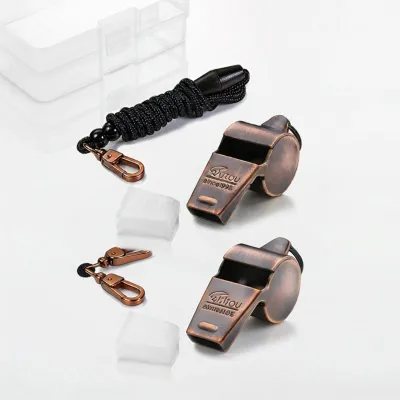
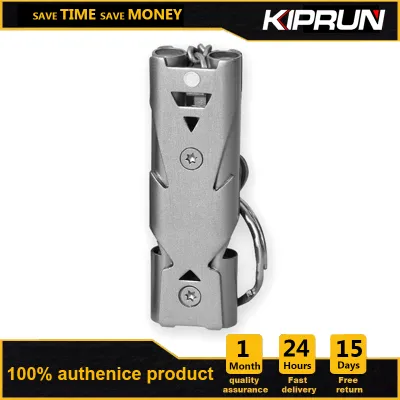
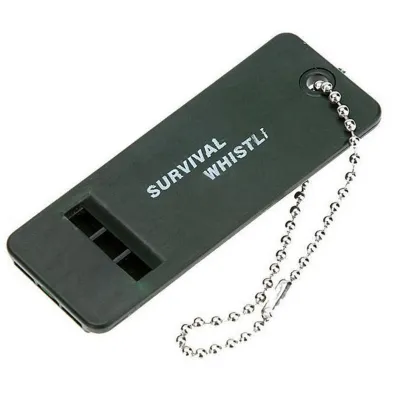
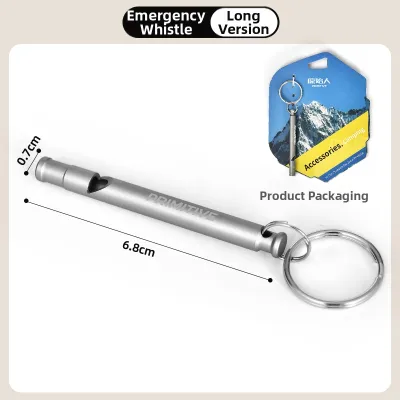
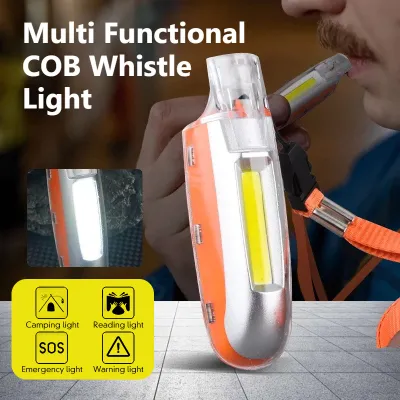
Prices are valid at publication and may change. Please refer to the product page for the latest price.
Weather resistance is paramount when training in tropical climates. High humidity, intense UV exposure from the afternoon sun, and sudden torrential downpours can rapidly degrade low-quality materials. The whistle must resist warping, cracking, and internal moisture buildup that could muffle the sound. It should also be easy to grip and blow even when the user’s hands are wet or slippery from sweat and rain.
Comparing Whistle Mechanisms for Emergency Reliability
The internal architecture of a whistle dictates how sound is generated and how the device performs under pressure. While many users assume all whistles function similarly, the choice between different internal designs can mean the difference between a clear, piercing alert and a silent, choked breath during a critical field emergency. Understanding these mechanical differences allows coaches and safety officers to make an informed choice based on the specific conditions of their training venue.

Evaluating Pealess and Pea Mechanisms
Traditional whistles utilize a small cork or plastic ball, known as a “pea,” inside a hollow chamber to create a trilling sound. While this design is common for casual recreational use, it introduces significant risks in outdoor emergency scenarios. The pea relies on free movement to fluctuate the airflow. If water, saliva, mud, or grass clippings enter the chamber during a wet training session on a muddy pitch, the pea can easily stick to the inner wall. This dampens or completely silences the whistle, rendering it useless when an immediate alert is required.
In contrast, pealess whistles use precisely engineered air chambers to split the airflow and generate sound. Because they have no moving parts, there is nothing to jam, freeze, or clog. When selecting a whistle for emergency use, verify the manufacturer’s specifications to ensure the chamber is self-clearing. A well-designed pealess whistle should allow water to drain instantly through the bottom or sides, ensuring that even if it is submerged or dropped in a puddle, it will sound clearly on the next blow. This makes the pealess design the industry standard for search and rescue, water safety, and outdoor sports training.
Assessing Multi-Chamber and High-Frequency Designs
For large outdoor sports complexes or remote training fields, a single-tone whistle may not carry far enough. Multi-chamber designs feature two or three distinct acoustic chambers tuned to different frequencies. When blown, these chambers produce a discordant, multi-tone sound that is highly jarring to the human ear. This harmonic clash makes the sound much easier to locate directionally, which is vital if emergency responders need to find your exact position on a vast field or in low-visibility conditions.
When evaluating these designs, check the product specifications for high-frequency output. High-frequency sounds cut through ambient environmental noise, such as howling wind or heavy tropical rain, much more effectively than low-frequency tones. However, keep in mind that high-frequency sounds can be directional; you must verify that the whistle projects sound in a wide arc rather than a narrow beam, ensuring coverage in all directions around the pitch. Look for models that specify an omnidirectional sound path to maximize safety.
Material and Build Considerations for Field Conditions
The material composition of your emergency whistle directly affects its durability and usability in the field. Metal whistles, often made of brass or stainless steel, are highly durable but present distinct drawbacks in tropical outdoor settings. Under the intense Philippine sun, metal can heat up rapidly, making it uncomfortable or even painful to hold against bare skin or lips. Conversely, high-strength polymers and plastics remain temperature-stable, are lightweight, and resist corrosion from sweat and humid air. While basic plastic whistles can be purchased for under ₱100 on an online marketplace, investing ₱300 to ₱800 in a professional-grade, high-impact polymer emergency whistle ensures long-term reliability when it matters most.
Carrying methods are equally important for ensuring the whistle is accessible within seconds. A whistle buried at the bottom of a gear bag is useless in an emergency. Look for whistles equipped with a secure lanyard attachment or a heavy-duty clip. The lanyard should feature a safety quick-release mechanism; this prevents the cord from becoming a choking hazard if it gets snagged on a goalpost, training ladder, or another player during active drills.
Finally, examine the mouthpiece design. A cushioned mouth grip made of thermoplastic elastomer provides a secure hold, allowing the user to blow hands-free while managing an injured player or directing traffic. It also protects the teeth during sudden movements. If the whistle is shared among coaching staff, ensure the material can withstand regular sanitization without degrading or releasing harmful chemicals.
Building an Emergency Signaling Protocol for the Pitch
Having the right equipment is only half the battle; your training staff and players must know how to use it effectively. Establish a clear, pre-agreed auditory signaling protocol before training sessions begin. For example, a single long blast might signal the end of a drill, while three short, rapid blasts indicate an immediate emergency requiring everyone to stop moving and look to the coach. Ensure these signals are practiced regularly so that the response is automatic, even during high-stress situations.
Routine inspections are vital to ensure the whistle remains in working order. Before every training session, inspect the whistle body for hairline cracks, which can allow air to escape and drastically reduce sound volume. Check the lanyard for fraying and ensure the quick-release clasp functions smoothly. If you notice any structural damage, replace the whistle immediately rather than attempting a temporary repair.
After training in heavy rain or on dusty fields, implement a strict cleaning routine. Rinse the whistle thoroughly under clean, running water to flush out any dirt, grass, or dried saliva from the internal chambers. Avoid using harsh chemical solvents that could damage the polymer; instead, use mild soap and water. Allow the whistle to air-dry completely in a shaded, well-ventilated area before storing it in your gear bag to prevent the growth of mold or mildew in the humid climate.
Frequently Asked Questions (FAQ)
Can a standard referee whistle be relied upon for emergency signaling?
Standard referee whistles are designed for game management on a controlled pitch and often feature a pea mechanism. While they work well for stopping play, they may lack the volume, frequency range, and environmental resilience required for true emergency signaling in harsh outdoor conditions. A dedicated emergency whistle is specifically engineered to produce a louder, more discordant sound that cuts through extreme weather and ambient noise, making it a much safer choice for emergency preparedness.
How should I inspect and clean my emergency whistle after training in heavy rain?
After a wet training session, visually inspect the internal chambers for any trapped debris, mud, or grass. Rinse the whistle under warm, clean tap water, shaking it gently to dislodge any blockages. Do not insert sharp objects like pins or wire into the chambers, as this can damage the internal acoustic walls. Let the whistle air-dry completely in a well-ventilated spot away from direct sunlight to preserve the integrity of the polymer and any rubber mouth grips.
Community discussion
Share your experience or ask a question. Comments are reviewed before publication.