
Deciding whether to wrap your knee in a cold ice pack or slip on a self-heating knee pad after a grueling workout depends entirely on the specific sensations you are experiencing. Applying the wrong thermal therapy can inadvertently prolong your recovery time or even worsen localized inflammation. As a general rule, acute injuries characterized by sudden pain and visible swelling require the immediate constricting power of cold therapy, whereas chronic stiffness, deep muscle aches, and general joint fatigue benefit far more from the circulation-boosting warmth of self-heating knee pads. By learning to read your body’s signals, you can select the appropriate recovery tool to support your joints safely.
Identify Your Knee Pain: Acute Injury vs. Muscle Stiffness
To make an informed decision, you must first assess the physical state of your knee joint immediately after exercise. An acute injury typically presents with sudden, sharp pain that occurs during a specific movement, such as a misstep during a trail run or a sudden twist on the basketball court. This is often accompanied by rapid, visible swelling, redness, and a distinct sensation of heat radiating directly from the joint. These signs indicate that your body has initiated an inflammatory response to tissue damage, which requires immediate attention to prevent further swelling.
Conversely, chronic knee discomfort and muscle fatigue manifest as a dull, persistent ache rather than a sharp stab. You might experience joint stiffness when trying to bend your leg after sitting, a general feeling of tightness around the kneecap, or delayed onset muscle soreness in the surrounding muscle groups a day or two after a heavy training session. This type of discomfort is usually related to muscle tension, minor tissue fatigue, or pre-existing joint wear rather than a sudden, structural tear.
Products mentioned in this guide
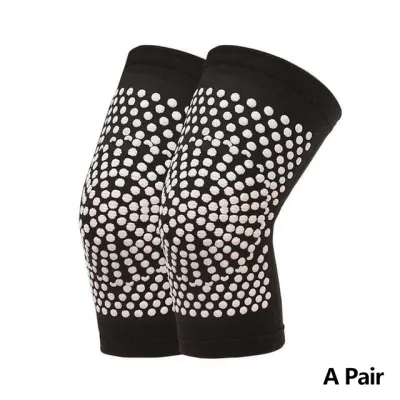
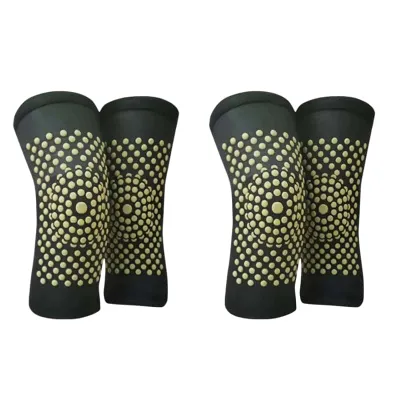
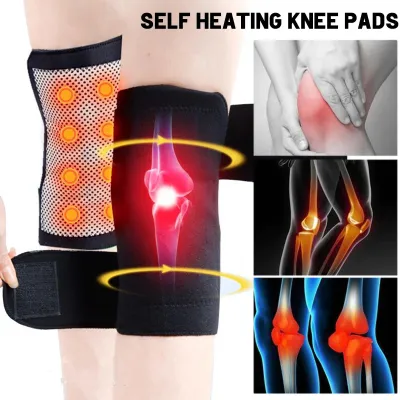
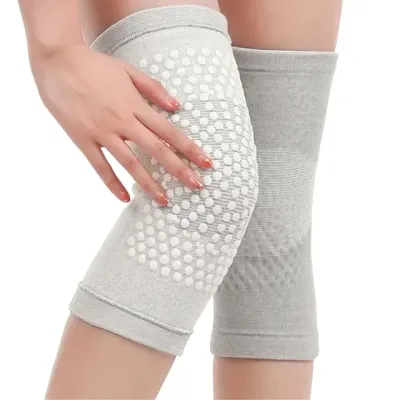
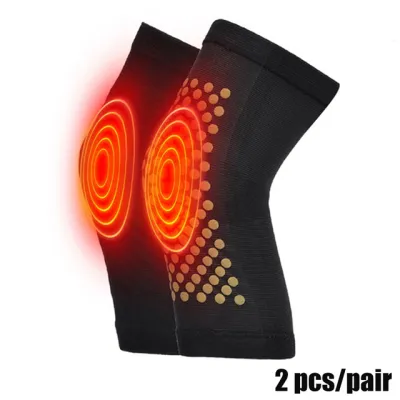
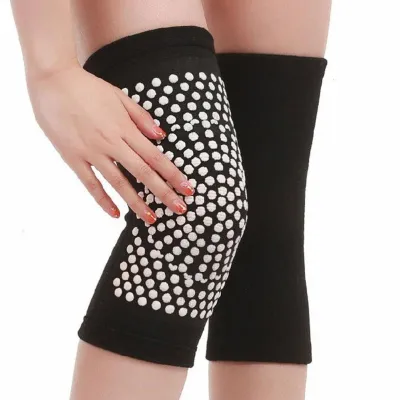
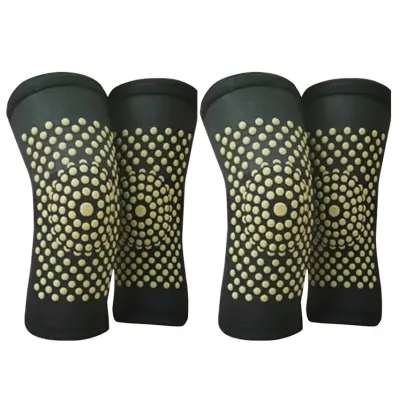
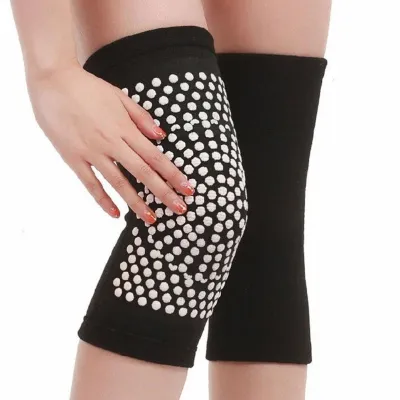
Prices are valid at publication and may change. Please refer to the product page for the latest price.
Applying heat to a fresh, swollen, or actively inflamed injury is a critical mistake that can delay your recovery. Because heat expands blood vessels and increases localized circulation, placing a self-heating pad on an actively inflamed joint will draw more fluid to the area, potentially worsening the swelling and intensifying your pain. Always ensure that any active swelling or heat radiating from the joint has completely subsided before introducing any form of heat therapy.
When to Reach for Ice Packs: Managing Swelling and Acute Pain
Cold therapy is your primary first-aid tool when dealing with acute post-workout inflammation or sudden joint trauma. If you finish a high-intensity workout and notice that your knee is puffy, tender to the touch, or throbbing, reaching for an ice pack is a highly effective immediate action. This approach is particularly relevant for high-impact sports where joints absorb repetitive shock, especially when training on hard surfaces or under humid tropical conditions in the Philippines that can exacerbate physical stress.

The primary mechanism of cold therapy lies in its ability to induce vasoconstriction, which is the narrowing of blood vessels in the targeted area. By reducing blood flow to the injured tissue, cold therapy helps limit the accumulation of excess fluid, thereby controlling swelling and localized inflammation. Additionally, the cold temperature temporarily slows down nerve conduction, which has a numbing effect that can significantly dull sharp, acute pain signals.
To protect your skin during cold therapy, you must always practice safe application methods. Never apply an ice pack or frozen gel wrap directly to bare skin, as this can cause tissue damage or localized frostbite. Instead, place a thin towel or a dedicated protective sleeve between the ice pack and your knee. Limit each cold session to a reasonable duration, typically checking your skin condition every few minutes, and remove the pack immediately if your skin becomes excessively red, numb, or painful.
When to Use Self-Heating Knee Pads: Relieving Stiffness and Tension
Self-heating knee pads serve as an excellent recovery tool when your goal is to relieve chronic joint stiffness, ease muscle tightness, and promote overall tissue relaxation after a demanding workout. If your knees feel stiff, heavy, or achy without any visible swelling or localized heat, gentle warmth can help restore comfort and mobility. These portable, air-activated or chemically heated pads are highly convenient for athletes who need targeted relief during travel, at the office, or while relaxing at home.
The therapeutic benefits of heat stem from its ability to cause vasodilation, which is the widening of blood vessels. This process enhances localized blood circulation, delivering essential oxygen and nutrients to fatigued muscles and connective tissues around the knee. The increased blood flow helps relax tense muscle fibers, improves the elasticity of tendons and ligaments, and temporarily increases joint flexibility, making it easier to perform daily movements or prepare for your next training session.
Because self-heating knee pads generate continuous warmth over several hours, you must carefully read and follow the manufacturer’s product labels before use. Different brands utilize varying activation methods, temperature limits, and maximum wear-time instructions. Verifying these specifications ensures that the pad does not exceed safe temperature thresholds for your skin, allowing you to enjoy the benefits of heat therapy without the risk of accidental burns.
Safety Limits and Red Flags: When to Stop and See a Doctor
While at-home thermal therapies are highly effective for managing minor post-workout discomfort, they are not suitable for every situation. You should avoid applying both heat and cold therapies to any areas of the body that suffer from numbness, poor circulation, sensory deficits, or open wounds. For instance, if you have scrapes or road rash from an outdoor fall, applying chemical heating pads or freezing ice packs directly over the broken skin can cause severe irritation or infection.
It is vital to establish clear stop conditions and monitor your body’s response to thermal treatments. Discontinue use immediately if you experience worsening pain, skin irritation, blistering, unusual discoloration, or if your knee symptoms do not show any signs of improvement after a few days of consistent home care. Relying solely on over-the-counter thermal products to mask persistent pain can lead to neglected injuries and long-term joint damage.
Ultimately, equipment and thermal wraps cannot replace professional medical judgment or proper physical conditioning. If you experience severe, persistent, or undiagnosed knee pain, or if you suspect a structural injury like a ligament tear, consult a doctor or a physical therapist. A qualified professional can provide an accurate diagnosis and design a comprehensive recovery plan tailored to your specific athletic needs.
Frequently Asked Questions (FAQ)
Can I alternate between ice packs and self-heating knee pads?
Yes, alternating between cold and heat therapy—often referred to as contrast therapy—can be beneficial during specific recovery phases, but it requires careful execution. Typically, athletes use cold therapy immediately after a workout to manage acute inflammation, and then transition to heat therapy a day or two later once the swelling has subsided to relieve residual muscle stiffness.
If you choose to alternate therapies within a shorter timeframe, you must wait for your skin to return to its normal baseline temperature between sessions. Applying a self-heating pad immediately after an ice pack, or vice versa, can shock the skin and increase the risk of tissue damage or thermal burns. Always consult a medical professional or physical therapist for personalized guidance before attempting contrast therapy for a specific joint injury.
Is it safe to wear self-heating knee pads overnight?
No, it is generally unsafe to wear self-heating knee pads while sleeping. When you are asleep, your body’s ability to perceive sensory discomfort is significantly reduced, meaning you may not feel a heating element becoming dangerously hot. This lack of awareness can easily lead to low-temperature burns, which occur when mild heat is applied to the skin for an extended, unmonitored period.
To prevent skin damage, you must strictly adhere to all manufacturer warnings regarding overnight or extended wear. If you require joint support or comfort during the night, consider safer alternatives such as standard compression sleeves. These sleeves provide gentle warmth and stability through insulation and compression without relying on active chemical or electrical heating elements.
Community discussion
Share your experience or ask a question. Comments are reviewed before publication.