
Choosing between the Shimano Stradic and the Daiwa BG for saltwater fishing in the Philippines comes down to a fundamental choice between lightweight precision and rugged, heavy-duty power. Neither reel is universally superior for every angler. The right choice depends on your specific target species, casting style, and maintenance routine in tropical marine environments.
Anglers who spend hours casting light lures along coastal reefs often prioritize lightweight casting precision to minimize fatigue. Conversely, those targeting powerful bottom-dwellers or fighting large pelagics from a boat may value raw cranking power and a highly rigid frame above all else. This decision framework helps you match the inherent design philosophy of each reel to your specific saltwater environment and target fish.
Because both of these product lines have evolved over multiple generations and include a wide range of sizes, exact performance characteristics, weights, and sealing technologies will vary. It is essential to verify the specific model year and size specifications on the manufacturer’s packaging or official website before making your final purchase.
Products mentioned in this guide
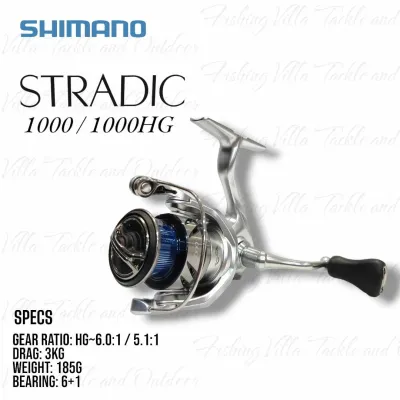
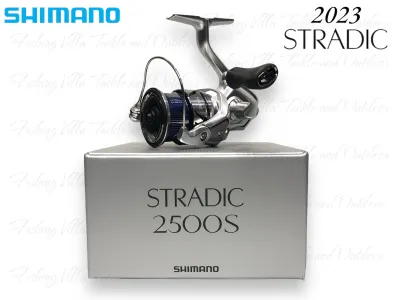
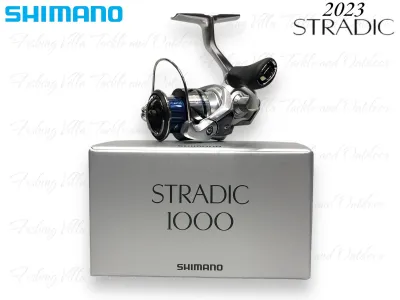
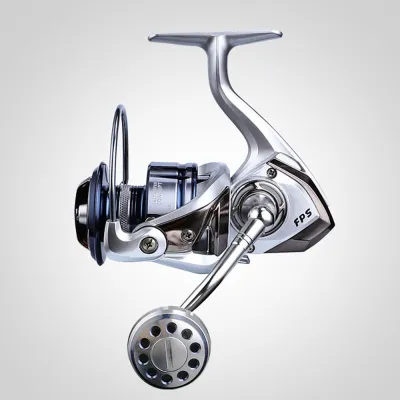
50 Lazada user ratings
Thank you very much seller for super fast delivery the item I bought.For anglers out there please try this ree l,it a second time I bought t…Read full reviewShow less
Thank you very much seller for super fast delivery the item I bought.For anglers out there please try this ree l,it a second time I bought the item with different size at this store,you won't regret a single cent went you bought this reel. Please try it, then you know what I mean. For seller thank you very much for introducing it to me👍👍👍 Cheap not mean no quality anglers 😂will order again next time👌
Smooth and reliable reel, Great value for the price, Strong and durable construction, Excellent drag system, High-speed performance, Perfect…Read full reviewShow less
Smooth and reliable reel, Great value for the price, Strong and durable construction, Excellent drag system, High-speed performance, Perfect size options for different needs, Versatile for all waters, Impressive gear ratio,
thnk u po seller ok nmn po cya dumating khit wala bubble rap buti wala damage thnk u thnk n advance merry xmas goodday n good health more or…Read full reviewShow less
thnk u po seller ok nmn po cya dumating khit wala bubble rap buti wala damage thnk u thnk n advance merry xmas goodday n good health more order moreImpressive gear ratio,
Not true brand. Delivered not Shimano Stradic but Accuretta 2000. Will report to Lazada this issue.
The item has arrived, it’s really great 👍
Prices are valid at publication and may change. Please refer to the product page for the latest price.
Understanding Design and Build Approaches
To make an informed choice, you must first understand the general engineering tendencies of both brands. Shimano and Daiwa approach reel construction with distinct philosophies, resulting in different on-the-water experiences. These differences affect how the reel feels in your hand, how it balances on your rod, and how it handles the extreme stress of saltwater fishing.
Shimano typically designs the Stradic line with a focus on smooth operation, weight reduction, and advanced internal sealing. Many generations of the Stradic utilize lightweight composite materials or specialized aluminum alloys in the body and rotor to keep the overall weight low. This design philosophy aims to deliver a highly sensitive, fluid retrieve that allows you to feel the subtle movements of your lure and the lightest bites from cautious fish.
Daiwa, on the other hand, has traditionally engineered the classic BG series as a robust, heavy-duty workhorse. The BG line is known for its rigid aluminum body and oversized drive gear, which prioritize structural strength and cranking torque over weight savings. This results in a slightly heavier reel that feels exceptionally solid and stable when you are pulling hard against a resisting fish.
These design choices directly impact physical fatigue during long casting sessions under the hot tropical sun. A lighter reel like the Stradic reduces strain on your wrist and forearm during repetitive casting. However, the heavier build of the BG can provide a more balanced feel when paired with longer, heavier saltwater rods designed for bait fishing or heavy jigging.
Drag systems also reflect these differing design approaches. You should check the specific drag washer materials on the exact models you are comparing. Many high-performance saltwater reels utilize carbon fiber drag washers to ensure smooth, consistent pressure during sudden, high-speed runs, which prevents the line from snapping under sudden tension.
Matching the Reel to Your Saltwater Scenario
Your primary fishing environment and target species in the Philippines should dictate which reel design is most suitable for your needs. The demands of shallow coastal flats are vastly different from those of deep offshore drop-offs or wave-battered rocky shores.

Inshore and Light Tackle
For inshore fishing in estuaries, mangrove channels, and shallow sandy flats, a lightweight and highly responsive reel is highly advantageous. When targeting species like snapper, grouper, or small trevally, you often need to make precise, repetitive casts toward structure such as mangrove roots or rock piles.
A lighter reel design allows for greater casting accuracy and better control over small lures, soft plastics, and light jigs. The smooth, fast retrieve typical of the Stradic series helps you quickly pick up slack line and keep your lure moving naturally through the water column. This agility is crucial when you need to react instantly to a strike and turn a fish away from sharp underwater obstacles.
Offshore and Heavy Duty
When you head into deeper offshore waters to target larger pelagic species like dorado, Spanish mackerel, or tuna, the requirements shift dramatically. Here, you need a reel that offers substantial line capacity, high maximum drag strength, and excellent cranking torque to handle long, grueling fights.
The robust construction and larger gear design of the Daiwa BG series make it highly suitable for these demanding offshore scenarios. The rigid aluminum frame prevents the body from flexing under heavy loads, ensuring that the internal gears remain perfectly aligned when you are winching a heavy fish up from the depths. This structural integrity translates directly into reliable pulling power when you need it most.
Surf and Rock Casting
Fishing from exposed rocky shores, cliffs, or sandy beaches presents some of the harshest conditions any fishing gear can face. Salt spray, wind-blown sand, and crashing waves can quickly find their way into a reel’s internal mechanism, leading to corrosion and gear failure.
In these environments, advanced sealing technology is critical for long-term survival. You must look for features like specialized rubber seals, labyrinth designs, or protective coatings that block water and debris from entering the gear gearbox and roller bearings. While some premium models offer highly advanced proprietary sealing systems, you should verify the exact level of water resistance provided by the specific model size you plan to use in high-exposure coastal areas.
Key Specifications to Verify Before Buying
Before finalizing your purchase at a local tackle shop or online marketplace, you should carefully compare several technical specifications on the product boxes or official spec sheets. These numbers will help you determine if a specific model size matches your rod and fishing style.
Gear Ratio and Retrieve Speed
Gear ratio determines how many times the spool rotates for every single turn of the handle. This is typically indicated by numbers such as 5.2:1, 6.0:1, or 6.2:1, often accompanied by labels like PG (Power Gear), HG (High Gear), or XG (Extra High Gear).
- High-Speed Ratios (HG/XG): These are ideal for retrieving lures quickly, working topwater poppers, or recovering line rapidly when a fish swims directly toward the boat.
- Lower Ratios (PG): These provide more mechanical advantage and cranking torque, making them highly suitable for deep jigging or pulling stubborn bottom fish out of their rocky hiding spots.
Line Capacity and Drag Power
Saltwater species in the Philippines are notoriously strong and fast, making line capacity and drag power critical safety margins. You must verify that the reel’s spool can hold an adequate length of your preferred line type, whether you use monofilament or braided PE line.
Check the manufacturer’s maximum drag rating, usually listed in kilograms or pounds. Ensure this rating aligns with the breaking strength of your line and the power rating of your fishing rod. A drag system that is too weak for your target species will result in long, uncontrollable runs, while an overly stiff drag on a light rod can lead to broken lines or damaged gear.
Bearings and Smoothness
While a high bearing count is often associated with a smoother feel, the quality and placement of those bearings are far more important than the sheer number. For saltwater applications, you must verify that the reel utilizes shielded or sealed stainless steel ball bearings.
These specialized bearings are designed to resist the corrosive effects of salt crust and moisture. Pay close attention to the bearing located in the line roller, as this component is constantly exposed to wet line during retrieves and is often the first part to show signs of corrosion or stiffness if not properly protected.
Maintenance Requirements for Saltwater Longevity
No matter which reel you choose, the warm, humid, and highly saline environment of the Philippines will accelerate corrosion if proper maintenance is neglected. Consistent post-trip care is the single most important factor in extending the lifespan of your saltwater spinning reel.
Immediately after every saltwater outing, you must rinse your reel with a gentle spray of clean, cool freshwater. Never use a high-pressure hose, as the force can push salt, sand, and water past the protective seals and directly into the internal gears. Keep the drag tightened during the rinse to prevent water from entering the drag stack, and loosen it completely afterward to allow the washers to dry without being compressed.
After rinsing, shake off excess water and wipe the reel down with a soft, dry cloth. Allow it to air dry completely in a shaded, well-ventilated indoor area away from direct sunlight. Periodically check key water intrusion points, such as the handle port and the line roller, and apply a drop of high-quality marine-grade oil or grease as recommended by the manufacturer.
Always consult the manufacturer’s instruction manual before attempting any deep disassembly. Many modern reels feature complex internal mechanisms or specialized sealing barriers that can be easily damaged or misaligned if opened without the proper tools and training. If you notice a gritty feeling or unusual noise during the retrieve, it is best to take the reel to an authorized service center for professional maintenance.
How to Make Your Final Decision
To choose the right reel for your next saltwater adventure, match your primary fishing style to the following conditional guidelines:
- Choose the Shimano Stradic if: You prefer a lightweight, highly sensitive setup for active, repetitive casting with lures, soft plastics, or light jigs, and you value a smooth, fluid retrieve that minimizes physical fatigue during long days on the water.
- Choose the Daiwa BG if: You require a rugged, heavy-duty reel with a highly rigid aluminum body and large gears that prioritize raw cranking power, durability, and structural strength for bait fishing, deep jigging, or fighting powerful offshore species.
- Verify first if: You have specific budget constraints, as prices can vary by several thousand Pesos (₱) depending on the model generation and size. Check local availability in Philippine tackle shops or trusted online marketplaces, and ensure the specific model year offers the exact sealing features you require.
Once you have selected the ideal reel, remember to pair it with a compatible saltwater rod. A well-balanced rod and reel combo ensures optimal casting distance, better sensitivity, and proper leverage when fighting strong fish, allowing you to make the most of your time on the water.
Frequently Asked Questions (FAQ)
Can I use either reel for both saltwater and freshwater fishing?
Yes, both the Shimano Stradic and the Daiwa BG can be used in both saltwater and freshwater environments. However, because saltwater is highly corrosive, you must perform a thorough freshwater rinse and drying routine immediately after every saltwater trip before using the reel in freshwater lakes or rivers. This prevents salt crystals from transferring to freshwater gear and protects the internal components from long-term corrosion.
Which reel size should I choose for general coastal fishing in the Philippines?
For general coastal, estuary, and light inshore fishing, reel sizes in the 2500 to 4000 range are typically the most versatile. A 2500 or 3000 size is excellent for light casting with braided lines, while a 4000 size offers additional line capacity and drag power for targeting larger species around reefs and structures. Always verify that the reel size you choose balances comfortably with the weight and action of your fishing rod.
Community discussion
Share your experience or ask a question. Comments are reviewed before publication.