
Shin pain is one of the most common setbacks for runners, often striking just as you build consistency or increase your weekly mileage. When that familiar, nagging ache develops along the front or inside of your lower leg, it is easy to feel frustrated and look for a quick fix. Many runners immediately reach for a leg splint support—such as a compression sleeve or wrap—hoping it will allow them to push through the discomfort. However, lower leg pain is not a one-size-fits-all issue. While a supportive sleeve can be a valuable tool for managing mild muscle strain, using it to mask a more severe injury can lead to long-term damage.
Determining whether your pain is a standard case of shin splints or a serious condition like a stress fracture is the critical first step before buying any gear. In tropical environments like the Philippines, where runners frequently train on hard concrete roads and high humidity can accelerate muscle fatigue, understanding your body’s signals is especially important. This guide will help you evaluate your symptoms, understand when a leg splint support is appropriate, and recognize the clear warning signs that mean it is time to skip self-treatment and schedule an appointment with a doctor.
Identifying Your Shin Pain: Common Shin Splints vs. Serious Injuries
To make an informed decision about your recovery, you must first analyze the specific characteristics of your discomfort. Common shin splints, medically known as medial tibial stress syndrome, involve inflammation of the muscles, tendons, and bone tissue around your tibia. In contrast, more severe injuries like stress fractures involve actual microscopic cracks in the bone itself. Distinguishing between the two requires paying close attention to the location of the pain, its timing, and how it responds to rest.
Products mentioned in this guide
![[Best Sellers]Fast delivery knee immobilizer splint leg brace 1pc black adjustable for women men marvelous](https://img.lazcdn.com/g/p/443b0f354d86ffcfc6eef288d4fcc73b.jpg_400x400q80.jpg_.webp)
![[Hot selling item]COD Knee Immobilizer Splint Leg Brace 1Pc Black Adjustable For Women Men Marvelous](https://img.lazcdn.com/g/p/3b78382b24a1d40fcd21b05c6634d374.jpg_400x400q80.jpg_.webp)
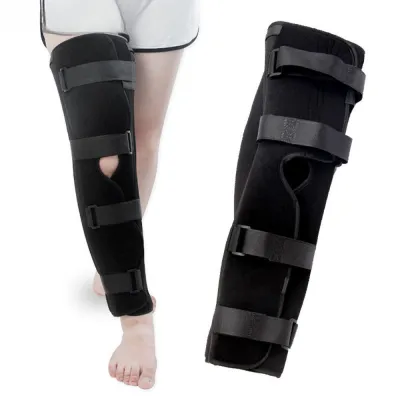
Prices are valid at publication and may change. Please refer to the product page for the latest price.
First, observe the exact location and spread of the pain. Shin splints typically present as a diffuse, generalized ache along the lower two-thirds of the inner edge of the shin bone. If you run your fingers along the inside of your shin, you will likely feel a broad area of tenderness rather than one specific point of intense pain. On the other hand, a stress fracture usually causes sharp, highly localized pain. If you can point to one exact spot on the bone—often less than the width of a small coin—that hurts intensely when pressed, this is a strong indicator of a bone injury rather than muscle strain.
Second, evaluate the timing of the pain during your runs. With typical shin splints, the discomfort often feels like a dull stiffness when you first start running, but it tends to warm up and fade as you continue your workout. The muscles loosen, and the pain becomes manageable until after you finish and cool down. Conversely, the pain from a stress fracture or severe bone strain behaves differently. It typically worsens progressively with every single step, becoming sharper and more debilitating as your run continues, forcing you to alter your stride or stop entirely.
Finally, monitor how your leg responds to rest. The aching from shin splints generally subsides relatively quickly once you stop running and sit down, leaving only a mild soreness. If you take a few days off, the pain may disappear entirely during daily walking. A serious injury, however, does not quiet down so easily. If your shin continues to throb hours after your run, hurts when you are simply relaxing on the couch, or wakes you up from sleep, your body is signaling a deeper structural issue that a simple compression sleeve cannot resolve.
When a Leg Splint Support Is the Right Choice
If your self-assessment points toward mild to moderate shin splints, a leg splint support can be a highly effective addition to your recovery toolkit. These products, which typically take the form of elastic compression sleeves, neoprene wraps, or targeted straps, work by applying external pressure to the lower leg. This compression helps stabilize the calf muscles and the connective tissues surrounding the tibia, significantly reducing the micro-vibrations that travel up your leg every time your foot strikes the hard ground.

A leg splint support is particularly beneficial during the transitional phases of your recovery. For instance, if you experience mild, generalized soreness during your daily activities or while standing for long periods, the gentle warmth and compression of a sleeve can improve local blood circulation and ease discomfort. Furthermore, when you are ready to begin a gradual, structured return to running, wearing a support can provide valuable physical feedback and psychological confidence. It serves as a physical reminder to maintain good form and avoid overstriding on hard surfaces.
However, it is vital to understand the strict limitations of this gear. A leg splint support is a symptom management tool, not a cure. It cannot repair damaged tissue, correct underlying biomechanical imbalances, or make up for a lack of physical conditioning. Relying solely on a brace to numb the pain so you can continue running high mileage is a dangerous strategy. Without proper rest, progressive load management, and targeted strengthening exercises for your calves and hips, the underlying strain will continue to accumulate, eventually bypassing the support and leading to a more severe injury.
Red Flags: Signs You Need to See a Doctor
While self-care and compression supports are suitable for mild muscle fatigue, certain symptoms demand immediate professional medical evaluation. Ignoring these red flags can turn a temporary setback into a chronic injury that sidelines you for months. If you experience any of the following warning signs, you should bypass retail supports and consult a sports medicine physician or physical therapist.
The first major red flag is persistent pain that occurs even when you are completely inactive. If your shin aches while you are sitting at your desk, throbs continuously throughout the evening, or disrupts your sleep, this is a clear indication of significant bone stress or inflammation. Healthy bone remodeling requires rest, and pain at rest suggests that the bone’s structural integrity is compromised.
Second, look for visible physical changes in your lower leg. While shin splints rarely cause noticeable external changes, more serious conditions often do. Inspect your shins in a well-lit room. If you observe localized swelling, redness, skin that feels hot to the touch, or a noticeable bump or irregularity along the shin bone, you need a professional assessment. These signs can point to a developing stress fracture, a localized infection, or even a vascular issue.
Finally, pay attention to severe functional impairment. If you cannot bear weight on your leg without a noticeable limp, or if walking across the room causes sharp pain, do not attempt to run or use a support sleeve. A simple diagnostic check is the single-leg hop test: if hopping on the affected leg causes immediate, sharp, localized pain in the shin, stop immediately. This level of functional limitation strongly suggests a stress fracture or compartment syndrome, both of which require diagnostic imaging, such as an X-ray or MRI, to determine the safe path forward.
Safe Self-Care Steps While You Decide
While you are evaluating your symptoms or waiting for a medical appointment, taking immediate, low-risk steps can help manage your pain and prevent further tissue damage. The first and most crucial step is basic activity modification. You must temporarily stop the high-impact activity that triggered the pain—specifically running on hard concrete or asphalt. Instead, maintain your cardiovascular fitness by switching to low-impact cross-training activities, such as swimming, aqua jogging, or stationary cycling, provided you can perform them completely pain-free.
Next, implement safe cold therapy and elevation to address acute inflammation. If your shin is sore after daily walking, apply a cold pack wrapped in a thin towel to the affected area for 15 to 20 minutes. Never apply ice directly to the skin, especially in humid tropical climates where skin can become easily irritated. Elevating your leg on a cushion while resting can also help minimize any minor fluid retention or swelling in the lower extremity.
Additionally, take this time to thoroughly inspect your running footwear. Many cases of shin pain are exacerbated by worn-out shoes that have lost their structural support and shock-absorbing capabilities. Examine the outsoles for uneven wear patterns, and check if the foam midsole feels excessively compressed or stiff. If your shoes have logged hundreds of kilometers on hard roads, they may no longer be protecting your limbs from impact forces. Upgrading your footwear or consulting a specialist for a professional gait analysis can make a profound difference in your long-term recovery.
Frequently Asked Questions (FAQ)
Can a leg splint support cure shin splints?
No, a leg splint support cannot cure shin splints. While a compression sleeve or wrap is excellent for reducing muscle vibration, increasing blood flow, and easing temporary discomfort, it does not address the root causes of the injury. True recovery requires a comprehensive approach that includes resting the affected tissues, gradually rebuilding your running mileage, strengthening your calf and hip muscles, and correcting any biomechanical issues in your stride.
How do I know if my running shoes are contributing to the pain?
Your running shoes may be contributing to your shin pain if they are worn out or do not match your foot structure. Inspect the midsoles for deep creases or a flat, lifeless feel when compressed. If you have run more than 500 to 800 kilometers in them, the cushioning has likely degraded. Additionally, look at the wear pattern on the soles; highly uneven wear on the inner or outer edges suggests that your feet may be overpronating or underpronating, which increases the torsional strain on your shins. If you suspect your shoes are the culprit, visiting a specialty running store for a gait analysis or investing in a fresh, properly fitted pair of running shoes is a highly recommended step.
Community discussion
Share your experience or ask a question. Comments are reviewed before publication.