
Selecting the right swim training fins is not about finding a single, universally superior design, but rather about matching the equipment to your specific athletic goals. If your primary objective is to refine your stroke mechanics, increase your kick cadence, and simulate the high-speed conditions of a competitive race, short-blade fins are your ideal training partner. Conversely, if you want to build deep muscular endurance, develop raw leg strength, and focus on a powerful hip-driven kick, long-blade fins provide the necessary resistance. Understanding how these two distinct designs alter your body position, muscle recruitment, and stroke rate is the first step toward optimizing your time in the pool.
In tropical training environments like the Philippines, where high humidity and warm pool temperatures can accelerate fatigue, choosing the right gear is crucial for maintaining workout quality. Swim training fins allow you to sustain a higher body position in the water even when your muscles begin to tire, making your yardage more productive. By selecting a blade length that aligns with your daily workout focus, you can avoid overtraining injuries while systematically addressing weaknesses in your kick.
How Blade Length Changes Your Kick Mechanics
The physical length of a swim fin directly dictates how much water the blade displaces with every upward and downward sweep of your legs. A longer blade presents a larger surface area, which dramatically increases hydrodynamic drag as you kick. This elevated resistance forces your lower body to work much harder to complete a single kick cycle, shifting the physical load from a rapid cardiovascular challenge to a heavy muscular workout.
Products mentioned in this guide
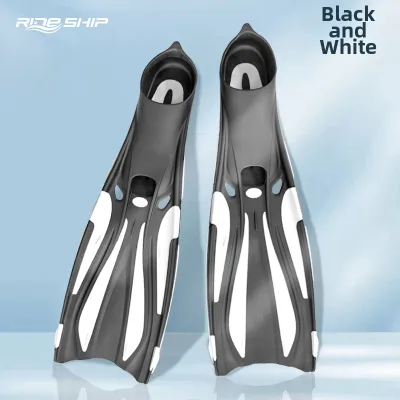
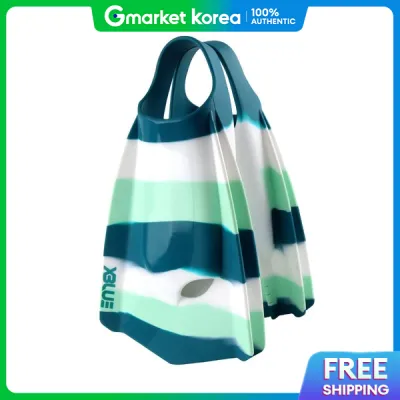
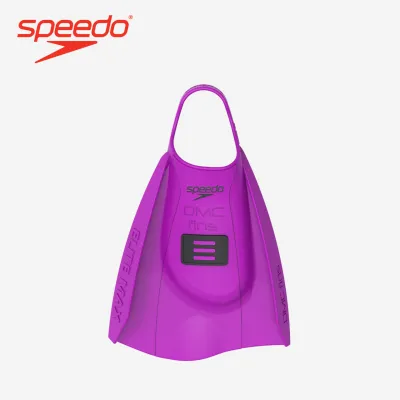
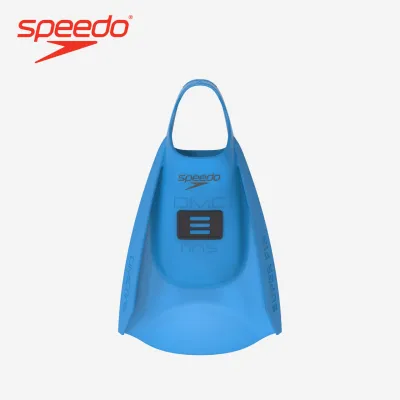
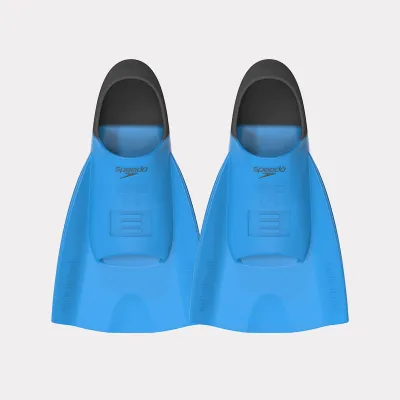
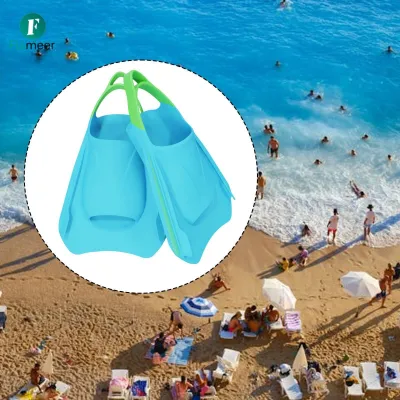
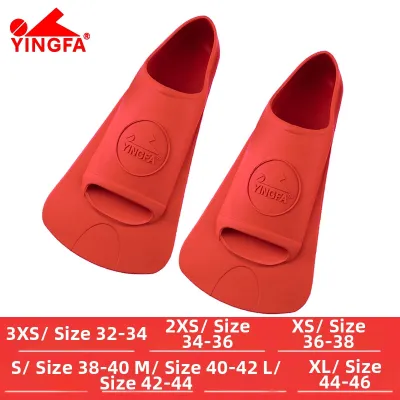
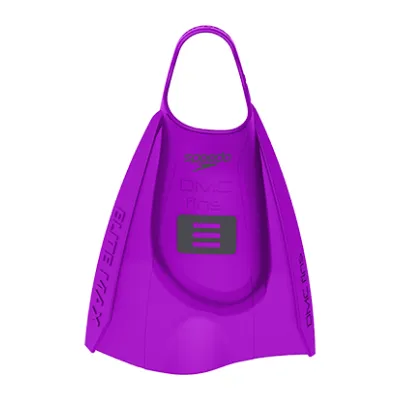
Prices are valid at publication and may change. Please refer to the product page for the latest price.
Because of this increased resistance, long-blade fins naturally slow down your kick frequency, or cadence. Your legs simply cannot move as quickly through the water when pushing a long, flexible surface. Instead, the mechanics shift toward a wider kick amplitude, meaning your legs move through a larger vertical range of motion. This slower, wider movement pattern emphasizes the downbeat and upbeat phases of the kick, forcing you to engage your core, lower back, and glutes to drive the motion from your hips rather than bending excessively at the knees.
Short-blade fins, on the other hand, minimize water displacement and closely replicate the drag profile of a bare foot. Because the resistance is low, you can maintain a high-frequency kick that matches your natural swimming cadence. This high-tempo movement prevents your legs from dropping too low in the water, helping you maintain a streamlined, horizontal body position. Instead of relying on massive muscular force, short blades recruit the fast-twitch muscle fibers in your calves and ankles, training your nervous system to sustain a rapid, compact kick that translates directly to faster unassisted swimming.
Short-Blade Fins for Technique and Sprint Speed
Short-blade swim training fins are specifically engineered to help swimmers develop a fast, efficient, and race-realistic kick. By offering just enough resistance to lift your hips to the surface without slowing down your legs, these fins allow you to practice technical drills at your actual target race pace. This makes them an invaluable tool for competitive swimmers, triathletes, and fitness lap swimmers who want to build muscle memory that directly transfers to swimming without fins.

One of the greatest technical benefits of short blades is their ability to improve ankle flexibility and foot positioning. To generate propulsion with a short blade, you must keep your ankles relaxed and pointed, mimicking a natural kicking motion. Because the blade is short, any technical flaws—such as bending your knees too much or “bicycling” your legs—are immediately apparent because you will lose forward momentum. This instant sensory feedback forces you to correct your posture, keeping your legs straight and your kick compact.
These fins are highly effective for high-intensity interval training (HIIT), sprint sets, and technical drill work. During a sprint set, short blades allow you to maintain a high stroke rate with your arms while keeping your legs moving at a matching, high-cadence tempo. This synchronization is critical for maintaining a balanced stroke. Additionally, when performing complex drills like single-arm freestyle or side-kicking, the subtle assist from a short blade keeps you moving forward fast enough to breathe comfortably without disrupting your body alignment.
Long-Blade Fins for Power and Leg Endurance
Long-blade fins serve as the strength-training weight room of the swimming world. By maximizing the surface area of your foot, these fins create immense leverage against the water, requiring significant muscular effort to move. This makes them highly effective for building raw power in your quadriceps, hamstrings, and glutes. Over time, training with this added resistance increases your cardiovascular capacity and muscular endurance, allowing you to sustain a strong kick over longer distances.
The deliberate slowing of your kick tempo when wearing long blades offers a unique technical advantage: it allows you to feel every phase of the kick cycle. Swimmers who struggle with a “flutter kick” that originates from the knees rather than the hips can use long blades to feel the resistance on the back of their legs during the upward sweep. This feedback encourages a deeper, more deliberate hip drive and forces the core muscles to stabilize the torso against the heavy resistance of the blades.
Beyond standard lap swimming, long-blade fins are highly useful for specific training modalities such as vertical kicking drills and deep-water running. In vertical kicking, where you maintain an upright position in the deep end of the pool, the extra surface area of a long blade provides the lift needed to keep your head above water while you focus entirely on a steady, rhythmic leg motion. It is important, however, to distinguish these flexible, rubberized swim-training long fins from the rigid, plastic, or carbon-fiber fins used for scuba diving or snorkeling, which are designed for slow, deep propulsion rather than active athletic conditioning.
Feature-by-Feature Training Comparison
To help you visualize how these two designs compare during a typical pool session, it is helpful to look at how they alter key training variables. The choice between them is rarely about which fin is better overall, but rather which set of physical demands matches your workout plan for the day.
- Kick Tempo and Cadence: Short-blade fins promote a high-frequency, compact kick that closely matches your natural swimming speed. Long-blade fins force a much slower, wider, and more deliberate kick tempo due to the high water resistance.
- Muscle Fatigue and Joint Stress: Short blades distribute fatigue relatively evenly across the lower leg, focusing on fast-twitch muscle endurance. Long blades place a heavy load on the larger muscle groups of the thighs and hips, but they can also place greater strain on the ankle joints if the ankles are not sufficiently flexible.
- Ankle Flexibility Requirements: Short blades require moderate ankle flexibility to achieve propulsion but are highly forgiving for beginners. Long blades demand excellent ankle flexibility to bend the long surface area of the blade; stiff ankles will cause the water to push back against your joints, leading to early fatigue or strain.
- Primary Training Adaptations: Short-blade fins target neuromuscular speed, race-pace conditioning, and stroke-kick synchronization. Long-blade fins target muscular hypertrophy, cardiovascular endurance, and hip-drive awareness.
How to Choose the Right Fins for Your Goals
Selecting the perfect pair of swim training fins requires a clear assessment of your current swimming abilities, physical limitations, and training objectives. If your primary goal is to improve your race times, refine your freestyle technique, or prepare for a triathlon, short-blade fins should be your primary choice. They will help you build the specific, high-cadence muscle memory you need when swimming unassisted on race day.
If you are focused on building leg strength, recovering from an upper-body injury that prevents you from using your arms, or practicing vertical kicking drills to build core stability, long-blade fins are the more appropriate tool. They are also highly beneficial for beginner swimmers who need extra buoyancy to keep their hips from sinking while they learn the basic mechanics of breathing and arm recovery.
Before making a purchase, it is essential to evaluate your physical health, particularly regarding your joints. If you have a history of ankle, knee, or hip issues, the heavy resistance of long-blade fins can easily aggravate these areas. In such cases, starting with a highly flexible, short-blade fin is a much safer way to build strength without overloading your joints. Furthermore, if you are looking for a single pair of fins to use for both structured pool workouts and recreational open-water snorkeling, neither specialized design may be perfectly suitable; pool fins are optimized for horizontal lap swimming and flip turns, whereas snorkeling fins are built for slow, sustained cruising in open water.
Sizing, Fit, and Safety Checks Before You Buy
To get the most out of your swim training fins and avoid painful foot injuries, you must ensure a proper fit. Never rely solely on your standard street shoe size when purchasing swim fins. Manufacturers often use proprietary sizing molds, so it is critical to measure your feet in centimeters and compare those measurements directly against the brand’s specific sizing chart before ordering from an online marketplace.
When trying on fins, pay close attention to the design of the foot pocket and the heel strap. The foot pocket should be made of soft, natural rubber that conforms to your foot shape without pinching your toes or squeezing the sides of your feet. A full-foot pocket generally offers a more secure fit and better energy transfer than an adjustable open-heel strap, which can sometimes dig into your Achilles tendon. The fit should be snug enough to prevent your heel from slipping out during a vigorous kick, but not so tight that it cuts off circulation or causes your toes to curl.
Before heading to the pool, inspect the stiffness rating of the blades if it is indicated on the product label or packaging. Beginners should opt for softer, more pliable materials that allow for easy flexing, while advanced swimmers with well-conditioned legs can opt for stiffer compounds to maximize resistance. Finally, always prioritize your physical safety during training. If you experience sharp, sudden pain in your ankles, knees, or arches while swimming with fins, stop using them immediately and consult a sports medical professional to prevent long-term joint or tendon damage.
Frequently Asked Questions (FAQ)
Can I use long snorkeling fins for pool swim training?
Using long, rigid snorkeling or diving fins for lap swimming in a pool is highly discouraged due to both safety and biomechanical risks. Snorkeling fins are typically made of stiff plastic designed for slow, deep kicks in open water, which can place immense, unnatural strain on your ankle and knee joints during the rapid, repetitive motions of lap swimming. Additionally, the extreme length of these fins makes executing flip turns or pushing off the pool wall highly awkward, increasing the risk of stubbing your toes, damaging the pool tiles, or cracking the fins themselves.
How should swim training fins fit to prevent blisters?
Swim training fins should fit snugly enough to prevent any shifting or rubbing, yet remain comfortable enough to wear for the duration of your workout. If the fin is too loose, your heel will slip up and down with every kick, creating friction that quickly leads to painful blisters. To prevent this, look for a fit that leaves no empty space in the toe box or heel while allowing you to wiggle your toes slightly. If you find yourself between sizes or experience minor rubbing, wearing a pair of thin neoprene swim socks can help fill any gaps, reduce friction, and protect your skin from blisters.
Community discussion
Share your experience or ask a question. Comments are reviewed before publication.