
A shot timer is one of the most critical tools for developing speed and accuracy in practical shooting. For beginners, the device’s primary job is to accurately detect the sound of gunfire and provide clear, immediate feedback. While advanced models offer a dizzying array of wireless features and data analytics, a novice shooter should focus on fundamental specifications: reliable audio detection, a highly readable display, and essential timing modes. Prioritizing these core functions ensures you invest in a tool that supports your foundational training without overcomplicating your range sessions.
Core Audio and Detection Specifications
In practical shooting, you will train in various environments, from open outdoor ranges to enclosed indoor bays. A shot timer must be able to distinguish your shots from those of adjacent shooters. Look for models that feature adjustable microphone sensitivity or adjustable gain settings. This allows you to turn down the sensitivity when shooting high-caliber firearms indoors to prevent echo triggers, or turn it up for low-caliber rimfire training outdoors.
Acoustic filtering is another key specification to verify. High-quality timers filter out background noise, such as range commands, steel target impacts, or echoes bouncing off concrete walls. When evaluating a timer, check the manufacturer’s documentation to see if the device has adjustable threshold levels. This adjustment prevents false triggers, ensuring that every recorded beep corresponds to an actual shot fired from your firearm.
Products mentioned in this guide
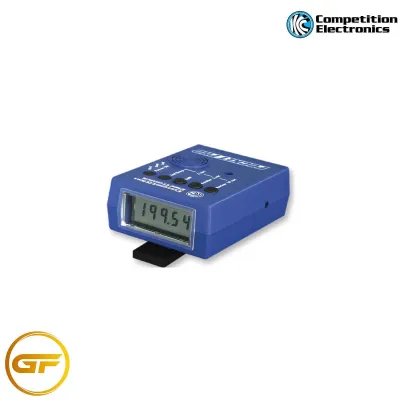
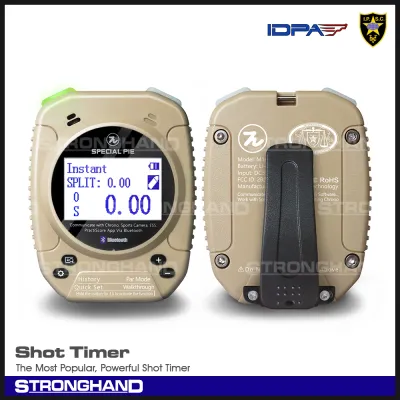
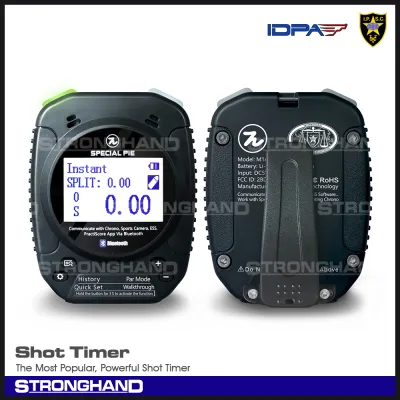
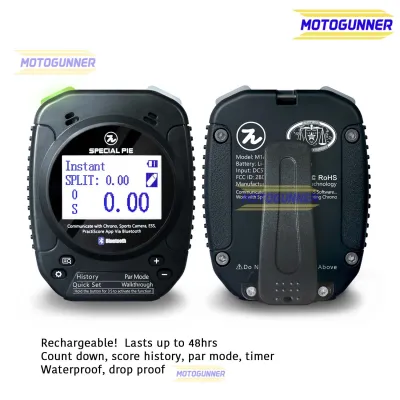
![[MNDL Store 2] CED 7000 SHOT TIMER / CED7000 TACTICAL TIMER CED BATTERY REPLACEMENT](https://img.lazcdn.com/g/p/697e2e7433be545e42d1c31681395a5c.jpg_400x400q80.jpg_.webp)
Prices are valid at publication and may change. Please refer to the product page for the latest price.
Display, Interface, and Usability
The physical interface of a shot timer directly impacts how easily you can use it under the pressure of a drill. The screen must be highly legible in all lighting conditions. In the bright, direct sunlight common at outdoor ranges in the Philippines, standard liquid crystal displays (LCDs) with high contrast or reflective screens perform exceptionally well. Conversely, if you frequently practice in dimly lit indoor bays, a screen with a clear, adjustable backlight is essential.

Button design is equally critical. When handling a firearm, your primary focus must remain on safety and muzzle control. You should be able to operate the timer’s main buttons blindly, relying on tactile feedback. Look for large, raised buttons with a distinct click that can be easily pressed even while wearing shooting gloves.
Consider the physical dimensions and mounting options. A bulky, heavy timer can be cumbersome during dynamic movement drills. Verify that the device includes a robust belt clip or a secure mounting point for a lanyard or range bag attachment, keeping it accessible but out of the way of your holster and magazine pouches.
Timing Modes and Memory Capacity
Beginners do not need complex programming, but two timing modes are non-negotiable: random delay and par time. A random delay start function is vital for solo practice. It introduces an unpredictable pause between your press of the start button and the actual beep, preventing you from anticipating the start signal and helping you build genuine reaction time.
Par time features allow you to set a secondary beep at a designated time limit. This is incredibly useful for measuring your speed against specific training goals, such as drawing from a holster or performing a reload within a set window.
When it comes to memory capacity, beginners only need enough onboard storage to review the split times of their most recent string of fire. While advanced competitors might require extensive memory to track long-term progress over hundreds of shots, a basic memory buffer that stores the last few strings is more than sufficient for a novice analyzing immediate performance.
Power Source and Build Durability
A shot timer must withstand the harsh realities of active range use. In tropical climates like the Philippines, high humidity, intense heat, and sudden rain showers are common. Check the manufacturer’s specifications for weather and dust resistance ratings. While few timers are fully waterproof, a splash-resistant housing is highly desirable for outdoor training.
Drop protection is another key factor. Look for ruggedized casings with rubberized edges or impact-resistant plastics that can survive an accidental drop onto gravel or concrete.
For the power source, consider the trade-offs between built-in rechargeable lithium-ion batteries and standard replaceable cells (such as 9V or AAA batteries). Rechargeable units save on long-term operating costs but require access to a power source if they die mid-session. Replaceable batteries offer the convenience of instant power restoration simply by swapping in a fresh set from your range bag, which is often preferred for long training days far from an electrical outlet.
Features Beginners Can Safely Ignore
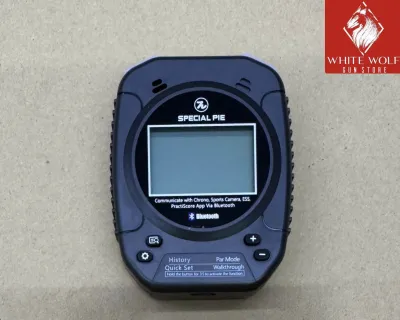
It is easy to get distracted by premium features that drive up the price of a shot timer without adding value to your early training. Bluetooth connectivity and companion mobile apps are prime examples. While syncing your shot data to a smartphone or cloud platform is convenient for advanced data tracking, it is entirely unnecessary for mastering basic shooting fundamentals.
Similarly, advanced split-time analysis, multi-target zone recognition, and highly complex programmable custom strings are designed for high-level competitors. As a beginner, your focus should be on consistent grip, sight alignment, and trigger control. Paying extra for a device that attempts to analyze complex stage runs will only clutter your interface and distract you from the basics.
Frequently Asked Questions (FAQ)
Can I use a smartphone app instead of a dedicated shot timer?
While smartphone apps are inexpensive, they are generally unsuitable for live-fire practical shooting. Phone microphones are designed to capture voice, not the extreme acoustic pressure of gunfire, leading to missed shots or false triggers from background noise. Furthermore, handling an expensive personal smartphone on a hot, dusty range poses a high risk of damage, and looking down at a screen can distract you from maintaining safe muzzle direction. Equipment cannot replace proper range safety protocols and focused training.
Is a shot timer necessary for dry fire practice?
Yes, a shot timer is highly beneficial for dry fire practice, particularly when utilizing the par time function. Setting a par time allows you to practice draws, presentation, and reloads in a safe, unloaded environment while receiving an audible cue to keep your movements honest. If a dedicated timer is out of your budget initially, a simple visual or audible metronome can serve as a basic alternative for rhythm training, but it cannot replace the precise feedback of a par-time beep.
Community discussion
Share your experience or ask a question. Comments are reviewed before publication.