
Finding space for dedicated fitness equipment in a compact condominium in the Philippines can be a major challenge. With urban studio and one-bedroom units often ranging from 20 to 35 square meters, traditional cardio machines like treadmills or elliptical trainers are simply too bulky to be practical. Side steppers for exercise offer an excellent, space-saving alternative that delivers an effective cardiovascular workout without dominating your limited floor area. These compact machines mimic the lateral motion of ice skating or skiing, engaging the glutes, thighs, and core while keeping your physical footprint to an absolute minimum. However, selecting the right model requires balancing physical dimensions, noise control, and durability under tropical conditions.
To make an informed decision, you must evaluate how a side stepper fits into your daily routine and your living space. Unlike a commercial gym, a condo environment demands equipment that can be easily stored, operates quietly enough to respect your neighbors, and withstands the high humidity characteristic of the local climate. By focusing on key design elements, structural stability, and maintenance requirements, you can establish a highly effective home workout setup that fits seamlessly into your condo lifestyle.
Key Features to Look for in Compact Side Steppers
When shopping for side steppers for exercise, the physical footprint is the most critical factor to analyze. Do not rely solely on the manufacturer’s static base measurements; you must compare these dimensions with the actual floor space where you plan to use the machine. A stepper might have a compact base of 40 by 40 centimeters, but during operation, your body will sway laterally, and your feet may extend slightly beyond the frame. Measure your designated workout corner carefully, ensuring there is at least half a meter of clear space on all sides to prevent your limbs or shoulders from bumping into walls, shelves, or delicate home decor.
Products mentioned in this guide
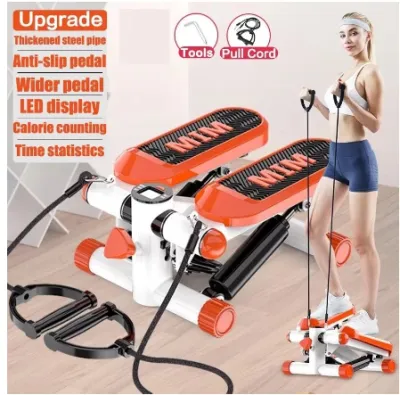
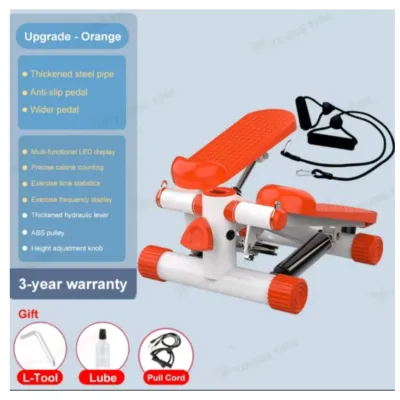
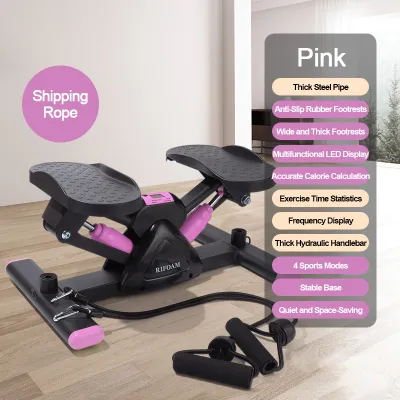
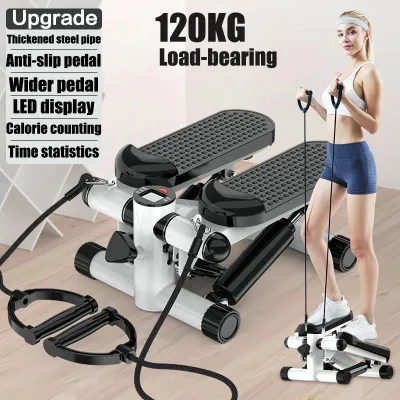
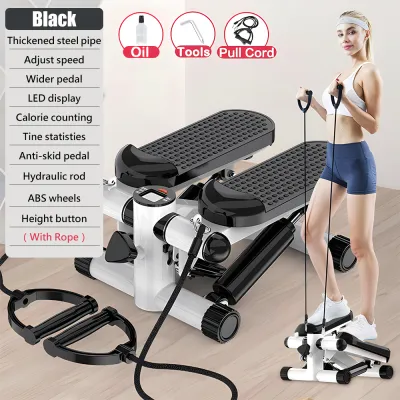
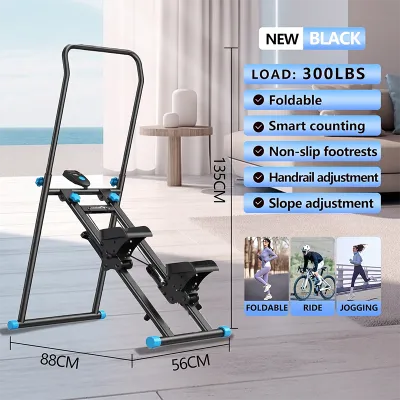
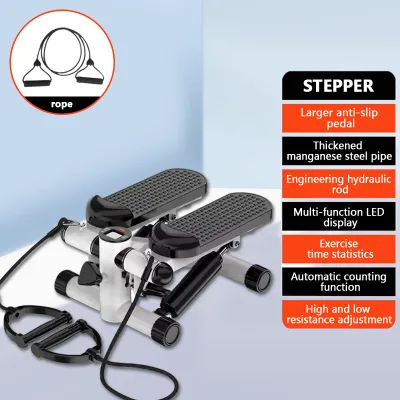
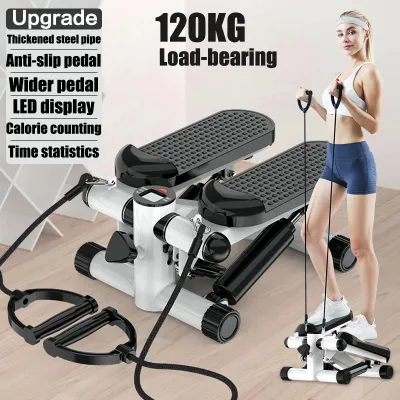
Prices are valid at publication and may change. Please refer to the product page for the latest price.
The trade-off between machine weight and structural stability is another vital consideration. A lighter stepper, weighing under 6 kilograms, is highly portable and easy to lift, making it convenient to move from a closet to the living room. However, lightweight machines often lack the structural mass required to remain planted during vigorous, high-cadence workouts. If you step with high intensity, a light machine may slide across polished porcelain tiles or wobble, compromising your balance. Conversely, a heavier stepper weighing 8 to 10 kilograms offers a much more stable and secure platform, but it requires more physical effort to relocate. Look for models equipped with wide, rubberized stabilizer caps on the base frame, which help grip the floor and prevent sliding regardless of the machine’s weight.
Handlebar designs significantly impact both your workout safety and your storage options. Side steppers generally fall into three categories: fixed handlebars, detachable handlebars, or completely handle-less designs. Fixed handlebars provide excellent physical support, making them highly suitable for beginners, active seniors, or anyone working on lower-body rehabilitation. However, the permanent vertical frame means you cannot slide the machine under a bed or into a low shelf. Detachable handlebars offer a middle ground, allowing you to assemble the support frame for your workout and remove it for storage, though this adds preparation time to your routine. Handle-less mini steppers are the ultimate space-savers, easily sliding into a narrow closet or under a standard sofa, but they demand superior core strength and balance since you have no physical frame to hold onto during exercise.
Managing Noise and Floor Impact in Condo Living
Living in a multi-story condominium means sharing floors and ceilings with neighbors, making noise management a top priority for any home gym setup. The primary source of noise in a side stepper is the hydraulic cylinder mechanism. As you step, fluid is forced through internal valves to create resistance, which generates heat and friction. Over time, or during extended workout sessions, this friction can lead to high-pitched squeaking, clicking, or grinding noises. Before purchasing, check user feedback regarding long-term mechanical noise and inspect the cylinder design to ensure the seals are robust and the joints are well-lubricated.

Even if the stepper’s hydraulic cylinders operate quietly, the downward impact of your feet can transmit low-frequency vibrations directly through the floor. This structural noise can easily travel through concrete slabs and disturb the residents living directly below you. To mitigate this, you should always place your side stepper on a high-density equipment mat. Standard yoga mats are typically too soft and thin; they will compress completely under the concentrated weight of the machine and your body, failing to absorb the impact. Instead, opt for a dense rubber or heavy-duty EVA foam mat at least 6 to 10 millimeters thick. This mat not only dampens acoustic transfer but also protects delicate condo flooring, such as laminate, engineered wood, or polished tiles, from scratches, pressure dents, and sweat stains.
It is important to approach manufacturer noise-reduction claims with a degree of skepticism. A machine advertised as “whisper-quiet” may indeed perform silently under light loads, but real-world sound levels are highly dependent on user weight, stepping speed, and the underlying floor material. A heavier user stepping at a rapid cadence will naturally exert more force, causing the hydraulic fluid to heat up faster and potentially increasing mechanical noise. Furthermore, hollow wooden floors or loft structures will amplify vibrations much more than solid concrete floors. Regular maintenance, including applying a high-quality silicone lubricant to the pivot joints and keeping the cylinder shafts clean, is essential to keep your workouts neighbor-friendly over the lifespan of the machine.
Matching Stepper Types to Your Space and Fitness Goals
Selecting the right side stepper requires matching the machine’s mechanical design to your specific fitness objectives and the physical constraints of your condo. Standard hydraulic models are the most common and rely on fluid-filled cylinders to provide resistance. While highly effective for steady-state cardio, these cylinders have physical heat dissipation limits. If you plan to perform long, continuous cardio sessions exceeding 20 to 30 minutes, the hydraulic fluid can overheat, causing the resistance to drop significantly and potentially damaging the seals. If your workout area is a confined, poorly ventilated corner of your condo, this heat buildup can happen even faster. Ensure your workout space has adequate air circulation, perhaps from a nearby electric fan or air conditioning unit, to help cool the cylinders during use.
If you are considering a handle-less mini stepper to maximize your floor space, you must honestly evaluate your own balance and coordination capabilities. Operating a handle-less stepper requires constant core engagement to maintain an upright posture. Before committing to this style, verify that your intended workout area is completely clear of sharp furniture edges, glass coffee tables, or low TV consoles. In the event of a sudden loss of balance, you must have a clear zone to step off the machine safely without risking a collision. If you are new to lateral stepping exercises, it is highly recommended to position the handle-less stepper near a sturdy wall or the back of a heavy sofa during your first few sessions so you can easily steady yourself if needed.
Many compact side steppers come equipped with resistance band attachments, allowing you to engage your upper body with bicep curls, lateral raises, or shoulder presses while stepping. While this offers a highly efficient full-body workout, you must measure your ceiling height before performing overhead movements. In condos with low ceilings or dropped soffits for air conditioning ducts, pulling resistance bands fully upward can lead to your hands or the bands striking light fixtures, ceiling fans, or sprinkler heads. Additionally, always inspect the band anchor points on the stepper’s base frame. Ensure the metal loops or plastic clips are structurally sound and free of cracks, as a failing anchor point under high tension poses a significant snapping hazard.
Pre-Purchase Checklist and Specification Verification
To ensure your chosen side stepper is safe, functional, and suitable for your specific condo layout, complete this verification checklist before finalizing your purchase:
- Space and Clearance Check: Measure your available floor space and compare it against the manufacturer's listed assembled dimensions. Add at least 50 centimeters of clearance on all sides of the machine to accommodate lateral body sway, leg movement, and handlebar width.
- Ceiling Height Verification: If you plan to use a model with resistance bands or if you are particularly tall, measure the vertical clearance from your floor to the lowest ceiling fixture. Ensure you can stand fully upright on the stepper's highest pedal position without risk of head contact.
- Warranty Coverage Review: Carefully read the warranty terms provided by the seller or manufacturer. Verify if the warranty explicitly covers hydraulic cylinder leaks, joint wear, and structural frame welds for at least six months. Avoid models that offer no warranty or cover only "manufacturer defects" without defining specific mechanical parts.
- Return Policy Confirmation: Bulky fitness equipment can be expensive and logistically challenging to return. Confirm the online marketplace's or retailer's return policy, paying close attention to who covers the return shipping fees in ₱. Ensure you can return the product if the real-world noise level or physical footprint proves entirely unsuitable for your condo unit.
Frequently Asked Questions (FAQ)
Can I use a side stepper on a condo balcony?
Using a side stepper on a condo balcony is possible, but it requires strict adherence to environmental and safety precautions. The high ambient humidity and salt air common in many regions of the Philippines can rapidly accelerate rust on steel frames and degrade the rubber seals of hydraulic cylinders. Direct exposure to intense tropical sunlight can also cause plastic pedals and components to become brittle over time. If you choose to exercise on your balcony, always store the stepper indoors immediately after your workout to protect it from sudden rain showers and humidity. Additionally, verify your balcony’s weight capacity and ensure the machine’s base does not block emergency escape routes, fire exits, or drainage pathways.
How do I maintain hydraulic cylinders in a humid climate?
To maintain hydraulic cylinders in a humid, tropical environment, you must perform regular visual inspections and basic cleaning. After every workout, use a clean, dry microfiber cloth to thoroughly wipe down the entire machine, removing sweat and condensation which can cause rapid surface corrosion. Inspect the cylinder shafts regularly for any signs of fluid weeping, oily residue, or unusual stiffness during operation. If you notice the stepping motion becoming jerky or uneven, the internal seals may be wearing out. Applying a thin layer of high-quality silicone lubricant to the pivot joints and moving parts every few weeks will help repel moisture, prevent rust, and maintain smooth, quiet operation.
Are side steppers effective for high-intensity cardio?
Side steppers are highly effective for moderate-intensity cardiovascular exercise, but they have limitations when it comes to sustained high-intensity training. Because they rely on hydraulic resistance, they are designed primarily for steady-state aerobic workouts that elevate your heart rate into fat-burning zones. To achieve a true high-intensity interval training (HIIT) effect, you should combine stepper intervals with bodyweight exercises. For example, you can perform two minutes of rapid stepping at maximum resistance, immediately step off the machine to perform a set of push-ups, planks, or air squats on your equipment mat, and then return to the stepper. This combination allows you to maximize your caloric burn and cardiovascular conditioning within a very compact space.
Community discussion
Share your experience or ask a question. Comments are reviewed before publication.