
Choosing the right signal light for your fishing boat depends on your vessel’s size, propulsion method, and where you plan to fish. For small, non-motorized craft like kayaks, a single elevated white light is often the baseline requirement, while motorized boats require a combination of red and green sidelights alongside a white sternlight or all-around light. Having the correct setup ensures you remain visible to other boaters, helping prevent collisions during night fishing trips or in low-visibility tropical weather. However, safety equipment cannot replace training, preparation, and sound judgment. Before heading out, always check local weather forecasts, ensure you are carrying personal flotation devices (PFDs), and avoid navigating in severe tropical storms or heavy swells.
Understanding Basic Navigation Light Categories
Navigating the water after sunset requires a clear understanding of how other vessels perceive your boat. Marine signal lights are not designed to illuminate your path like car headlights; instead, they communicate your boat’s size, heading, and operational status to prevent collisions.
When your boat is moving under motorized power, it must display a specific combination of lights. This typically includes red and green sidelights to indicate your port (left) and starboard (right) sides, along with a white masthead light and a white sternlight. If your vessel is under 12 meters in length, these white lights can often be combined into a single all-around white light that is visible from all directions.
Products mentioned in this guide
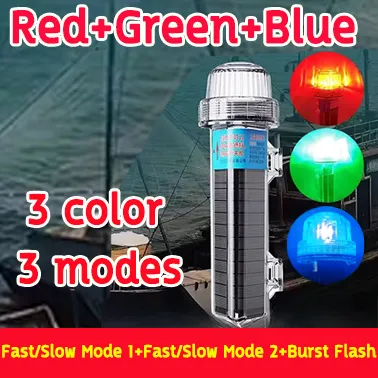
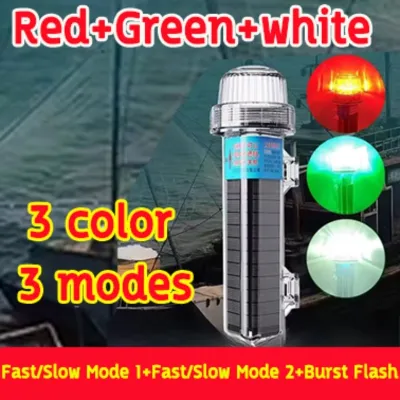
![[24h Ship]Solar Mark Beacon Light Gillnet Fishing Net Sign Light Marine Signal Light Buoy Light Mesh Label Marine Fishing Emblem Lights Boat With Signal Light Strobe Automatic Light Control Navigation Lights For Boats](https://img.lazcdn.com/g/p/4cbf56d14a830865a29f663583221faa.jpg_400x400q80.jpg_.webp)
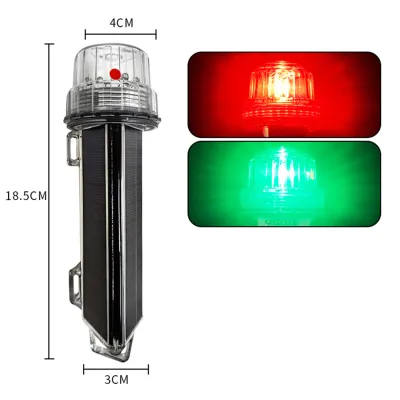
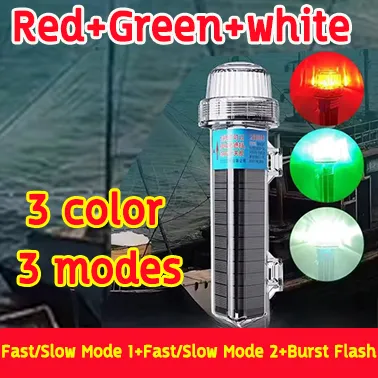
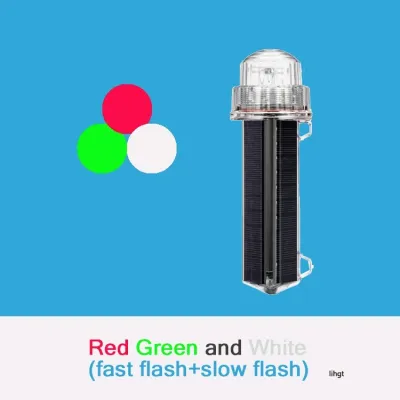
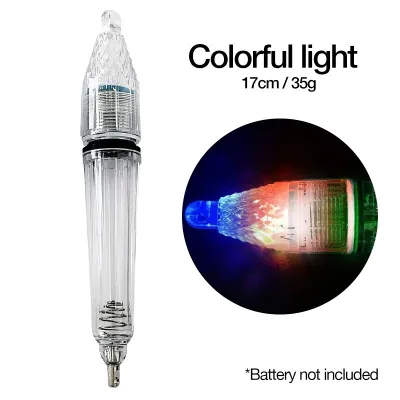
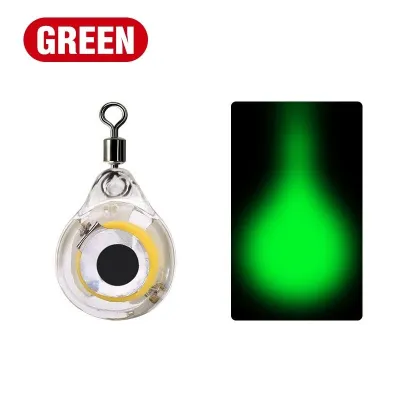
Prices are valid at publication and may change. Please refer to the product page for the latest price.
For vessels moving under paddle or sail, such as kayaks, canoes, or traditional non-motorized outriggers, the requirements are simpler but no less critical. Because these boats move slowly and sit low in the water, they must at least have an electric torch or lighted lantern showing a white light which must be exhibited in sufficient time to prevent collision.
When your fishing boat is stationary and anchored outside a designated anchoring area, you must display an all-around white anchor light. This light must be placed where it can be seen from any direction, warning other boaters that your vessel is stationary and cannot quickly maneuver out of the way.
Because maritime regulations can vary based on the exact length of your vessel and where you plan to fish, always verify the specific visibility distance, intensity, and placement rules with local Philippines maritime authorities, such as the Philippine Coast Guard (PCG) or the Maritime Industry Authority (MARINA). Local municipal ordinances may also dictate additional safety gear for night fishing in municipal waters.
Matching Signal Lights to Your Specific Boat Type
The physical structure and material of your fishing boat dictate how you should mount and power your signal lights. A setup that works perfectly on a rigid fiberglass hull will not translate directly to a portable inflatable boat or a narrow kayak.

For kayaks and canoes, portability and water resistance are your primary concerns. Because these vessels sit extremely low in the water, standard deck-mounted lights are easily obscured by waves or your own body. Opt for a 360-degree white light mounted on a tall, flexible, or telescopic pole that extends well above your head when seated. Look for waterproof, battery-operated LED units that can be securely attached to your kayak’s gear tracks or accessory mounts. Additionally, wearing a small, clip-on safety light on your personal flotation device (PFD) provides an extra layer of personal visibility if you are separated from your craft.
Inflatable boats present unique mounting challenges because you cannot drill screws into the inflatable tubes. To avoid damaging the fabric, look for non-destructive mounting solutions. Heavy-duty suction cup mounts can secure lightweight LED lights to smooth surfaces, while specialized glue-on accessory pads allow you to attach rigid light poles directly to the pontoon material. Alternatively, you can utilize transom-mounted brackets to secure your sternlight or all-around light to the rigid wooden or fiberglass transom at the back of the boat. Portable, battery-operated lights are ideal here, as they eliminate the need to run complex electrical wiring along a collapsible hull.
Small motorized boats, including rigid-hull utility boats and motorized outriggers (bancas), are best suited for permanent, hardwired lighting systems. These vessels typically have a 12-volt marine battery system that can reliably power your navigation lights throughout the night. A combination red and green bow light mounted at the front of the vessel simplifies installation by housing both sidelights in a single fixture. For the white all-around or masthead light, ensure the pole is tall enough to clear any bimini tops, outboard motors, or fishing rod holders that could block its visibility from astern or the sides.
Adapting Your Setup for Different Fishing Scenarios
Your choice of signal lights should also reflect the specific environments where you fish and the local water traffic you expect to encounter.
When night fishing in open coastal waters, you face larger swells, stronger currents, and faster-moving commercial vessels. In these high-exposure environments, maximizing your visibility range is paramount. Ensure your lights meet or exceed standard visibility requirements so that larger vessels can spot you from a safe distance. It is also wise to carry redundant backup lights and a signaling whistle, as sudden tropical squalls can drastically reduce visibility in a matter of minutes. Conversely, if you are fishing in sheltered bays or calm estuaries, traffic may be lighter and slower, but you must still remain visible to other local anglers navigating shallow channels.
Anchored fishing over deep reefs or artificial fish shelters (payao) requires strict adherence to anchor light rules. Because you are stationary, passing boats assume you will not move to avoid them. A dedicated, elevated 360-degree white light must remain illuminated the entire time you are anchored. Never rely solely on deck work lights or headlamps for this purpose, as they do not provide the uniform, all-around visibility required to prevent collisions from all angles.
Navigating narrow channels, busy rivers, or crowded marinas demands precise sidelight alignment. Other boaters rely on the distinct red and green colors to determine your direction of travel and establish right-of-way. If your sidelights are misaligned or obscured by gear, another operator might misjudge your heading. Furthermore, position your lights to minimize interior glare on your own deck. Bright light bouncing off your bow or windshield can severely impair your night vision, making it difficult to spot unlit hazards, shallow sandbars, or floating debris in the water.
Essential Features to Verify Before Purchasing
Before purchasing any signal light for your fishing boat, verify that its technical specifications and build quality are suited for the harsh marine environment.
- Waterproof Ratings and Materials: Look for lights with high waterproof ratings, such as IP67 or IP68, which indicate the unit can handle heavy rain, waves, or temporary submersion. Ensure the housing is constructed from UV-resistant plastics and marine-grade stainless steel or anodized aluminum to prevent rapid corrosion from saltwater and high tropical humidity.
- Power Source and Reliability: Compare the convenience of battery-operated units against the reliability of hardwired 12V systems. Battery-powered LED lights offer excellent portability for small craft, but you must verify their continuous runtime specifications. For motorized boats, hardwiring your lights to a dedicated marine battery ensures a constant power supply, though you should install marine-grade wiring and waterproof switches to prevent short circuits.
- Mounting Mechanisms: Match the mounting hardware to your boat's construction. Verify whether the light requires permanent screw mounts, temporary clamps, suction cups, or specialized track mounts. The connection must be secure enough to withstand vibrations from your motor, rough chop, and accidental bumps from fishing rods.
- Certification Marks: Check the product packaging or manufacturer specifications for recognized maritime safety certifications, such as USCG (United States Coast Guard) approval or compliance with international COLREGs (International Regulations for Preventing Collisions at Sea). These certifications guarantee that the light emits the correct color spectrum, intensity, and arc of visibility required by law.
Frequently Asked Questions (FAQ)
Can I use a regular flashlight instead of a certified navigation light?
No, a standard flashlight cannot legally or safely replace a certified navigation light. Certified marine lights are engineered to project light at precise horizontal and vertical angles, ensuring they are visible from specific distances and directions as required by maritime safety standards. A regular flashlight lacks these calibrated lenses, often projecting a narrow beam that is invisible to boats approaching from the side or rear. Relying on a flashlight increases your risk of collision and can result in fines from maritime authorities during safety inspections.
How do I prevent my battery-powered signal light from dying during a long night fishing trip?
To ensure your portable lights last the entire trip, always start with fresh or fully charged batteries before launching. Carry a complete set of spare batteries sealed in a waterproof dry bag, or utilize rechargeable LED lights compatible with a high-capacity, waterproof power bank. Before heading out, conduct a runtime test at home by leaving the light on continuously to verify how many hours of bright, usable light it actually delivers. If you plan to fish through the night, consider bringing a secondary, independent backup light as a safety precaution.
Community discussion
Share your experience or ask a question. Comments are reviewed before publication.