
Deciding whether to use a patella knee brace often comes down to identifying where your knee hurts and what activities trigger that discomfort. If you experience a dull ache directly around or just below your kneecap during physical activity, a supportive brace can help you stay active. However, these braces are specialized tools designed for specific mechanical issues rather than general joint pain.
Understanding your symptoms is the first step toward finding relief. In tropical climates like the Philippines, where outdoor activities, basketball, and running are popular year-round, managing knee discomfort effectively is essential for maintaining an active lifestyle. This guide will help you assess your knee pain, understand how a patella brace works, and determine if it is the right solution for your needs.
Understanding What a Patella Knee Brace Actually Does
A patella knee brace is engineered to address issues related to the kneecap (patella) and its supporting tendon. Unlike heavy, rigid braces designed to immobilize the entire joint after a major injury, a patella brace focuses on tracking and localized pressure. It helps keep the kneecap aligned in its natural groove as your knee bends and straightens.
Products mentioned in this guide
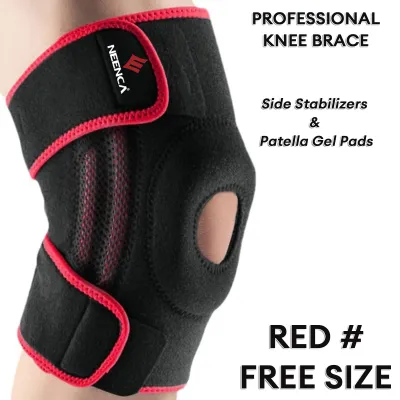
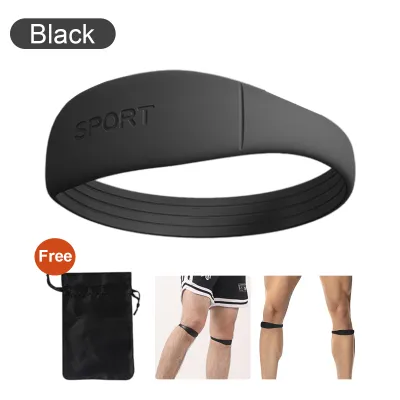
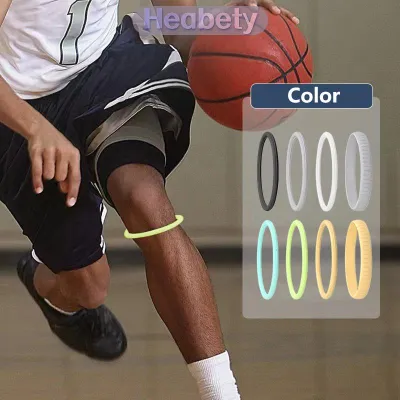
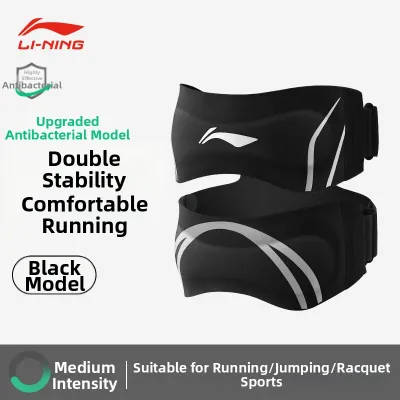
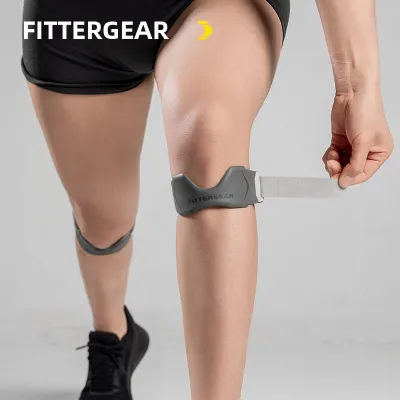
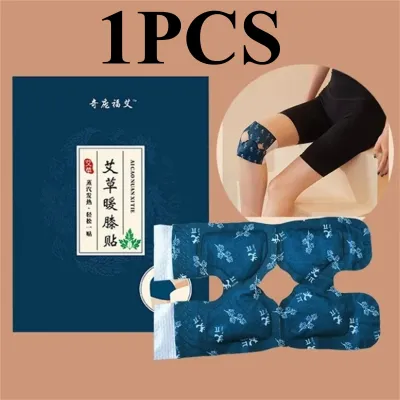
Prices are valid at publication and may change. Please refer to the product page for the latest price.
The primary mechanism of these braces is targeted compression. By applying pressure to the patellar tendon just below the kneecap, or surrounding the patella with a supportive ring, the brace alters how forces are distributed across the joint. This redistribution can significantly reduce the mechanical strain placed on vulnerable tissues during movement.
It is important to recognize that a brace is a supportive aid rather than a cure. While it can effectively manage symptoms and allow you to exercise with less discomfort, it does not repair torn ligaments or rebuild worn cartilage. It should be viewed as one component of a broader recovery plan that includes rest and targeted exercises.
Key Signs Your Knee Pain Might Require a Patella Brace
Identifying the exact nature of your discomfort helps determine if a patella brace is appropriate. One of the most common signs is pain localized directly below the kneecap, particularly in the patellar tendon area. This discomfort often flares up during or immediately after activities that involve repetitive bending and impact.

If you notice that your knee hurts more when descending stairs, walking down steep ramps, or running on hard pavement, your kneecap may be experiencing tracking issues. Repetitive impact activities place high demands on the patellofemoral joint. When the kneecap does not glide smoothly, the surrounding tissues can become irritated and inflamed.
Another indicator is a sensation of mild instability, clicking, or a “grinding” feeling under the kneecap during movement. This grinding, often felt when transitioning from a squat to a standing position, can suggest that the cartilage behind the kneecap is experiencing uneven friction. If this occurs without severe swelling, a tracking brace may offer the necessary alignment support.
These symptoms are frequently associated with common activity-related patterns, such as runner’s knee or jumper’s knee. While these terms describe general patterns of overuse rather than formal medical diagnoses, they highlight the specific types of strain that a patella brace is designed to alleviate. If your active lifestyle matches these patterns, a brace may help you manage the associated discomfort.
When a Patella Brace Is Not the Right Solution
While a patella brace is highly effective for tracking issues and mild tendon strain, there are several situations where using one is inappropriate or even counterproductive. Recognizing these red flags is crucial for preventing further damage to your joint.
Severe acute injuries require immediate medical attention rather than self-treatment with a brace. If you experienced a sudden pop, felt your knee give way completely, or noticed rapid, massive swelling immediately after an incident, these are signs of potential ligament or meniscus tears. A simple patella brace cannot stabilize a structurally compromised joint.
The location of your pain also dictates whether a patella brace will help. If your pain is concentrated on the inner or outer sides of your knee, or deep within the joint space itself, a patella-focused brace will not target the source of the issue. Side-to-side instability typically requires a structured brace with lateral hinges or dual-side stabilizers.
Mechanical symptoms such as the knee locking in place, catching, or being unable to fully straighten indicate internal joint issues that a brace cannot resolve. If you experience any of these severe symptoms, you should stop all aggravating physical activities immediately. Consult a qualified healthcare professional to obtain an accurate diagnosis and a safe treatment plan.
How to Evaluate Your Need: A Step-by-Step Self-Check
To help you decide on the best course of action, you can perform a simple, step-by-step self-assessment of your knee discomfort. This process will help clarify whether a patella brace is a suitable option or if you need professional medical evaluation.
Step 1: Pinpoint the exact location of your pain. Sit with your leg extended and gently press around the edges of your kneecap and directly on the tendon below it. If the tenderness is concentrated right on the tendon or around the kneecap border, and worsens when you bend your knee under load, a patella brace may be beneficial.
Step 2: Assess the severity and timing of the discomfort. Note whether the pain only occurs during physical activity or if it persists when you are completely at rest. Pain that keeps you awake at night or does not subside after several days of rest suggests a more serious issue that a brace alone cannot address.
Step 3: Test your basic, unloaded mobility. While sitting, slowly straighten and bend your knee through its full range of motion. Pay attention to any sharp pain, mechanical blocking, or severe stiffness. If your joint moves smoothly but aches slightly, it is more likely to respond well to light, external support.
Step 4: Determine your next steps based on your findings. If your pain is mild, occurs primarily during specific activities, and passes the mobility checks, trying a patella brace is a reasonable next step. If you experience severe pain, constant swelling, or mechanical locking, bypass the brace and schedule an appointment with a doctor.
Choosing the Right Support If You Decide to Buy
If your self-assessment indicates that a patella brace is appropriate, you will need to choose the style that best matches your activity level and comfort preferences. The two most common designs offer different levels of coverage and restriction.
Patella straps, or tendon bands, are narrow strips that wrap tightly just below the kneecap. They are designed to apply targeted pressure to the patellar tendon, reducing the vibration and load transmitted to the joint. Because they cover very little skin, they are highly breathable and ideal for high-mobility sports in hot, humid weather.
Patella sleeves are elastic or neoprene sleeves that slide over the knee and feature a circular cutout for the kneecap. This design provides generalized compression, retains therapeutic warmth, and uses a built-in gel ring or padded insert to keep the kneecap centered. Sleeves offer a more secure, stable feeling but can feel warmer during intense workouts.
When selecting a brace, look for key features such as adjustable tension straps, breathable moisture-wicking fabrics, and non-slip silicone grips to keep the brace from sliding down during movement. Always measure your leg carefully according to the manufacturer’s sizing guide before ordering from online marketplaces, as a poorly fitting brace can restrict circulation or fail to provide adequate support.
Frequently Asked Questions (FAQ)
Can I wear a patella knee brace all day?
A patella knee brace is generally designed to be worn during physical activities or specific tasks that trigger your symptoms. Wearing a brace continuously throughout the day, especially while resting or sitting for long periods, is not recommended. Overusing a brace can restrict local circulation and cause your supporting muscles to become reliant on external support, potentially weakening them over time. It is best to wear the brace during active periods and remove it when you are resting.
Will a patella brace fix my runner's knee permanently?
A patella brace is a supportive tool that manages symptoms and reduces joint stress during movement, but it does not permanently cure the underlying causes of runner’s knee. Long-term recovery typically requires addressing biomechanical issues, such as muscle imbalances, weak hips, or poor running form. To achieve lasting relief, combine the temporary support of a brace with a targeted program of strengthening and flexibility exercises, ideally guided by a physical therapist.
Community discussion
Share your experience or ask a question. Comments are reviewed before publication.