
Choosing the right swimming cap for women depends primarily on your swimming goals, hair type, and comfort preferences. Whether you are training for a triathlon, doing laps in an air-conditioned indoor pool, or lounging at a beach resort, the material of your cap plays a decisive role in how well your hair is protected and how comfortable you feel in the water.
While many swimmers purchase a cap hoping to keep their hair completely dry, it is important to understand that no swimming cap is 100% waterproof. Instead, a swimming cap for women serves to reduce water exposure, shield your scalp from harsh pool chemicals like chlorine, minimize drag, and keep your hair securely out of your face. Selecting the ideal material—silicone, latex, or fabric—requires balancing your personal hair-care needs with your typical swimming environment.
Quick Guide: Choosing the Right Swimming Cap Material
To help you make an immediate decision, here is a quick summary of how the three primary swimming cap materials compare in terms of performance, protection, and comfort:
Products mentioned in this guide



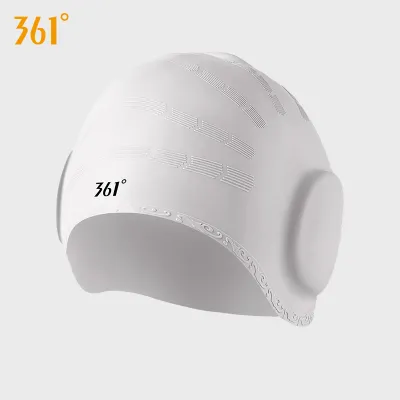
Prices are valid at publication and may change. Please refer to the product page for the latest price.
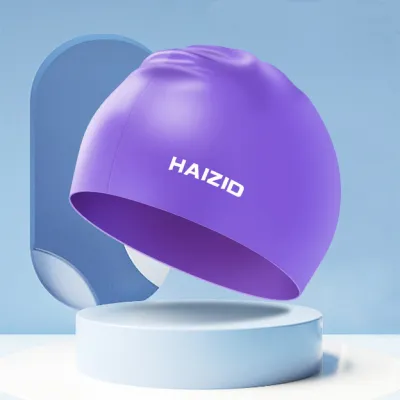
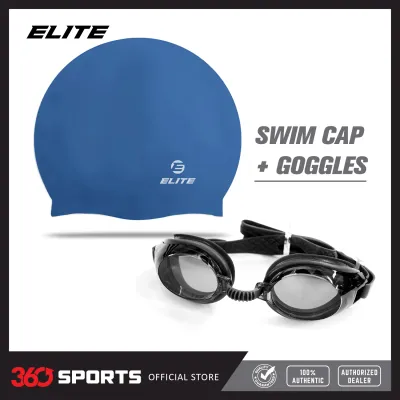
- Silicone Caps: These are the most popular choice for regular fitness swimmers. They offer excellent durability, a thick physical barrier against chlorine, and a smooth texture that minimizes hair pulling. They are highly recommended for protecting color-treated or fragile hair.
- Latex Caps: These are ultra-thin, highly elastic, and lightweight. They provide a very tight, hydrodynamic fit, making them the traditional favorite for competitive racers and high-performance lap swimmers. However, they are prone to tearing and can pull dry hair during removal.
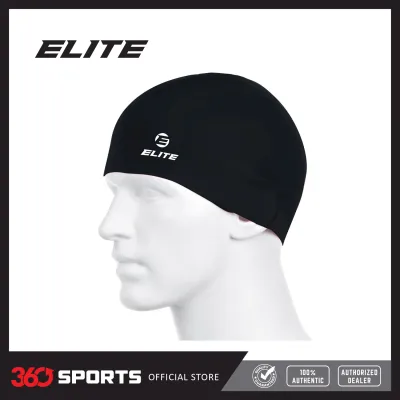
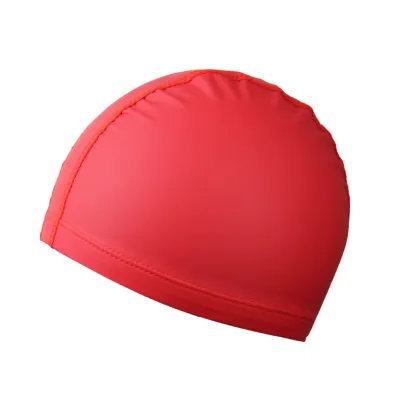
- Fabric and Lycra Caps: Made from soft, swimsuit-like textiles, these caps offer maximum breathability and comfort. They do not pull the hair at all and are incredibly easy to put on, but they are completely porous and offer zero protection against water or pool chemicals.
Ultimately, your choice should align with your routine. If your main goal is preserving your hair health, silicone is the standard recommendation. If you prioritize speed and a low-profile fit, latex is highly effective. If you simply want to keep hair out of your eyes during casual water aerobics without any head squeeze, fabric is your best option.
Silicone Caps: Best for Hair Protection and Durability
Silicone has become the industry standard for recreational and fitness swimmers alike, primarily due to its superior material properties. Made from a thick, highly flexible polymer, silicone caps are engineered to stretch significantly without losing their original shape. This elasticity allows them to accommodate a wide range of head sizes and hair volumes while maintaining a secure fit.

When it comes to water resistance, silicone provides a formidable barrier. Because the material is completely non-porous, it prevents the vast majority of pool water from directly contacting your hair. This is particularly beneficial for protecting your scalp and hair shafts from the drying effects of chlorine and saltwater. While some water will inevitably seep in around the edges of the cap, a snug silicone cap keeps the bulk of your hair remarkably dry compared to other materials.
Comfort is another major advantage of silicone. The interior surface of a silicone cap is smooth and slightly slippery, allowing it to glide over your hair during application and removal. This significantly reduces the painful pulling, snagging, and breakage that often occur with high-friction materials. For women with delicate, fine, or easily damaged hair, this gentle glide is a crucial feature.
In terms of durability, silicone is highly resilient. It is highly resistant to degradation from chlorine, saltwater, and ozone, meaning a single cap can last for years with proper care. It does not easily puncture or tear when stretched, making it a reliable investment. In the Philippine market, high-quality silicone caps generally range from ₱300 to ₱800, representing excellent long-term value.
One environmental factor to keep in mind is the thermal property of silicone. Because silicone is thick and insulating, it retains body heat very effectively. If you swim in air-conditioned indoor pools or during cooler mornings, this heat retention keeps you comfortable. However, if you are swimming vigorously in outdoor pools under the intense tropical sun, a silicone cap can sometimes feel quite warm, which may prompt you to seek a more breathable alternative.
Latex Caps: Lightweight Fit for Speed and Fitness
Latex caps are the classic choice for competitive swimming. Constructed from thin sheets of natural rubber, these caps are incredibly lightweight and stretch to form a very tight, second-skin fit over the head. This tight profile minimizes wrinkles and air pockets, creating a highly hydrodynamic surface that reduces drag in the water.
For competitive lap swimmers and triathletes, the secure grip of latex is a major benefit. Once in place, a latex cap rarely shifts or slides, even during powerful flip turns or high-speed dives. Because they are so thin, they also allow heat to escape from the scalp much more easily than silicone, making them a popular choice for intense workouts in warm outdoor pools.
However, the lightweight nature of latex comes with distinct trade-offs in durability. Latex is fragile compared to silicone and is highly susceptible to tearing from sharp fingernails, hairpins, or overstretching. It also degrades more rapidly when exposed to pool chemicals, body oils, and UV radiation, meaning these caps must be replaced more frequently. On the positive side, they are highly affordable, often priced between ₱150 and ₱300, allowing swimmers to keep several spares on hand.
Another drawback is the high friction coefficient of natural rubber. Latex tends to stick to dry hair, which can cause significant pulling, tangling, and discomfort when putting the cap on or taking it off. To mitigate this, manufacturers often coat the interior of latex caps with a fine talcum powder, but this powder washes off over time, requiring users to reapply it or wet their hair before wearing the cap.
Safety and Health Warning: Because latex is a natural rubber product, it can trigger allergic reactions. If you have sensitive skin, eczema, or a known latex allergy, you should avoid latex caps entirely. Always check the manufacturer’s product label to verify the material composition, and opt for silicone or pure fabric alternatives to prevent contact dermatitis or systemic allergic responses.
Fabric and Lycra Caps: Breathable Comfort for Casual Swimmers
Fabric swimming caps are typically manufactured from knitted synthetic blends, such as polyester, nylon, and Lycra (spandex). These are the same materials used to make high-quality swimsuits, giving the caps a soft, fabric-like texture that conforms gently to the shape of your head without excessive compression.
The primary benefit of a fabric cap is unmatched comfort. Because they do not rely on rubber or silicone tension to stay in place, they do not squeeze the head or cause the tension headaches that some swimmers experience with tighter caps. They slip on and off effortlessly, making them an excellent choice for individuals who find traditional caps difficult to manage. Furthermore, they do not pull or snag hair, preserving fragile strands completely.
However, fabric caps have a major limitation: they are completely porous. Water flows freely through the knit fibers, meaning your hair will become fully saturated almost immediately upon entering the water. Consequently, fabric caps offer zero protection against chlorine, saltwater, or the sun’s UV rays. They also do not keep hair dry, making them unsuitable for anyone looking to protect expensive salon treatments, hair color, or blowouts.
Given these limitations, fabric caps are best suited for specific, low-impact activities. They are ideal for water aerobics, water therapy, casual wading, or lounging in resort pools where swimming underwater is not the main focus. They are also highly effective for keeping hair securely out of your face and eyes, and for complying with public pool hygiene regulations that require all swimmers to cover their hair to prevent filter clogging.
How to Match Cap Material to Your Hair Type and Routine
To choose the best swimming cap for women, you must evaluate how your specific hair texture and swimming habits interact with each material.
Adapting to Long, Thick, or Curly Hair
If you have long, thick, or highly textured curly hair (such as type 3 or type 4 curls), a standard swimming cap can feel incredibly restrictive, often slipping off mid-swim or causing intense pressure around your forehead. For these hair types, standard latex caps should generally be avoided, as they lack the vertical volume required to house thick hair and are highly likely to tear under the tension.
Instead, look for specialized silicone caps designed specifically for long or voluminous hair. These caps feature an elongated dome shape or extra space at the back to accommodate braids, locs, or thick buns without stretching the opening of the cap to its breaking point. The high elasticity of silicone ensures that the cap stays secure around your hairline while giving your hair room to sit naturally without being crushed.
Protecting Color-Treated or Chemically Processed Hair
Chemical treatments, such as bleaching, balayage, relaxing, or keratin treatments, leave the hair shaft highly porous and vulnerable to chemical damage. When chlorinated water penetrates these compromised strands, it can strip away moisture, cause extreme brittleness, and even alter your hair color (such as turning blonde hair green due to oxidized copper in the water).
To protect chemically treated hair, you need the most robust physical barrier possible, which is a high-quality silicone cap. To maximize this protection, many swimmers use the “double-capping” technique. First, apply a leave-in conditioner or clean tap water to your hair, then put on a soft fabric or Lycra cap. Finally, stretch a tight silicone cap directly over the fabric cap. The fabric layer cushions your hair and prevents the silicone from pulling on your fragile strands, while the outer silicone layer seals out the chlorinated pool water.
Choosing by Swimming Scenario
To help you visualize which material fits your lifestyle, the table below maps each option to common swimming scenarios and performance metrics:
| Material | Best For | Hair Protection Level | Comfort & Fit | Durability | Recommended Scenario |
|---|---|---|---|---|---|
| Silicone | Hair protection, regular fitness, long-term durability | High (Excellent chemical barrier, keeps hair mostly dry) | Comfortable (Snug but smooth, minimal hair pulling) | High (Resists tearing and chemical wear) | Daily lap swimming, indoor pools, protecting treated hair |
| Latex | Competitive training, speed, low-drag performance | Moderate (Waterproof material but prone to edge leaks) | Tight & Grippy (Can pull hair, very secure fit) | Low (Tears easily, degrades in UV/chlorine) | Competitive swim meets, triathlon training, warm outdoor pools |
| Fabric / Lycra | Casual swimming, water aerobics, maximum comfort | None (Completely porous, hair gets fully wet) | Very High (Soft, breathable, zero head squeeze) | Moderate (Resists tearing but can stretch out over time) | Water aerobics, resort lounging, complying with pool hygiene rules |
Caring for Your Swimming Cap in a Humid, Tropical Climate
In a warm and highly humid environment like the Philippines, proper maintenance is essential to prevent your swimming cap from degrading, developing unpleasant odors, or becoming a breeding ground for mold and mildew. Taking a few simple, low-risk steps after every swim will dramatically extend the lifespan of your gear.
First, always rinse your swimming cap inside and out with cool, fresh tap water immediately after you exit the pool or ocean. This simple rinse removes residual chlorine, salt, sunscreen, and body oils, all of which can slowly break down the chemical structure of silicone and latex. Avoid using harsh dish soaps, laundry detergents, or hot water, as these can strip away protective coatings and accelerate material degradation.
Second, dry your cap thoroughly. Hang the cap to air-dry completely in a well-ventilated indoor space. Never place your swimming cap in direct tropical sunlight, as ultraviolet (UV) rays rapidly break down both latex and silicone, causing them to become brittle, sticky, or prone to sudden splitting. Before storing the cap, ensure there is no lingering moisture inside; in high humidity, a damp cap left in a dark space will quickly grow black mold.
Third, store your cap flat or loosely rolled. Avoid folding it tightly with sharp creases, which can weaken the material along the fold lines over time. Never leave your wet cap clumped up at the bottom of a damp, enclosed gym bag for extended periods. If you are storing a latex cap for an extended time, you can lightly dust the interior with a small amount of talcum powder or cornstarch (if permitted by the manufacturer’s instructions) to prevent the sides from sticking together and tearing when peeled apart.
Finally, handle your cap with care during use. When stretching the cap to put it on, use the flat pads of your fingers and knuckles rather than your fingernails. Sharp nails are the primary cause of micro-tears in both latex and silicone caps, which can cause the cap to snap unexpectedly under tension. Always check and follow the specific care instructions printed on the manufacturer’s product label to ensure you do not void any warranties or damage the material.
Frequently Asked Questions (FAQ)
Will any swimming cap keep my hair completely dry?
No, there is no swimming cap on the market that can guarantee 100% dry hair. Swimming caps are designed primarily to reduce drag, keep hair out of your face, and limit your hair’s overall exposure to pool chemicals. Because caps do not form a hermetic, pressure-sealed gasket around your hairline, water will gradually seep in around your ears and the nape of your neck as you swim, especially during active head movement, breathing rotation, or flip turns.
How can I stop my silicone cap from pulling my hair?
To prevent a silicone cap from pulling or snagging your hair, try wetting your hair with clean tap water in the shower before putting the cap on. Wet hair lies flatter and has less friction than dry hair, allowing the silicone to slide on much more smoothly. Additionally, applying a small amount of leave-in conditioner or hair oil to your wet strands can create a protective, lubricating layer. Alternatively, you can wear a cheap, ultra-soft Lycra fabric cap underneath your silicone cap to act as a friction-free barrier.
Are there swimming caps designed for voluminous or braided hair?
Yes, many sports brands manufacture specialized large-volume swimming caps designed specifically for women with long hair, thick curls, braids, dreadlocks, or extensions. These caps are typically made of high-grade silicone and feature an expanded dome shape with extra space at the crown and back. This design allows you to tuck your voluminous hair inside comfortably without putting excessive pressure on your forehead or causing the cap to slide off during your swim.
Community discussion
Share your experience or ask a question. Comments are reviewed before publication.