
Choosing the right Speedo cap depends on balancing your hair type, comfort preferences, and specific swimming goals. While both materials serve the essential purpose of keeping hair out of your face and reducing drag in the water, they perform differently under daily use.
Silicone is generally the preferred choice for durability, hair protection, and everyday comfort. Its thick, elastic structure stretches easily over long or thick hair without causing excessive pulling. On the other hand, latex is favored by competitive swimmers who require an ultra-snug, hydrodynamic fit that minimizes wrinkles during high-stakes races.
Your final decision should weigh several key factors: the length and texture of your hair, any skin sensitivities or latex allergies, and whether you swim primarily for recreation, fitness, or competition. Additionally, because head shape and size vary greatly, you should always consult the manufacturer’s specific sizing chart to ensure the cap performs as intended without slipping or causing headaches.
Products mentioned in this guide
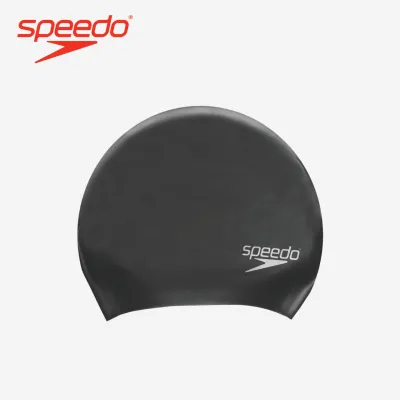
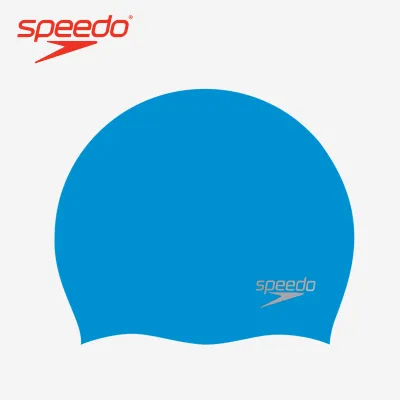
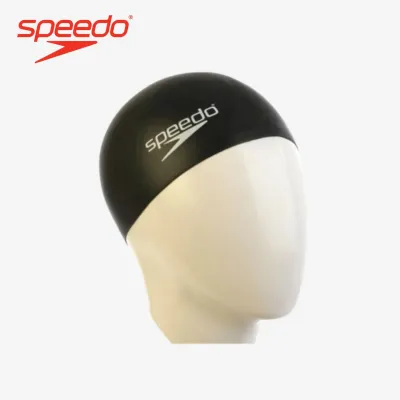
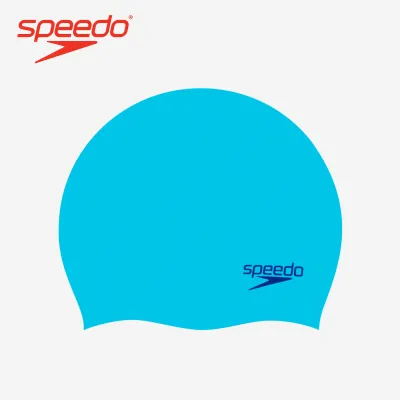
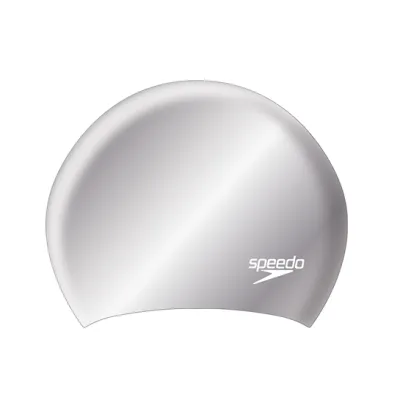
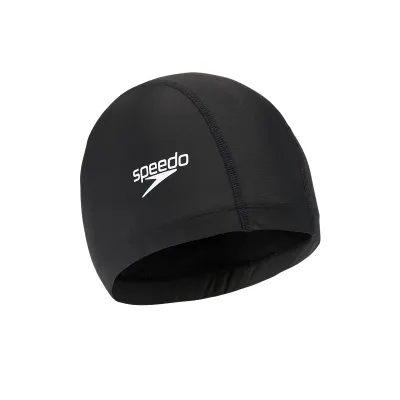

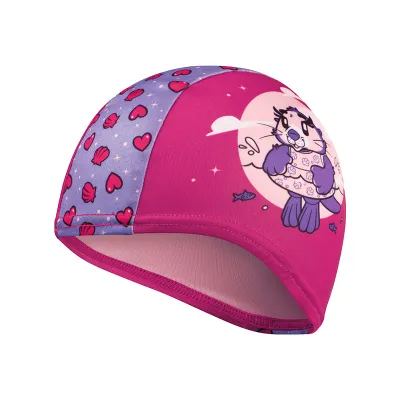
Prices are valid at publication and may change. Please refer to the product page for the latest price.
Material Breakdown: Silicone vs Latex Swim Caps
Understanding the physical properties of silicone and latex is the first step in choosing the right gear. Speedo utilizes both materials across their product lines to target different types of swimmers, from casual pool-goers to elite athletes.
Silicone Swim Caps: Features and Best Uses
Silicone is a synthetic polymer known for its flexibility, resilience, and hypoallergenic properties. Because the material is relatively thick, it provides a soft, cushioned feel against the scalp. This thickness also makes silicone highly resistant to tearing when stretched, allowing it to retain its original shape over years of regular use.
For swimmers with long, thick, or textured hair, silicone is highly practical. It glides over hair strands with minimal friction, reducing the risk of hair breakage and painful pulling during both application and removal. The material stretches generously, accommodating high volumes of hair without putting intense pressure on the forehead or temples.
Silicone caps are highly suited for recreational swimming, fitness training, open-water swimming, and masters swimming. In these environments, comfort, ease of use, and a reliable barrier against pool chemicals are prioritized over saving fractions of a second. Additionally, the thicker material offers a slight thermal barrier, which can help retain body heat when swimming in cooler open waters or early morning pool sessions.
Latex Swim Caps: Features and Best Uses
Latex is a natural rubber material characterized by its extremely thin, lightweight, and high-grip profile. Unlike silicone, a latex cap conforms tightly to the exact contours of the skull, creating a highly secure fit that is very difficult to dislodge, even during explosive dive starts and powerful flip turns.
This tight, second-skin fit makes latex the traditional choice for competitive pool swimmers and sprinters. By stretching tightly over the head, latex minimizes the micro-wrinkles and air pockets that can trap water and create hydrodynamic drag. The material is also highly breathable, allowing heat to escape from the scalp during intense, high-heart-rate workouts.
However, the thin profile and high-grip texture of latex come with trade-offs. It offers virtually no thermal insulation, making it less comfortable in cold water. The tight squeeze can also cause discomfort or headaches during long training sessions, and the material does not stretch as generously as silicone, making it less suitable for those with highly voluminous hair.
Key Comparison Dimensions for Swimmers
To determine which Speedo cap fits your routine, it helps to compare how silicone and latex perform across the practical dimensions of daily swim sessions.

Comfort, Fit, and Hair Protection
The tactile experience of putting on and taking off a swim cap is often the deciding factor for daily swimmers. Silicone caps feature a smooth, low-friction interior that slides easily over dry or damp hair. This makes them exceptionally gentle on delicate hair strands, preventing the split ends and breakage often caused by high-friction gear.
In contrast, latex has a naturally sticky, high-grip texture. When stretched over dry hair, latex can grab and pull individual strands, causing significant discomfort during removal. Swimmers who choose latex often need to wet their hair beforehand or apply a leave-in conditioner to create a protective barrier that prevents the rubber from sticking directly to the hair.
When it comes to chemical protection, silicone provides a thicker, more robust barrier. While no cap keeps hair completely dry, a snug silicone cap limits the volume of chlorinated water or saltwater that circulates around your scalp. Latex, being much thinner, allows more water seepage around the edges, offering minimal protection against the drying effects of pool chemicals. To maximize comfort, check product labels for specialized interior textures, such as Speedo’s elastomer or textured grid patterns, which are designed to further reduce hair pulling.
Durability and Climate Considerations
The lifespan of your swim cap is heavily influenced by your local climate and how you handle the gear. Silicone is highly inert and resistant to environmental degradation. It does not react to chlorine, saltwater, or UV rays, meaning a silicone cap will maintain its elasticity and color for a long time without becoming brittle or sticky.
Latex is far more delicate. It is highly susceptible to tearing if punctured by a sharp fingernail, hairpin, or locker key. Furthermore, natural latex is sensitive to environmental factors like heat, humidity, and ozone.
In tropical climates, such as the Philippines, the combination of high ambient temperatures and intense humidity accelerates the degradation of latex. If left in a hot gear bag, a car trunk, or direct sunlight, a latex cap can undergo dry rot, becoming brittle, cracking, or even melting and sticking to itself. Swimmers in warm climates must accept that latex caps are semi-disposable items that require frequent replacement, whereas a single silicone cap can easily last for multiple seasons.
Hydrodynamics and Competitive Performance
For competitive athletes, reducing drag is a primary performance goal. Latex caps excel in this category because they stretch tightly and evenly across the head. This tight fit eliminates the loose folds of material that can act as tiny parachutes in the water, ensuring a streamlined profile.
Standard silicone caps are thicker and inherently stiffer, which can lead to small ridges or bulges, particularly at the top of the head or around the ears. While these minor imperfections have a negligible impact on fitness swimmers, they can matter to competitive racers.
To bridge this performance gap, Speedo designs specialized molded silicone racing caps, such as those in their Fastskin range. These caps are 3D-molded to match the shape of the head without wrinkling, offering the hydrodynamic benefits of latex with the comfort and durability of silicone. However, these high-performance silicone caps are significantly more expensive than standard models, making traditional latex a highly cost-effective alternative for budget-conscious competitive teams.
Decision Framework: Choosing the Right Speedo Cap
To simplify your purchase, use this condition-based framework to select the material that aligns with your physical profile and training environment.
- Choose Silicone if:
- You have long, thick, curly, or easily tangled hair that requires a gentle, low-friction fit.
- You have sensitive skin, contact dermatitis, or a known allergy to natural rubber latex.
- You prioritize comfort and ease of use during long fitness swims or open-water training.
- You want a durable, long-lasting cap that can withstand tropical heat and humidity without degrading.
- Choose Latex if:
- You are a competitive swimmer or triathlete looking for a tight, hydrodynamic fit for racing.
- You have short hair or a smaller head circumference that requires a highly secure grip.
- You do not have any skin sensitivities or latex allergies.
- You prefer a highly breathable, lightweight cap and do not mind replacing it regularly.
- You are purchasing gear on a budget, as latex caps are highly economical (often costing a fraction of the price of premium silicone models).
- Neither may fit if:
- You require high thermal insulation for cold-water swimming, in which case a specialized neoprene cap is necessary to prevent heat loss.
- You are looking for a cap that keeps your hair completely dry. If comfort is your only goal and you do not care about drag or water exclusion, fabric or lycra caps offer a soft, non-waterproof alternative.
- Verify first if:
- You are purchasing for a child, as youth caps have different dimensions to prevent slipping.
- You have an unusually large or small head circumference. Always measure your head and consult the specific Speedo sizing chart before completing your purchase, as a poorly fitting cap of either material will slide off or cause discomfort.
Care and Maintenance for Swim Cap Longevity
Proper maintenance is essential to extend the life of your swim cap, especially when dealing with the corrosive effects of chlorine and the challenges of a humid climate.
Step 1: Rinse immediately Always rinse your swim cap in cool, fresh tap water immediately after leaving the pool or ocean. This removes residual chlorine, salt, sunscreen, and body oils, all of which can slowly degrade the material over time.
Step 2: Dry thoroughly in the shade Turn the cap inside out and let it air dry completely in a shaded, well-ventilated area. Never leave your cap to dry in direct sunlight, and avoid storing it in a hot car or near heat sources, as extreme heat rapidly breaks down both silicone and latex.
Step 3: Apply powder to latex caps Because latex has a naturally sticky surface, it tends to stick to itself when wet. Once your latex cap is completely dry, sprinkle a small amount of talcum powder, baby powder, or cornstarch inside the cap and rub it around. This prevents the sides from fusing together, which can cause the material to tear the next time you open it.
Step 4: Store flat Store your caps flat or loosely rolled in a cool, dry place away from sharp objects like hairpins, goggles clips, or zippers. Always read and follow the specific care instructions printed on your Speedo product packaging to ensure you get the maximum lifespan out of your gear.
Frequently Asked Questions (FAQ)
Do Speedo swim caps keep hair completely dry?
No, standard silicone and latex swim caps are not designed to keep your hair completely dry. Their primary functions are to reduce hydrodynamic drag, keep hair securely out of your face, and protect your hair from direct, prolonged exposure to pool chemicals. Water will inevitably seep under the edges of the cap, especially during flip turns, diving, or swimming underwater.
Can I wear a latex swim cap if I have sensitive skin?
If you have sensitive skin, a history of contact dermatitis, or a known allergy to natural rubber, you should avoid wearing a latex swim cap. The tight fit and constant friction can irritate sensitive skin, and a latex allergy can cause severe allergic reactions. If you experience redness, itching, or irritation, switch to a hypoallergenic silicone cap or a soft fabric alternative.
Community discussion
Share your experience or ask a question. Comments are reviewed before publication.