
Quick Answer: Which Swim Cap Material is Right for You?
Choosing the right swim cap depends on your hair protection goals, comfort tolerance, and swimming environment. If your primary concern is shielding your hair from pool chemicals and minimizing water exposure, a silicone swimming cap is generally the most effective and durable option. However, competitive swimmers often prefer the ultra-snug, hydrodynamic fit of latex, while casual swimmers and water aerobics enthusiasts favor lycra for its soft, breathable, and pain-free wear. No single material suits every swimmer, so matching the cap to your hair volume, swimming frequency, and venue is key to finding the perfect fit.
Silicone vs Latex vs Lycra: Core Material Differences
To make an informed decision, it is essential to understand how silicone, latex, and lycra differ in physical properties, durability, and performance.

Silicone Swimming Caps
Silicone is a thick, highly flexible, and synthetic material known for its long-lasting durability. A silicone swimming cap offers excellent resistance to chlorine and saltwater, making it a staple for regular pool users. Because the material is relatively thick, it provides a moderate thermal barrier, which is highly beneficial in cooler waters but can feel warm in heated indoor pools. Its high elasticity allows it to stretch significantly without tearing, and it does not pull on hair as aggressively as latex, making it a popular choice for swimmers with longer or treated hair.
Products mentioned in this guide
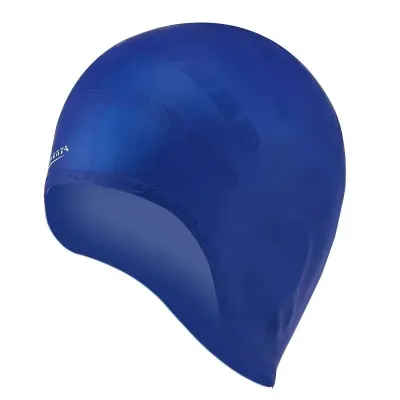
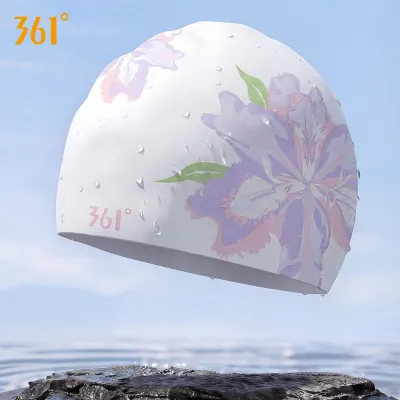
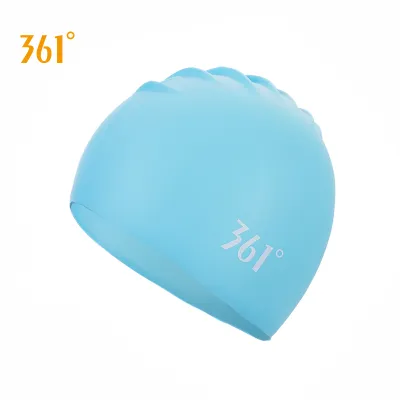

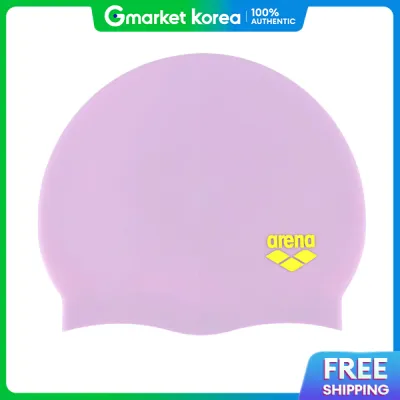
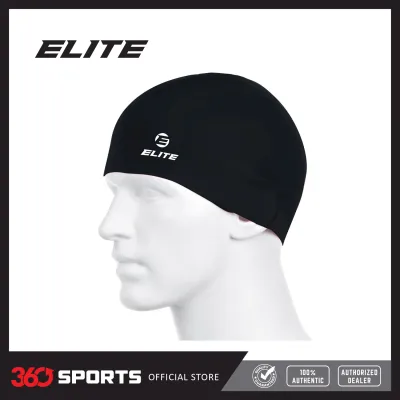
Prices are valid at publication and may change. Please refer to the product page for the latest price.
Latex Swim Caps
Latex caps are made from natural rubber, resulting in a very thin, lightweight, and highly snug fit. This tight seal makes latex the traditional choice for competitive swimmers who prioritize reducing hydrodynamic drag in the water. However, latex is significantly more fragile than silicone; it is prone to tearing from fingernails, hairpins, or general wear and tear over time. Additionally, latex can cause allergic reactions in sensitive individuals and tends to pull dry hair during removal.
Lycra (Fabric) Swim Caps
Lycra caps are constructed from knitted fabric, offering a soft, breathable, and highly comfortable fit. They are incredibly easy to put on and take off, making them a favorite for recreational swimmers, children, and seniors who find rubberized caps uncomfortable. The primary drawback of lycra is its high porosity. Water flows freely through the fabric, meaning a lycra cap provides zero protection against chlorine, saltwater, or wetness. Its main functions are keeping hair out of your face and complying with public pool hygiene rules.
Material Comparison Matrix
| Feature | Silicone | Latex | Lycra |
|---|---|---|---|
| Water Resistance | High (reduces seepage) | Moderate to High | None (porous fabric) |
| Durability | High (resists tearing) | Low (punctures easily) | High (washable fabric) |
| Comfort & Stretch | Moderate (gentle grip) | Low (very tight grip) | High (soft, breathable) |
| Hair Protection | High (shields chemicals) | Moderate (tight but pulls) | Low (no chemical barrier) |
| Typical Price Range | ₱350 – ₱800+ | ₱150 – ₱300 | ₱200 – ₱500 |
How to Choose a Swim Cap Based on Your Swimming Profile
Selecting the right cap requires looking beyond the material properties to evaluate your personal profile, hair type, and local swimming conditions.
Hair Length and Volume
Standard swim caps are designed for average hair volume. If you have long, thick, curly, or braided hair, a standard cap can put excessive pressure on your forehead or slip off entirely. For these hair types, look for specialized “long-hair” silicone swimming caps. These models feature extra space molded into the back of the cap, allowing your hair to sit comfortably without overstretching the material or causing headaches.
Swimming Environment and Climate
In tropical climates like the Philippines, outdoor pools can warm up quickly under the sun. If you are swimming for leisure or doing light water aerobics in a warm outdoor pool, a breathable lycra cap prevents your head from overheating. Conversely, if you swim in heavily chlorinated public pools or open saltwater, a silicone cap is highly recommended to protect your hair from chemical damage and UV exposure. For open-water swimming, safety is paramount; choose a high-visibility, brightly colored silicone cap (such as neon orange or pink) to ensure you are easily spotted by lifeguards and boats. Note that a cap is a visibility aid and does not replace essential open-water safety gear like a personal flotation buoy.
Skin Sensitivities and Allergies
Always check product labels before purchasing if you have sensitive skin or known allergies. Latex allergies are relatively common and can cause redness, itching, or hives on the scalp and forehead. If you experience any discomfort after wearing a latex cap, switch immediately to a silicone or lycra alternative.
Age and Fit Considerations
For young children and elderly swimmers, the physical effort of stretching and putting on a tight latex or silicone cap can be frustrating. Lycra caps are highly recommended for these groups because they glide on smoothly without pulling the hair or pinching the ears. If water protection is still required for a child, a soft, highly stretchable silicone cap designed specifically for youth sizes is the next best option.
Proper Fit, Usage, and Maintenance for Longevity
Even the most durable silicone swimming cap can fail prematurely if handled incorrectly. Proper usage and maintenance will extend the lifespan of your gear.
Putting On and Taking Off Safely
To avoid puncturing your cap, never use your fingernails to stretch or pull the material. Instead, double your hands into loose fists, insert them into the cap with your palms facing inward, and use the flat pads of your fingers and knuckles to stretch the cap outward. Gently lower the cap onto your forehead and slide it back over your hair. Ensure any hairpins, clips, or sharp jewelry are removed before putting on the cap.
Post-Swim Cleaning and Drying
After every swim, rinse your cap thoroughly inside and out with clean, cool tap water to remove residual chlorine, salt, sand, or sweat. Do not use harsh detergents or washing machines. Hang the cap to air dry completely in a well-ventilated indoor area. Avoid leaving your cap in direct tropical sunlight, inside a hot car, or near heat sources, as extreme heat degrades both silicone and latex, causing them to melt, warp, or crack.
Storage and Anti-Sticking Methods
Latex and silicone caps have a natural tendency to stick to themselves when wet or stored in humid environments. Once the cap is completely dry, lightly dust the inside with a small amount of talcum powder or cornstarch. This absorbs excess moisture and prevents the sides from fusing together during storage. Store your cap flat in a cool, dry gear bag away from sharp objects.
When to Replace Your Cap
Inspect your cap regularly for signs of wear. Replace your cap if you notice fine hairline cracks or micro-tears along the edges, a sticky or gummy texture on the surface, permanent stretching that prevents a snug seal, or discoloration that does not wash off.
Frequently Asked Questions (FAQ)
Do silicone swimming caps keep your hair completely dry?
No swim cap is designed to be completely waterproof. While a silicone swimming cap provides a highly water-resistant barrier, water will inevitably seep in around the edges, especially during high-impact activities like diving, flip turns, or prolonged submersion. The primary purpose of a swim cap is to reduce the volume of chlorinated water absorbing into your hair and to minimize drag, rather than keeping your hair bone-dry.
Can I wear a lycra cap over a silicone cap?
Swimmers often use a double-capping technique, but the order is typically reversed: they wear a lycra cap underneath a silicone cap. The soft fabric of the lycra cap sits comfortably against the scalp, preventing the silicone from pulling on the hair. The outer silicone cap is then layered on top to provide water resistance, reduce drag, and keep goggle straps securely in place.
How do I know if my swim cap is too tight or too small?
A properly fitting swim cap should feel snug but comfortable. If you experience a throbbing headache, deep red indentations on your forehead or ears, or if the cap constantly rolls upward and pops off your head, it is too small. Conversely, if the cap wrinkles excessively, gathers water inside, or slips down over your eyes, you need to size down or choose a material with a firmer grip.
Community discussion
Share your experience or ask a question. Comments are reviewed before publication.