
Choosing the right collapsible water bottle for sports depends on balancing weight, durability, and how you plan to carry it. While both silicone and plastic (such as TPU or TPE) offer space-saving benefits when empty, they perform differently under the physical demands of running, hiking, or gym workouts. Silicone options generally excel in heat resistance and maintaining a neutral taste, making them excellent for everyday fitness and hot beverages. On the other hand, flexible plastic bottles are often lighter and more compressible, making them the preferred choice for high-intensity endurance sports where every gram matters.
In tropical climates like the Philippines, where high humidity can accelerate mold growth and intense heat demands constant hydration, your choice of material also affects how easy the bottle is to clean and maintain. Understanding the structural differences, safety certifications, and ergonomic features of each material will help you select a bottle that stays leak-free and hygienic throughout your training sessions.
Material Safety and Taste Retention
When evaluating collapsible water bottles, material safety is a primary concern, especially when the bottle is exposed to sunlight or warm environments. For both silicone and plastic options, you should inspect the product packaging or manufacturer specifications for clear BPA-free and food-grade certifications. Food-grade silicone is naturally inert, meaning it does not react with food or beverages, nor does it release chemicals when exposed to heat. Flexible plastics used in sports bottles, such as Thermoplastic Polyurethane (TPU) or Thermoplastic Elastomer (TPE), must also be verified as food-safe and free from harmful plasticizers.
Products mentioned in this guide
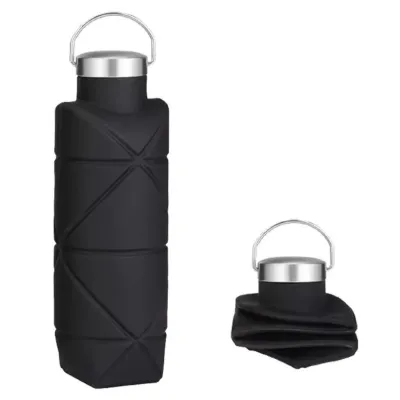
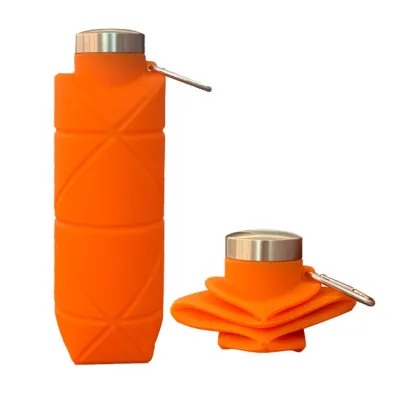
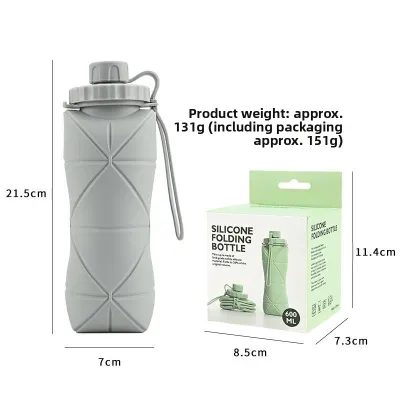
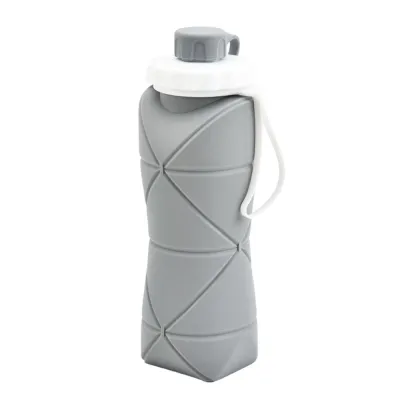
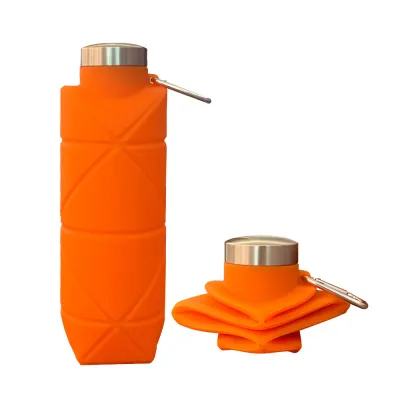
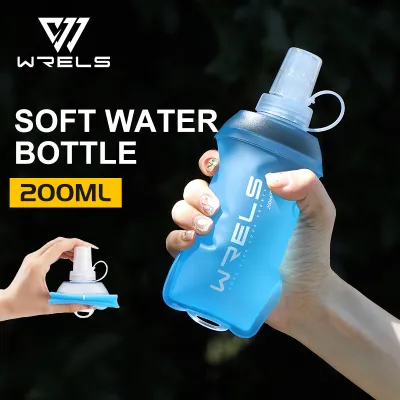
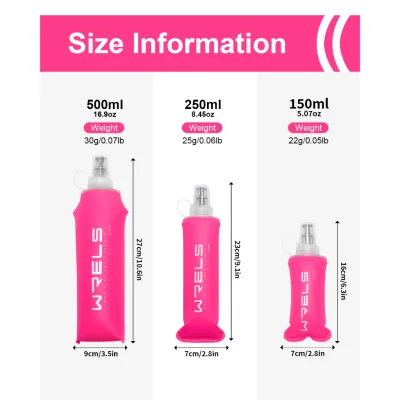
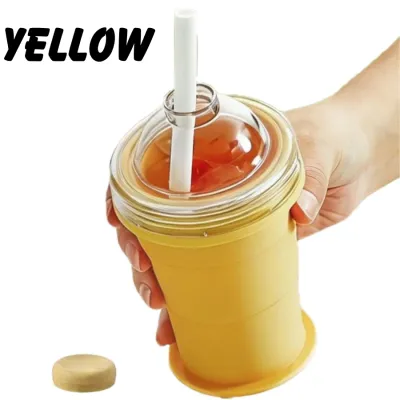
Prices are valid at publication and may change. Please refer to the product page for the latest price.
Heat tolerance varies significantly between these materials, and you must consult the specific product manual before exposing a bottle to hot liquids. High-quality silicone can typically withstand boiling temperatures, allowing you to use it for hot teas or to sterilize the bottle in boiling water. Conversely, many flexible plastic bottles are designed strictly for cool or ambient liquids, as high temperatures can compromise the structural integrity of the plastic or cause the material to soften excessively. Always verify the maximum temperature rating on the label rather than assuming all plastics behave the same way.
Taste retention is another critical factor for athletes who mix sports drinks, electrolytes, or juices into their water. Silicone is highly resistant to absorbing flavors, though a lingering taste can still occur if the bottle is not cleaned promptly after use. Flexible plastics, particularly lower-grade TPU, can sometimes retain a mild plastic taste or hold onto the flavor of flavored sports drinks. This retention is often exacerbated by complex valve designs or narrow bottle necks that trap residue, making regular and thorough cleaning essential for maintaining a neutral taste.
Durability and Tear Resistance During Sports
The physical demands of sports—whether dropping a bottle on a rocky trail, squeezing it during a fast-paced run, or packing it tightly into a gym bag—require a material that resists punctures and tears. While the main body material is important, the overall durability of a collapsible water bottle often depends on its construction quality. You should carefully examine the seams where the flexible body meets the rigid plastic collar and the base. These joint areas, along with the valve attachment points, are the most common failure zones where leaks develop under pressure.

Puncture and tear resistance differ between silicone and flexible plastics based on material thickness and elasticity. Silicone is naturally thick and highly elastic, allowing it to absorb impacts from drops on hard surfaces without cracking. However, its soft texture makes it more susceptible to punctures from sharp objects, such as keys in your gym bag or thorns on a trail. Flexible plastics like TPU are exceptionally tough and offer high abrasion and tear resistance even when the material is thin. This allows plastic bottles to survive rough handling and tight packing, though they may develop permanent creases over years of repeated folding.
To ensure safety and prevent sudden spills during an activity, you must establish clear stop conditions for your gear. Regularly inspect your collapsible bottle for signs of wear, such as deep, whitening creases in plastic, micro-tears near the seams of silicone, or a persistent slow drip from the bite valve. If you observe any of these structural compromises, or if the material feels unusually sticky or brittle, it is time to discard the bottle. Continuing to use a compromised bottle during a high-intensity sport can lead to sudden failure, leaving you without a reliable water source when you need it most.
Weight, Packability, and On-the-Go Ergonomics
For athletes focused on performance, the physical footprint and weight of a collapsible water bottle are crucial considerations. When empty, flexible plastic bottles (TPU) are incredibly lightweight and can be rolled, folded, or flattened into an extremely compact shape. This high packability makes them ideal for trail runners and hikers who need to tuck empty flasks into the small pockets of a running vest or backpack. Silicone bottles, while still highly packable compared to rigid metal or glass containers, are inherently heavier and bulkier due to their thicker walls, meaning they do not roll up as tightly.
Ergonomics during movement can significantly impact your hydration routine. Silicone bottles offer a sturdy, slip-resistant grip even when your hands are sweaty or wet from tropical humidity. However, because silicone is highly flexible, a half-empty bottle can become floppy and difficult to hold with one hand while running. Some silicone designs address this by incorporating a rigid plastic sleeve or spine. Flexible plastic flasks, when fully filled, conform easily to the shape of your hand or pocket, and they require very little squeeze-force to dispense water quickly through a bite valve, which is highly efficient during high-intensity workouts.
Carrying options are another practical detail to verify before purchasing. Many silicone collapsible bottles feature integrated carry straps, silicone loops, or metal carabiners that allow you to clip the bottle to a gym bag or backpack harness. Flexible plastic flasks designed for endurance sports often lack these external clips, as they are intended to slide directly into dedicated front pockets on running vests or hydration belts. Consider how you plan to transport the bottle during your specific sport to ensure the attachment style matches your carrying system.
Cleaning, Drying, and Mold Prevention
In warm, humid environments, maintaining hygiene in collapsible water bottles is a constant challenge. Mold and bacteria thrive in damp, enclosed spaces, making thorough cleaning and drying mandatory after every use. Before attempting to clean your bottle, check the manufacturer’s instructions to see if the body and valve components are top-rack dishwasher safe. Many silicone bottles can withstand the high heat of a dishwasher cycle, which helps sanitize the material. Flexible plastic bottles, however, are often hand-wash only, as dishwasher heat can warp or degrade the TPU material and its sealed seams.
Interior accessibility is a major factor in how easily you can keep a bottle clean. Bottles with wide-mouth openings allow you to insert a bottle brush easily to scrub away sports drink residue and biofilm. Narrow-neck bottles and complex bite valves require specialized small brushes or straw cleaners to reach tight crevices. Pay close attention to the valve assembly, as dirt and mold frequently accumulate in the moving parts of bite valves and screw caps. If a valve cannot be disassembled for cleaning, it may become a breeding ground for bacteria over time.
Proper drying is the most critical step in preventing mold growth in collapsible gear. Because these bottles are designed to collapse, they can easily trap moisture inside if left folded or stored flat. After washing, you must fully expand the bottle and place it in an inverted, upright position on a drying rack or a clean towel, ensuring air can circulate freely inside. For silicone bottles, inserting a clean, dry paper towel or a dedicated drying stick can help absorb residual moisture. Never store a collapsible bottle folded or capped until it is completely dry inside and out.
Decision Framework: Which Material Fits Your Sport?
To choose the right collapsible water bottle, you must align the material’s characteristics with the specific demands of your sport and lifestyle. High-quality options in both categories typically range from ₱500 to ₱1,500 on local online marketplaces, making it important to select the material that matches your training environment.
Choose a silicone collapsible water bottle if your routine centers around gym workouts, daily commuting, or casual hiking, and you prioritize easy maintenance. Silicone is the better fit if you want a bottle that can handle hot liquids, is safe for top-rack dishwasher cleaning, and offers excellent taste neutrality over long-term use. It is also ideal for those who prefer a sturdier grip and do not mind a slightly heavier empty weight in exchange for a robust, puncture-resistant container.
Choose a flexible plastic (TPU/TPE) collapsible water bottle if you participate in endurance sports, trail running, cycling, or fast-packing where minimizing weight and bulk is critical. These bottles are perfect when you need a flask that compresses completely as you drink, fits seamlessly into running vest pockets, and requires minimal squeeze-force to deliver rapid hydration on the move.
Before making your final decision, always verify the specific product’s specifications. Check that the valve mechanism is leak-proof under pressure, the seam construction feels durable, and the overall capacity matches your hydration needs for your typical workout duration. Investing in a bottle that matches your sport’s intensity ensures you stay hydrated safely and comfortably.
Frequently Asked Questions (FAQ)
Can I put boiling water in a plastic collapsible bottle?
You should not put boiling water in a plastic collapsible bottle unless the manufacturer explicitly states it is safe to do so. Most flexible plastic bottles, such as those made from TPU or TPE, have low heat tolerance limits and can warp, melt, or degrade when exposed to boiling temperatures. Always check the product’s specification sheet or user manual for the maximum temperature limit before filling it with hot liquids.
How do I remove a plastic or chemical taste from a new silicone bottle?
To remove a lingering taste from a new silicone bottle, start by washing it thoroughly with warm, soapy water and letting it air dry completely. If the taste persists, check the manufacturer’s manual to confirm if the material is compatible with household cleaning agents. If approved, you can fill the bottle with warm water and a tablespoon of baking soda or a mild vinegar solution, let it sit for a few hours, then rinse and dry it thoroughly.
Are collapsible water bottles allowed in carry-on luggage?
Yes, collapsible water bottles are allowed in carry-on luggage, provided they are completely empty when you pass through airport security checkpoints. Once you have cleared security, you can expand the bottle and fill it at a water station before boarding your flight. This makes them an exceptionally convenient travel accessory for athletes flying to destination races or outdoor adventures.
Community discussion
Share your experience or ask a question. Comments are reviewed before publication.