
Finding the right fitness platform machine for a condo in the Philippines requires looking beyond the product’s catalog dimensions. A successful setup depends on matching the machine’s physical size with your unit’s actual layout, structural limits, and your own physical range of motion. Because urban condo units often feature compact floor plans and shared structural elements, a systematic approach to space planning is the best way to ensure your investment remains usable, safe, and compliant with building regulations.
Assessing Your Condo Space and Layout
Start by clearing the intended area and taking precise measurements of the floor space. Use a standard steel measuring tape rather than relying on digital estimation apps, which can miscalculate angles in tight spaces. Measure from the innermost edge of your baseboards rather than the bare walls, as baseboards and quarter-round moldings can easily shave off several centimeters of usable floor width. Be sure to account for any built-in wardrobes, sliding balcony doors, or structural pillars that protrude into the room, as these elements restrict how close you can position your equipment to the perimeter.
Ceiling height is another critical factor that is frequently overlooked until assembly day. Standard residential condos in the Philippines often feature ceiling heights ranging from 2.4 to 2.7 meters, which can feel even lower if you have dropped ceilings for air conditioning ducts or utility pipes. Measure the vertical clearance from the floor to the lowest point of the ceiling, including light fixtures, ceiling fans, and sprinkler heads. Remember to add your own height and the height of the platform itself to calculate whether you can safely perform overhead presses, jumps, or high-reach movements without risk of injury or property damage.
Products mentioned in this guide
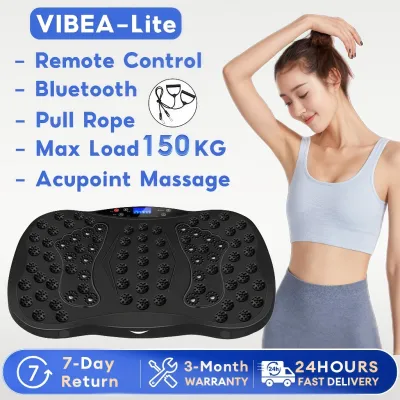
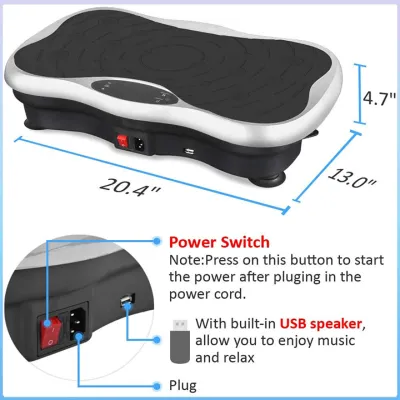
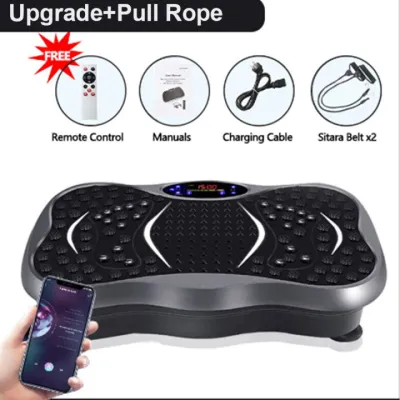
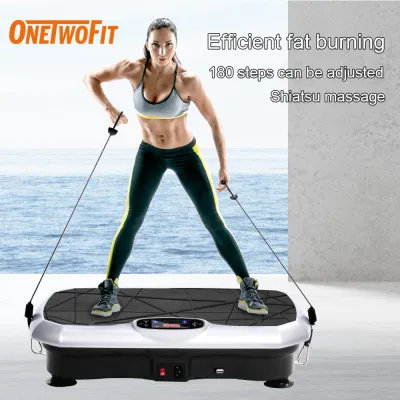
Prices are valid at publication and may change. Please refer to the product page for the latest price.
Before finalizing any equipment purchase, you must also evaluate the structural load capacity of your floor and review your condominium association’s house rules. High-rise buildings are engineered to support specific live loads, and placing concentrated, heavy machinery in a single spot can sometimes exceed these design limits, especially on cantilevered sections or loft levels. Check your tenant handbook or consult the building administration office to verify the allowable weight per square meter. Additionally, many condo associations enforce strict guidelines regarding noise, vibration, and the installation of heavy fitness gear to maintain a peaceful environment for neighboring units.
Evaluating Fitness Platform Machine Footprints
When browsing options, it is vital to distinguish between a machine’s static storage footprint and its dynamic operational footprint. The static footprint is the physical space the machine occupies when it is turned off and tucked away. The dynamic footprint, however, represents the actual space required when the machine is in active use, which includes the travel distance of cables, levers, folding arms, and your own body during a workout. A compact platform might look perfectly manageable on paper, but it can quickly dominate a room once you extend its accessories or perform wide-stance exercises.

To make an informed decision, compare standard, compact, and foldable platform designs against your measured room dimensions. Standard, non-folding platforms offer excellent stability but require a permanent, dedicated floor area that cannot be easily repurposed. Compact models sacrifice some platform width to fit into tighter corners, making them ideal for studio apartments. Foldable or upright-storage designs provide the best of both worlds for multi-use spaces, allowing you to fold the main deck upward when not in use, though you must still ensure you have enough physical strength and clearance to safely transition the machine between its active and stored states.
Always verify the manufacturer’s official specification sheets for exact length, width, and height metrics rather than relying on general category assumptions or visual estimates from online photos. Product images are often shot in spacious, high-ceiling studios that make the equipment look smaller than it actually is. Look for detailed schematics that show the machine’s dimensions in both its fully collapsed and fully extended configurations. If the manufacturer does not provide these details, contact their customer support to request the exact measurements of the base, the maximum extension of any moving parts, and the total height when fully assembled.
Factoring in Clearance, Safety, and Installation
Safe operation of any fitness platform machine requires a generous buffer zone around the entire perimeter of the equipment. As a general safety standard for home gyms, aim for a minimum clearance of 0.6 meters of open space on all active sides of the machine. This clearance is crucial for emergency dismounts, preventing your limbs from striking nearby walls or furniture during high-intensity workouts, and allowing a full, unrestricted range of motion. If your workout routine involves lateral movements or wide arm extensions, you may need to expand this safety zone even further.
Proper ventilation and utility management are also essential for a comfortable and safe workout environment in a tropical climate. Position your fitness platform machine within reach of a dedicated power outlet to avoid running long extension cords across the floor, which present a severe tripping hazard and can damage the machine’s electrical components. Ensure the setup does not block air conditioning vents, wall fans, or natural airflow from windows, as adequate ventilation is necessary to manage humidity and keep both you and the machine’s electronic consoles cool during intense exercise sessions.
Finally, do not forget to plan the physical delivery and installation path from the building’s entrance to your specific unit. Measure the width and height of every doorway, hallway, elevator door, and tight corner that the delivery team must navigate. Many modern condos feature narrow service elevators and winding corridors that cannot accommodate large, non-demountable equipment boxes. Verifying these dimensions beforehand prevents the frustration of having a premium fitness platform delivered to your lobby only to find it cannot fit through the elevator doors or turn the corner into your front door.
Common Space Planning Mistakes to Avoid
One of the most common mistakes condo owners make is ignoring the swing radius of attached accessories, such as resistance bands, pull-up bars, or adjustable handles. A machine might fit perfectly within a designated corner, but the moment you attach a lateral bar or pull a cable outward, you may find yourself hitting a wall or a piece of furniture. Always map out the maximum path of travel for every accessory you plan to use regularly.
Another frequent oversight is failing to account for the thickness and area of protective flooring mats. High-density rubber mats are essential for protecting your condo’s tiles or engineered wood floors from scratches and heavy impacts, but they also add a few millimeters to the overall height of your setup and can slightly alter the stability of the machine if not laid perfectly flat. Ensure your measurements include the total surface area of the mats, which should ideally extend slightly beyond the machine’s base to catch sweat and prevent dust accumulation.
Lastly, never assume that a delivery service will automatically handle complex assembly in a tight space. If your unit has limited floor area, assembling a multi-component fitness platform can be incredibly challenging and hazardous. Always check if the equipment can be delivered in smaller, pre-assembled modules, or ensure you have cleared a temporary assembly zone within your condo before the delivery team arrives.
Frequently Asked Questions (FAQ)
Can I place a fitness platform machine on a raised condo floor?
Placing heavy fitness equipment on raised, hollow, or floating floors requires careful consideration of structural load limits. Before installation, consult your building management or a structural engineer to verify if your floor can support the combined weight of the machine and your body during high-impact movements. To prevent damage to delicate flooring materials, use high-density weight distribution mats or a solid plywood sub-base to spread the point load of the machine’s feet evenly across a larger surface area.
How do I reduce noise and vibration for downstairs neighbors?
To minimize the transmission of operational noise and impact vibrations through concrete condo floors, invest in high-density rubber anti-vibration mats specifically rated for heavy gym equipment. These mats absorb the kinetic energy generated during workouts, preventing it from traveling down into the structural slab. Additionally, keep your fitness platform machine well-maintained by regularly tightening loose bolts, lubricating moving parts to prevent mechanical rattling, and ensuring the machine is perfectly level on the floor to avoid uneven impacts.
Community discussion
Share your experience or ask a question. Comments are reviewed before publication.