
Finding the right knee support for arthritis relief depends entirely on your specific stage of joint discomfort, your daily activity level, and how much structural stability your knee requires. There is no single “best” option for everyone. Instead, the choice between a knee sleeve, a knee brace, and a knee wrap comes down to matching the mechanical design of the support to your daily physical demands and the severity of your arthritis symptoms.
For mild, dull aches and morning stiffness, a flexible knee sleeve often provides the gentle compression and warmth needed to keep you moving comfortably. If your knee feels unstable, gives way, or suffers from severe structural wear, a structured knee brace with hinges or rigid stabilizers offers the mechanical offloading required to protect the joint. Meanwhile, if you experience fluctuating swelling throughout the day or find it painful to pull a tight sleeve over your foot, an adjustable knee wrap allows you to customize the tension and fit without straining the joint during application.
How Sleeves, Braces, and Wraps Differ in Design and Function
To make an informed decision, it is essential to understand how these three types of support differ in their physical construction and how they interact with your joint. Each category utilizes a distinct mechanical approach to address pain, swelling, and instability.
Products mentioned in this guide
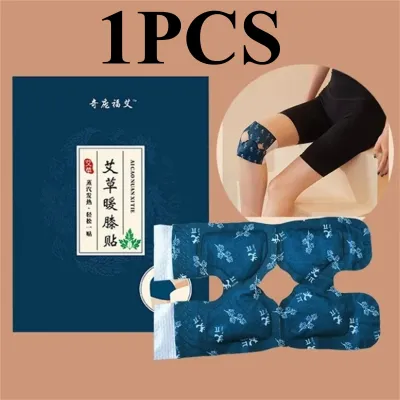
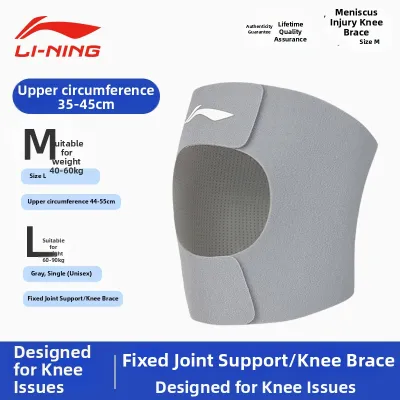
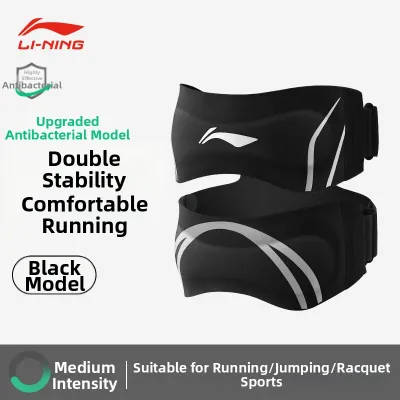
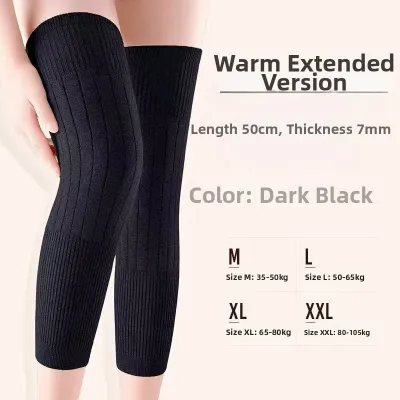
Prices are valid at publication and may change. Please refer to the product page for the latest price.
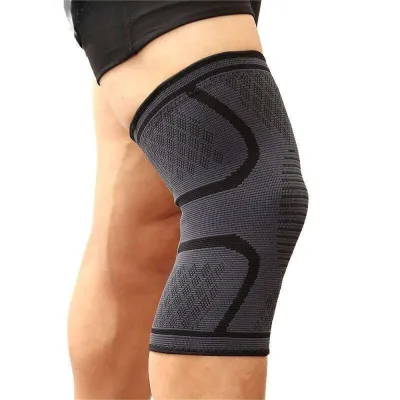
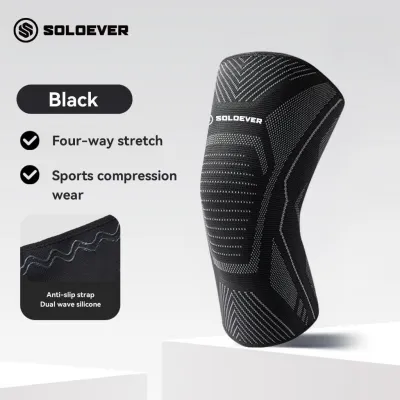
Knee sleeves are simple, tubular garments typically made from elastic fabrics, nylon, or neoprene. They are designed to slide directly up your leg and sit snugly over the knee joint. The primary function of a sleeve is to provide uniform, circumferential compression around the entire joint. This compression helps promote blood flow and retains therapeutic body heat, which can be highly soothing for stiff, arthritic joints. Because they lack rigid structural elements, sleeves offer minimal mechanical resistance against lateral (side-to-side) movement, relying instead on mild pressure to enhance your body’s natural joint awareness.
Knee braces represent a more complex, structured category of joint support. These devices incorporate rigid or semi-rigid components, such as plastic or metal stays, hinges, and heavy-duty adjustable straps. Some advanced models feature specialized offloading mechanisms designed to shift weight away from the damaged side of the knee joint. Unlike sleeves, which simply hug the joint, a brace physically limits unwanted ranges of motion, preventing the knee from twisting or buckling under load. This makes them highly effective for structural stabilization but also significantly bulkier and less flexible than other options.
Knee wraps utilize a strap-based, open design that wraps around the leg rather than sliding over it. They are typically constructed from thick, elasticized bands or hook-and-loop straps that allow you to control exactly where and how tightly the support is applied. Many wraps feature an open-patella design, which leaves a cutout over the kneecap to reduce direct pressure on the joint front while maintaining support around the perimeter. This configuration is highly versatile, allowing you to loosen or tighten the support as your comfort levels or swelling patterns change throughout the day.
Matching the Right Support to Your Arthritis Symptoms and Activities
Selecting the right support requires a realistic assessment of your daily routine, your pain levels, and how your knee behaves under pressure. Matching the support type to your specific symptoms ensures you get the right balance of mobility and protection.

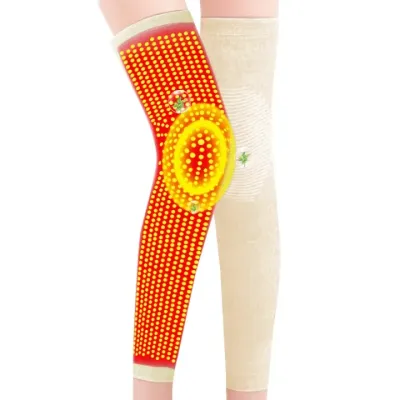
You should choose a knee sleeve if your primary complaints are mild stiffness, dull aches, or a cold sensation in the joint, particularly when waking up or sitting for long periods. Sleeves are ideal for low-impact daily activities, such as walking around your neighborhood, light gardening, or running errands. Because they are low-profile and lightweight, they fit easily under standard trousers and do not restrict your natural walking gait. The continuous warmth they provide is especially beneficial in air-conditioned environments or during sudden weather changes that often trigger arthritic discomfort.
A structured knee brace is the appropriate choice if you experience moderate to severe joint instability, lateral knee weakness, or a sensation that your knee might buckle. If your arthritis has progressed to the point where weight-bearing tasks—such as climbing stairs, lifting heavy objects, or standing for extended periods—cause sharp pain, a brace provides the physical reinforcement your ligaments and cartilage can no longer manage alone. The rigid side stays or hinges guide your knee through a straight, safe path of motion, reducing the risk of painful twisting or sudden joint shifts.
Knee wraps are highly recommended if you manage fluctuating swelling or have physical limitations that make pulling on a tight sleeve difficult. If your knee swells significantly after physical activity, a wrap allows you to loosen the tension to accommodate the swelling without having to remove the support entirely. Additionally, for men with limited hand strength or severe hip and knee stiffness, wrapping a support around the joint is far easier and less painful than bending over to pull a tight, high-compression sleeve all the way up from the ankle.
It is crucial to recognize when over-the-counter supports are not suitable. Neither a sleeve, brace, nor wrap should be used if your knee is acutely inflamed, hot to the touch, visibly deformed, locked in place, or completely unable to bear any weight. These symptoms indicate a more severe underlying issue, such as an acute injury, infection, or advanced joint damage, that requires immediate professional medical evaluation rather than self-treatment with a retail support.
Fit, Comfort, and Practical Considerations for Men
Even the most advanced knee support will fail to help if it is too uncomfortable to wear consistently. For men, finding a support that fits properly and suits the local environment is key to long-term compliance and relief.
One of the most common challenges men face is navigating thigh-to-calf ratios. Men with muscular thighs or calves often find that standard, off-the-shelf sleeves roll down or pinch the skin, which can restrict circulation and cause discomfort. To prevent this, always measure your leg circumference at the exact points specified by the manufacturer—typically a few inches above and below the center of the kneecap—rather than guessing your size based on height or weight. If your measurements fall between two sizes, opting for the larger size is generally safer to avoid excessive constriction.
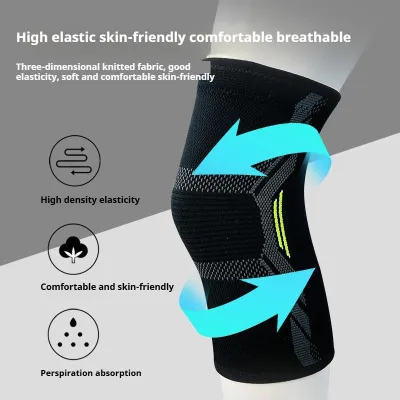
Environmental factors play a massive role in daily comfort, particularly in warm and humid tropical climates like the Philippines. Heavy neoprene sleeves can trap sweat, leading to intense heat buildup, skin irritation, and unpleasant odors. If you live or work in a hot environment, look for knee supports made from breathable, moisture-wicking knit fabrics or open-patella wraps that allow air to circulate. Managing moisture not only prevents painful chafing and skin breakdown but also keeps the support from slipping down your leg as you sweat.
Maintaining hygiene and preserving the elasticity of your knee support requires careful attention to product care labels. Sweat, body oils, and dirt break down elastic fibers over time, reducing the support’s effectiveness. Most high-quality sleeves and wraps should be hand-washed in cool water with a mild detergent and allowed to air dry completely away from direct sunlight. Avoid using fabric softeners or putting elastic supports in a mechanical dryer, as high heat can warp the materials, ruin the hook-and-loop fasteners, and permanently compromise the compression level.
Quick Comparison: Sleeves vs. Braces vs. Wraps
To help you finalize your decision, the following table summarizes the key functional trade-offs between the three primary types of knee support.
| Support Type | Support Level | Adjustability | Ease of Application | Ideal Arthritis Scenario |
|---|---|---|---|---|
| Knee Sleeve | Mild to Moderate | Low (Fixed Compression) | Moderate (Requires pulling up) | Mild stiffness, daily walking, joint warmth |
| Knee Brace | High (Rigid/Hinged) | High (Multiple Straps) | Complex (Requires alignment) | Moderate to severe instability, weight-bearing tasks |
| Knee Wrap | Moderate | High (Custom Tension) | Easy (Wrap-around design) | Fluctuating swelling, limited mobility, custom fit |
Please note that specific medical claims, load-bearing limits, or precise hinge angles vary significantly by brand and model. Always verify these details directly on the product packaging or the manufacturer’s official specifications sheet before making a purchase.
Safety Limits and When to Seek Professional Care
While over-the-counter knee supports are excellent tools for managing daily arthritis discomfort, they are not a substitute for professional medical care. Understanding the limits of these devices is essential for protecting your long-term joint health.
You must stop using any knee support immediately and consult a healthcare professional if you experience sudden, sharp pain, if your joint locks or clicks painfully, or if your knee repeatedly gives way during normal movement. Additionally, if you notice severe skin breakdown, persistent numbness, tingling, or coldness in your lower leg or foot, the support may be too tight or poorly fitted, risking nerve or circulatory issues.
It is important to maintain realistic expectations: knee supports are designed to manage symptoms and provide mechanical assistance, but they cannot cure or reverse underlying joint degeneration. For advanced arthritis, post-surgical recovery, or complex joint misalignment, always consult a physical therapist or orthopedic specialist. A professional can verify if a rigid or hinged brace is safe for your specific joint condition and ensure it is adjusted correctly to avoid causing secondary alignment issues.
Frequently Asked Questions (FAQ)
Can I wear a knee sleeve all day for arthritis?
While knee sleeves are comfortable, wearing them continuously all day is generally not recommended unless specifically advised by a doctor. Prolonged, uninterrupted compression can restrict blood circulation, cause skin irritation from trapped moisture, and potentially lead to muscle weakness if your body relies too heavily on the sleeve for stability. A good practice is to wear the sleeve during periods of physical activity or when stiffness is at its worst, and take it off during rest, especially while sleeping, to allow your skin to breathe and your muscles to engage naturally.
Should I wear knee support on both legs if only one knee has arthritis?
Generally, you should focus support on the specific joint experiencing arthritis symptoms. Wearing a support on a healthy knee is usually unnecessary and can sometimes alter your natural gait, leading to overcompensation or joint strain elsewhere. However, if you find yourself heavily favoring your healthy leg to protect the arthritic knee, you might experience secondary fatigue or mild discomfort in the non-arthritic joint. In such cases, consult a physical therapist to address your gait mechanics rather than self-prescribing dual supports.
How tight should an arthritis knee wrap be?
An arthritis knee wrap should feel snug and supportive, but never restrictive or painful. A helpful rule of thumb is that you should be able to slide two fingers comfortably under the edges of the wrap. If you experience tingling, numbness, a cold sensation in your foot, or if the skin around the wrap turns red or blue, the tension is too high and is restricting your blood flow. Because swelling can change throughout the day, check the fit periodically and loosen the straps slightly if your knee begins to feel overly compressed.
Community discussion
Share your experience or ask a question. Comments are reviewed before publication.