
Selecting the right knee cap support depends on your sport’s movement patterns, the level of structural stability your joint requires, and any existing discomfort. Knee sleeves offer compression and warmth for general gym workouts and running; patellar straps target localized tendon stress from jumping; and hinged braces provide rigid, mechanical support for high-impact or pivoting sports. Selecting the wrong type can restrict necessary movement or fail to protect a vulnerable joint, making it essential to match the support’s design to your specific athletic demands.
In tropical climates like the Philippines, where high humidity and heat are constant factors, choosing the correct gear involves more than just structural support. Sweat accumulation can cause braces to slip, irritate the skin, or lose their elasticity over time. Whether you are playing basketball on an outdoor court, running along concrete roads, or lifting weights in a local gym, understanding how different supports function under physical stress is key to maintaining joint comfort and performance.
Identifying Your Activity Level and Support Requirements
Before purchasing any knee cap support, you must evaluate the specific physical demands of your sport. Sports generally fall into three movement categories: linear, jumping, and pivoting. Linear sports, such as running or cycling, involve repetitive forward motion with minimal lateral twisting. Jumping sports, like volleyball and basketball, place high vertical impact forces on the joints during landings. Pivoting sports, including football, badminton, and tennis, require sudden changes of direction that subject the knee to intense rotational and lateral forces.
Products mentioned in this guide
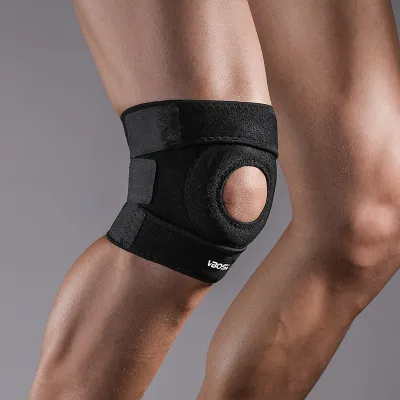
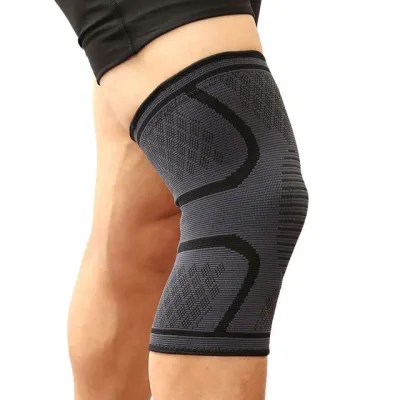
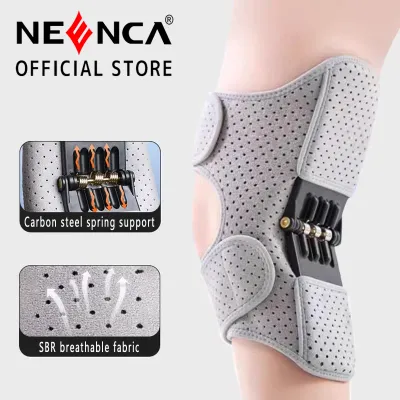
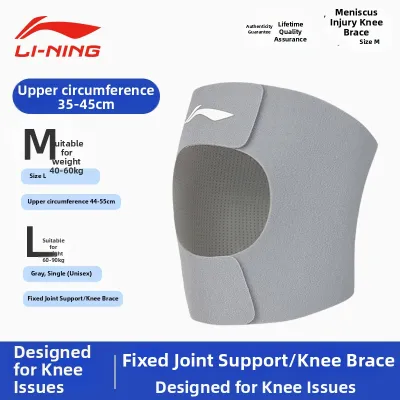

Prices are valid at publication and may change. Please refer to the product page for the latest price.
Your current joint condition also dictates the level of support required. It is crucial to differentiate between mild, temporary discomfort and true joint instability. Mild soreness or stiffness after a long workout often responds well to light compression and warmth. However, if you experience a sensation of the knee “giving way,” shifting out of place, or sliding laterally, this indicates potential ligament instability or structural weakness that compression alone cannot address.
For your safety, you must recognize when to stop self-selecting gear and consult a medical professional. If you experience sudden, severe swelling immediately after an impact, sharp pain that prevents you from bearing weight, or joint locking where you cannot fully bend or straighten your leg, do not attempt to manage these symptoms with an over-the-counter support. These are signs of acute injuries, such as ligament tears or meniscus damage, which require a formal diagnosis from an orthopedic specialist or physical therapist.
Knee Sleeves: Compression and Mild Support
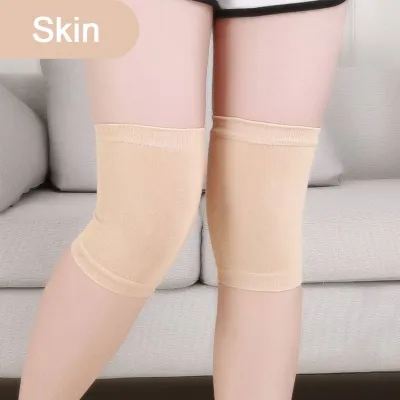
Knee sleeves are elastic, slip-on supports designed to cover the entire joint area. Unlike rigid braces, they do not feature mechanical hinges or straps. Instead, they work primarily through compression and heat retention. This compression enhances proprioception, which is your brain’s ability to sense the position and movement of the joint. Improved joint awareness helps you maintain proper form during repetitive movements, reducing the risk of awkward landings or misaligned strides.

These supports are best suited for linear, low-impact, or controlled strength activities. Weightlifters, powerlifters, steady-state runners, and general gym-goers frequently use sleeves to keep the joint warm and lubricated during workouts. The continuous compression helps manage minor swelling and keeps the surrounding muscles engaged and warm, which is particularly beneficial during early morning training sessions or in air-conditioned fitness centers.
When shopping for a knee sleeve, several key features must be verified on the product label or manufacturer specifications. Material thickness is a primary consideration: 3mm sleeves are lightweight and ideal for endurance running or high-temperature outdoor workouts; 5mm sleeves offer a balanced blend of support and flexibility for general gym training; and 7mm sleeves provide heavy-duty compression suited for heavy squatting and powerlifting. Additionally, look for integrated silicone grip strips along the inner cuffs to prevent the sleeve from sliding down when you sweat. Ensure the material is breathable and machine-washable to handle the buildup of sweat and odor.
Keep in mind that knee sleeves have clear limitations. Because they lack rigid components, they do not provide structural stability to the ligaments. If you have a torn ACL or a severe meniscus tear, a sleeve will not prevent the knee from buckling or shifting laterally during high-impact pivoting movements.
Patellar Straps: Targeted Relief for Tendon Stress
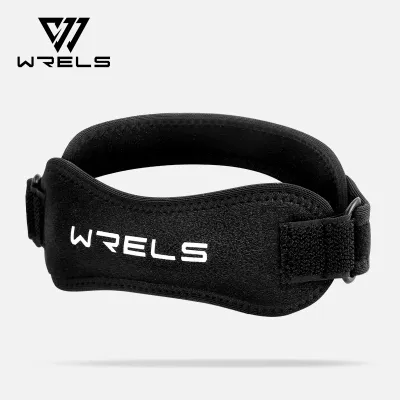
A patellar strap, often called a jumper’s knee strap, is a narrow band worn directly below the kneecap. Unlike a full sleeve, it does not cover the entire joint, leaving the back of the knee completely open. This design makes it exceptionally lightweight, highly breathable, and comfortable to wear during intense, sweaty activities in warm weather.
These straps are specifically engineered for sports that involve repetitive jumping, running, or rapid deceleration. Basketball players, volleyball players, and trail runners frequently experience localized pain directly below the kneecap, a condition often associated with patellar tendinopathy or “jumper’s knee.” The constant impact of landing on hard court surfaces or uneven terrain places immense stress on the patellar tendon, leading to micro-tears and inflammation.
The mechanism of action relies on targeted pressure. According to manufacturer specifications, the strap features a padded insert that presses directly against the patellar tendon. This pressure alters the angle at which the tendon inserts into the shinbone, effectively distributing the mechanical forces across a wider area. By reducing the localized load on the tendon during impact, the strap helps alleviate discomfort and prevents further irritation during active play.
Proper fit and adjustment are critical to ensure the strap works effectively without causing harm. Position the padded section directly on the tendon, which lies in the soft depression just below your kneecap. Tighten the hook-and-loop closure so that it feels firm and secure when you stand, but verify that it does not pinch the back of your knee or restrict circulation. If you experience tingling, numbness, coldness in your foot, or skin discoloration, the strap is too tight and must be loosened immediately to prevent nerve or vascular compression.
Hinged Braces: Maximum Stability and Joint Protection
Hinged braces represent the highest level of external joint support available without a custom medical prescription. These braces feature a structured frame—either made of rigid aluminum, composite materials, or heavy-duty fabric sleeves—integrated with mechanical hinges on both sides of the knee. They are designed to physically restrict abnormal joint movements while allowing normal bending and straightening.
This category is best suited for contact sports, post-operative recovery, or individuals managing diagnosed ligament instability. If you play sports with high lateral impact risks, such as football, rugby, or martial arts, a hinged brace helps protect the medial and lateral collateral ligaments (MCL and LCL) from twisting or buckling under external force. They are also commonly prescribed during rehabilitation phases after surgeries like ACL reconstruction to protect the healing graft during early weight-bearing activities.
When selecting a hinged brace, you must verify the type of hinge based on your activity needs. Polycentric hinges feature multiple pivot points that closely mimic the natural, complex gliding motion of the human knee joint, making them the preferred choice for active sports. Single-axis hinges pivot on a single point and are generally used in rigid post-op braces to restrict movement to simple flexion and extension. Additionally, choose between rigid-frame braces, which offer maximum protection against direct side impacts, and soft-shell hinged braces, which embed the hinges within a neoprene or knit sleeve for a lower profile and greater comfort.
Despite their protective benefits, hinged braces come with significant trade-offs. They are bulky, heavy, and can noticeably restrict your speed and agility. Because they limit lateral movement, they may feel restrictive during fast-paced games. Furthermore, precise sizing is mandatory. While high-quality hinged braces can be a significant investment, often costing upwards of ₱2,500, a brace that is too loose will slide down, misaligning the hinges with your joint center, which can cause skin chafing and fail to provide the intended structural protection. Always measure your thigh and calf circumferences precisely according to the manufacturer’s sizing guide before purchasing.
Decision Matrix: Matching the Brace to Your Sport
To finalize your selection, use this conditional framework to match the right knee cap support to your specific athletic activities and physical needs:
- Choose Knee Sleeves if: Your sport involves linear movements like running, weightlifting, or general gym workouts, and your primary goal is to maintain joint warmth, receive mild compression, and improve your overall joint awareness without restricting your natural range of motion.
- Choose Patellar Straps if: Your activity involves repetitive jumping, running, or sudden stops on hard surfaces, and you experience localized pain directly below the kneecap, requiring targeted pressure to relieve stress on the patellar tendon.
- Choose Hinged Braces if: Your sport involves physical contact, heavy lateral pivoting, or if you are returning to play after a diagnosed ligament injury and require rigid, mechanical support to prevent abnormal lateral or rotational joint movement.
Before making your final choice, always verify your symptoms. If you experience sharp pain, joint locking, clicking accompanied by pain, or severe swelling, bypass self-selection entirely. These symptoms require a professional medical evaluation to ensure you do not aggravate an underlying structural injury.
Frequently Asked Questions (FAQ)
How tight should my knee cap support be?
A knee cap support should feel snug, firm, and secure, providing even compression across the joint without slipping or bunching during movement. It should never feel painfully tight or pinch your skin. To ensure safety, check for warning signs of restricted blood flow, such as tingling, numbness, a cold sensation in your lower leg or foot, or visible skin discoloration. Always refer to the manufacturer’s sizing chart and use a flexible measuring tape to measure the circumference of your leg at the exact points specified—usually around the center of the kneecap, or a set distance above and below the joint.
Can I wear knee support all day?
It is generally not recommended to wear any knee support all day unless specifically directed by a medical professional. Prolonged use can lead to muscle dependency, where the muscles and tendons surrounding the joint weaken because they rely on the external brace for stability rather than their own strength. Additionally, wearing synthetic materials like neoprene for extended periods in warm, humid climates can trap sweat and moisture against the skin, leading to chafing, heat rashes, or bacterial irritation. Remove the support during rest periods, sleeping, or non-strenuous daily activities to allow your skin to recover and your muscles to engage naturally.
Community discussion
Share your experience or ask a question. Comments are reviewed before publication.