
Choosing the right shin guard for football is a critical decision that directly impacts your safety, comfort, and performance on the pitch. The ideal style depends on balancing your protection requirements with your specific playing position, physical contact level, and personal comfort preferences. Whether you are navigating a fast-paced match on dry artificial turf or battling through a muddy rainy-season game, your gear must stay secure without restricting your movement. The three primary styles—slip-in, ankle, and sleeve-type guards—each offer distinct advantages tailored to different styles of play. This guide will help you diagnose your specific on-field needs, compare the structural differences of each type, and select the perfect pair to keep you protected and agile.
Assess Your Protection Needs and Playing Style
Before browsing online marketplaces or visiting a local sports shop, you must evaluate your personal playing style and the typical physical demands of your position. Football is a contact sport where mistimed tackles and stray studs are common, but the level of risk varies significantly across the pitch. For instance, center-backs and defensive midfielders frequently engage in high-impact physical duels, block powerful shots, and contest 50-50 balls, making robust protection a top priority. Conversely, wingers and forwards rely on explosive acceleration, rapid changes of direction, and close ball control, meaning they often prefer lightweight, low-profile gear that minimizes bulk and maximizes freedom of movement.
Your personal injury history should also play a decisive role in your selection. If you have a history of painful shin bruises or are recovering from ankle sprains, prioritizing extra coverage over weight savings is a smart, safety-first decision. Additionally, consider how your gear interacts with your football socks and boots. In hot and humid tropical climates, heavy or overly thick protective gear can trap sweat and heat, leading to discomfort and skin irritation during long training sessions. Balancing the trade-off between maximum physical protection and lightweight mobility requires a realistic assessment of your skill level, the intensity of your matches, and your tolerance for bulkier equipment. Remember that while high-quality gear reduces the risk of minor impacts, it cannot replace proper tackling technique, physical conditioning, and sound on-field judgment.
Products mentioned in this guide
![[COD]2 pcs Soccer Shin Guards Pads For Adult Soccer Football Shin Guards Socks Pads Professional Leg Supports Protector Pads Soccer Shin Pad Protective Pad for Football Games Leg Sleeves Pads On Sale](https://img.lazcdn.com/g/p/67cacf2199514283a72004a5ad360105.jpg_400x400q80.jpg_.webp)
![[LIXIAOJU] 1 Pair Football Shin Pads Plastic Soccer Guards Leg Protector For Kids Adult Protective Gear Breathable Shin Guard](https://img.lazcdn.com/g/p/f779cc3cc4d868ae58547b41f5520b64.jpg_400x400q80.jpg_.webp)
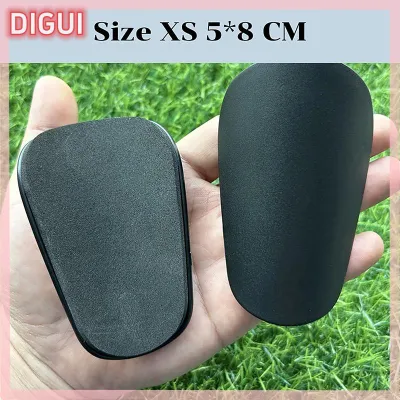
![[EliteGlint] 1Pair Mini Football Shin Pad Wear-resistant Shock Absorbing Leg Protector Lightweight Portable Soccer Training Shank Board](https://img.lazcdn.com/g/p/da355a623ae5c10a0f0494d4c8ee9787.jpg_400x400q80.jpg_.webp)
Prices are valid at publication and may change. Please refer to the product page for the latest price.
Slip-In Shin Guards: Lightweight Protection for Agile Players
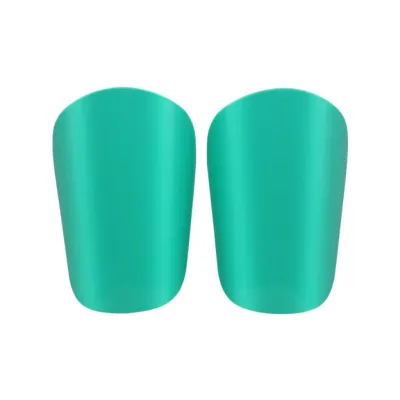
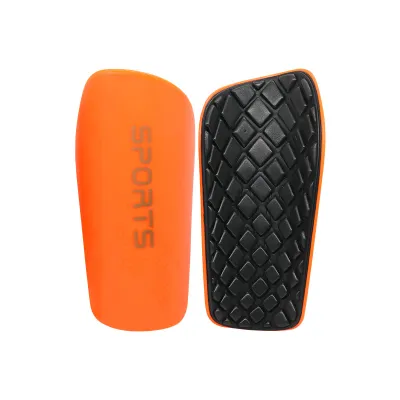
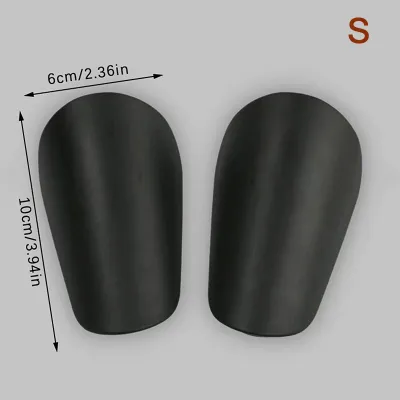
Slip-in shin guards represent the most minimalist design available to modern football players. This style consists of a simple, contoured protective plate—usually made of hardened plastic, fiberglass, or carbon fiber—with a foam backing designed to absorb impact. Unlike other styles, slip-in guards do not feature integrated straps or ankle wraps. Instead, they are worn directly against the skin or over a thin inner sock, held in place solely by the compression of your standard football socks or secured with athletic tape wrapped around the outside of the sock.

The primary advantage of slip-in guards is their incredibly lightweight and low-profile construction. Because they lack extra fabric, straps, or ankle cups, they offer unparalleled freedom of movement, allowing agile players to sprint, cut, and control the ball without feeling restricted. This makes them highly popular among advanced players, wingers, and forwards who prioritize speed and a “barefoot” feel. However, this minimalist design comes with notable limitations. Slip-in guards offer absolutely no built-in ankle protection, leaving the vulnerable ankle bones exposed to stray kicks and hard tackles. Furthermore, because they rely on external tension to stay in place, they can shift or slide down your leg during intense play if your socks lose their elasticity or if you do not use enough athletic tape. This style is best suited for experienced, highly agile players who understand how to avoid high-impact collisions and do not require additional ankle stabilization.
Ankle Shin Guards: Maximum Coverage for High-Contact Positions
For players who prioritize safety and comprehensive coverage above all else, ankle shin guards are the traditional and most protective option. This integrated design features a heavy-duty hard shin plate that extends downward into a padded fabric sleeve equipped with built-in ankle cups. These cups, often reinforced with plastic inserts, sit directly over the prominent bones on the inner and outer sides of your ankle. The guard is secured to the leg using an under-foot stirrup strap and an adjustable hook-and-loop strap at the top of the calf, ensuring the plate remains locked in position regardless of how much you run or slide.
The standout benefit of ankle shin guards is their superior impact protection. They shield not only the shin bone but also the highly vulnerable ankle joint from painful clips, late tackles, and low-driven balls. This makes them an excellent choice for defenders, defensive midfielders, and youth players who are still developing their tackling skills and spatial awareness. However, this level of protection introduces clear trade-offs. Ankle guards are noticeably heavier and bulkier than slip-in alternatives, which can slightly restrict ankle flexion and make quick footwork feel less fluid. Additionally, the extra fabric and padding can feel exceptionally warm and heavy when playing in high-humidity environments, as they absorb sweat and take longer to dry. Despite these drawbacks, the added security is invaluable for players recovering from ankle issues or those who consistently play in highly physical, competitive leagues.
Shin Guard Sleeves: Secure Fit and Convenience for All Levels
Sleeve-type shin guards offer a modern, highly functional compromise that bridges the gap between the minimalism of slip-ins and the security of ankle guards. This system consists of two separate components: a pair of elasticized compression sleeves and a pair of matching protective plates. The sleeves feature a built-in pocket on the front, allowing you to slide the hard guard securely into place before pulling the sleeve up over your calf. This design utilizes compression technology to keep the guard firmly pressed against your shin, eliminating the need for messy athletic tape or restrictive straps. This eliminates the recurring cost of buying rolls of athletic tape, which can easily add up to over ₱500 per season.
The main advantage of sleeve-type guards is their exceptional convenience and secure fit. The compression sleeve distributes pressure evenly across the calf muscle, preventing the guard from shifting during sudden sprints or jumps while promoting local blood flow. They are incredibly easy to put on and take off, making them a favorite for recreational players, weekend warriors, and youth athletes who want a hassle-free pre-match routine. On the flip side, sleeves do have limitations. Over time, the elastic fibers in the sleeves will naturally stretch out and lose their grip, especially with frequent washing, which means you may eventually need to purchase replacement sleeves to maintain a secure fit. They also offer minimal ankle protection compared to dedicated ankle guards and can trap a moderate amount of heat, though many modern designs utilize breathable mesh fabrics to mitigate this issue. This style is ideal for players of all levels who want a reliable, tape-free fit with a balanced level of protection.
How to Verify the Correct Fit and Sizing
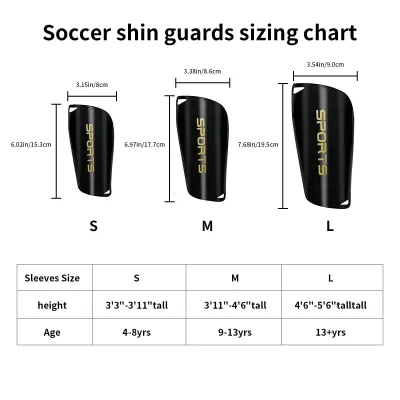
No matter which style of shin guard you choose, the level of protection it provides depends entirely on a proper fit. To find your correct size, start by measuring your lower leg using a flexible tape measure. Measure from approximately two inches below your knee crease down to about one inch above your ankle bone; this represents the maximum height your shin guard should occupy. Cross-reference this measurement with the specific manufacturer’s sizing chart, as sizing can vary significantly between different sports brands.
When trying on the guards, perform a thorough physical check of the coverage area. The guard should cover at least two-thirds of your shin bone to ensure adequate protection, but it must not extend so high that it pinches your knee when you bend it, nor so low that it digs into your ankle joint when you flex your foot. Next, verify the secure placement of the guards by wearing them with your actual football socks and boots. Perform a series of simulated on-field movements, including high knees, lateral jumps, and kicking motions. If the guard slides, twists, or pinches your skin during these movements, it is either the wrong size or requires a different securing method. Finally, ensure the bottom edge of the guard does not press uncomfortably against the collar of your football boot, as this constant friction can cause painful blisters and distract you during a match.
Frequently Asked Questions (FAQ)
Are shin guards mandatory in organized football matches?
Yes, shin guards are strictly mandatory under the official laws of the game established by international and local football governing bodies. For any organized match, tournament, or official league play, players are required to wear protective guards that provide a reasonable degree of protection. These guards must be made of suitable materials, such as plastic or rubber, and must be completely covered by the player’s football socks at all times during play to ensure the safety of everyone on the pitch.
How often should I replace my football shin guards?
You should inspect your shin guards regularly and replace them immediately if you notice any signs of structural compromise. Look for deep cracks, severe dents, or a softening of the outer shell, as these defects significantly reduce the guard’s ability to absorb and distribute impact forces. Additionally, replace your gear if the elastic straps on ankle guards stretch out, the hook-and-loop fasteners fail to hold, or the compression sleeves lose their elasticity and allow the guards to slip. Finally, growing youth players must upgrade their guards as soon as the equipment no longer covers at least two-thirds of their shin bone to maintain adequate protection.
Community discussion
Share your experience or ask a question. Comments are reviewed before publication.