
Upgrading a mountain bike on a budget requires a strategic approach, focusing on components that directly influence control, safety, and comfort. For riders in the Philippines navigating diverse terrains—ranging from steep, muddy provincial trails to congested urban roads—Promax MTB components offer an accessible entry point to enhance performance without overspending. By systematically evaluating your current setup, prioritizing high-impact areas like braking systems and cockpit ergonomics, and verifying compatibility, you can achieve a safer, more responsive ride while keeping your expenses under control.
Assessing Your Current Setup and Upgrade Priorities
Before purchasing any new parts, conduct a thorough visual and functional inspection of your mountain bike to identify which components require immediate attention. Check your existing brakes for responsiveness, inspect the brake pads for uneven wear or oil contamination, and examine the drivetrain for worn sprocket teeth or chain stretch. Additionally, inspect your contact points—such as the grips, pedals, and saddle—for physical degradation, cracks, or excessive play. This initial assessment helps you distinguish between critical safety hazards, like frayed brake cables or cracked components, and simple performance bottlenecks, such as a heavy handlebar or a sluggish mechanical brake caliper.
Prioritizing necessary replacements over optional performance upgrades is essential when working within a tight budget. If a component is worn to the point of failure or compromises your control, it must be replaced immediately to ensure safe operation on the trail. If your current parts are functioning safely but lack the responsiveness or comfort you desire, you can plan your upgrades incrementally over time. This step-by-step approach prevents unnecessary spending, allows you to focus your funds where they will make the most noticeable difference, and ensures you do not compromise on the quality of essential safety gear.
Products mentioned in this guide
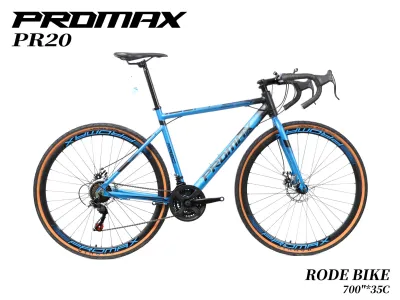
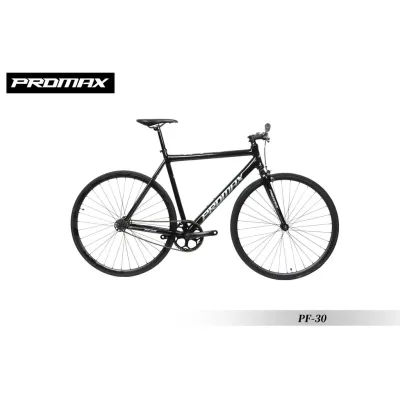
Prices are valid at publication and may change. Please refer to the product page for the latest price.
Establish a clear budget framework before browsing online catalogs or visiting local bike shops in your area. For entry-to-mid-level mountain biking, determine how much you are willing to spend overall, perhaps setting aside a specific portion—such as ₱1,500 to ₱3,000—for high-priority areas like braking or cockpit adjustments. Define your must-have features, such as reliable stopping power or improved steering leverage, and identify acceptable compromises, such as accepting slightly heavier alloy components instead of expensive, lightweight carbon fiber. This disciplined approach keeps your upgrade project practical and prevents impulse purchases that do not contribute to your riding goals.
High-Impact Promax Upgrades for Tight Budgets
Upgrading your braking system is often the most effective way to improve trail safety and riding confidence. If your bike currently uses mechanical disc brakes, transitioning to Promax hydraulic disc brakes can provide a significant improvement in modulation and stopping power with less hand fatigue. Hydraulic systems use fluid to transfer force, eliminating the friction and stretch associated with traditional steel cables. When planning this transition, verify the compatibility of your existing brake rotors and check whether the new system uses organic or metallic brake pads, as this affects both stopping performance and wear rates under different weather conditions.

Adjusting your cockpit is another cost-effective method to enhance your riding experience and overall bike handling. Swapping your stock stem for a shorter Promax stem or upgrading to a wider handlebar can dramatically alter your riding posture, providing better steering leverage and overall control on steep descents. A wider bar allows for more chest expansion and control, while a shorter stem quickens steering response, making it easier to navigate tight, technical trails. When selecting a handlebar, consider the rise and sweep angles to find a position that minimizes wrist strain during long rides.
Your contact points—specifically your pedals and seatpost—play a vital role in power transfer, grip, and long-ride comfort. Upgrading to Promax alloy pedals with robust grip pins helps keep your feet securely planted in wet or muddy conditions, reducing the risk of slipping off the pedals during technical climbs. Similarly, a properly fitted seatpost ensures correct leg extension, reducing knee strain and improving overall pedaling efficiency during long hours in the saddle. Look for seatposts with reliable clamp designs that allow for fine tilt adjustments to optimize your saddle position.
Always verify manufacturer specifications and mounting standards before adding any component to your cart. Mountain bike standards vary widely across different brands and model years, and assuming a part will fit can lead to costly return shipping or unusable components. Take the time to measure your existing parts and compare them directly with the specifications provided by the manufacturer to ensure a seamless installation process.
Navigating Compatibility and Hidden Costs
To avoid installation failures and budget overruns, you must verify several critical measurements before purchasing new components. For cockpit upgrades, measure your fork’s steerer tube diameter (commonly 1-1/8 inches) and your handlebar clamp size (typically 31.8mm or 35mm). When upgrading brakes, identify your frame and fork mounting types, such as International Standard (IS) or Post Mount (PM), and confirm your rotor diameter (such as 160mm or 180mm) to ensure you purchase the correct adapters. Additionally, verify pedal thread sizes, as standard three-piece cranks require a 9/16-inch thread, while older or entry-level one-piece cranks may use a 1/2-inch thread.
Budgeting for an upgrade involves more than just the purchase price of the component itself. You must account for hidden costs, including shipping fees to your specific region in the Philippines, local taxes, and any specialized tools required for installation. If you do not own tools like a torque wrench, a cable cutter, or a hydraulic brake bleed kit, you should factor in the cost of professional installation or brake bleeding services at a trusted local bike shop. Many riders find that paying a professional mechanic for installation is more cost-effective than purchasing specialized tools that they may only use once or twice.
Knowing when to pause your upgrade project is crucial for your safety and the integrity of your bicycle. If you encounter conflicting frame specifications, or if a component does not fit smoothly without applying excessive force, stop immediately. Forcing a mismatched part can strip threads, crack alloy frames, or damage the component itself, leading to expensive repairs. In these situations, consult a qualified bicycle mechanic to verify compatibility and guide you on the correct parts to purchase.
Sourcing Authentic Promax Parts in the Philippines
Finding genuine Promax components requires careful selection of your purchasing channels to avoid counterfeit products. To ensure you receive authentic parts, source your components from authorized local bike shops or official brand storefronts on reputable e-commerce platforms. Many established physical bike shops in major metropolitan areas and provinces carry genuine inventory and can provide valuable advice on compatibility and installation. Buying from an authorized local dealer also ensures you have access to reliable customer support if you encounter any issues with your purchase.
Be vigilant for red flags that indicate counterfeit or compromised components. Suspiciously low prices that seem too good to be true, missing original packaging, incomplete hardware, or a lack of official warranty documentation are strong indicators of counterfeit items. Genuine Promax components are manufactured to meet specific safety standards, and using counterfeit parts in high-stress areas like brakes, stems, or handlebars poses a severe safety risk on the trail. Investing in authentic parts protects your physical safety and ensures the durability of your upgrade.
Before finalizing your checkout on any online marketplace, carefully review the seller’s ratings, customer feedback, and return policies. Look for detailed reviews from other cyclists who have successfully installed and ridden the specific component. Ensure the seller offers a clear return policy in case the part arrives damaged or does not match the advertised specifications, protecting your hard-earned budget from fraudulent listings.
Maintenance Practices to Protect Your Investment
Once you have installed your new Promax components, establishing a routine maintenance schedule is the best way to protect your investment and extend their lifespan. Clean your bike regularly with mild soap and water, avoiding high-pressure sprays near bearings and hydraulic seals, which can force water inside and cause premature wear. In the tropical climate of the Philippines, where humidity and mud are common, applying a high-quality bicycle lubricant to moving parts and wiping away any excess is essential to prevent rust and abrasive wear from trail debris.
Perform quick visual and physical checks before every ride to ensure your bicycle remains safe to operate. Inspect your brake pads for adequate thickness, check inner cables for fraying or corrosion, and use a torque wrench to verify that critical bolts—especially on your stem, handlebars, and brake calipers—are tightened to the manufacturer’s specified torque values. These simple checks can prevent mechanical failures, keep your components functioning optimally, and save you money on premature replacements.
Always prioritize safety and stop riding immediately if you detect signs of structural damage or mechanical failure. If you observe hydraulic fluid leaks around your brake levers or calipers, feel unusual play in your steering, or notice cracks in your alloy components, do not attempt to ride the bicycle. Seek professional service from a qualified mechanic to diagnose and repair the issue before heading back out on the trail. Equipment upgrades can enhance your riding experience, but they cannot replace regular maintenance, proper training, and sound judgment on the trail.
Community discussion
Share your experience or ask a question. Comments are reviewed before publication.