
Selecting a suitable table tennis paddle requires a clear understanding of how physical materials translate to ball control, speed, and spin on the table. For players evaluating the Soarfly paddle lineup, the decision is not about finding a single universally superior model, but rather about aligning the paddle’s structural specifications with your personal physical mechanics and tactical goals. Because table tennis equipment performance is highly sensitive to environmental factors like tropical humidity and temperature, choosing a setup with the right balance of wood plies, sponge density, and rubber texture is essential for consistent play.
By analyzing your current consistency, stroke habits, and preferred style of play, you can systematically filter through available options. Whether you are a recreational player enjoying casual matches in a local community center or an aspiring competitor training in a dedicated sports club, verifying the blade composition and rubber characteristics before purchasing ensures that your equipment supports your development rather than hindering it.
Identifying Your Skill Level and Play Style
Before looking at specific product listings, you must objectively assess your current playing style and experience level. Table tennis strategies generally fall into three primary categories: offensive, defensive, and all-round. Offensive players focus on speed, aggressive topspin loops, and decisive smashes to win points quickly. Defensive players rely on control, heavy backspin chops, and precise blocks to absorb the opponent’s power and force unforced errors. All-round players maintain a balance, transitioning smoothly between defensive placement and moderate attacks depending on the flow of the rally.
Products mentioned in this guide
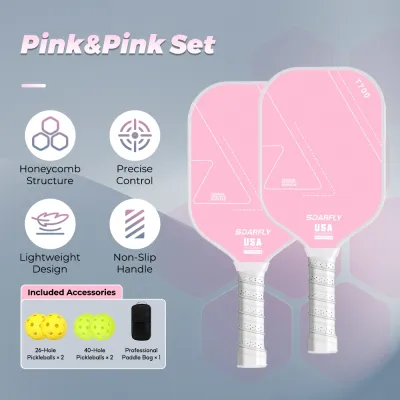
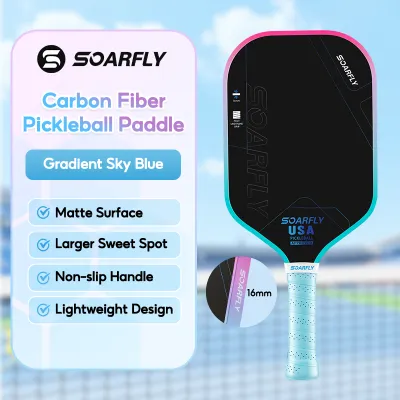
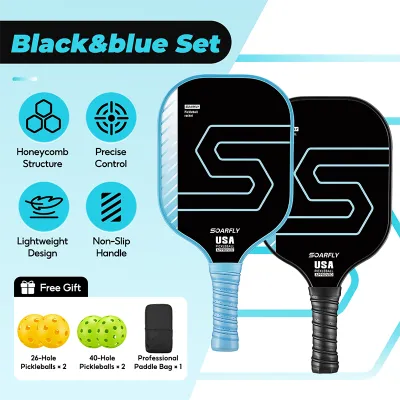
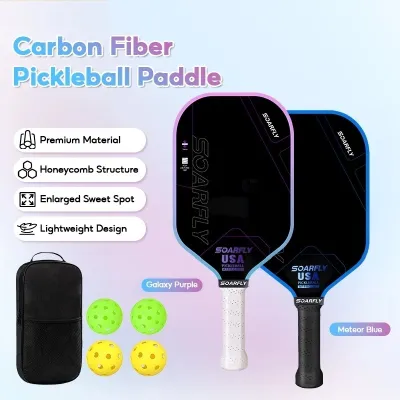
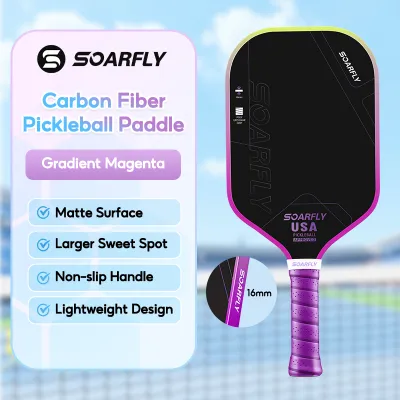
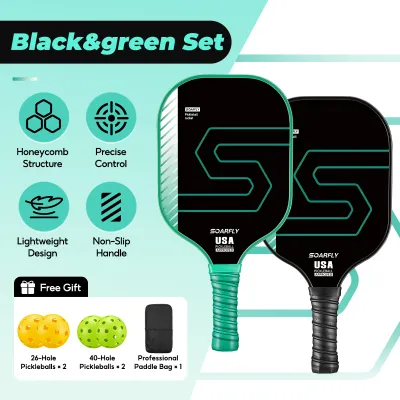
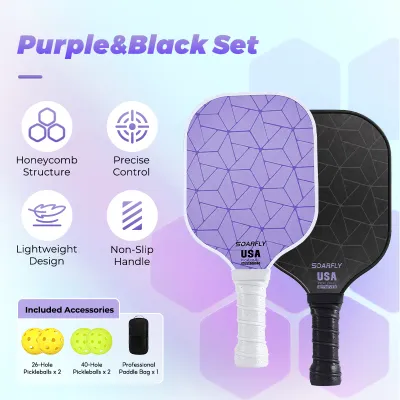
Prices are valid at publication and may change. Please refer to the product page for the latest price.
Your skill level is determined by stroke consistency, footwork, and your ability to read and manipulate spin. Beginners are still developing basic muscle memory and often struggle to return heavy spin consistently. Intermediate players can execute basic loops, pushes, and blocks with reasonable accuracy but may lack power or extreme spin control. Advanced players possess refined footwork, can generate high-speed shots from various distances, and can instantly adjust their racket angle to counter complex spin variations.
Matching your paddle to your actual skill level is crucial for long-term improvement. Using a highly advanced, stiff paddle too early in your development can lead to extreme frustration, as the ball will rebound off the racket too quickly for you to develop proper stroke mechanics. This mismatch often results in shortened, tentative strokes and a high rate of unforced errors. Conversely, an experienced player using a basic beginner paddle will find their offensive shots lacking the necessary speed and depth to challenge competitive opponents.
Key Soarfly Paddle Specifications to Check
To find the right Soarfly paddle, you must learn to read the technical specifications provided on product packaging or official descriptions. The core of any table tennis paddle is the blade, which is typically constructed from multiple layers of wood, sometimes reinforced with composite materials like carbon fiber. All-wood blades, usually consisting of five or seven plies, offer excellent vibration feedback and longer dwell time, meaning the ball stays on the racket slightly longer, giving you better control. Carbon-composite blades introduce thin layers of carbon fiber, which stiffen the blade, expand the sweet spot, and significantly increase the speed of your shots at the expense of some ball feel.

The rubber and sponge combination glued to the blade dictates how the paddle interacts with the ball’s surface. Inverted rubbers feature a smooth outer surface with the pimples facing inward toward the sponge, offering maximum surface area contact to generate high levels of topspin and backspin. Pips-out or pimpled rubbers have the textured side facing outward, which reduces the surface contact area and helps neutralize incoming spin, making them popular among defensive blockers or specialized attackers. Beneath the rubber lies the sponge; a thicker sponge (typically 2.0 mm or greater) acts like a spring, absorbing the ball deeper and launching it with more speed, whereas a thinner sponge (1.5 mm to 1.8 mm) provides a more direct feel of the wood blade, maximizing control and precision.
The handle shape is another critical specification that directly impacts your comfort and grip style. The two primary grip styles are shakehand, where you hold the paddle like you are shaking hands with someone, and penhold, where you grip the handle similarly to holding a pen. Shakehand paddles usually feature flared handles, which are wider at the bottom to prevent the racket from slipping out of a sweaty hand, or straight handles, which allow for quick transitions between forehand and backhand grips. In warm, humid environments, selecting a handle material that absorbs moisture effectively is vital to maintaining a secure grip throughout extended training sessions.
Matching Soarfly Features to Your Play Style
Once you understand the technical specifications, you can apply a conditional decision framework to select the appropriate Soarfly paddle configuration. If your play style is highly offensive and you prioritize fast attacks, topspin loops, and mid-distance rallies, you should look for a Soarfly model that features a carbon-infused blade or a stiff 7-ply wood construction. This should be paired with a thicker, harder sponge (2.1 mm or more) and highly tacky or tensioned inverted rubbers. This combination ensures that the energy from your stroke is efficiently transferred to the ball, producing the high-velocity shots needed to bypass your opponent’s defense.
If you prefer a defensive strategy that relies on heavy backspin, chopping from a distance, and absorbing the power of aggressive opponents, your recommended setup is quite different. You should seek out an all-wood 5-ply blade, which provides the high flexibility and vibration feedback necessary to feel the ball clearly. Pair this blade with a softer, thinner sponge (1.5 mm to 1.8 mm) and high-control inverted rubbers, or consider a specialized pips-out rubber on one side to disrupt the opponent’s spin rhythm. This configuration slows down the ball, allowing you to execute precise placements and deep, heavy chops with a lower risk of hitting the ball off the table.
For beginners, intermediate players, or those who prefer a balanced, all-round style, a moderate setup is highly recommended. Look for a standard 5-ply or 7-ply all-wood blade paired with medium-thickness sponges (around 1.8 mm to 2.0 mm) and moderate-grip inverted rubbers. This balanced configuration offers a forgiving sweet spot and sufficient control to practice basic strokes, while still providing enough speed to execute offensive loops and smashes when an opportunity arises. It serves as an excellent foundation for developing proper technique before committing to a highly specialized style.
It is important to note that a paddle may not be suitable if it feels excessively heavy for your wrist strength or if the handle shape causes physical discomfort. A racket that is too heavy can lead to early fatigue and increase the risk of wrist or elbow strain, especially during long practice sessions in warm conditions. Always verify the physical weight of the paddle, typically measured in grams, and check the handle dimensions to ensure they match your hand size before making a final decision.
Verifying Authenticity and Product Condition
To ensure your Soarfly paddle performs as intended, you must take steps to verify its authenticity and physical condition. Counterfeit table tennis equipment is common on various online marketplaces, and these imitation products often use low-grade wood and cheap, non-reactive rubbers that do not match the advertised specifications. To avoid this, purchase your equipment only from official brand stores, authorized sports retailers, or reputable online malls.
If you plan to participate in sanctioned local tournaments or official leagues, you must verify that the rubbers on your paddle carry the International Table Tennis Federation (ITTF) approval logo. This logo, usually printed near the base of the rubber sheet, indicates that the rubber meets strict standards regarding spin generation, surface properties, and thickness limits. Playing with non-approved rubbers can lead to disqualification in official competitions.
Upon receiving your paddle, conduct a thorough physical inspection before using it on the table. Check the edges of the blade for any signs of splintering, dents, or structural damage that may have occurred during transit. Inspect the rubber sheets to ensure they are glued flat against the sponge without any visible bubbling, peeling at the edges, or uneven adhesive application. The handle should be securely attached to the blade without any play or wobbling, ensuring a stable and reliable connection during play.
Frequently Asked Questions (FAQ)
How often should I replace the rubbers on my Soarfly paddle?
You should replace the rubbers on your paddle when you observe physical signs of degradation, such as a noticeable loss of surface grip, visible cracking, fading color, or peeling edges. In humid climates, sweat and dust can accelerate this wear, causing the rubber to become slick and lose its ability to generate spin. Rather than relying on a fixed calendar date, monitor how the ball behaves during play; if shots that normally land safely begin to slip off the racket and fly long, it is likely time to install new rubbers.
Can I upgrade just the rubbers on a pre-assembled Soarfly paddle?
Yes, most pre-assembled Soarfly paddles allow you to replace and upgrade the rubbers, provided the underlying wood blade remains in good structural condition. When removing the factory-applied rubbers, peel them off slowly and carefully from the handle toward the top of the blade to prevent the wood plies from splintering. Once the old rubber and residual glue are completely removed, you can apply specialized water-based table tennis glue to attach your new rubber sheets, allowing you to customize your paddle as your skills progress.
Community discussion
Share your experience or ask a question. Comments are reviewed before publication.