
Choosing the right soccer ball depends on two primary factors: the player’s age and their playing environment. Selecting an incorrect size can hinder skill development or cause unnecessary strain on developing joints, while choosing the wrong material can lead to a ball that wears out prematurely on rough surfaces or lacks the responsiveness needed for competitive matches. By matching the ball’s size to the player’s developmental stage and selecting a cover material suited to the playing surface, you can ensure a safer, more productive, and highly enjoyable playing experience.
Soccer Ball Sizes Explained by Age Group
Using a ball that matches a player’s physical development is essential for mastering fundamental techniques like dribbling, passing, and shooting. Soccer balls are categorized into standardized sizes, each tailored to specific age brackets to support proper motor skill progression and prevent injury.
Size 3 soccer balls are designed specifically for young players, typically under the age of eight. These balls are lightweight and have a smaller circumference, making them much easier for young children to control, kick, and chase. At this early developmental stage, players are still building basic coordination and motor skills. A smaller ball allows them to practice footwork without the physical strain of moving a heavy object, helping to build confidence and enthusiasm for the sport.
Products mentioned in this guide
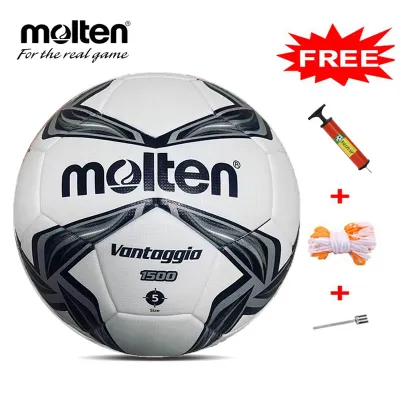
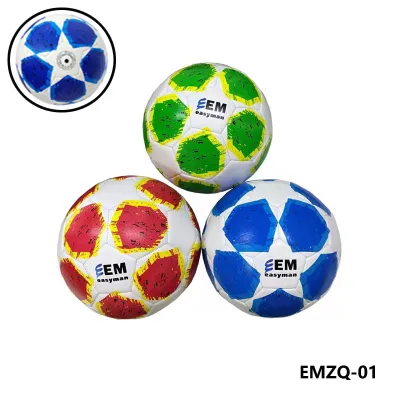
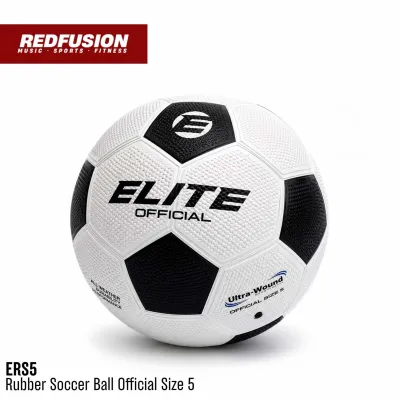
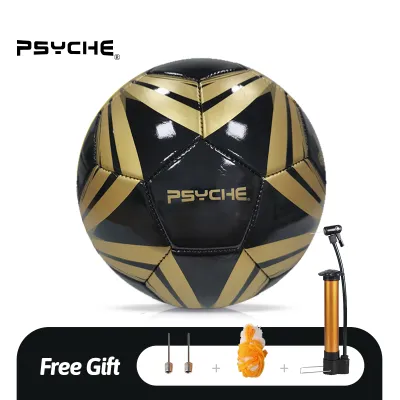
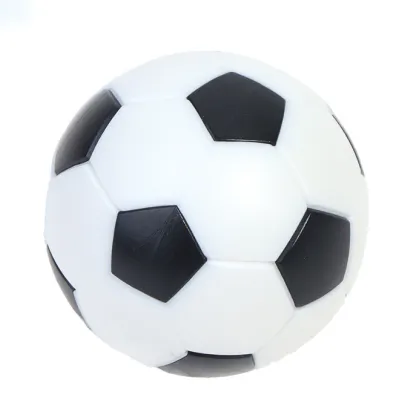
![[SALE] Size 4 & 5 Ball Football Soccer Game Ball Outdoor Football World Cup Football Soccer Ball](https://img.lazcdn.com/g/p/32643ec9e1f3b539f05e352495f6555b.jpg_400x400q80.jpg_.webp)
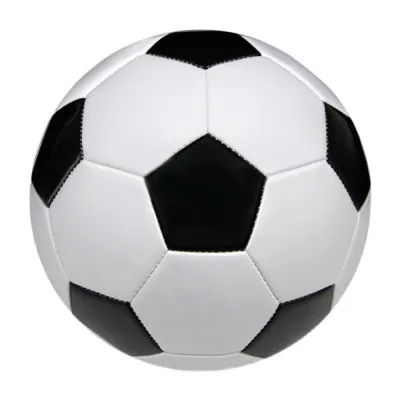
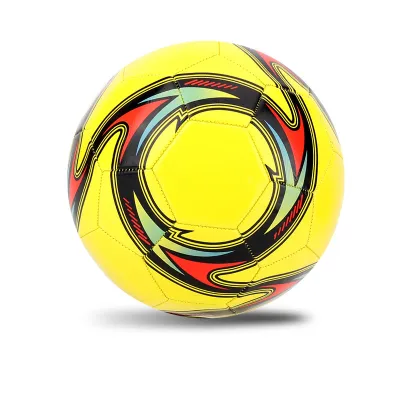
Prices are valid at publication and may change. Please refer to the product page for the latest price.
As players grow and transition into the eight-to-twelve age bracket, they move up to a Size 4 soccer ball. This size serves as a crucial stepping stone between the lightweight beginner balls and the full-sized adult models. A Size 4 ball is slightly heavier and larger, which encourages players to develop greater leg strength and more refined passing accuracy. This transition phase helps youth players adapt to realistic ball physics and bounce characteristics while still maintaining a scale that matches their physical stature.
Size 5 is the official standard match ball used by players aged twelve and above, including adult recreational and professional leagues. This is the largest and heaviest standard size, designed to deliver maximum flight stability and realistic bounce on full-sized pitches. Transitioning to a Size 5 ball marks a player’s entry into mature competitive play, where physical strength and technical precision must align with standard match regulations.
Before purchasing, always verify the official size marking, which is typically printed directly on the outer casing of the ball near the inflation valve. Additionally, check the manufacturer’s packaging or product specifications for age recommendations, as some brands may offer specialized lightweight variations of standard sizes for specific training programs.
Choosing the Right Material for Your Playing Level
The outer casing of a soccer ball dictates how it responds to your foot, how it behaves in the air, and how well it survives different playing surfaces. In tropical climates like the Philippines, where high humidity, sudden downpours, and rough concrete barangay courts are common, selecting the right material is critical for both performance and longevity.

Rubber-cased soccer balls are highly durable and exceptionally water-resistant, making them an excellent choice for beginners, casual street play, and abrasive surfaces. If you frequently play on concrete, gravel, or rough dirt patches, a rubber ball can withstand the constant friction without tearing or scuffing. While rubber balls tend to feel harder and offer less bounce control than synthetic alternatives, their resilience against moisture and rough terrain makes them highly practical for everyday recreational use.
PVC (Polyvinyl Chloride) soccer balls represent a middle ground, ideal for recreational play and basic training sessions. PVC is a tough plastic material that offers excellent resistance to scuffs and tears while providing a slightly softer feel than pure rubber. This material is highly suitable for young players practicing on grass or artificial turf, as it delivers a predictable bounce and decent touch without a premium price tag—often retailing around ₱500 to ₱1,500 depending on the brand. However, PVC can become stiff in cooler conditions or feel somewhat slick when wet, so it is most suitable for dry-weather training and casual matches.
For advanced players and competitive matches, synthetic leather—often made from high-grade Polyurethane (PU) or PU/PVC blends—is the standard. Synthetic leather balls offer a remarkably soft touch, superior responsiveness, and a natural feel off the foot. This material allows for precise spin, curved shots, and excellent control on natural grass or modern artificial turf. While synthetic leather is more susceptible to scuffs on concrete and can absorb moisture if not properly sealed, it is the standard choice for players looking to replicate professional match conditions.
When deciding on a material, you must balance durability against touch and performance. A soft synthetic leather ball will feel excellent during a match on turf but can quickly degrade if kicked against concrete walls or rough asphalt. Always check the manufacturer’s labels and product descriptions to verify the intended playing surface—whether indoor, outdoor, or turf—to ensure the ball’s construction matches your local playing environment.
Secondary Specs: Bladders and Panel Construction
Beyond the outer casing, the internal components and construction methods of a soccer ball play a significant role in how often you need to inflate it and how it performs over time.
The bladder is the innermost chamber that holds the air. Most soccer balls use either butyl or latex bladders. Butyl bladders are known for exceptional air retention, meaning they can hold their shape for weeks without needing a pump, making them highly convenient for casual players and school physical education programs. Latex bladders, on the other hand, are favored in high-performance match balls because they offer a softer, more responsive feel and a livelier bounce. However, latex is porous and loses air slowly over a few days, requiring frequent pumping before every session.
The panels of a soccer ball are either stitched together (machine or hand-stitched) or thermally bonded. Stitched balls, particularly hand-stitched models, offer great durability and a traditional feel, though water can seep through the seams during heavy tropical rains. Thermally bonded balls use heat to fuse the panels together, creating a seamless surface that prevents water absorption entirely. This keeps the ball light and consistent even on wet, muddy pitches.
If you want a low-maintenance ball for casual weekend games, prioritize a butyl bladder and stitched construction. If you are training for competitive club matches and demand the highest level of touch and flight consistency, look for a thermally bonded ball with a latex or high-grade synthetic bladder, keeping in mind that you will need to pump it up more frequently.
Frequently Asked Questions (FAQ)
How often should I pump up my soccer ball?
You should check your soccer ball’s air pressure before every training session or match rather than relying on a calendar schedule. Changes in temperature and humidity can cause air pressure to fluctuate. To find the correct inflation level, look for the recommended PSI (pounds per square inch) range printed directly near the ball’s inflation valve or on its original packaging. An under-inflated ball will exhibit a sluggish, heavy bounce and make passing difficult, while an over-inflated ball will feel excessively hard, increasing the risk of pain upon impact and potentially damaging the inner bladder seams.
Can I use an outdoor soccer ball on concrete or indoor courts?
Using a standard outdoor soccer ball on concrete or indoor courts is not recommended because abrasive hard surfaces will rapidly wear down the outer casing and seams. Standard grass or turf balls can also become dangerously slippery on smooth indoor floors, compromising your grip and control. If you regularly play on hard courts, look for balls specifically labeled for street soccer or futsal. These specialized balls often feature reinforced rubber or heavy-duty canvas covers to resist abrasion, and they may contain low-bounce bladders designed to keep the ball closer to the ground on hard surfaces. Stop using any ball if you notice exposed inner linings, deep tears, or bulging areas, as these can cause unpredictable bounces and increase the risk of ankle rolls or slips.
Community discussion
Share your experience or ask a question. Comments are reviewed before publication.