
When you are scaling a vertical rock face, your safety depends on a complex system of gear, technique, and physics. At the center of this system is the climbing rope, often referred to in outdoor circles as a “soft rope” due to its pliable feel and engineered elasticity. Unlike rigid utility cords, a dynamic climbing rope is specifically designed to stretch when subjected to sudden loads. This elasticity is a vital safety feature that acts as a primary shock absorber during a fall.
Understanding how a dynamic rope functions is essential for anyone transitioning from indoor gym climbing to outdoor crags. By stretching under tension, the rope elongates the time and distance over which a fall is arrested. This simple physical mechanism dramatically reduces the impact force transmitted to your body, your belayer, and the anchor points holding you to the wall. Without this controlled stretch, a fall could result in catastrophic gear failure or severe physical trauma.
What Is a Soft Rope in Climbing?
In the climbing community, the term “soft rope” is frequently used to describe a dynamic rope. This designation highlights the rope’s physical flexibility and its ability to deform and stretch under load, distinguishing it from stiffer, low-stretch utility lines. The primary purpose of a dynamic rope is to manage the kinetic energy generated during a fall, making it the standard choice for activities where falls are an inherent risk.
Products mentioned in this guide
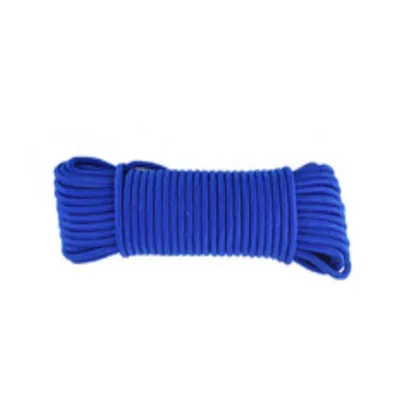

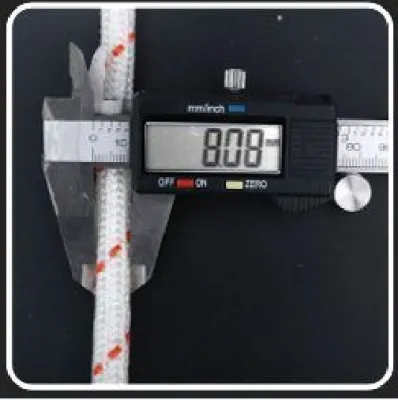
![[Reay Stock] Length 3/5/8/10/12M Diameter 8-10mm White Lifting Safety Rope Braided Rope,Polypropylene Rope Soft Rope](https://img.lazcdn.com/g/p/1e47a064e90015e58e2a4bad5b307fe4.png_400x400q80.png_.webp)
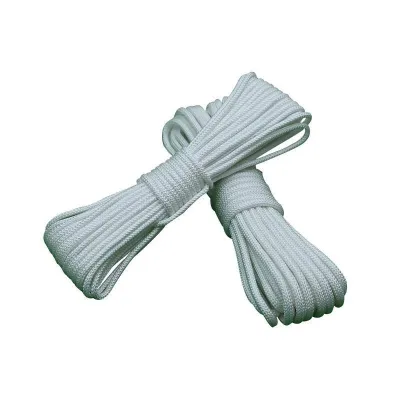

Prices are valid at publication and may change. Please refer to the product page for the latest price.
Dynamic ropes are engineered for scenarios like lead climbing and top-roping. In lead climbing, a climber clips the rope into protection points as they ascend. If they fall, they will drop past their last piece of protection, resulting in a fall that is twice the distance of their height above that gear. A soft, dynamic rope is the only type of equipment capable of safely absorbing the energy of such a fall.
Before using any rope for climbing, you must verify its intended use by checking the manufacturer’s technical specifications and labels. Never rely on the physical “feel” or softness of a rope to determine if it is dynamic. Many utility ropes sold in hardware stores or online marketplaces may feel soft to the touch but lack the internal construction required to hold a human fall. Always look for explicit product documentation indicating that the rope is rated for dynamic climbing.
In tropical climbing environments, such as the humid crags found across the Philippines, environmental factors play a significant role in rope performance. High humidity and sudden tropical downpours can saturate a rope, temporarily reducing its dynamic elasticity and increasing its weight. When climbing in these conditions, verifying whether your dynamic rope has a certified dry-treatment is an important step in ensuring consistent performance and handling.
The Construction and Materials of Dynamic Ropes
To understand how a dynamic rope achieves its elasticity, you must look at its internal structure. Modern climbing ropes utilize a specialized design known as kernmantle construction. This design separates the load-bearing duties from the protective duties, resulting in a highly durable and functional piece of safety gear.

The inner core, or kern, consists of thousands of thin nylon (polyamide) fibers. These fibers are twisted into bundles and then braided or coiled together in a highly precise, proprietary pattern. This coiled structure acts much like a series of microscopic springs. When a sudden force is applied, these coils unwind and stretch, absorbing the kinetic energy of the fall before gradually returning to their original shape.
The outer sheath, or mantel, is a tightly woven protective jacket that surrounds the core. While the sheath does contribute a small percentage to the rope’s overall strength, its primary job is to protect the delicate core fibers from abrasion against sharp rock edges, dirt penetration, and ultraviolet (UV) radiation. The weave density of the sheath determines how smooth the rope feels in your hands and how easily it glides through belay devices.
When purchasing or inspecting a dynamic rope, always check the product tags and technical manuals for material composition and safety certifications. High-quality climbing ropes are made from premium nylon polymers that have been heat-treated to optimize their stretch characteristics. Look for official certification marks on the packaging or the rope’s end tape to verify that the construction meets international climbing safety standards.
How a Dynamic Rope Protects You During a Fall
The physics of a climbing fall involve a rapid conversion of potential energy into kinetic energy. As you fall, you accelerate downward until the safety system catches you. If you were tied to an inelastic object, your downward momentum would stop almost instantly, transferring an immense, dangerous amount of force directly to your harness, your belayer, and the climbing anchors.
A dynamic rope protects you by facilitating dynamic elongation. As the rope tightens, the coiled nylon fibers in the core begin to stretch. This stretching action extends the deceleration phase of your fall over a longer distance and time. By spreading the deceleration out, the rope dissipates the kinetic energy as heat within the nylon fibers, significantly lowering the peak impact force of the fall.
Reducing this peak impact force is critical for two main reasons:
- Body Protection: High impact forces can cause severe internal injuries, whiplash, or skeletal damage, even if your harness holds. Dynamic elongation keeps these forces well within limits that the human body can safely tolerate.
- System Integrity: Climbing protection, such as bolts, cams, and nuts, is rated to withstand specific force limits. By keeping the impact force low, a dynamic rope prevents these anchors from ripping out of the rock face during a fall.
However, the protective qualities of a dynamic rope do not work in isolation. The rope is merely one component of a larger safety system. Its effectiveness relies heavily on proper belaying technique, such as providing a “soft catch” when appropriate, tying correct knots like the figure-eight follow-through, and using compatible belay hardware. Proper training and experience are required to ensure that the entire system functions as intended.
Dynamic vs. Static Ropes: Choosing the Right Gear
Choosing the right rope requires a clear understanding of the differences between dynamic and static ropes. While they may look similar from a distance, their physical properties and intended applications are entirely different. Using the wrong type of rope for a specific climbing activity can have severe, life-threatening consequences.
Dynamic ropes are characterized by high stretch, typically elongating between 20% and 40% during a severe fall. This high elasticity makes them the only safe choice for lead climbing, sport climbing, traditional climbing, and top-roping. In any scenario where a climber could fall from a position above their protection or anchor, a dynamic rope must be used.
Static ropes, on the other hand, are designed for minimal stretch, usually elongating less than 5% under standard working loads. They are engineered to remain stiff and stable, making them ideal for activities like rappelling, hauling heavy gear, ascending with mechanical ascenders, caving, and canyoning. Because they do not stretch significantly, they prevent the frustrating “bungee” effect when you are trying to climb up a fixed line or haul equipment.
Using a static rope for lead climbing is extremely dangerous. Because a static rope cannot stretch to absorb energy, a fall of even a few feet can generate forces high enough to break carabiners, rip anchors out of the rock, or cause severe spinal injuries to the climber. Static ropes should only be used in situations where the load is constant and there is no risk of a dynamic fall.
To help you decide which rope is appropriate for your needs, consider this basic decision framework:
- Sport and Trad Climbing: Always choose a dynamic single rope. Look for a diameter between 9.5mm and 10mm for a good balance of durability and smooth handling.
- Alpine and Mountaineering: Select a dynamic rope with a certified dry-treatment to prevent water absorption, which can freeze and make the rope heavy and difficult to manage.
- Rappelling and Caving: Choose a static rope to ensure a smooth, controlled descent and to minimize rope wear against abrasive rock edges.
Essential Safety Checks and Retirement Criteria
Climbing gear is subject to wear and tear, and dynamic ropes are no exception. Over time, the nylon fibers degrade due to friction, dirt, moisture, and UV exposure. Regular inspection is a mandatory habit that every climber must develop to ensure their gear remains safe to use.
Before every climbing session, perform a thorough visual and tactile inspection of your rope. Flake the entire length of the rope from one end to the other, running it slowly through your bare hands. You are checking for several specific warning signs:
- Core Shots: Feel for soft, mushy, or completely flat spots where the inner core may have collapsed or been damaged. If you can see the white core fibers poking through the colored outer sheath, the rope has suffered a core shot and must be retired immediately.
- Sheath Damage: Look for severe fraying, cuts, or burn marks caused by fast rappels or friction against other nylon gear.
- Stiffness: Check for sections of the rope that feel unusually stiff or rigid, which can indicate internal damage or chemical contamination.
There are several common triggers that require you to retire a rope immediately, regardless of its visual appearance. If the rope has held a severe, high-factor fall, its dynamic properties may be permanently compromised. Exposure to harsh chemicals, particularly battery acid, household cleaners, or strong solvents, can degrade nylon fibers without leaving visible marks. Additionally, you must respect the manufacturer’s stated lifespan, which is typically detailed in the user manual. Even an unused rope stored in a closet will degrade over time and should be retired after its maximum shelf life is reached.
While regular gear inspection is essential, it is important to remember that equipment cannot replace proper training, route assessment, and sound personal judgment. Investing ₱10,000 or more in a certified dynamic rope is a standard safety decision, but always seek professional instruction from certified climbing guides before heading outdoors, and never hesitate to retire a rope if you have any doubts about its safety history.
Frequently Asked Questions (FAQ)
Can I use a dynamic rope for rappelling?
Yes, you can safely use a dynamic rope for rappelling, and it is a standard practice on multi-pitch climbs where you must descend the same route you climbed. However, you must manage your speed carefully. The inherent stretch of a dynamic rope can cause a bouncing motion during your descent, which can cause the rope to rub aggressively against sharp rock edges. Always refer to the manufacturer’s guidelines for specific handling characteristics and speed limitations.
How do I know if a rope is safety certified?
To verify if a climbing rope is safety certified, look for recognized certification marks such as the UIAA (International Climbing and Mountaineering Federation) label or the CE (Conformité Européenne) mark. These certifications are typically printed on the heat-shrink end tape at the tips of the rope, on the original packaging, and within the official user manual. Avoid using unbranded, uncertified, or secondhand ropes with unknown histories, as they may not meet the rigorous safety standards required for life-support equipment.
Community discussion
Share your experience or ask a question. Comments are reviewed before publication.