
Choosing the right pool noodle depends entirely on whether you want to use it for structured swimming training or casual water play. For active swimming drills, water aerobics, and deep-water support, solid foam noodles provide the necessary rigidity and high buoyancy to keep your body properly aligned. Conversely, hollow pool noodles are lightweight, highly flexible, and easy to bend, making them the ideal choice for casual lounging, recreational games, and family pool activities. If your goal is targeted aquatic resistance training, specialized weighted noodles offer a denser core designed to increase workout intensity.
Understanding the Core Pool Noodle Types
To make an informed choice, you must first understand how the physical construction of each pool noodle type dictates its behavior in the water. Pool noodles are not uniform; their internal structure directly influences how they float, bend, and withstand regular use in chlorinated or salt water.
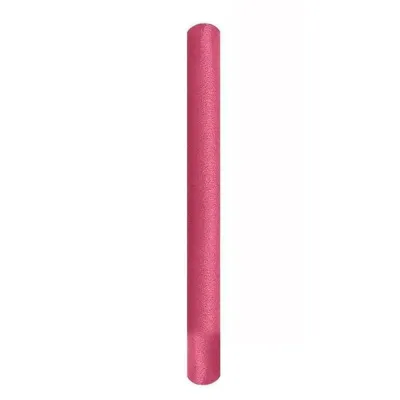
Solid pool noodles are manufactured from dense, closed-cell polyethylene foam without any hollow center. This solid core means there is more material per square inch, resulting in a heavier, more rigid structure. Because they do not compress easily and contain no air pockets that can collapse, solid noodles offer superior buoyancy. They remain straight and supportive even when significant weight is applied, making them a reliable tool for adults and structured aquatic exercises.
Products mentioned in this guide
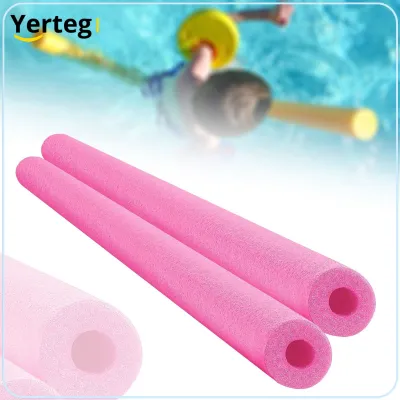
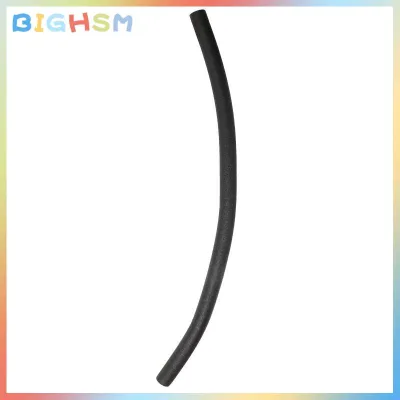
![[Local Delivery] Floating Pool Noodle Foam Tube Kid Float Swim Rods Solid Kindergarten Gymnastics Sponge Stick 2.76*51.18inches](https://img.lazcdn.com/g/p/238913fd666845297ec66fcbf51896d9.jpg_400x400q80.jpg_.webp)
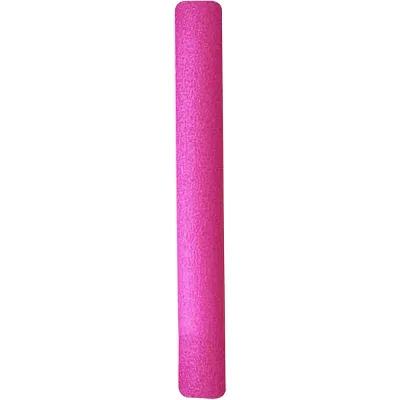
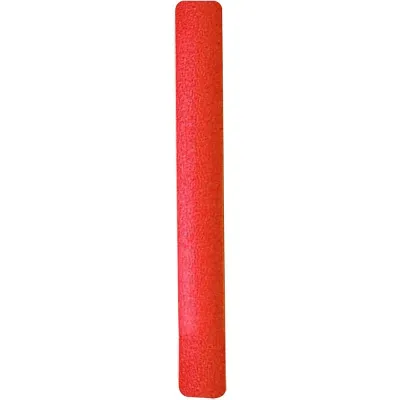
Prices are valid at publication and may change. Please refer to the product page for the latest price.
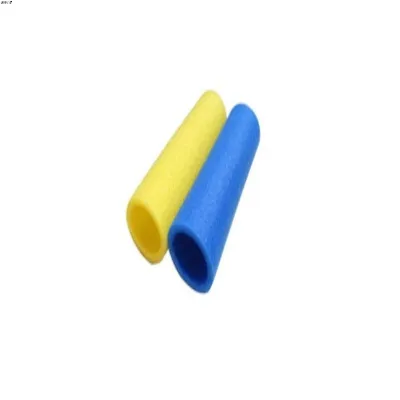
Hollow pool noodles feature a distinct tubular design with a circular opening running through the entire length of the center. This hollow core significantly reduces the amount of foam material used, making these noodles incredibly lightweight and highly flexible. They bend easily into rings, U-shapes, or custom configurations for creative water play. However, this flexibility comes at the cost of structural support; hollow noodles bend and compress easily under pressure, which reduces their overall weight-bearing capacity.
Weighted pool noodles are specialized aquatic fitness tools designed with integrated weights or a significantly denser, heavy-duty core. Unlike standard recreational noodles, these are engineered specifically to add resistance to water workouts rather than maximize flotation. Some designs feature removable weights or water-fillable chambers, allowing you to customize the resistance level. They are built to help you build strength and endurance during water aerobics or physical therapy sessions.
Key Comparison Dimensions for Your Water Activities
When evaluating pool noodles for your specific needs, several physical properties determine how well they will perform in your local swimming pool or beach resort. Understanding these dimensions helps you avoid the frustration of a noodle that sinks, tears, or fails to provide the expected support.

Buoyancy and support capacity represent the primary function of any flotation aid. Solid noodles offer the highest level of upward force because their dense, closed-cell foam displaces a larger volume of water without compressing. Hollow noodles, while still buoyant, can collapse slightly under heavy loads, reducing their effective flotation support. Before purchasing, always verify the manufacturer’s specified weight limits, especially if you plan to use the noodle for deep-water suspension or vertical flotation.
Flexibility and rigidity affect how easily you can maneuver the noodle and how stable it remains during movement. A highly rigid solid noodle provides a stable platform for kicking drills, keeping your lower body aligned without bending out of shape. On the other hand, the high flexibility of a hollow noodle allows you to wrap it around your body, sit on it like a saddle, or bend it into various shapes for recreational games.
Durability and wear resistance are crucial, particularly in tropical climates where intense sunlight and high humidity can accelerate material breakdown. Solid noodles generally offer superior durability because their dense structure is less prone to tearing or flaking. Hollow noodles, with their thinner walls, can tear more easily if snagged on pool edges or rough surfaces. Additionally, the inner chamber of a hollow noodle can trap water, making it susceptible to mold and mildew if not dried properly.
Drag and resistance play a major role in how a noodle affects your swimming mechanics. A thicker, more rigid solid noodle creates substantial drag when pushed through the water, which is excellent for building muscle strength but exhausting for casual swimmers. Weighted noodles take this a step further by using gravity and water resistance to challenge your muscles. Hollow noodles glide through the water with minimal resistance, making them effortless to move and play with.
Matching the Right Pool Noodle to Your Activity
Selecting the perfect pool noodle comes down to matching its physical characteristics with your primary water goals.
Choose a solid pool noodle if you require maximum buoyancy, reliable body support for swimming drills, or a durable tool for water aerobics. Choose a hollow pool noodle if you want an affordable, lightweight, and highly flexible float for casual lounging, family games, or children’s water play. Choose a weighted pool noodle if your main objective is structured aquatic strength training, physical therapy, or high-intensity water workouts.
Best Choices for Swimming and Aquatic Training
For those focused on lap swimming, water aerobics, or physical therapy, solid and weighted pool noodles are the clear choices. These activities require gear that can withstand continuous pressure and provide consistent, predictable support.
Solid noodles excel in kicking drills and core workouts because they do not bend or collapse when you rest your weight on them. When performing vertical water jogging or deep-water suspension exercises, a solid noodle keeps your torso upright and stable, allowing you to focus on your form. Weighted noodles add an extra layer of challenge, forcing your muscles to work harder against both gravity and water resistance to maintain balance and movement.
Before relying on any noodle for deep-water support, perform a quick check of its structural integrity. Squeeze the foam to ensure it feels firm and has not become soft or waterlogged. Check the manufacturer’s guidelines to verify that the noodle’s weight capacity matches your body weight. Avoid using hollow noodles for rigorous training sessions; their tendency to bend unpredictably under high resistance can disrupt your swimming stroke and compromise your safety.
Best Choices for Casual Water Play and Lounging
If your goal is relaxation, recreational games, or supervising children during a fun day at the pool, hollow noodles offer the most practical and cost-effective solution. Their lightweight design and high flexibility make them incredibly versatile for casual water activities.
Hollow noodles are perfect for lounging because they can easily bend into a U-shape to serve as a floating seat or a comfortable headrest. Children love them because they are easy to lift, splash with, and use for imaginative water games. They also serve as excellent temporary floating aids for beginners learning to feel comfortable in the water, though they must always be used under close supervision.
It is vital to establish clear safety boundaries: no pool noodle, whether solid or hollow, is a certified life-saving device. They should never be used as a substitute for life jackets or personal flotation devices, especially for children or non-swimmers. From a practical standpoint, hollow noodles are highly portable; they are easy to pack into a car trunk for family trips to beach resorts, and their lightweight nature means even young children can carry them effortlessly.
Safety, Maintenance, and Usage Limits
To ensure your pool noodles remain safe to use and last for multiple seasons, you must understand their limitations and establish a proper care routine. Tropical conditions, characterized by intense heat, high humidity, and strong UV rays, can quickly degrade foam materials if they are neglected.
First and foremost, recognize that pool noodles are recreational toys and not certified personal flotation devices (PFDs). They do not feature secure straps, guaranteed upright flotation, or the safety certifications required for life-saving equipment. Never leave children or weak swimmers unattended with a pool noodle, regardless of how buoyant it appears to be.
Before every pool session, conduct a quick inspection of your noodles using this checklist:
- Check for deep tears, cracks, or chunks of foam missing from the body.
- Look for flaking or powdery residue on the surface, which indicates UV damage.
- Test the buoyancy by pressing the noodle into the water to ensure it still resists submersion.
- Peer inside the core of hollow noodles to check for black mold, mildew, or trapped debris.
Proper cleaning and storage will significantly extend the lifespan of your gear. After every use in chlorinated pools or salty ocean water, rinse your pool noodles thoroughly with clean, fresh water. Allow them to dry completely in a shaded, well-ventilated area before storing them. This is especially important for hollow noodles, as moisture trapped inside the central chamber can quickly lead to mold growth in humid climates. Store your noodles away from direct, prolonged sunlight; continuous exposure to UV rays breaks down the polyethylene foam, causing it to become brittle, fade, and eventually crumble.
Know when it is time to retire and replace your pool noodle. If you notice significant flaking, deep tears that compromise the noodle’s structural integrity, or a noticeable loss of buoyancy, it is time to purchase a new one. Using a degraded noodle increases the risk of it snapping unexpectedly during use, which can lead to accidental submersion and safety hazards.
Frequently Asked Questions (FAQ)
Can I use a pool noodle as a life jacket for my child?
No, you should never use a pool noodle as a substitute for a certified life jacket or personal flotation device (PFD). Pool noodles are recreational toys that lack the safety certifications, secure body straps, and guaranteed upright flotation capabilities of approved life jackets. They can easily slip out from under a child’s arms, roll over, or lose buoyancy if damaged. For non-swimmers and children, always use a properly fitted, certified life jacket, and maintain constant, close adult supervision whenever they are near or in the water.
How do I connect multiple pool noodles together for water play?
To connect multiple pool noodles safely for water play, use specialized foam noodle connectors, which are designed to slide into the hollow ends or wrap around the bodies of the noodles. Alternatively, you can use water-resistant hook-and-loop straps or specialized aquatic duct tape to secure them together temporarily. Avoid using sharp wires, rigid metal fasteners, or toxic adhesives. These can cause serious scratches or puncture wounds, tear the foam material, or leach harmful chemicals into your swimming pool.
Community discussion
Share your experience or ask a question. Comments are reviewed before publication.