
Choosing between the Solomon grip enhancer and traditional lifting chalk depends on your training environment, sweat levels, and how much you value a direct feel of the barbell. Traditional chalk is excellent for absorbing moisture and maintaining a raw connection to the knurling, making it a staple in dedicated powerlifting gyms. However, a physical grip enhancer like the Solomon grip pad or wrap provides a durable, mess-free barrier that is ideal for commercial fitness centers where loose powder is banned.
Whether you are investing ₱500 in a block of chalk or ₱1,500 in a pair of durable grips, verifying how each tool interacts with your hands and the bar is key to lifting safely. This guide breaks down the mechanical differences, practical trade-offs, and ideal use cases to help you secure your heavy lifts safely.
How the Solomon Grip Enhancer and Lifting Chalk Work
Chalk works chemically and physically by absorbing sweat. When your palms sweat, moisture fills the microscopic gaps between your skin and the steel bar, reducing friction and causing the bar to slip. Magnesium carbonate (the primary component of lifting chalk) binds with this moisture, keeping your hands dry so your skin can lock into the knurling of the bar.
Products mentioned in this guide
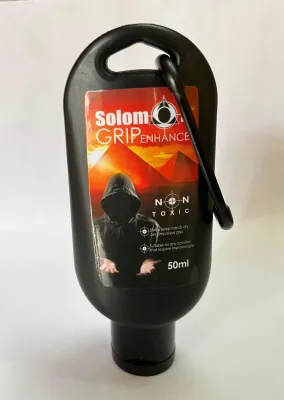
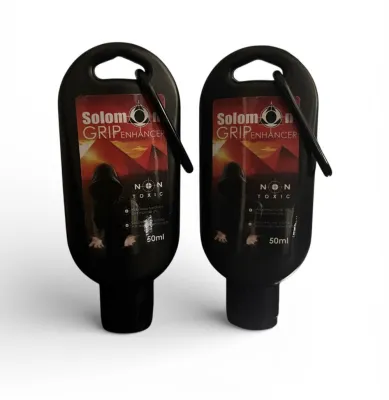
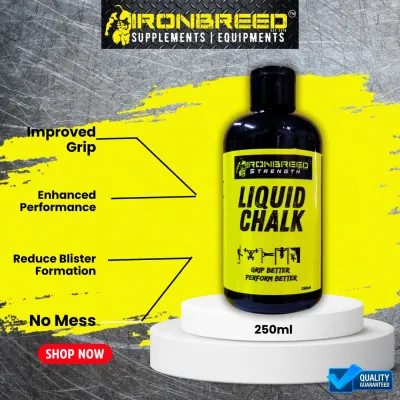
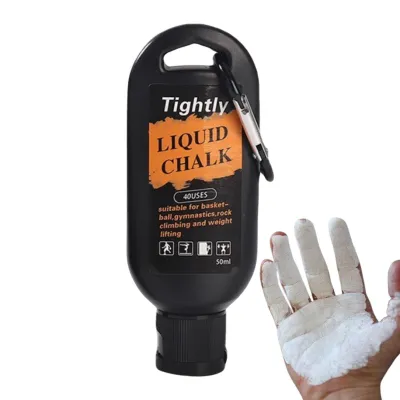
![[COD] CISWGE SPORTS 59ML Liquid Magnesium Powder Antiskid Dry Hand Fluid Dry Hands Chalk Liquid Magnesia For Grip Bouldering Gymnastics Climbing](https://img.lazcdn.com/g/p/7344fbd95e747f9b9666095bb34133a2.jpg_400x400q80.jpg_.webp)
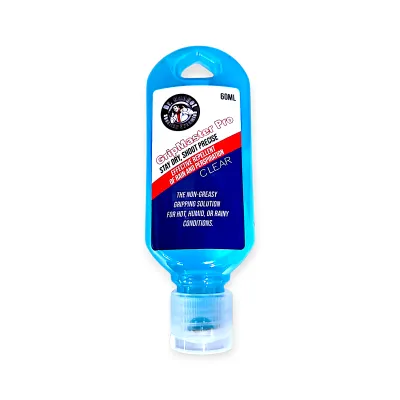
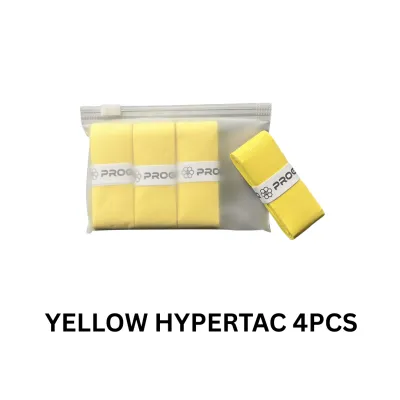
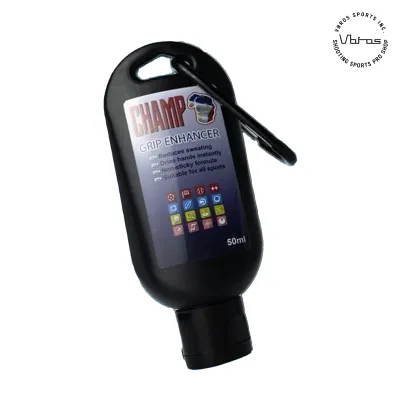
Prices are valid at publication and may change. Please refer to the product page for the latest price.
In contrast, a physical grip enhancer like the Solomon grip pad or wrap works through mechanical friction and material thickness. Instead of relying on dry skin, it introduces a textured layer—often made of specialized rubber, neoprene, or leather—between your palm and the handle. This material physically wraps around the bar, using the tension of your grip and wrist support to lock the weight in place.
The application processes differ significantly. For traditional chalk, you rub a block or shake loose powder over your palms, fingers, and thumbs before a heavy set, ensuring even coverage in the creases of your hands. For a physical grip enhancer, you secure the wrist strap, position the palm pad over your hand, and wrap the material flap around the barbell or dumbbell handle, securing it with your fingers.
When interacting with knurled handles, chalk fills the tiny valleys of the knurling slightly but preserves the sharp, tactile feedback of the steel. A physical grip enhancer covers the knurling entirely. This reduces the direct steel-to-skin contact, which can protect your hands from calluses and tears but alters how you perceive the bar’s rotation and position during dynamic movements.
Comparing Grip Security and Convenience
In hot and humid tropical environments, sweat is a constant challenge for strength athletes. Traditional chalk is highly effective at drying hands, but its performance is temporary. Under extreme sweat conditions, chalk can quickly turn into a slippery paste, requiring frequent reapplication between every single heavy set. If you are pulling a heavy deadlift, a sudden rush of sweat can compromise your grip mid-lift if the chalk has worn thin.

A physical grip enhancer handles extreme moisture differently. Because the material is non-porous or moisture-resistant, sweat on your hands does not easily degrade the physical connection between the rubberized pad and the steel bar. The grip security remains highly consistent throughout your entire workout, regardless of how humid the gym gets. However, if sweat pools inside the wrist straps or under the palm pads, it can cause minor slipping inside the glove itself, requiring you to wipe your hands occasionally.
Setup time and transition speed also vary. Chalk is quick to apply initially but demands constant maintenance. You must walk to the chalk bucket, apply the powder, and clean your hands after the workout. A physical grip enhancer requires a brief setup to strap onto your wrists and wrap around the bar before each lift. While wrapping the flap around a dumbbell can take a few seconds of adjustment, you do not need to reapply anything between sets, allowing for faster transitions during supersets or high-volume training.
The mess and cleanup factor is where the two options diverge most. Traditional chalk leaves a fine white dust on your clothes, the floor, and the gym equipment. This dust can settle into the bearings of high-end barbells, requiring regular brushing and oiling to prevent damage. A physical grip enhancer is completely mess-free. It leaves no residue on the bar or your clothing, eliminating the need for post-workout cleanup and protecting the gym’s equipment from abrasive buildup.
| Feature | Traditional Lifting Chalk | Solomon Grip Enhancer |
|---|---|---|
| Primary Mechanism | Moisture absorption (magnesium carbonate) | Physical friction barrier (rubber/neoprene flap) |
| Sweat Management | Absorbs moisture; requires frequent reapplication | Resists moisture; maintains consistent external friction |
| Barbell Feel | Direct, raw contact with steel knurling | Cushioned; reduces direct skin-to-steel contact |
| Mess & Cleanup | High; leaves powder residue on hands and gear | Zero; leaves no residue or dust |
| Gym Compatibility | Often restricted in commercial fitness centers | Universally accepted in all gym environments |
| Durability | Consumable; must be replenished regularly | Reusable; subject to physical wear over time |
Choose the Solomon Grip Enhancer If…
If you train in a modern commercial gym, health club, or shared corporate fitness center, you are likely familiar with strict “no chalk” policies. These facilities ban loose powder and even liquid chalk to maintain cleanliness and protect air filtration systems. In these environments, the Solomon grip enhancer is an excellent alternative. It provides the mechanical support needed for heavy deadlifts, rows, and pull-ups without violating gym rules or leaving a trace of dust behind.
This physical grip aid is also highly beneficial for lifters with sensitive skin or dermatological conditions. Traditional chalk acts as a severe drying agent, which can lead to dry, cracked skin, painful blisters, and deep tears in your palms. By using a physical barrier, you eliminate the chemical drying process entirely. The cushioned material protects existing calluses and prevents the friction that causes painful skin tears during high-repetition barbell work.
Additionally, the grip enhancer is highly convenient for fast-paced workouts. If your routine involves moving quickly between dumbbells, cable attachments, and pull-up bars, stopping to chalk your hands before every exercise is impractical. The wrist-mounted design allows you to transition from a heavy dumbbell row to a hanging leg raise instantly. You simply wrap the flap over the next handle and begin your set, keeping your heart rate up and your workout efficient.
Choose Traditional Lifting Chalk If…
For competitive powerlifters, strongman athletes, and those training in dedicated weightlifting clubs, traditional chalk remains the gold standard. These specialized facilities encourage chalk use because it is essential for executing heavy compound lifts under competitive standards. If your primary goal is to maximize your raw lifting capacity in the squat, bench press, and deadlift, chalk allows you to maintain the exact hand positioning required by powerlifting federations.
Chalk is uniquely suited for lifts that require full-hand, thumb, and finger coverage, such as the hook grip used in Olympic weightlifting. A physical grip enhancer cannot easily accommodate a hook grip, where the thumb is tucked under the fingers directly against the steel bar. Chalk can be applied precisely to the thumbs, the sides of the fingers, and even the upper back for squat stability, providing versatile friction wherever your body contacts the weight.
Furthermore, many experienced lifters prefer the tactile feedback of direct steel contact. The knurling on a high-quality barbell is designed to bite into the skin to prevent rotation. Chalk enhances this natural connection without adding bulk or cushioning. If you find that physical wraps or pads make the bar feel too thick or disconnect you from the movement, traditional chalk preserves that raw, unfiltered feel, helping you gauge bar path and grip security more intuitively.
Verifying Safety, Fit, and Facility Rules
Before purchasing either grip aid, it is essential to verify the specific rules of your training facility. Some gyms that ban loose powder may permit liquid chalk, which goes on as a wet gel and dries into a thin, dust-free layer. Other facilities may have strict rules against any external grip devices that wrap around the bar, classifying them similarly to lifting straps. Checking with gym management beforehand prevents unexpected policy violations and ensures your gear is fully compliant.
If you decide to use a physical grip enhancer, verifying the correct size is critical for safety. A pad that is too large can bunch up around the bar, preventing your fingers from wrapping securely and increasing the risk of the bar slipping out of your hands. Conversely, a size that is too small will not cover your palm fully, leaving sensitive areas exposed to friction. Always consult the manufacturer’s sizing guide, measuring your palm width and wrist circumference accurately before buying.
Proper maintenance of your grip enhancer is also vital for long-term safety. Over time, sweat, body oils, and chalk residue can accumulate on the textured surface, reducing its friction and making it slippery. Inspect the stitching, wrist straps, and buckle mechanisms regularly for signs of wear or fraying. Clean the material according to the manufacturer’s instructions—usually a gentle hand wash with mild soap and air drying—to maintain its grip properties and prevent bacterial growth.
Finally, pay close attention to your skin health during your training cycle. While grip aids are designed to assist your lifts, they should not be used to mask severe hand pain or deep skin tears. If you notice persistent blistering, skin irritation, or allergic reactions to the materials or drying agents, discontinue use immediately. Allow your hands to heal fully, and consider adjusting your grip technique or consulting a fitness professional to ensure you are holding the bar correctly.
Frequently Asked Questions (FAQ)
Can I use both the Solomon grip enhancer and chalk together?
Using traditional chalk in combination with a physical grip enhancer is generally not recommended. Chalk is designed to absorb moisture from your skin, but when it comes into contact with the rubberized or textured surface of a grip pad, it can create a dry, dusty barrier that actually reduces friction. This can cause the grip enhancer to slip against the barbell or dumbbell handle. To maintain optimal performance, keep the textured surface of your grip enhancer clean and free of powder. If your hands sweat excessively inside the wrist straps, wipe them dry with a clean towel before putting the grips back on.
Does using grip aids weaken my natural grip strength over time?
Relying heavily on grip aids for every exercise can limit the development of your natural forearm and hand strength. To prevent dependency, it is best to use grip aids selectively. Perform your warm-up sets and lighter working sets with a raw, unassisted grip to build baseline strength. Reserve your grip enhancer or chalk for your heaviest top sets where grip fatigue would otherwise limit the target muscle group, such as during heavy deadlifts or high-volume rows. Additionally, incorporating dedicated grip exercises, like farmer’s walks or plate pinches, into your routine will ensure your natural grip strength continues to progress alongside your major lifts.
Community discussion
Share your experience or ask a question. Comments are reviewed before publication.