
Setting up a home gym in a compact condominium in the Philippines often feels like a complex spatial puzzle. With typical urban studio and one-bedroom units ranging from 22 to 35 square meters, every square meter of floor space must serve multiple purposes. A Kingsmith walking pad offers an elegant solution to this spatial challenge, combining a compact footprint with a folding design that fits seamlessly into modern high-rise living. Successfully integrating this under-desk treadmill into your daily routine requires careful spatial planning, precise measurements, and a clear understanding of your unit’s layout. By taking a systematic approach to placement, storage, and safety, you can maintain an active lifestyle without sacrificing your living space or disrupting your neighbors.
Measuring Your Condo Layout for a Walking Pad
To ensure a seamless fit, your first step is to accurately measure your available floor area. Use a physical steel measuring tape rather than a digital smartphone app to get precise physical boundaries. Measure the clear floor area of your target zone, making sure to account for baseboards, door swings, and the swing radius of nearby wardrobe or cabinet doors. A common mistake is measuring only the open floor and forgetting that an adjacent door needs to swing open fully for daily access.
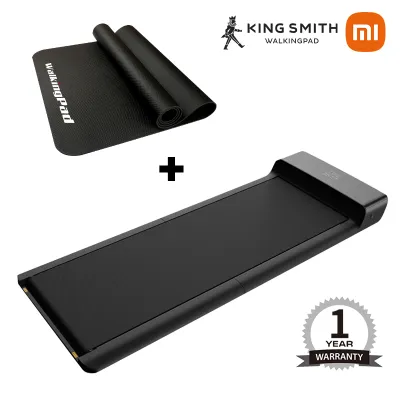
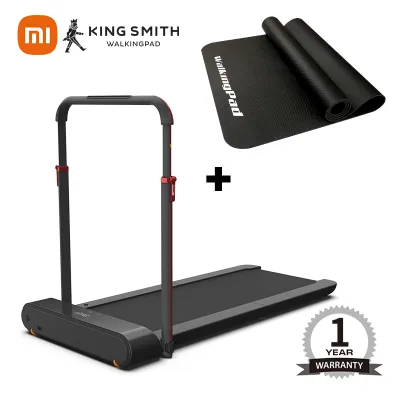
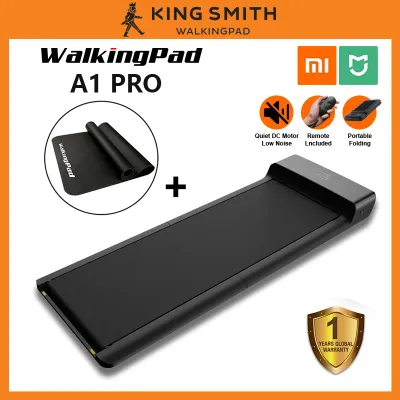
Next, consult the manufacturer’s official specifications for your specific Kingsmith walking pad model. You must verify three distinct sets of dimensions: the unfolded footprint (the total length and width during use), the folded dimensions (for storage), and the total weight of the machine. Many models weigh between 22 and 33 kilograms. While they feature transport wheels on the base, you must ensure you can physically lift, guide, or roll this weight across your flooring without damaging the surface.
Products mentioned in this guide
![Xiaomi Kingsmith Walkingpad R2 Foldable Treadmill [ International Edition Exclusive Distribution Brushless Motor CE Certified Running Walking 1.25hp 12km/h Low Noise 110kg Load Capacity LED Display APP Control Remote Control Home Gym ]](https://img.lazcdn.com/g/p/a6ceb707a445e9ca0f3cd948962e282c.jpg_400x400q80.jpg_.webp)
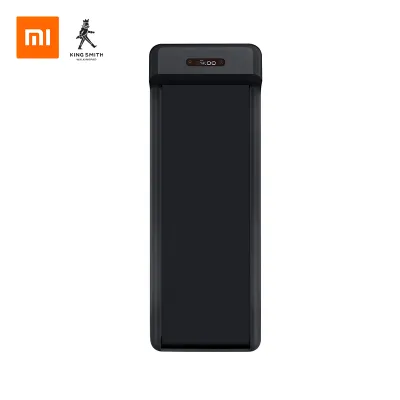
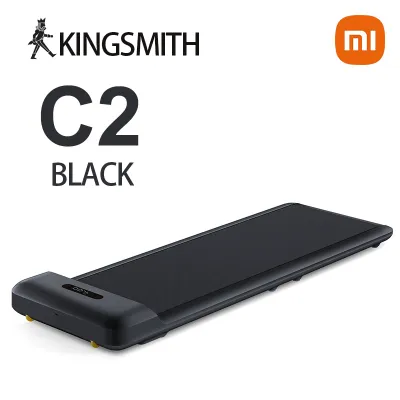
Prices are valid at publication and may change. Please refer to the product page for the latest price.
Do not overlook the logistical pathway into your condominium unit. Measure the narrowest points of your building’s elevator doors, the corridors, your main entryway, and any tight corners inside your foyer. A box containing a brand-new walking pad is bulky and heavy; ensuring it can clear these entry points prevents delivery-day headaches and potential damage to your walls or the machine itself.
Finally, calculate your dynamic ‘in-use’ footprint. The physical length of the running belt is only one part of the equation. You must add your personal stride length and natural arm swing to the spatial calculation. A taller user taking longer strides will need more rear clearance to prevent their feet from slipping off the back of the belt, while active arm movements require clear lateral space away from walls, shelves, or sharp furniture corners.
Practical Placement Strategies for Compact Rooms
Integrating a walking pad into a multi-functional living room requires balancing aesthetics and daily utility. Placing the unit directly in front of your television or beneath a height-adjustable standing desk allows you to walk during virtual meetings or leisure time. However, this setup introduces power cables across your floor. To prevent tripping hazards, route cables along wall bases using low-profile cord covers, or position the machine close to a dedicated wall outlet so the cord remains taut and out of walking pathways.

If the bedroom is your preferred exercise zone, consider placing the walking pad at the foot of your bed or parallel to a window. Positioning the machine near a window provides natural light and access to fresh air, which is highly beneficial during morning workouts. Be sure to factor in window treatments; long, flowing curtains can easily get sucked into the walking pad’s rear roller, posing a safety hazard and potentially damaging the motor.
Transitional spaces, such as wide hallways or the foyer of your condo, can also host your walking pad if they are wide enough to preserve a clear escape route. If you choose a hallway, verify that the machine does not block the path to the bathroom or main exit. You must maintain a minimum clearance of 0.5 meters on both sides of the walking pad and at least 1 to 1.5 meters of open space directly behind the belt to allow for safe mounting, dismounting, and emergency stops.
Smart Storage and Folding Solutions for Daily Use
One of the defining features of a Kingsmith walking pad is its patented folding technology, which allows the deck to fold 180 degrees. Before folding or unfolding your unit, always ensure the power switch is turned off and the cord is unplugged. Inspect the folding hinges and locking pins to ensure they are free of debris, and gently guide the deck down rather than letting it drop, which can damage the internal alignment and pressure sensors.
For under-furniture storage, measure the vertical clearance beneath your sofa or bed frame. Most walking pads require a clearance of at least 13 to 15 centimeters to slide underneath smoothly. If your bed frame is slightly too low, you can install heavy-duty furniture risers under the legs to gain the necessary clearance. Ensure these risers are rated for the combined weight of your bed, mattress, and occupants before installation.
If you prefer vertical storage, check your specific model’s manual to confirm it is approved for upright positioning. Some models are designed with integrated standing feet, while others must lie flat. When storing a unit upright against a wall, place a high-grip rubber mat underneath the base to prevent the wheels from sliding. For households with pets or young children, secure the upright walking pad with a heavy-duty wall anchor strap to eliminate any risk of the machine tipping over.
In the tropical, high-humidity climate of the Philippines, storage requires extra care. Dust combined with moisture can create a sticky residue on the belt and motor components, leading to premature wear. When the walking pad is folded and stored, cover it with a breathable, moisture-resistant fabric cover. Avoid using airtight plastic wraps, which can trap ambient humidity and accelerate rust or electrical corrosion on the internal circuit boards.
Managing Noise, Vibration, and Floor Safety
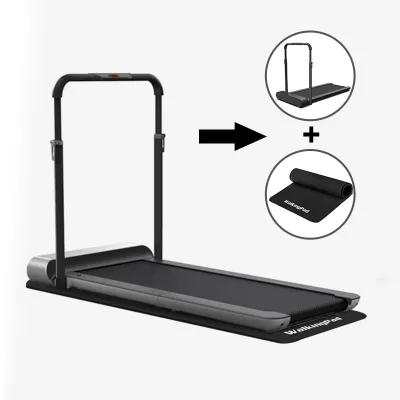
Living in a high-rise condominium means sharing structural elements with your neighbors. While a Kingsmith walking pad is designed to operate quietly, the physical impact of your steps creates low-frequency vibrations that easily travel through concrete floor slabs. To maintain good relations with downstairs neighbors, place a high-density EVA foam or heavy-duty rubber fitness mat directly beneath the walking pad. This mat absorbs the kinetic energy of your footsteps and dampens the hum of the electric motor.
Before setting up, verify that your flooring can support the dynamic load of your workouts. While a walking pad’s static weight is relatively low, the dynamic force of a walking adult can temporarily double the pressure exerted on the floor. Most modern Philippine condominiums are engineered to support residential loads well beyond this threshold, but if you live in an older building or a loft with timber joists, consult your building administration for structural guidelines.
Electrical safety is paramount in compact living spaces. Always plug the power cord directly into a grounded wall outlet. Avoid using thin household extension cords or multi-socket adapters, as these can overheat rapidly under sustained loads and present a severe fire hazard. If your layout requires an extension, use only a heavy-duty, surge-protected extension block rated for high-wattage appliances, and keep it fully uncoiled to prevent heat buildup.
Regular maintenance is also key to noise control. Over time, friction between the running belt and the deck increases, which strains the motor and increases operational noise. Follow the manufacturer’s instructions to apply a few drops of 100% silicone lubricant beneath the belt at recommended intervals. This simple task reduces friction, keeps the motor running cool, and ensures your indoor workouts remain quiet.
Common Space Planning Mistakes to Avoid
When space is tight, it is tempting to squeeze fitness equipment into any available corner. However, placing your walking pad in a way that blocks emergency exits, main walkways, or access to your electrical breaker panel is a critical safety violation. Never position the machine where it hinders your ability to exit the condo quickly in an emergency, or where it blocks access to your air conditioning unit’s maintenance panel.
Another common mistake is neglecting ventilation. Motorized fitness equipment generates heat during operation. If you place your walking pad in a tight, unventilated closet or a cramped corner behind heavy drapes, the motor cannot cool itself efficiently. This lack of airflow can trigger the machine’s thermal overload protection, causing it to shut down mid-workout and potentially shortening the lifespan of the electronics. Ensure there is adequate airflow from a fan or your condo’s air conditioning system.
Finally, avoid operating your walking pad on uneven surfaces or thick, plush carpeting. Soft surfaces allow the machine to sink unevenly, which distorts the frame and misaligns the running belt. A misaligned belt will rub against the side rails, causing rapid wear, high friction, and loud squeaking noises. If your condo has thick carpeting, place a solid, rigid wooden board or a specialized hard-surface equipment mat under the walking pad to provide a stable, level foundation.
Frequently Asked Questions (FAQ)
Can I use a walking pad on a condo balcony?
Using a walking pad on a condo balcony is generally not recommended due to environmental exposure. High humidity, salt air (especially in coastal areas of the Philippines), direct sunlight, and sudden rain showers can quickly damage the sensitive electronics, rust the metal frame, and degrade the running belt. Unless your balcony is fully enclosed, climate-controlled, and completely shielded from moisture, keep your walking pad indoors. Always check the manufacturer’s IP (Ingress Protection) rating and warranty terms, as outdoor use typically voids the warranty.
Will the walking pad noise bother my downstairs neighbors?
While Kingsmith walking pads are engineered to be significantly quieter than traditional commercial treadmills, the impact of your feet hitting the deck can still transmit structural noise through the floor. To prevent complaints, always use a high-density rubber or foam noise-reduction mat under the machine. Additionally, walking at a steady, moderate pace (between 3 to 4.5 km/h) rather than running or jogging helps minimize heavy footfalls. Working out during standard daytime or early evening hours also ensures your fitness routine does not disrupt your neighbors’ sleep.
Community discussion
Share your experience or ask a question. Comments are reviewed before publication.