
Setting up a portable mini exercise bike in a small condo requires surprisingly little physical space, but you must plan for more than just the machine’s base. At a minimum, you need a clear floor area of about 1 to 1.5 meters in length and about 0.8 meters in width. This space accommodates the unit itself, your seating arrangement, and the necessary clearance for your legs to rotate freely without hitting walls, desks, or nearby furniture.
In a typical high-rise condo in urban centers like Manila, where floor space is at a premium, every square meter counts. Balancing your fitness goals with a comfortable living environment means understanding how your body moves during exercise. By taking a few precise measurements of your chosen chair, your desk height, and the bike’s pedaling arc, you can establish a highly functional workout zone that easily packs away when your session is complete.
Understanding the Physical Footprint of a Mini Exercise Bike
Before clearing out a corner of your living room or bedroom, you must first look at the static dimensions of the portable mini exercise bike. Most models feature a compact, rectangular base designed to sit flat on the floor. You can find these exact measurements—typically ranging from 40 to 50 centimeters in length and 35 to 45 centimeters in width—by checking the manufacturer’s specification sheet or product manual.
Products mentioned in this guide
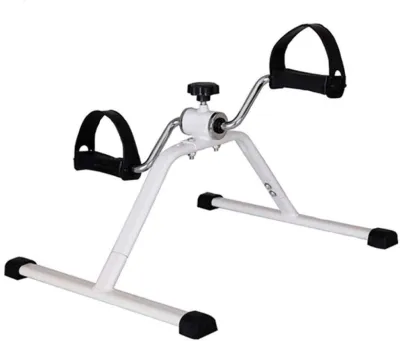
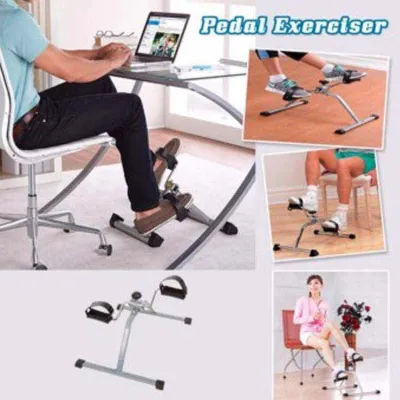
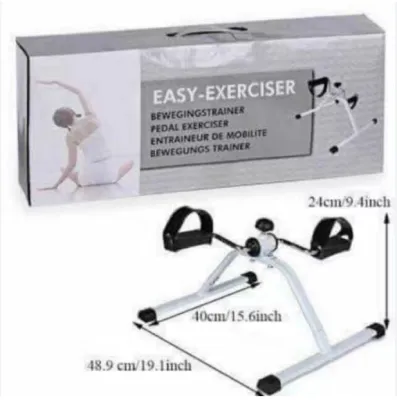
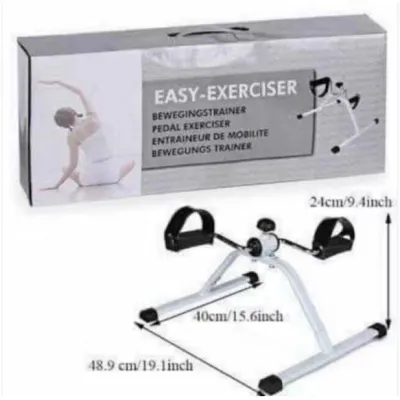
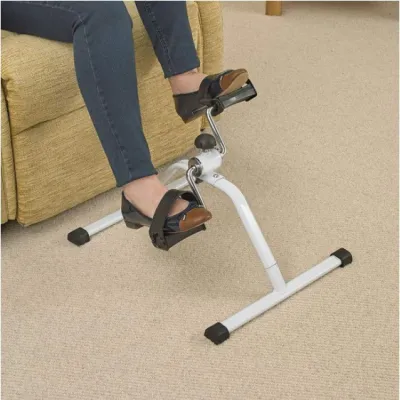
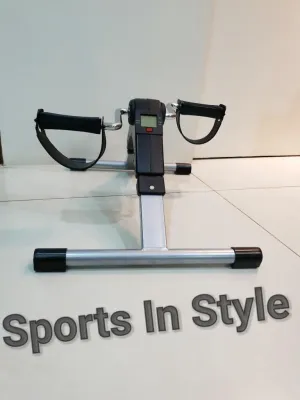
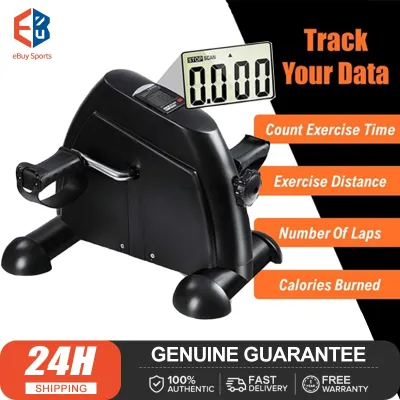
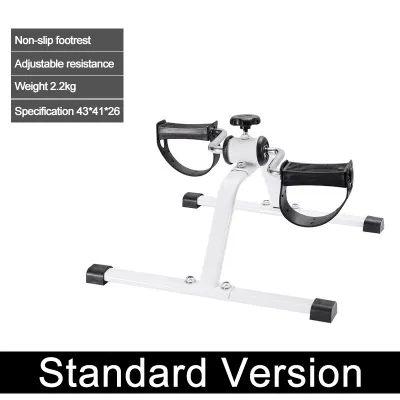
Prices are valid at publication and may change. Please refer to the product page for the latest price.
However, the static footprint only tells part of the story. When you begin pedaling, the pedals extend beyond the front and rear edges of the metal frame. This dynamic footprint requires additional operational length. You must measure the distance from the tip of the front pedal to the tip of the rear pedal at their furthest horizontal extensions to understand the true active length of the machine.
Height is another critical factor, especially if you plan to store the unit under a low shelf or bed. Standard mini bikes usually stand between 25 and 35 centimeters tall, but the pedals will rise slightly higher at the peak of their rotation. Knowing this maximum height prevents unexpected clearance issues when you set up the machine under low-hanging furniture.
Finally, consider the weight of the unit, which typically ranges from 3 to 8 kilograms. A lighter unit is highly portable and easy to lift onto a closet shelf or carry between rooms, but it may require extra stabilization during intense workouts. A heavier unit offers more built-in stability but might become a permanent fixture on your floor if lifting it causes physical strain.
Calculating Clearance for Safe and Comfortable Use
Safe operation of a portable mini exercise bike depends heavily on establishing proper clearance zones around your body and the equipment. The most critical clearance is for your knees and legs. As you pedal, your knees rise and fall in an elliptical arc; if you sit too close to a desk or a low table, your knees can repeatedly strike the underside of the furniture, leading to bruising or joint strain.

To calculate this vertical clearance, sit in your preferred workout chair and mimic the pedaling motion, noting the highest point your knees reach. Compare this height to the clearance under your desk or table, ensuring you have at least 10 to 15 centimeters of free space above your knees at their peak. This buffer allows you to pedal comfortably without altering your natural posture or risking painful impacts.
Your choice of seating also dictates the total floor space required for your workout setup. Whether you use an office chair, a dining chair, or a sofa, you must account for the chair’s physical footprint and the space needed to sit down and stand up safely. A standard office chair can occupy a 60-by-60 centimeter area, and you will need to position it far enough back from the bike to maintain an ergonomic leg angle of roughly 110 to 120 degrees at full extension.
Airflow and ventilation are equally important, particularly in warm, humid tropical climates. The internal motor or magnetic resistance system of a mini bike generates heat during use. Leaving a clear gap of at least 20 centimeters around the sides and rear of the motor housing prevents heat buildup, ensuring the internal components remain within safe operating temperatures during longer sessions.
Measuring Your Condo Layout for Optimal Placement
Integrating fitness equipment into a compact condo layout requires a strategic approach to spatial planning. Begin by identifying a designated workout zone that does not interfere with the daily flow of your household. Avoid placing your setup in primary walkways, narrow hallways, or directly in front of balcony doors and emergency exits, as a misplaced bike or chair can quickly become a dangerous tripping hazard.
If you plan to move the bike between a storage closet and your active workout area, measure the width of your doorways and hallways beforehand. While a portable mini exercise bike is inherently compact, carrying it through tight spaces or around sharp corners can lead to accidental wall scuffs or stubbed toes if the path is too narrow.
Floor stability is another crucial consideration for a safe workout. Condo units often feature smooth flooring materials like ceramic tiles, polished marble, or laminate wood, which can cause a lightweight bike to slide or drift forward as you pedal. Use a bubble level or a smartphone leveling app to verify that your chosen workout surface is completely flat, as even a minor slope can cause the machine to wobble or tilt during use.
Additionally, consider the proximity of your setup to electrical outlets if your mini bike requires a power source for a digital display or motorized resistance. Running long extension cords across a small room creates a significant safety hazard, so positioning your workout zone near an existing wall outlet is always the safest choice.
Space-Saving Setup and Storage Strategies
Living in a small condo means finding creative ways to maximize every square meter of floor space. One of the most effective strategies is to integrate your portable mini exercise bike into multi-functional furniture arrangements. For instance, placing the bike under a height-adjustable standing desk allows you to transition seamlessly from active pedaling to standing work without moving the equipment.
If you prefer to keep your living area completely free of fitness gear when you are not exercising, plan a dedicated storage spot that is easy to access. A lightweight mini bike can easily slide under a bed frame, fit onto the bottom shelf of a utility closet, or sit neatly inside a deep cabinet. Measuring these storage spaces before purchasing a bike ensures a perfect fit and prevents the machine from cluttering your living room.
To protect your condo’s flooring and keep the bike firmly in place, invest in a high-quality, non-slip rubber or foam mat. Choose a mat that can be easily rolled up or folded away when your workout is finished. This allows you to reclaim your floor space instantly, leaving no permanent footprint of your home gym setup in your main living area.
You can also utilize vertical storage solutions if floor space is exceptionally tight. Some lightweight models feature built-in carrying handles that allow them to be hung from sturdy wall hooks inside a utility closet, keeping the floor completely clear for other household items.
Common Space Planning Mistakes to Avoid
One of the most frequent mistakes condo dwellers make is ignoring the dimensions of their seating and only measuring the physical base of the mini bike. This oversight often results in a cramped, uncomfortable setup where you cannot extend your legs fully, leading to poor posture and potential joint pain over time.
Another common error is placing the bike too close to walls, baseboards, or delicate glass furniture. During a vigorous workout, the natural vibration of the machine can cause it to shift slightly, leading to unsightly scuff marks on your walls or accidental damage to nearby home decor.
Finally, failing to secure the bike on smooth condo flooring is a major safety hazard. Without a proper non-slip barrier, the forward force of your pedaling motion will cause the bike to drift away from you, forcing you to stretch awkwardly or interrupt your workout to pull the machine back into position.
Frequently Asked Questions (FAQ)
Can I use a mini exercise bike while working at a standard desk?
Yes, you can use a mini exercise bike under a desk, but you must carefully measure the clearance first. Measure the exact distance from the floor to the underside of your desk drawer or desktop. Compare this with the combined height of the bike’s highest pedal position and the thickness of your thighs while seated to ensure your knees will not strike the desk during rotation. Additionally, ensure your desk is heavy and stable enough to withstand any minor vibrations or accidental bumps without shifting your computer or work materials.
Do I need a special mat for using the bike on condo tiles or laminate?
Using a dedicated non-slip mat is highly recommended when operating a mini bike on smooth condo surfaces like ceramic tiles, vinyl, or laminate wood. The pedaling motion naturally pushes the lightweight machine forward, which can scratch delicate flooring and disrupt your workout rhythm. A thin, high-grip rubber mat or a textured foam pad keeps the bike securely anchored, dampens operational noise for your downstairs neighbors, and catches any sweat drops before they reach your floor.
Community discussion
Share your experience or ask a question. Comments are reviewed before publication.