
Setting up a home gym in a high-rise condominium requires careful spatial planning. To determine how much space you need for a stepper, you must evaluate both the physical footprint of the machine and your own active clearance. A compact mini stepper requires very little floor area and can easily slide under a bed, while a standard stepper with handlebars demands a dedicated zone with generous vertical clearance. Measuring your ceiling height and mapping out a safety buffer are essential steps before bringing any fitness equipment into a compact living space.
Understanding Stepper Footprints and Types
To choose the right stepper, you must first understand the two primary categories: mini steppers and standard steppers with handlebars. Mini steppers are highly compact, floor-level machines. Because they lack a tall frame or console, they typically occupy a very small footprint, often no larger than a pair of shoeboxes. This makes them popular for studio apartments where floor space is limited. They can be easily moved and tucked away when your workout is complete.
In contrast, standard steppers with handlebars offer a more robust workout experience but require a larger physical presence. These machines feature a wider, heavier base to ensure stability when you grip the handles. The vertical frame and console extend upward, meaning they cannot be easily hidden. While they provide excellent support for balance, they demand a permanent or semi-permanent spot in your layout.
Products mentioned in this guide
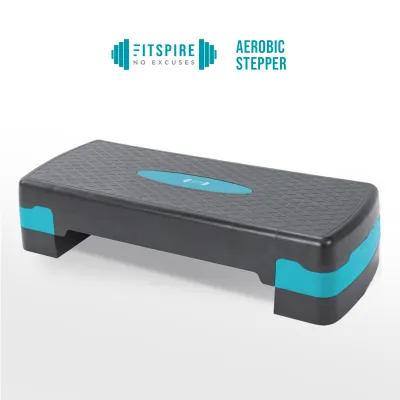
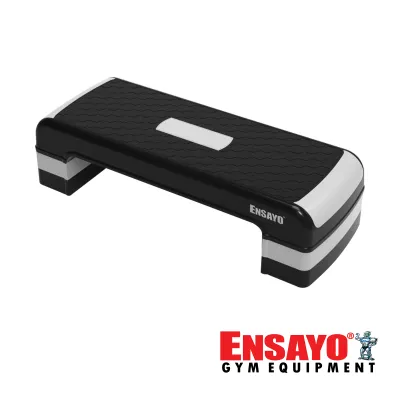
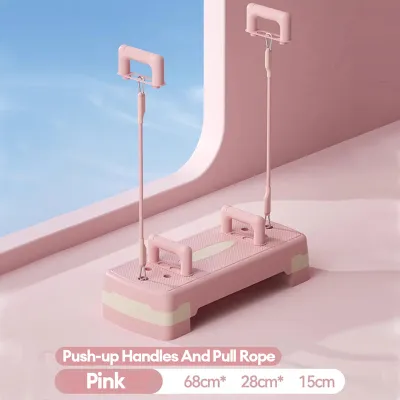
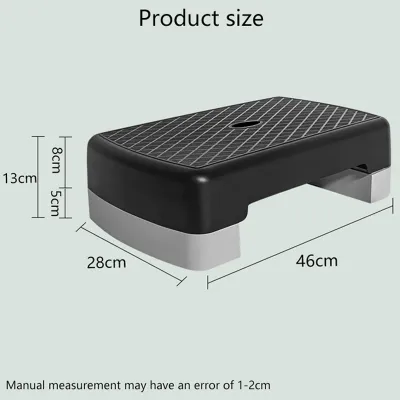
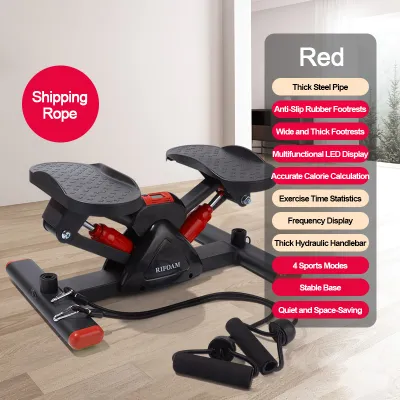
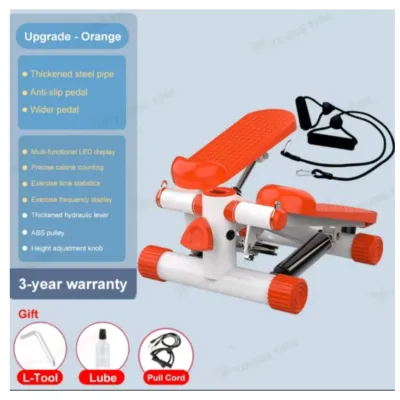
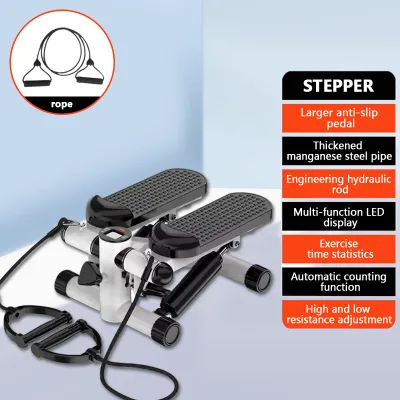
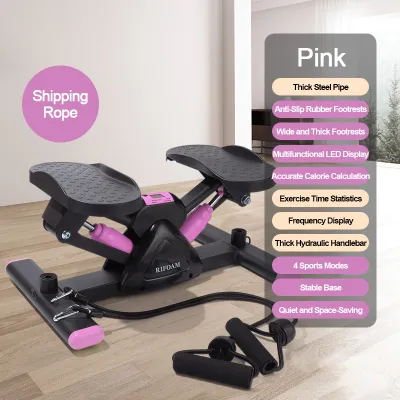
Prices are valid at publication and may change. Please refer to the product page for the latest price.
For those who want stability without sacrificing permanent floor space, foldable or collapsible models are an excellent middle ground. These hybrid designs allow you to fold the upright frame down toward the base, reducing the vertical profile so the machine can fit inside a utility closet. However, even with foldable models, you must always check the manufacturer’s specification sheets for the exact length, width, and folded height rather than relying on general assumptions.
How to Measure Your Available Condo Space
Before purchasing any fitness equipment, you must conduct a systematic physical measurement of your available condo space. Begin by measuring the dedicated floor footprint where you plan to place the machine. Use a tape measure to record the exact length and width of the floor area. It is highly recommended to mark this footprint on your floor using painter’s tape. This visual aid helps you see how the machine affects traffic flow and whether it blocks access to closets, balconies, or electrical outlets.

Next, evaluate your ceiling height. This is a critical step that many condo residents overlook, particularly in modern developments with dropped ceilings or decorative bulkheads. To calculate the required vertical space, add the maximum pedal height of the stepper (when fully extended) to your own height, then add a safety buffer of at least several inches to account for your vertical movement during a workout. If your head is too close to the ceiling, you risk injury during high-intensity sessions.
Finally, measure the delivery pathway. A stepper that fits perfectly in your living room is useless if it cannot reach the room. Measure the width of your entry door, hallways, and tight corners. In high-rise buildings, check the dimensions of the service elevator and consult building management regarding weight or size restrictions for incoming deliveries. Ensuring the boxed equipment can clear these common areas prevents delivery day headaches.
Calculating Active Clearance and Safety Margins
A safe workout environment requires more than just fitting the machine’s physical frame into a corner; you must also calculate active clearance and safety margins. Buffer zones are essential to allow for natural body movements during exercise. When using a stepper, your arms will naturally swing, and your body may sway slightly. If your machine has handlebars or resistance bands, these components will extend beyond the base during use. Ensure you have at least two feet of clear space on all sides of the machine to prevent your elbows or hands from striking nearby walls or furniture.
Ventilation and heat dissipation are also crucial factors to consider, especially in tropical climates where indoor humidity can rise quickly. Hydraulic cylinders on mini steppers and electric motors on larger machines generate heat during operation. Placing a stepper too close to a wall or inside a tight closet during use can restrict airflow, causing the hydraulic fluid to overheat and lose resistance. Keeping a clear boundary around the machine ensures proper air circulation and extends the lifespan of your equipment.
Additionally, consider structural aspects. While a mini stepper is relatively light, larger standard steppers can be heavy, especially when combined with the weight of an active user. In older buildings or units with elevated wooden flooring, verify the floor load capacity. If you plan to set up a dedicated workout corner, consulting your building administration or reviewing the tenant handbook can help ensure your setup complies with structural safety guidelines.
Space-Saving Strategies for Small Home Gyms
Integrating fitness equipment into a compact condo requires creative layout planning and smart storage solutions. One of the most effective strategies is designing a multi-purpose room where your workout gear shares space with your living or working areas. For instance, you can place a mini stepper next to your desk for quick active breaks during the workday, or position it in front of the television in the living room. The key is choosing lightweight, portable equipment that can be easily repositioned so your home does not feel crowded.
For mini steppers, establishing a dedicated storage route is essential for keeping your living space tidy. Identify convenient spots where the machine can be tucked away out of sight when not in use. Under a bed, inside a wardrobe, or behind a decorative screen are excellent options. If you store your stepper under a bed, ensure the clearance height of your bed frame is slightly taller than the maximum height of the stepper to avoid scratching the frame or damaging the machine.
Using a high-quality equipment mat is another excellent way to define your workout zone without committing to a permanent layout. A mat acts as a visual boundary for your exercise space and can be rolled up and stored along with your mini stepper. Beyond aesthetics, a mat protects your flooring from scratches, scuffs, and sweat. It also provides a non-slip surface, ensuring that your stepper remains firmly in place during workouts.
Common Sizing Mistakes to Avoid Before Buying
Avoiding common sizing mistakes can save you from the hassle of returning heavy fitness equipment. One of the most frequent errors is ignoring ceiling height limits. Buyers often assume that because a stepper has a small floor footprint, it will easily fit in any room. However, standard steppers lift your body significantly higher off the ground than treadmills. Failing to calculate your height plus the pedal height can result in head strikes against low ceilings or light fixtures, making the machine unusable.
Another common oversight is forgetting to measure the delivery pathway and elevator restrictions. Many condo residents focus entirely on the final placement of the machine and forget that the boxed product must travel through shared building spaces. If your building has a small elevator or narrow stairwells with sharp turns, a large, non-foldable stepper box may not fit. Always check the shipping dimensions of the product and compare them with your building’s entryways before placing an order.
Finally, many buyers make the mistake of measuring only the machine’s base while overlooking the user’s required operational clearance. A stepper might physically fit into a tight alcove, but once you stand on it, you may find your shoulders rubbing against the wall. Always measure the space with your own body’s movement in mind, ensuring you have enough room to step, balance, and dismount safely.
Frequently Asked Questions (FAQ)
Can I use a stepper on a carpeted condo floor?
Thick or plush carpeting can compromise the stability of your stepper, causing it to wobble or tilt during use. This instability not only poses a safety risk but can also cause uneven wear on the hydraulic cylinders or frame. Before placing your stepper on carpet, check the manufacturer’s manual for approved floor surfaces. If carpet use is permitted, it is highly recommended to place a rigid equipment mat over the carpet to create a flat, stable, and secure base for your workouts.
Do mini steppers require a mat underneath in a condo?
Yes, using a mat under a mini stepper is highly recommended for condo living. A durable mat protects your hardwood, tile, or vinyl floors from sweat, scuff marks, and potential oil leaks from hydraulic cylinders. Additionally, a mat provides crucial acoustic benefits by dampening the vibration and footstep noise that can travel through the floor to your downstairs neighbors. Selecting a mat that extends slightly beyond the machine’s footprint ensures complete protection and a quieter workout environment.
Community discussion
Share your experience or ask a question. Comments are reviewed before publication.