
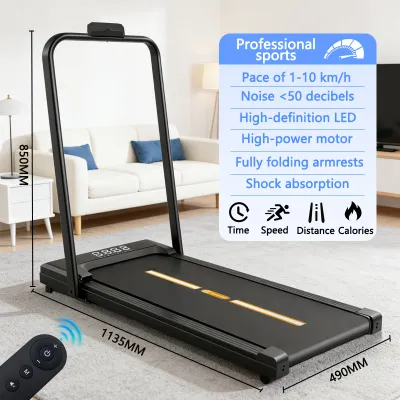
To set up a walk pad treadmill in a condominium, you need a dedicated floor footprint of approximately 1.2 to 1.5 meters in length and 0.5 to 0.6 meters in width for the machine itself. However, safe and comfortable operation requires a larger overall clearance zone. You must factor in at least 0.5 meters of clear space on both sides of the unit and 1 to 1.5 meters of unobstructed space behind it to prevent injury in case of a slip or sudden stop.
In a compact living environment, finding this space requires balancing the machine’s physical footprint with your unit’s layout, storage options, and safety requirements. Determining whether a walk pad is viable for your specific home involves measuring entryways, checking ceiling heights, and choosing a model that aligns with your stride and storage capacity.
Walk Pad Footprints: Matching Machine Sizes to Condo Layouts
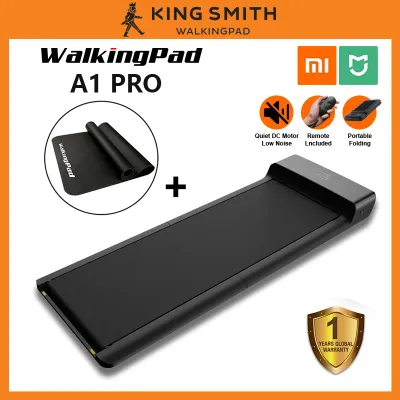
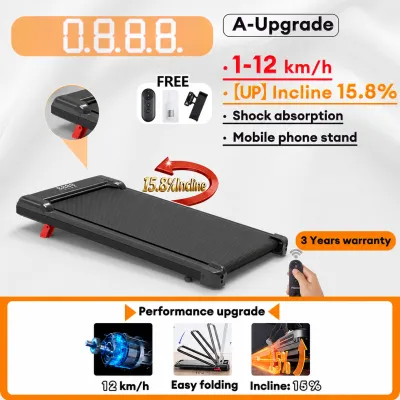
Understanding the physical dimensions of fitness equipment is the first step in planning your home gym setup. Walk pad treadmills generally fall into two categories: flat, under-desk models and units with folding handrails. Flat walk pads have a remarkably low profile, often measuring under 15 centimeters in height, and completely lack upright bars. This minimalist design keeps their footprint compact, making them easier to slide under furniture or stand against a wall when not in use.
Products mentioned in this guide
![Xiaomi Kingsmith Walkingpad R2 Foldable Treadmill [ International Edition Exclusive Distribution Brushless Motor CE Certified Running Walking 1.25hp 12km/h Low Noise 110kg Load Capacity LED Display APP Control Remote Control Home Gym ]](https://img.lazcdn.com/g/p/a6ceb707a445e9ca0f3cd948962e282c.jpg_400x400q80.jpg_.webp)
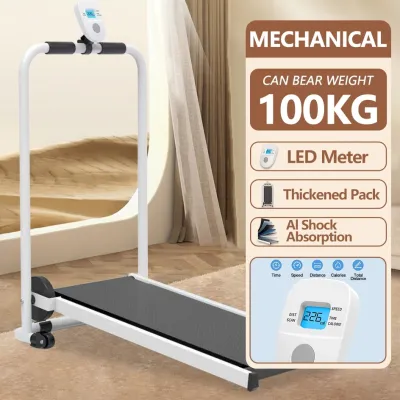
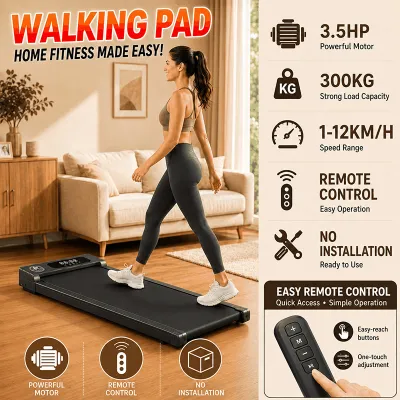
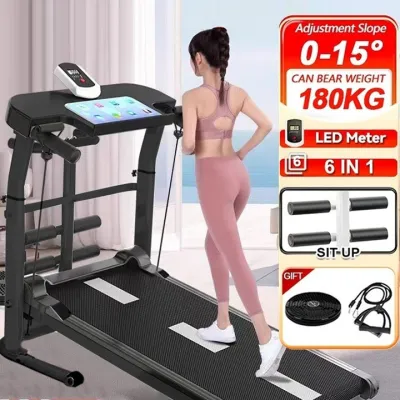
Prices are valid at publication and may change. Please refer to the product page for the latest price.
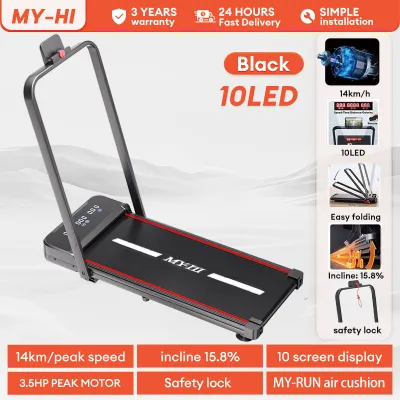
In contrast, folding walk pads or hybrid running pads feature a collapsible handrail or console. While these models offer extra stability and higher speed limits, they demand more physical space both when deployed and when folded. The handrail assembly adds to the overall length and width of the machine, and the folded height can prevent the unit from fitting under standard low-clearance sofas or bed frames.
The relationship between the running belt area and the overall machine frame is another critical factor. The frame is always wider and longer than the actual walking surface to accommodate the motor housing, side rails, and roller mechanisms. A walk pad with a 120-centimeter belt length typically requires a frame that is at least 140 to 150 centimeters long. Knowing this distinction prevents the common mistake of measuring only for the walking surface while ignoring the extra space the frame occupies.
Your condo’s specific layout dictates where the equipment can realistically sit. Long, narrow layouts—common in studio and one-bedroom units in Metro Manila—often force you to position the walk pad parallel to the longest wall, creating a linear path that keeps walkways clear. Square studio layouts offer more flexibility in orientation but require careful planning to ensure the machine does not bisect the room or block access to multi-purpose areas like the dining table or kitchen counter.
How to Measure Your Condo for Safe Delivery and Operation
Before purchasing a walk pad treadmill, you must verify that the machine can safely travel from the delivery truck to your living room. Begin by measuring the narrowest points of your delivery route, including the condominium’s service elevator doors, interior elevator cabin dimensions, main entrance doorframe, and any tight turns in your hallway. Many high-rise developments have strict elevator weight and size limits, so comparing the boxed product dimensions against these entry points prevents delivery-day headaches.

Operational clearances are vital for your personal safety during exercise. While a walk pad operates at lower speeds than a traditional treadmill, falling or losing your balance can still cause serious injury if you strike a wall or furniture. Always consult the manufacturer’s user manual for the exact required clearance distances. As a general safety standard, plan for a completely clear zone of at least 1 meter behind the belt and 0.5 meters on each side to ensure you have a safe landing zone if you lose your footing.
Ceiling height is a frequently overlooked dimension, especially for taller users or units with low-hanging light fixtures. To calculate your required vertical clearance, add the height of the walk pad’s deck (usually 10 to 15 centimeters off the floor) to your own height, then add a safety margin of at least 15 to 20 centimeters. If your condo features low ceilings or drop-ceiling designs, or if you plan to walk near an active overhead ceiling fan, this calculation is critical to prevent painful head injuries or equipment damage.
Tropical climates require extra attention to ventilation and heat dissipation. Walk pad motors generate heat during operation, and operating them in tight, unventilated corners can lead to premature motor failure or automatic thermal shutdowns. Check the manufacturer’s guidelines for the required open space around the motor housing, which is typically located at the front of the machine. Ensuring adequate airflow around the motor cover helps keep the internal electronics cool, especially during warm afternoons.
Selecting the Right Belt and Frame Size for Your Needs
Choosing the right walk pad requires balancing your physical stature with the limitations of your living space. The width and length of the running belt directly impact your walking comfort and safety. Taller individuals with longer natural strides require a longer belt—typically 120 centimeters or more—to prevent their feet from accidentally slipping off the back of the machine. Conversely, shorter users or those planning only casual, slow-paced walking can comfortably use a shorter belt, which helps minimize the machine’s overall footprint.
Weight capacity and machine stability often exist in tension with portability. Heavier walk pads constructed with steel frames offer greater stability, reduced frame flex, and higher user weight limits, but they are significantly harder to move and store. If you live in a condo where you must move the machine daily, look for lightweight models equipped with front transportation wheels, but verify that the maximum weight capacity still accommodates your body weight with a safe margin.
The visual impact of fitness equipment in a small home can affect your mental well-being and interior design. A bulky, dark-colored treadmill can quickly make a small living room feel cluttered and cramped. To minimize this visual footprint, prioritize slim-profile designs, neutral color schemes like matte black, grey, or white, and low-deck models that sit close to the floor. These design elements help the machine blend into your existing decor rather than dominating the visual field of a multi-purpose room.
Smart Storage and Setup Solutions for Small Units
When space is at a premium, how you store your walk pad when it is not in use is just as important as where you use it. Under-furniture storage is a highly popular solution for keeping the machine completely out of sight. Before relying on this method, measure the ground clearance of your sofa or bed frame using a hard tape measure, and compare it to the thickest point of the walk pad, which is almost always the motor cover at the front. Do not forget to account for any sagging in the middle of the mattress or sofa cushions when weight is applied.
Vertical storage is an excellent alternative for units lacking under-furniture clearance, but it must be executed safely. Many modern walk pads are designed to stand upright against a wall or inside a closet. If you choose this method, check the manufacturer’s instructions regarding vertical weight distribution and verify whether the unit requires a dedicated kickstand or wall mount. Always secure the upright machine to prevent it from tipping over, especially if you have pets, small children, or live in an area prone to seismic activity.
Creating a multi-use zone allows you to integrate fitness seamlessly into your daily routine without sacrificing floor space. A common setup involves pairing a flat walk pad with an adjustable standing desk in a home office corner. This configuration allows you to transition from working to walking in seconds. When setting up these zones, pay close attention to cable management; route all power cords along walls or under protective cord covers to eliminate tripping hazards in tight pathways.
Common Sizing and Placement Mistakes to Avoid in Condos
Avoiding common spatial planning errors can save you from neighbor disputes, safety hazards, and unusable equipment.
- Ignoring Floor Load and Noise: While walk pads are lighter than commercial treadmills, the repetitive impact of your steps creates vibrations that easily travel through concrete condo floors to the unit below. Failing to use a high-density equipment mat or ignoring building association rules regarding quiet hours can lead to complaints from neighbors.
- Blocking Pathways: Placing your walk pad in a location that obstructs natural walking paths, balcony doors, or emergency exit routes is a serious safety hazard. Ensure that even when the machine is fully deployed, residents can move freely around the unit without climbing over the equipment.
- Overlooking Power Outlet Locations: Walk pads require a stable, grounded wall outlet to operate safely. Placing the machine too far from an outlet often tempts users to use light-duty extension cords, which poses a fire risk and creates a physical tripping hazard across the room. Always position the machine close enough to plug directly into a dedicated wall socket.
Frequently Asked Questions (FAQ)
Can I use a walk pad on a condo balcony?
Operating a walk pad on an outdoor or semi-outdoor balcony is generally not recommended due to environmental risks. High humidity, salt air in coastal areas, direct sunlight, and sudden rain showers can rapidly damage sensitive electronic components and rust the steel frame. Check your machine’s Ingress Protection (IP) rating and review the manufacturer’s warranty terms, as outdoor use almost always voids the coverage unless the product is specifically certified for outdoor environments.
Do I need an equipment mat for my walk pad in a condo?
Yes, using a high-density equipment mat is highly recommended for condo living. A quality mat protects your hardwood, laminate, or tile floors from scratches and scuffs caused by the machine’s vibrations. Additionally, it helps absorb impact noise, reducing the low-frequency rumble that transfers through the floor structure to your downstairs neighbors, while also preventing the walk pad from shifting or sliding during use.
Community discussion
Share your experience or ask a question. Comments are reviewed before publication.