
Finding the right balance between a comprehensive strength workout and the physical constraints of your home is the primary challenge when setting up a home gym. A standard cable machine typically requires a dedicated floor footprint of about 1 to 2 square meters, but the actual operational space needed is significantly larger. To perform a full range of exercises safely, you generally need a clear zone of at least 2.5 meters in width and 3 meters in depth. For those living in compact spaces like apartments or condominiums, specialized compact cable machine equipment offers a practical way to enjoy versatile strength training without overcrowding your living area.
How to Measure Your Available Space for Cable Machine Equipment
To accurately assess your space, start by measuring the physical footprint of the machine. This is the exact floor area the base of the unit covers when completely assembled. Use a standard steel tape measure to map out the width and depth on your floor, and use masking tape to outline this boundary so you can visually assess how much floor space is lost.
Next, measure your ceiling height. Many standard cable towers stand over 2.1 meters tall. In many homes and condominiums, drop ceilings, decorative beams, or low-hanging light fixtures can severely limit vertical clearance. Ensure there is at least 10 to 15 centimeters of clearance between the top of the machine and your ceiling to allow for assembly and to prevent the cable pulley mechanism from scraping the ceiling.
Products mentioned in this guide
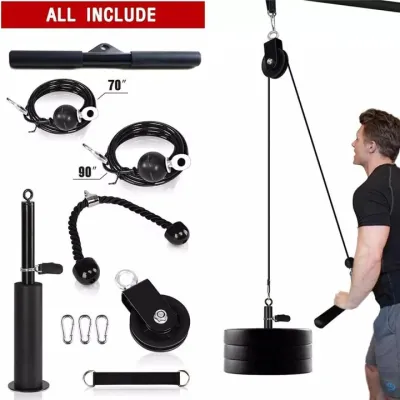
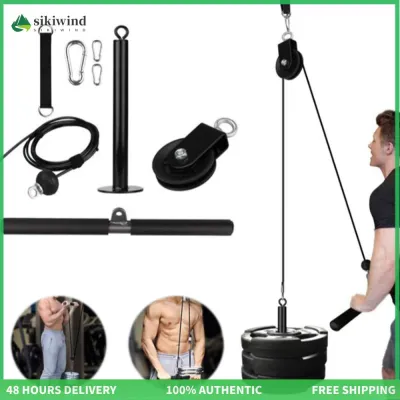
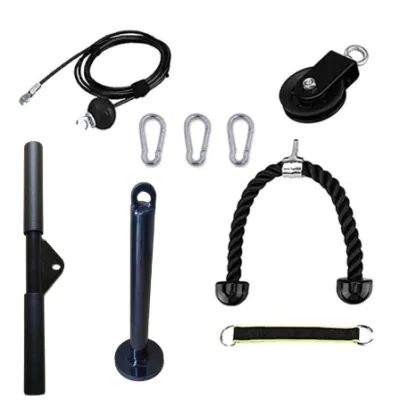
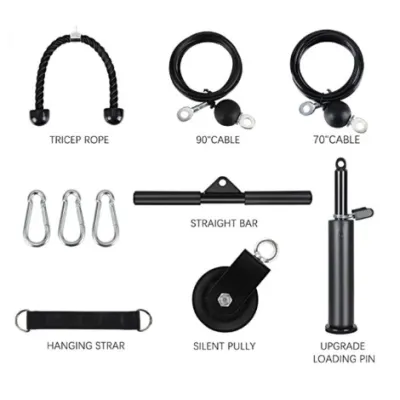
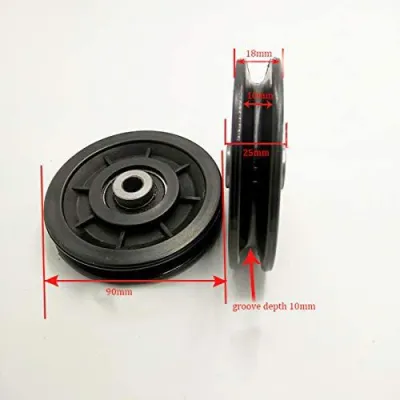
Prices are valid at publication and may change. Please refer to the product page for the latest price.
Operational clearance is the next critical measurement. This is the dynamic space you need while actually performing exercises. For example, when performing cable chest flies, your arms will extend far to the sides of the machine. A good rule of thumb is to allow at least 1.5 meters of clear space in front of the machine and 1 meter on each side.
You must also account for the travel of the weight stack or the rotation of adjustable pulley arms. If the machine features pivoting arms, measure their maximum width when fully extended. Additionally, consider your own body position during workouts; exercises like cable rows, lunges, or tricep extensions require you to stand or lie down well outside the machine’s physical frame.
Finally, plan the logistics of getting the equipment into your home. Measure the width of your doorways, hallways, stairwells, and elevator doors. Many high-rise residential buildings have strict freight elevator dimensions and delivery guidelines. Ensuring the unassembled boxes or pre-welded frames can physically fit through these tight spaces will prevent major headaches on delivery day.
Key Spatial and Structural Requirements to Verify Before Buying
Before finalizing your purchase, you must evaluate the structural integrity of your workout area. Cable machines equipped with heavy steel weight stacks can easily weigh over 150 kilograms. When this weight is concentrated on a small footprint, it exerts significant pressure on your flooring.

Check your building’s floor load-bearing capacity, particularly if you live in an older apartment or a multi-story wooden-framed home. To protect your floors from scratches, dents, and structural stress, invest in high-density rubber gym tiles. These mats help distribute the weight evenly and dampen the noise of clanking weight plates, which is essential for maintaining good relations with downstairs neighbors.
If you are considering a wall-mounted cable machine, the composition of your walls is paramount. Solid concrete or masonry walls, which are standard in most modern condominium developments, offer excellent support for heavy-duty anchoring. However, you will need a hammer drill and high-quality masonry expansion bolts to secure the frame safely.
Conversely, if your walls are made of drywall, gypsum board, or light timber partitions, you cannot mount a heavy cable system directly to them. You must locate the internal wooden or metal studs using a stud finder and secure the mounting brackets directly into these structural elements. Mounting a high-tension cable system to unsupported drywall can cause the machine to pull free during a workout, risking severe injury and property damage.
Lastly, review the manufacturer’s installation manual for specific environmental requirements. In tropical climates, high humidity can cause steel cables, guide rods, and weight stacks to rust prematurely. Position your equipment in a well-ventilated, air-conditioned room or near a dehumidifier, and avoid placing it on open balconies or damp utility areas where moisture can accumulate.
Evaluating Compact Cable Machine Options for Limited Spaces
When space is limited, traditional double-stack functional trainers are rarely practical. Fortunately, several innovative, space-saving designs cater specifically to compact homes. Understanding the differences between these options will help you choose the right setup for your space.
Wall-mounted single-column pulleys are among the most space-efficient designs available. These units feature a single vertical track with adjustable pulleys that mounts flat against the wall, protruding only 20 to 30 centimeters into the room. This design leaves your floor space almost entirely clear when the machine is not in use, making it ideal for multi-purpose rooms or narrow hallways.
Another excellent option is a folding cable rack. These systems combine a traditional power rack or squat stand with integrated cable pulleys. When your workout is finished, the entire frame folds inward against the wall, reducing its footprint to a fraction of its operational size. This is a highly versatile choice if you want to perform both barbell and cable exercises in a single, compact area.
You should also compare plate-loaded systems with selectorized weight stacks. Selectorized machines use built-in weight plates, which are convenient but make the unit incredibly heavy and difficult to move. Plate-loaded compact pulleys allow you to use your existing standard or Olympic weight plates for resistance, which significantly reduces the machine’s shipping weight and allows you to store the weights separately when the machine is idle.
For the ultimate space-saving setup, look into modern electromagnetic or digital resistance cable machines. These high-tech units use electronic motors to generate tension instead of physical iron plates. This technology allows the machine to be incredibly slim, often resembling a sleek wall mirror or a small console, while still providing smooth, adjustable resistance for a full-body workout.
Regardless of the design you choose, verify that the compact machine does not compromise on core functionality. Ensure the pulley system offers a wide range of height adjustments, from ground level up to two meters high. This adjustability is crucial for performing a diverse range of exercises, including low rows, bicep curls, chest presses, and lat pulldowns.
Common Space Planning Mistakes to Avoid
One of the most common mistakes home gym planners make is relying solely on the static dimensions provided by the manufacturer. A compact cable tower might have a footprint of just 50 by 50 centimeters, but using it effectively requires a much larger operational zone. Always factor in the maximum length of the cable pull to ensure you do not hit walls or furniture mid-set.
Another frequent oversight is ignoring the vertical travel of the pulley carriage. Some compact machines have top pulleys that sit very close to the frame’s upper limit. If your ceiling is low, you may find that your hands or the cable attachments strike the ceiling during high-pulley movements like lat pulldowns or tricep extensions, limiting your range of motion.
Many buyers also fail to verify their wall construction before purchasing wall-mounted equipment. Assuming any wall can support a heavy pull system is a dangerous mistake. If you live in a rented property, drilling multiple large holes into concrete walls to mount a machine can violate your lease agreement, leading to costly repairs or disputes with your landlord.
Finally, do not overlook the importance of user clearance around the machine. You need enough space to safely load and unload weight plates, adjust the pulley heights, and perform exercises that require a wide stance or a bench. Neglecting to leave adequate breathing room around the equipment can make your workouts feel cramped, frustrating, and potentially unsafe.
Frequently Asked Questions (FAQ)
Can I install a wall-mounted cable machine in a rented condo in the Philippines?
Most standard condominium lease agreements in the Philippines strictly prohibit drilling deep holes into concrete walls or structural columns. Doing so without written permission from both the unit owner and the building’s property management office can result in heavy fines or forfeiture of your security deposit. If you are renting, it is highly recommended to opt for a freestanding compact cable tower or a portable, plate-loaded pulley system that requires no permanent wall anchoring.
Do compact cable machines provide enough resistance for advanced lifters?
Yes, compact cable machines can provide substantial resistance, but it depends entirely on the design rather than the physical footprint. Many compact wall-mounted units support heavy weight stacks or utilize high-capacity plate-loaded carriages where you can add your own heavy plates. Additionally, modern digital or electromagnetic compact systems can generate high levels of resistance electronically. Always verify the maximum weight capacity and the pulley ratio in the manufacturer’s specifications before purchasing.
Community discussion
Share your experience or ask a question. Comments are reviewed before publication.