
Setting up a walkpad treadmill in a condo unit requires a dedicated floor area of approximately 1.5 to 2 meters in length and about 1 meter in width, plus additional safety clearance zones. While these compact fitness machines are designed specifically for small-space living, safe operation demands clear space behind and beside the unit to prevent accidents during sudden stops. In a typical high-rise condominium, where floor space is at a premium, balancing fitness goals with living space is a common challenge. You must account for the dynamic movement of your body, the physical footprint of the machine, and the surrounding environment to create a functional setup. Planning your layout carefully before purchasing ensures that your workout routine does not compromise your safety or your home’s comfort.
To make the most of your space, you need to look beyond the simple dimensions listed on the product box. A walkpad treadmill in motion behaves differently than a static piece of furniture. The user’s stride, the sway of the body, and the need for quick dismounts all expand the actual operational zone of the equipment. By taking a systematic approach to measuring your room, calculating safety buffers, and assessing your condo’s structural conditions, you can enjoy a convenient home workout without cluttering your living area or risking injury.
Measuring the Equipment Footprint and Available Floor Area
Before purchasing a new walkpad treadmill, you must compare its physical dimensions against your condo’s available layout to ensure a proper physical fit. Start by checking the manufacturer’s specifications for the exact length, width, and height of your chosen model. Do not rely on visual estimates from online photos, as compact fitness equipment can often look smaller in promotional staging than it does in a real-world room.
Products mentioned in this guide
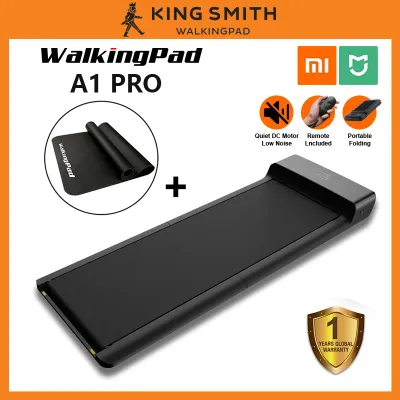
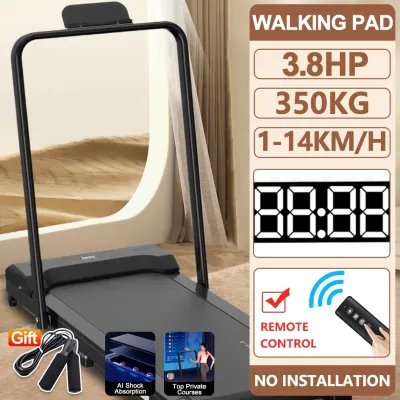
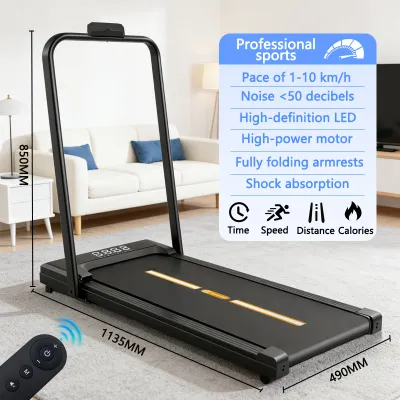
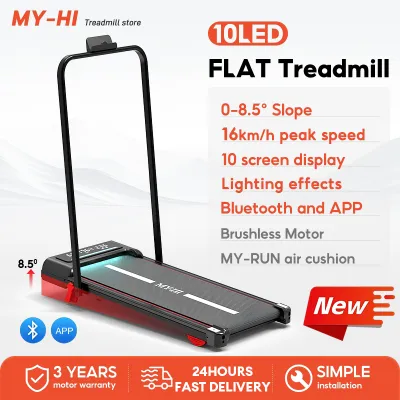
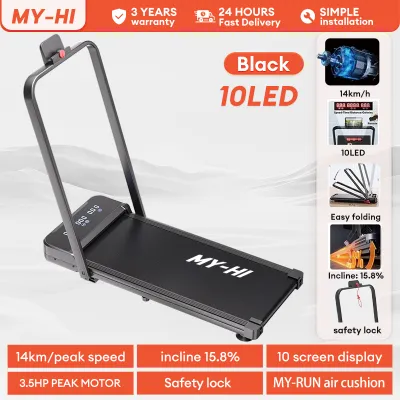
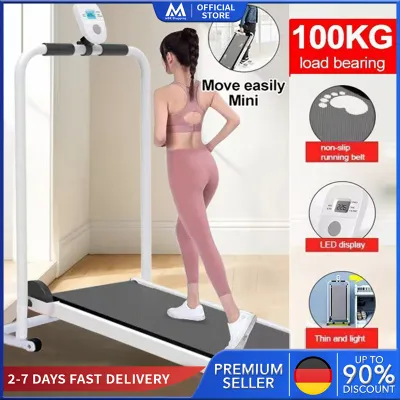
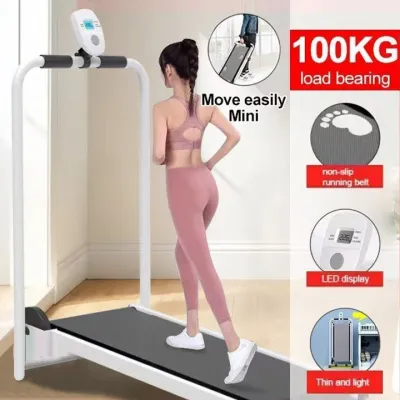
Prices are valid at publication and may change. Please refer to the product page for the latest price.
Measure your intended placement area carefully with a physical tape measure. Be sure to account for baseboards, wall moldings, built-in cabinets, and irregular room shapes, such as structural columns or pillars that are common in modern condo designs. These architectural features can easily shave off several centimeters of usable floor space, turning a planned workout spot into a tight squeeze.
It is also vital to differentiate between the total machine footprint and the actual walking belt area. The walking belt is the moving surface you stand on, which is always smaller than the machine’s outer frame. The frame houses the motor, roller mechanisms, and electronics, which add significant length and width to the overall footprint. To manage your space expectations, use painter’s tape to outline the full machine dimensions on your floor, allowing you to see exactly how much walking space remains around it.
Calculating Safe Clearances for Use and Emergency Stops
Determining the necessary buffer zones around your walkpad treadmill is critical to prevent injuries and allow safe dismounts in a confined space. Consult the user manual for the manufacturer’s mandated rear and side clearance requirements. While it is tempting to push the machine flush against a wall to save space, doing so is highly dangerous. If you lose your balance or trip, a moving belt can quickly trap you against a wall or furniture, leading to severe friction burns or impact injuries.

As a general safety standard, plan for at least 1 to 1.5 meters of clear, unobstructed space directly behind the rear of the walkpad. This buffer zone must remain completely free of storage boxes, chairs, toys, or electrical cords. Additionally, maintain a side clearance of at least 0.5 meters on both sides of the machine. This lateral space allows you to step off the moving belt onto the stable side rails or the floor if you need to stop walking suddenly.
Overhead clearance is another factor that is easily overlooked in small apartments. If your condo features dropped ceilings, decorative soffits, or low-hanging light fixtures like chandeliers or ceiling fans, you must measure your height while standing on the walkpad’s deck. Ensure you have sufficient headroom to walk with an upright, natural posture without any risk of contacting overhead obstacles. Finally, make sure the pathway to the emergency stop button, safety key, or power switch remains completely unobstructed and within easy reach at all times during your workout.
Assessing Condo Conditions: Power, Ventilation, and Flooring
Your chosen location must support the electrical, environmental, and structural needs of the equipment without violating building safety standards. First, verify that the nearest power outlet matches the treadmill’s voltage and amperage requirements. In the Philippines, standard household outlets operate at 220V. You should plug the walkpad directly into a wall outlet rather than using extension cords or multi-plug adapters, which can overheat under the heavy electrical load of a treadmill motor and create a fire hazard.
Next, evaluate the room’s ventilation and heat dissipation. The tropical climate and high humidity in the Philippines mean that indoor spaces can trap heat quickly, especially when a motorized appliance is running. Position your walkpad in a well-ventilated area, ideally near an air conditioning unit or a mechanical fan. Proper airflow helps cool the treadmill’s internal motor, preventing premature wear, while keeping you comfortable during intense walking sessions.
Finally, check your condo’s flooring and structural limits. Placing a heavy, vibrating machine directly on bare tiles, vinyl, or engineered wood can cause scratches, dents, and significant noise transmission. Invest in a high-density, shock-absorbing rubber treadmill mat to place underneath the unit. This mat serves a dual purpose: it protects your flooring from cosmetic damage and dampens the low-frequency vibrations that travel through the concrete floor slab to the neighbors living directly below you.
Planning for Storage and Daily Movement in Small Apartments
Integrating a walkpad treadmill into your daily routine should not mean permanently sacrificing your valuable living space. Review the machine’s folding mechanism, total weight, and built-in transport wheels before making your final decision. Some models fold completely flat, allowing them to be stored vertically against a wall, while others fold in half or feature a fixed, low-profile frame designed to slide horizontally under furniture.
Measure your potential storage spots carefully to ensure the folded dimensions of the walkpad actually fit. If you plan to slide the unit under a bed or a sofa, measure the vertical clearance from the floor to the lowest point of the furniture frame. If you plan to store it vertically behind a door or inside a utility closet, verify that the height of the storage space can accommodate the full length of the machine when stood upright.
Consider the physical effort required to move the unit after each workout. Even though walkpads are marketed as lightweight, many models still weigh between 20 and 40 kilograms. Lifting, tilting, and rolling this weight across your condo daily requires physical strength. If the process is too difficult or awkward, you risk straining your back or accidentally damaging your walls and furniture. If daily storage feels too labor-intensive, it may be wiser to designate a permanent, dedicated spot for the machine.
Common Space Planning Mistakes to Avoid
When setting up fitness equipment in a tight space, several common spatial oversights can compromise your safety, the longevity of your machine, or your relationship with your neighbors. One frequent mistake is ignoring door swing arcs and furniture movement paths. Ensure that opening a wardrobe door, bathroom door, or main entrance does not strike the walkpad or block your escape route.
Another common error is placing the unit too close to walls, curtains, or soft upholstery. Fabric and dust can easily block the motor’s air vents, trapping heat and accumulating lint inside the casing. This restricted airflow can cause the motor to overheat, leading to electrical faults or reducing the overall lifespan of your equipment. Keep the motor housing clear of any loose fabrics or household clutter.
Lastly, do not overlook the impact of noise and vibration transfer to adjacent units. In high-density condominium buildings, structural noise travels easily through shared walls and floors. The rhythmic thumping of your footsteps on a walkpad can sound like a loud drum to the neighbor below. To maintain harmony with your community, always use a dedicated anti-vibration mat, perform regular belt lubrication to minimize mechanical friction, and schedule your workouts during reasonable daytime hours.
Frequently Asked Questions (FAQ)
Do I need permission from condo management to use a walkpad treadmill?
Before setting up your walkpad treadmill, it is highly recommended to check your condominium’s house rules or homeowner association guidelines. While most buildings do not require formal written permission for small, portable fitness equipment, some properties have strict regulations regarding heavy appliances, floor weight limits, and noise levels. Reviewing these guidelines beforehand can prevent unexpected disputes with building administration.
Additionally, pay close attention to designated quiet hours within your building. Even if your walkpad is relatively quiet, the vibration from your footsteps can still resonate through the building’s concrete structure. To comply with building policies and maintain good neighborly relations, always use a thick, high-quality anti-vibration mat under your machine and try to schedule your walking sessions during active daytime hours rather than late at night or early in the morning.
Community discussion
Share your experience or ask a question. Comments are reviewed before publication.