
Setting up a personal training space in a compact urban home requires a careful balance between equipment utility and spatial limitations. In the Philippines, where modern condominium units and apartments often feature compact layouts, finding the right boxing gear is not just about athletic preference; it is about preserving your living space and maintaining peace with your neighbors. By selecting compact, low-impact, and easily storable gear, you can maintain a highly effective training routine without compromising your home environment.
To build a successful home boxing setup, you must evaluate your physical space, understand the structural limitations of your building, and choose equipment that minimizes noise and vibration. From freestanding reflex bags to zero-footprint resistance bands, several highly efficient options can fit seamlessly into a multi-use room. This guide outlines how to assess your space, compare the best compact equipment options, control noise, and store your gear safely in a tropical climate.
Assessing Your Apartment Space Before Buying Gear
Before purchasing any boxing equipment, you must accurately measure your available training area to ensure safe movement. A proper boxing workout requires more than just the physical footprint of a punching bag; you need a clear “swing radius” to move, footwork around the target, and throw punches without striking walls, furniture, or light fixtures. Ideally, you should map out a clear floor area of at least two meters by two meters. This space allows you to extend your arms fully and step laterally without restriction.
Products mentioned in this guide
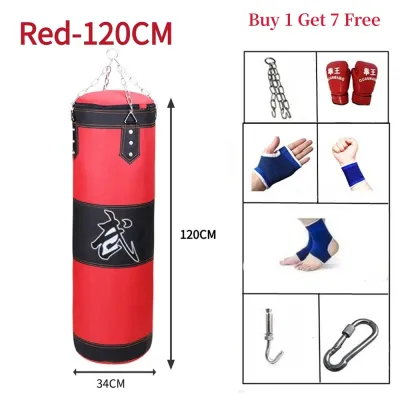
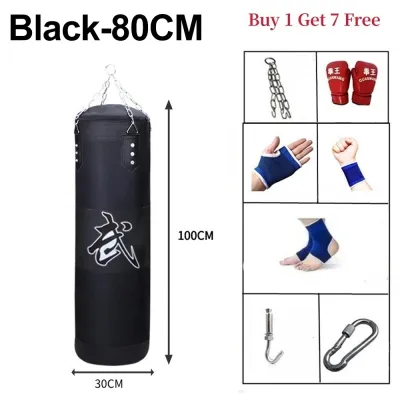
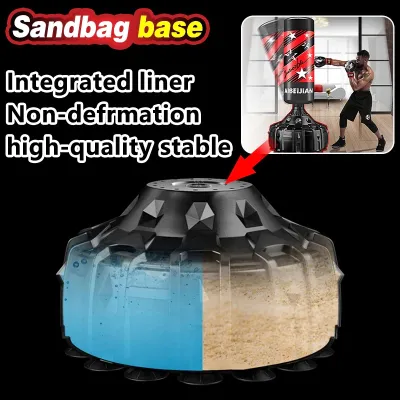
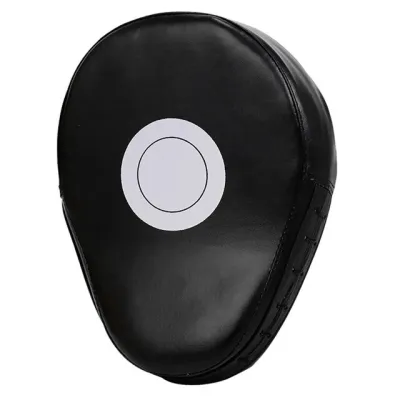
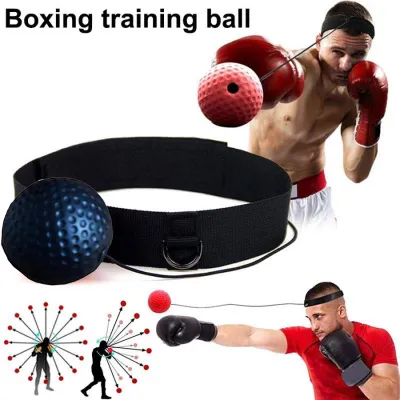
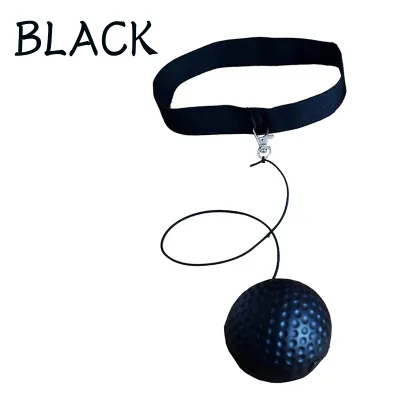
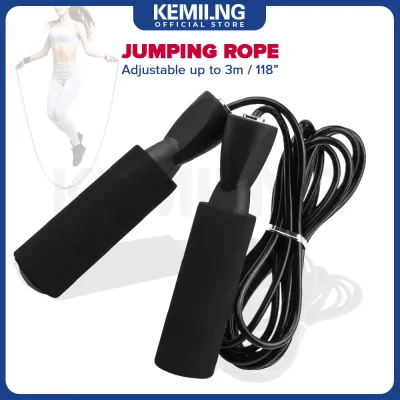
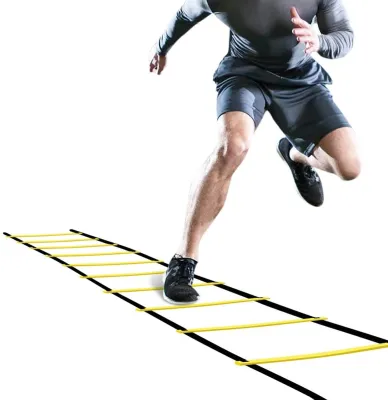
Prices are valid at publication and may change. Please refer to the product page for the latest price.
Ceiling height is another critical factor that is often overlooked in modern residential units. Many condominiums in urban centers feature concrete beams, low drop ceilings, or utility pipes that can restrict overhead movement. Measure your ceiling height to ensure that your hands, jump rope, or telescoping equipment will not strike overhead fixtures. If you plan to jump rope as part of your warm-up, you will need at least 30 to 50 centimeters of clearance above your head.
Understanding the construction of your walls is vital if you are considering any mounted equipment. Most interior walls in local apartments are partition walls made of gypsum board, light metal studs, or hollow concrete blocks. These materials cannot support the dynamic weight and constant vibration of a heavy punching bag. Only structural concrete columns or load-bearing walls can safely handle mounted brackets, and drilling into these structural elements is typically restricted.
Finally, always review your lease agreement or building administration rules before setting up your training corner. Many residential buildings enforce strict guidelines regarding structural modifications, drilling, and noise levels. Understanding these rules beforehand will help you avoid fines or disputes with your landlord and building management, guiding you toward non-invasive, freestanding, or portable equipment options.
Comparing Space-Saving Boxing Equipment Options
When space is limited, traditional hanging heavy bags are rarely practical. They require permanent ceiling mounts, take up constant physical space, and transfer heavy vibrations directly into the building’s structure. Fortunately, several space-saving alternatives offer excellent training value with a much smaller footprint.

Freestanding punching bags are a popular alternative because they do not require ceiling installation. These units rely on a heavy plastic base filled with sand or water to remain stable. While they do occupy floor space, many models can be tilted and rolled into a corner or closet when your workout is finished. However, you must verify the base diameter to ensure it fits comfortably within your designated training zone without blocking walkways.
For an even smaller footprint, a freestanding reflex bag is highly effective. These units consist of a small, weighted base, a spring-loaded vertical shaft, and an inflatable target ball at the top. Because they are designed for speed, timing, and accuracy rather than raw power, they require very little space and produce significantly less floor vibration than a standard heavy bag. The telescoping pole also allows you to adjust the height to match your ceiling clearance.
Wall-mounted target pads or door-frame punching systems offer another low-profile solution. Some target pads can be secured using heavy-duty adhesive straps or temporary frames that fit over standard doors. While these options save valuable floor space, you must verify that the door frame or wall surface is sturdy enough to withstand repeated impacts without cracking or warping.
If you have absolutely zero extra floor space, you can rely on zero-footprint training tools. Shadow boxing in front of a full-length mirror is an excellent way to refine your form, head movement, and footwork without any equipment footprint. To add resistance to your punches, you can integrate specialized boxing resistance bands that wrap around your back and loop over your hands, providing a quiet, highly portable, and space-efficient workout.
Safe Installation and Noise Control for Condos
Noise and structural vibration are the most common sources of conflict when training in shared residential buildings. The impact of a punch on a heavy bag creates low-frequency vibrations that travel easily through concrete floors and walls, disturbing neighbors next door and downstairs. Minimizing this impact requires deliberate installation strategies and the use of dampening materials.
If you choose to use a freestanding bag or reflex bag, placing a high-density anti-vibration mat underneath the base is essential. Standard yoga mats are too thin to absorb heavy impacts; instead, look for thick, interlocking EVA foam tiles or heavy-duty rubber gym mats. These mats help absorb the downward force of your movements and prevent the plastic base of your equipment from rattling against tiled or wooden floors.
When filling the base of a freestanding bag, you must follow the manufacturer’s guidelines regarding weight limits and fill materials. In the humid, tropical climate of the Philippines, using dry sand is often preferred over water. Water left inside a plastic base for long periods can develop algae or mold, and any accidental leaks can damage your apartment’s flooring. Sand provides a heavier, more stable base, though it is more difficult to empty if you plan to relocate.
If you are attempting to install any wall-mounted gear, always use a stud finder to locate structural supports and avoid drilling into electrical conduits or water pipes. If you are unsure about the structural integrity of your walls or the safety of your installation, stop immediately. It is always best to consult your building’s maintenance office or hire a qualified local handyman to ensure the installation is safe and compliant with building codes.
Storing and Integrating Gear in Multi-Use Rooms
To maintain a comfortable living environment, your boxing training corner should easily transition back into a functional living space. Prioritizing collapsible, foldable, or easily disassembled equipment allows you to reclaim your room immediately after your workout. Look for reflex bags with quick-release pins that let you fold the shaft down or detach the target ball for easy storage under a bed or inside a closet.
Managing your smaller accessories is also key to keeping a multi-use room organized. Instead of leaving wet gloves, hand wraps, and jump ropes cluttered on the floor, utilize vertical wall space. Installing a simple pegboard or a set of wall hooks allows you to hang your gear neatly. This not only saves floor space but also promotes proper air circulation, which is crucial in a humid climate.
Proper ventilation and drying are essential for maintaining your gear and keeping your apartment smelling fresh. Sweat-soaked boxing gloves and hand wraps can quickly develop unpleasant odors and mold if they are packed away in dark, unventilated spaces. Hang your wraps and open your gloves to dry in a well-ventilated area, preferably near a window or an electric fan, before storing them away.
Establishing a quick setup and teardown routine will help you stay consistent with your training. If your equipment takes more than five minutes to set up, you are less likely to use it regularly. Keep your mats, bands, and gloves in a dedicated, easily accessible storage bin so you can transition from a living room to a training zone and back again with minimal effort.
Frequently Asked Questions (FAQ)
Can I hang a heavy bag in a rented apartment?
In most cases, hanging a traditional heavy bag in a rented apartment is not permitted. Standard lease agreements in the Philippines generally prohibit drilling large holes into structural concrete ceilings or load-bearing walls. Doing so without written permission from your landlord can lead to structural damage and the forfeiture of your security deposit. If you are renting, it is highly recommended to use non-invasive alternatives such as freestanding reflex bags, door-frame speed bags, or resistance bands that do not require permanent mounting.
What is the quietest boxing equipment for shared living spaces?
Shadow boxing with boxing resistance bands is the quietest training option, as it produces virtually no sound or floor vibration. If you want a physical target to strike, a freestanding reflex bag is significantly quieter than a heavy bag because the target is lightweight and the spring absorbs much of the impact energy. To further reduce noise, always place thick, high-density rubber or interlocking EVA foam mats beneath your equipment to absorb vibrations before they travel through the floor to neighboring units.
Community discussion
Share your experience or ask a question. Comments are reviewed before publication.