
Setting up a home gym in a modern condominium requires balancing fitness goals with strict spatial limits. Compact, foldable, or low-profile machines like walking pads, folding treadmills, compact bikes, and vertical rowers offer excellent ways to maintain a consistent cardiovascular routine without permanently sacrificing your living area.
To find the right fit, you must evaluate not just the physical size of the machine, but also its operational clearance, noise output, and storage mechanism. In high-density residential buildings, factors like floor vibration and ceiling height are just as critical as the machine’s footprint.
Assessing Your Condo's Available Space and Layout
Before browsing online marketplaces or visiting fitness showrooms, you must measure your actual usable floor area. Do not rely on the total square footage of your room, as furniture, built-in cabinets, and structural pillars significantly reduce the open space available for exercise.
Products mentioned in this guide
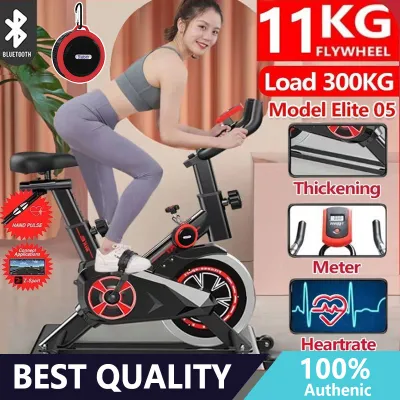
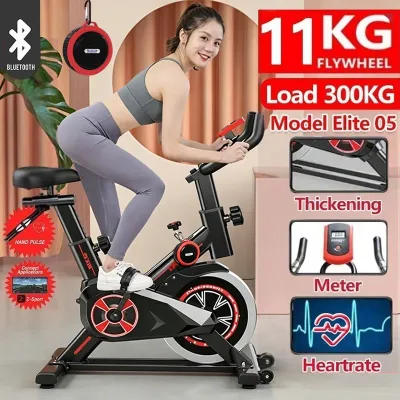
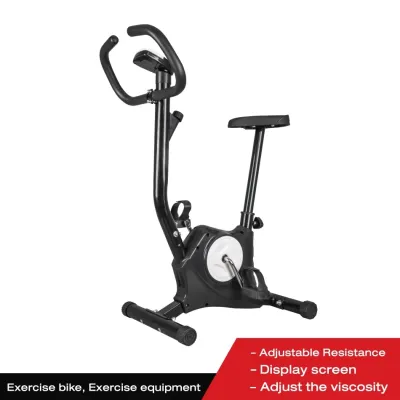
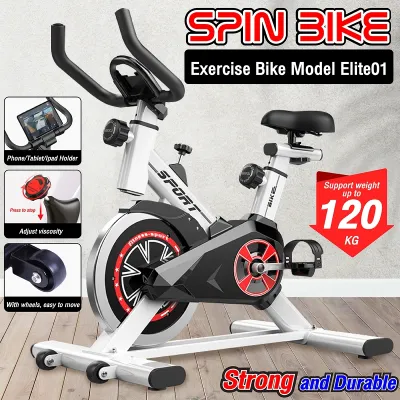
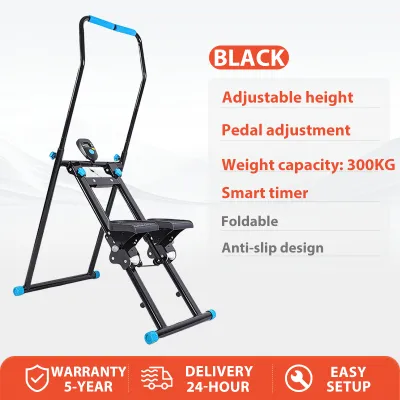
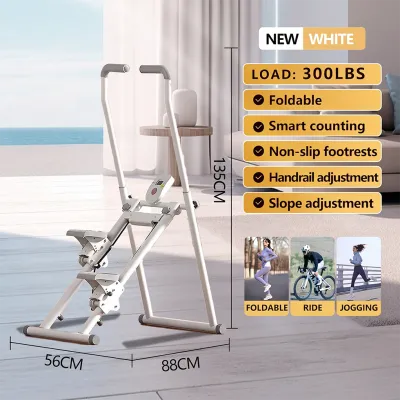
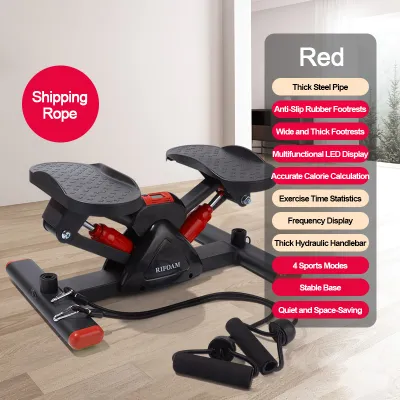
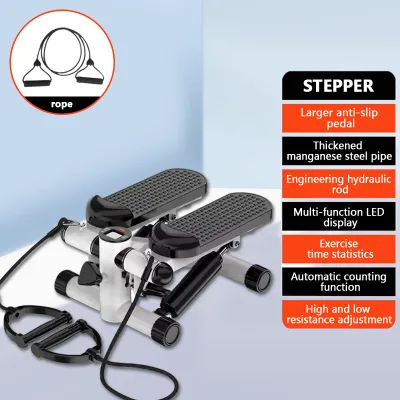
Prices are valid at publication and may change. Please refer to the product page for the latest price.
Start by mapping out the exact spot where you plan to use the machine. Ensure this area does not block high-traffic walkways, entryways, or emergency exit paths. You must also account for door swings, wardrobe doors, and the clearance needed to access electrical outlets safely.
In tropical climates like the Philippines, proper ventilation is essential for indoor workouts. Position your equipment where it can benefit from natural airflow or direct air conditioning, keeping it clear of curtains or loose fabrics that could get caught in moving parts.
Ceiling height is another critical constraint that is often overlooked. While a compact exercise bike keeps your head at a relatively constant level, machines involving vertical movement require extra overhead clearance. If you are considering a compact elliptical or a stepper, measure your ceiling height and add your own height plus the machine’s pedal height to ensure you will not hit the ceiling during high-intensity sessions.
Key Dimensions and Clearance Requirements for Cardio Machines
When evaluating cardio exercise equipment, you must distinguish between three distinct spatial measurements: the static footprint, the operational clearance, and the storage footprint. The static footprint is the physical space the machine occupies when it is fully assembled and resting on the floor.

Operational clearance is the additional space required around the machine to use it safely and comfortably. For example, a treadmill requires a clear safety zone behind the belt in case of slips or emergency stops, while a rowing machine needs lateral clearance for your elbows and rear clearance for the seat slide.
Maintaining these safety margins is crucial for mounting and dismounting the equipment without bumping into walls or furniture. A helpful guideline is to verify if you have at least 50 to 60 centimeters of open space on all sides of the machine, and up to 1.2 meters of clear space behind a treadmill belt.
High-rise condo living also requires you to verify weight limits and floor load capacities. While standard concrete condo floors are highly durable, heavy commercial-grade machines can place concentrated stress on specific spots. Always check the manufacturer’s specifications for both the machine’s net weight and its maximum user weight capacity before delivery.
Additionally, consider how you will transport the equipment to your unit. Measure your condo building’s service elevator doors, hallway turns, and your own front door frame to ensure the boxed machine can actually reach your living room.
Comparing Space-Saving Cardio Equipment Types
Choosing the right compact cardio machine involves balancing space efficiency against structural stability and performance features. Foldable and ultra-compact designs often require lighter frames, which may feel less rigid during intense workouts compared to permanent, heavy-duty gym installations.
Foldable Treadmills and Walking Pads
Foldable treadmills and walking pads are popular choices for small apartments, but they serve different fitness levels and space constraints. Traditional folding treadmills feature a deck that lifts vertically, usually assisted by a hydraulic shock system that reduces the lifting effort and prevents the deck from dropping suddenly.
Walking pads offer an even lower profile, designed primarily for light jogging or walking while working at a standing desk. These ultra-compact units can often fold completely in half or slide directly under a sofa or bed when not in use, making them ideal for studio units.
However, ultra-compact models typically come with trade-offs in performance. You will generally find lower top speeds, shorter running decks that may limit longer strides, and fewer or no incline options. Before purchasing, verify that the deck length matches your natural running stride and that the motor power is rated for your intended usage intensity.
Compact Bikes, Rowers, and Ellipticals
If running is not your primary focus, other cardio options offer excellent space-saving designs with low-impact benefits. Upright exercise bikes generally have the smallest static footprint of any major cardio machine, and many models feature built-in transport wheels that let you roll them into a closet after your workout.
Rowing machines provide a full-body workout and are surprisingly condo-friendly if you choose a model designed for vertical storage. These rowers can be stood upright against a wall, reducing their floor footprint to about the size of a standard dining chair when you are finished training.
Ellipticals are traditionally bulky, but compact stride alternatives and rear-drive space-saving models are available. When selecting these, pay close attention to the pedal path and handle swing to ensure they do not collide with nearby walls or furniture during your workout.
Noise, Vibration, and Condo Living Considerations
Living in a multi-unit building means your workouts can easily affect your neighbors. High-impact exercises, such as running on a treadmill, generate low-frequency vibrations that travel through concrete floors and shared walls, potentially causing disturbances.
Low-impact machines like exercise bikes, magnetic resistance rowers, and ellipticals are inherently quieter because your feet never leave the pedals or footplates. If you do choose a treadmill, look for models with advanced deck cushioning systems designed to absorb impact energy before it reaches the floor.
To further mitigate noise and vibration, always place a high-density, anti-vibration rubber mat underneath your cardio exercise equipment. This mat protects your condo’s flooring from scratches and sweat while dampening the sound of the motor and mechanical parts.
Position your equipment away from shared partition walls, especially those adjacent to a neighbor’s bedroom or living area. It is also wise to check your condo association’s house rules regarding home gym equipment, as some buildings have specific guidelines or restricted hours for noisy activities to maintain a peaceful living environment.
Frequently Asked Questions (FAQ)
Can I use a treadmill in a condo without disturbing neighbors below?
Yes, you can minimize the impact by using a high-density shock-absorbing mat specifically designed for heavy fitness equipment. Placing the treadmill on a solid floor area close to a load-bearing wall or structural column helps reduce floor flexing and vibration transfer. Additionally, choosing a treadmill with built-in deck cushioning and limiting your high-speed running to daytime hours will help maintain good relations with your neighbors.
Are foldable cardio machines as durable as standard gym equipment?
Foldable machines are engineered for convenience and space-saving, which means they use hinges, locking pins, and joints that standard commercial gym equipment does not have. While high-quality home models are highly durable for regular personal use, these moving joints can introduce slight flex during high-intensity workouts. To ensure longevity, always check the manufacturer’s maximum weight capacity, verify the warranty coverage on moving parts, and regularly tighten any structural bolts as detailed in the user manual.
Community discussion
Share your experience or ask a question. Comments are reviewed before publication.