
Setting up a home gym in a typical urban condominium requires balancing your fitness goals with strict spatial constraints. To build an effective workout space without cluttering your living area, you must prioritize multi-functional, highly adjustable, and easily storable gear. By selecting equipment that serves multiple purposes—such as adjustable dumbbells, resistance bands, and foldable benches—you can perform a complete range of strength and conditioning exercises in a space no larger than a standard yoga mat. The key is to focus on versatility, structural safety, and noise reduction to keep your workouts consistent and your neighbors happy.
Measure Your Space and Define Your Fitness Goals
Before browsing online marketplaces or visiting local fitness showrooms, you need to establish the exact physical boundaries of your workout area. Grab a tape measure and map out the clear, unobstructed floor space rather than relying on the total dimensions of the room. Remember to account for permanent fixtures like sofas, dining tables, and TV consoles, leaving a generous buffer zone around your active training space.
Vertical space is just as critical as floor area, especially in modern high-rise developments where ceiling heights can vary. Measure your ceiling clearance to ensure you can safely perform overhead movements like shoulder presses, jumping jacks, or pull-ups without striking light fixtures or concrete beams. If you plan to install a pull-up bar or use a suspension trainer, factor in your own height plus your full arm reach to determine the absolute minimum vertical clearance required.
Products mentioned in this guide
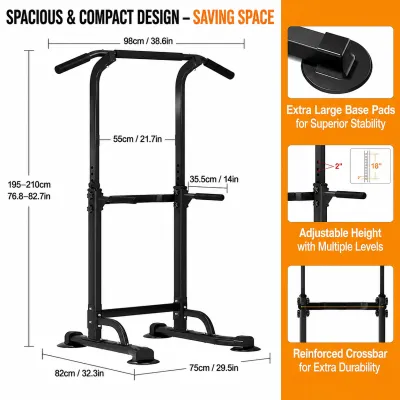
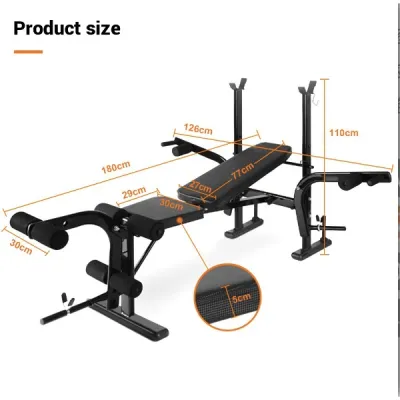

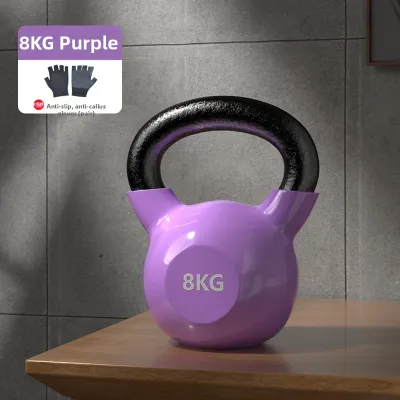
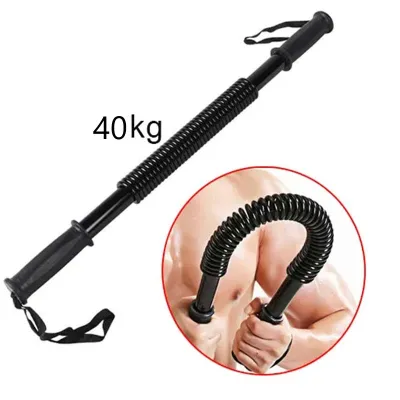
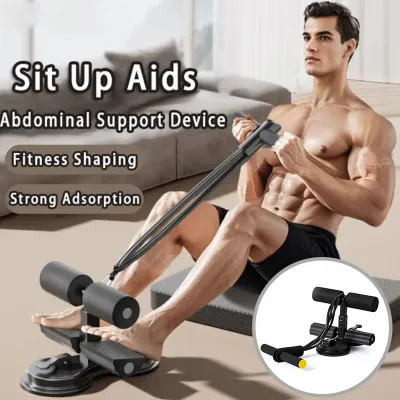
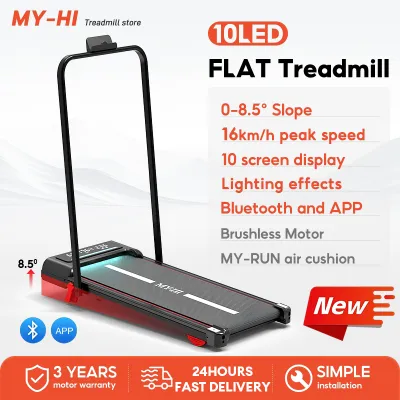
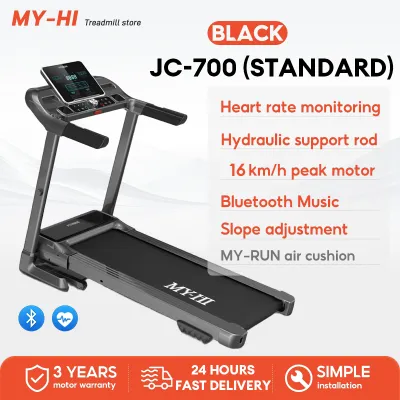
Prices are valid at publication and may change. Please refer to the product page for the latest price.
Living in a shared residential building also means considering structural floor load limits and acoustic transmission. Dropping heavy objects or performing high-impact plyometric exercises can send disruptive vibrations through the concrete slab to the unit below. To maintain good relations with your neighbors, plan to integrate high-density rubber tiles or specialized acoustic underlayment that dampens impact noise and protects your condo’s flooring from scratches and dents.
Choose Space-Saving Equipment for Full-Body Workouts
When planning your equipment budget in Philippine Pesos (₱), focus your investment on versatile, compact gear that targets all major muscle groups. Bulky, single-purpose machines have no place in a compact condo layout because they lock you into a single movement pattern while consuming valuable square footage. Instead, look for modular systems that adapt to different exercises, allowing you to transition smoothly from upper-body training to lower-body movements.

Before finalizing any purchase, always verify the shipping and packaging dimensions against your building’s physical constraints. Many condo dwellers face the frustrating challenge of ordering high-quality fitness gear only to find the delivery box cannot fit inside the building elevator, through narrow hallway turns, or past the main door frame. Checking these specifications beforehand prevents costly return shipping fees and logistical headaches.
Adjustable Free Weights and Modular Benches
Adjustable selectorized dumbbells are the cornerstone of a space-efficient strength routine, replacing an entire rack of traditional fixed-weight dumbbells with a single pair. These systems use a dial or pin mechanism to change the resistance instantly, allowing you to transition from light lateral raises to heavy squats in seconds. When choosing a set, inspect the locking mechanism carefully to ensure the plates remain securely seated during overhead movements.
A foldable utility bench complements your adjustable weights by providing a stable platform for presses, rows, and core work. Look for a bench with a high manufacturer-rated weight capacity that accounts for both your body weight and the maximum load you plan to lift. Verify the stability of the adjustment hinges and check how flat the unit folds; a high-quality bench should slide easily under a bed frame or stand upright in a utility closet when not in use.
Keep in mind that free-weight exercises require dynamic clearance beyond the physical footprint of the bench itself. You must maintain a clear safety zone around your body to allow for full arm extension, wide lunges, and the ability to safely drop or set down weights in an emergency. Test your range of motion with light movements first to ensure you will not strike nearby walls, glass doors, or delicate home decor.
Resistance Bands and Suspension Trainers
For a workout setup with virtually zero physical footprint, resistance bands and suspension trainers offer exceptional versatility. High-quality elastic bands provide progressive resistance that challenges your muscles throughout the entire range of motion while remaining light enough to store in a small drawer. When selecting bands, look for multi-layered latex or fabric-wrapped options, which offer better durability and reduce the risk of sudden snapping during high-tension exercises.
Suspension trainers leverage your own body weight to deliver a challenging full-body workout, but they require a highly secure anchor point. Before mounting a suspension system, inspect your condo’s walls and doors to identify load-bearing structures. If you are renting and cannot drill into concrete walls, a heavy-duty door anchor is a practical alternative, provided you use it on a solid-core door that closes securely in the direction of your body weight.
Regular maintenance is essential to keep these tension-based tools safe for daily use. Inspect your bands and straps before every workout for micro-tears, discoloration, or fraying along the seams. Store them away from direct tropical sunlight and humid balcony areas, as heat and moisture can accelerate the degradation of rubber and nylon components, leading to premature failure.
Compact Cardio and Multi-Function Machines
If your fitness goals include cardiovascular conditioning, traditional treadmills and ellipticals are often too bulky and noisy for a small condo. Instead, consider compact, foldable cardio equipment such as under-desk walking pads, folding magnetic resistance bikes, or high-velocity jump ropes. These items can be deployed quickly for a cardio session and then folded flat or rolled away on built-in wheels once your workout is complete.
For those who prefer cable-based resistance, modern multi-function wall-mounted cable machines offer a slim profile that juts out only a few inches from the wall. If you choose this route, verify that your condo’s partition walls are made of solid concrete or reinforced studs capable of supporting the dynamic pulling forces. Avoid mounting heavy cable systems directly onto standard gypsum board or hollow block walls without professional structural reinforcement.
Regardless of the cardio machine you choose, investing in a thick, high-density PVC or rubber equipment mat is non-negotiable. These mats serve a dual purpose: they absorb the motor vibrations and mechanical hum of the machine to keep your workouts quiet, and they catch sweat to protect your laminate, vinyl, or engineered wood flooring from moisture damage.
Plan Your Layout, Storage, and Safety Clearances
A successful condo gym relies on smart spatial planning and a realistic daily routine. Start by mapping out your dynamic movement zones using painter’s tape on the floor to visualize your actual workout footprint. Ensure you have enough room to perform a full diagonal lunge, extend your arms completely to the sides, and lie flat on your back without hitting furniture or walls.
Maximize your vertical storage options to keep your living space organized and free of clutter. Wall-mounted pegboards, heavy-duty floating shelves, and vertical dumbbell racks allow you to store resistance bands, foam rollers, and collars off the floor. If drilling is restricted by your condo association, look for rolling utility carts or low-profile storage bins that slide easily under your sofa or bed.
Establishing a quick, consistent setup and teardown routine helps integrate fitness into your daily condo lifestyle. If your workout gear takes more than five minutes to assemble, you are far less likely to use it consistently. Keep your primary tools easily accessible, and design a storage flow where every item has a designated, easy-to-reach spot.
Common Condo Gym Setup Mistakes to Avoid
One of the most common mistakes condo owners make is purchasing heavy commercial-grade equipment without checking delivery access. Standard residential elevators and narrow condo corridors often cannot accommodate long barbell shafts, fully assembled power racks, or heavy treadmills. Always confirm that your building’s service elevator can handle the weight and dimensions of your largest planned purchases.
Another frequent oversight is ignoring ventilation and airflow in small, enclosed workout spaces. Tropical humidity can quickly make a small room feel stuffy and uncomfortable during intense exercise, leading to rapid fatigue and excessive sweating. Position your workout zone near an air conditioning vent or set up a high-velocity floor fan to maintain consistent air circulation and keep your body temperature regulated.
Finally, do not underestimate the importance of proper lighting and strategic mirror placement. Good lighting helps you maintain focus and safety, while a lightweight, shatterproof acrylic mirror allows you to monitor your form and alignment during complex lifts. Avoid heavy glass mirrors that require deep wall drilling; instead, opt for secure adhesive options or a stable, freestanding full-length mirror placed safely out of your movement zone.
Frequently Asked Questions (FAQ)
Can I drop heavy weights on a condo floor?
No, you should avoid dropping weights on a condo floor, even if you have thick rubber tiles installed. The impact can damage the underlying concrete slab, crack ceramic tiles, and create loud, low-frequency vibrations that travel easily through the building’s structure to your neighbors. Always practice controlled lowering techniques to maximize muscle tension and protect your living space. If you must perform lifts where dropping is possible, use high-density foam crash pads to absorb the impact and silence the noise.
How do I anchor suspension trainers without drilling?
You can safely anchor suspension trainers without drilling by using a heavy-duty door anchor accessory. Always place the anchor over a solid-core door, ensuring you pull in the direction that closes the door latch securely against the frame rather than pulling it open. Avoid using hollow-core doors, bi-fold closet doors, or decorative trim, as these structures cannot support human body weight and may break, leading to falls or structural damage.
What is the minimum ceiling height for a home gym?
A safe minimum ceiling height for a home gym is typically around 2.4 meters (8 feet), which allows most users to stand comfortably. However, for overhead movements like shoulder presses or pull-ups, you will need to calculate your height plus your full upward arm reach, adding an extra 15 to 20 centimeters of clearance for the equipment. If your ceilings are low, adapt your routine by performing overhead exercises from a seated or kneeling position to avoid hitting overhead fixtures.
Community discussion
Share your experience or ask a question. Comments are reviewed before publication.