
Condo living in urban centers offers unmatched convenience, but it often requires fitness enthusiasts to work within highly constrained floor plans. Finding the right home fitness equipment for a small condo unit means balancing workout versatility with physical footprint, storage convenience, and structural safety. The most effective solutions are multi-functional, highly adjustable, and easily storable, allowing you to execute full-body workouts without turning your living area into a permanent, cluttered obstacle course.
Assessing Your Condo's Available Space Before Buying
Before purchasing any fitness gear, accurate physical measurements of your designated workout zone are essential. Many condo dwellers measure only the static floor footprint of a machine, forgetting that dynamic exercises require significantly more clearance. You must measure the length and width of the floor area, but also verify the ceiling height, particularly if you plan to use jump ropes, pull-up bars, or perform overhead presses. Ensure there is enough overhead clearance to prevent your hands or head from making contact with light fixtures, ceiling fans, or low concrete beams.
Logistical access is another critical factor that is frequently overlooked. Before ordering large or heavy items, measure the width of your entry doors, elevator doors, and the tight turns in your hallway. Many high-rise developments have strict delivery guidelines and service elevator size limits that could prevent bulky equipment from even reaching your unit door.
Products mentioned in this guide
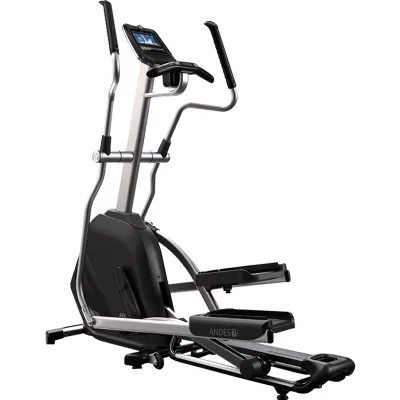
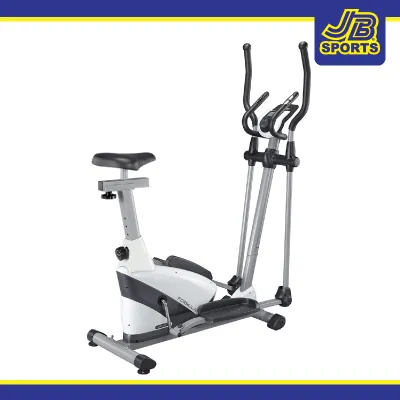
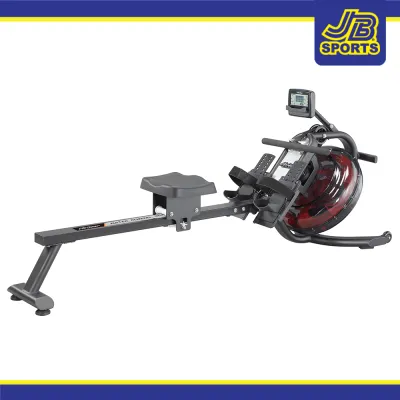
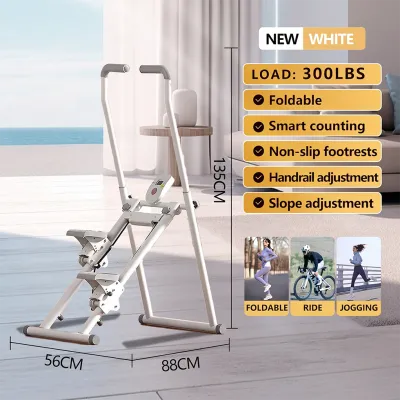
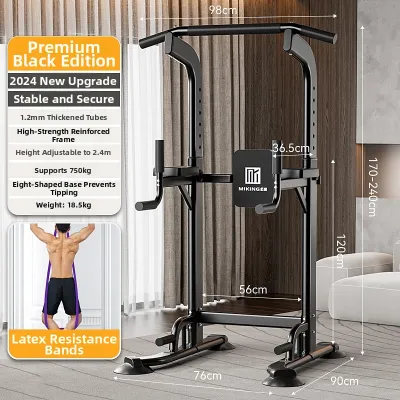
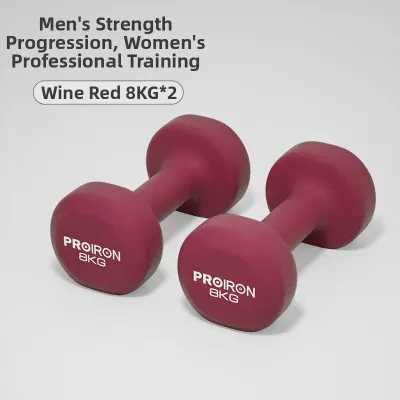
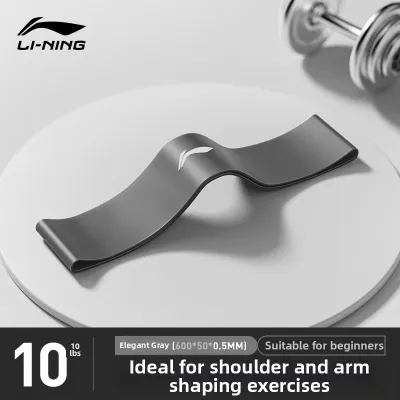
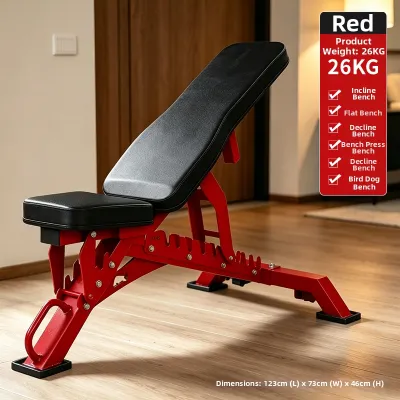
Prices are valid at publication and may change. Please refer to the product page for the latest price.
Structural limits and floor load capacities must also be verified, especially in high-density residential buildings. Heavy items like iron dumbbell sets, squat racks, or motorized treadmills exert concentrated force on small areas. Check with your building administration or structural engineer to confirm the weight limits of your unit’s floor slabs before installing heavy-duty gear.
Finally, plan dedicated storage zones for foldable or modular items when they are not in use. These storage areas must keep the equipment entirely clear of emergency exit paths, main walkways, and balcony doors. Blocking a primary exit route with a folded treadmill or a stack of weights violates building safety codes and poses a severe hazard during emergencies.
Top Categories of Compact Home Fitness Equipment
To maximize a limited living space, focus on equipment categories designed specifically for high storage efficiency and multi-functional performance.

Foldable and Wall-Mounted Cardio Machines
Cardiovascular workouts can be challenging to accommodate in small units, but modern designs offer excellent space-saving alternatives. Foldable treadmills, under-desk ellipticals, and wall-mounted rowing machines are popular choices for high-rise homes. When evaluating these machines, prioritize checking the folded dimensions rather than just the active footprint.
- Folding Mechanisms: Look for hydraulic assist systems that make folding and unfolding manageable for a single person without straining your back.
- Unit Weight and Mobility: Verify if the machine has built-in transport wheels, allowing you to roll it smoothly from a living room corner into a closet or under a bed.
- Wall-Mounted Safety: For wall-mounted rowers or vertical storage racks, professional installation is critical. You must locate solid concrete walls or structural wall studs; never mount heavy fitness equipment directly onto gypsum board or drywall alone, as this can lead to catastrophic structural failure and severe injury.
Adjustable and Compact Strength Equipment
Traditional strength training setups require multiple racks of dumbbells or kettlebells, which are impractical for a condo. Adjustable strength tools consolidate an entire commercial weight rack into a single, compact footprint.
- Adjustable Dumbbells and Kettlebells: These systems use dial, pin, or slide mechanisms to change weights instantly. Before purchasing, verify the locking mechanism's security to ensure the plates remain firmly attached during overhead movements.
- Resistance Bands and Suspension Trainers: These ultra-lightweight tools leverage your body weight and elastic tension. They can be anchored securely to heavy-duty door frames or ceiling mounts. Always inspect the anchor points, door hinges, and the integrity of the door itself before applying your full body weight.
- Foldable Weight Benches: A bench that folds flat or upright can easily slide under a bed or stand in a wardrobe. Ensure the bench has a verified weight capacity that safely accommodates both your body weight and the maximum load you plan to lift.
- Doorway Pull-Up Bars: If using a leverage-based doorway bar, check the strength and trim thickness of your door frame. Avoid using these on lightweight or hollow-core door frames, which can crack or collapse under load.
Versatile Bodyweight and Resistance Tools
For those who prefer low-impact or bodyweight-focused routines, ultra-compact accessories offer complete workouts with virtually zero storage footprint.
- High-Density Yoga Mats: A thick, high-density mat provides crucial joint cushioning on hard condo tile or vinyl flooring. Look for closed-cell materials that resist moisture absorption, especially in warm, humid tropical environments.
- Core Sliders and Jump Ropes: Sliders work well on smooth condo floors to build core stability. If using a jump rope indoors, ensure you have a specialized, noise-reducing jump rope mat to muffle the impact and protect your floor.
- Modular Plyometric Boxes: Some modern plyo boxes feature soft, high-density foam construction and can double as functional footrests or casual seating when you are not exercising.
- Material Durability: Select gear made from high-grade natural rubber, thermoplastic elastomers (TPE), or heavy-duty PVC. Cheaper plastics tend to degrade, stretch, or become sticky quickly when exposed to high humidity and sweat.
Space-Matching Strategies and Common Sizing Mistakes
Avoiding common pitfalls during the planning stage prevents costly returns and unsafe workout conditions.
One of the most frequent mistakes is ignoring the “active footprint” of your exercises. A piece of equipment might fit perfectly in a corner when idle, but using it requires extra space. For example, when using adjustable dumbbells, you need room for lateral raises and arm swings. When using a suspension trainer, you need a clear diagonal path of several feet from the door anchor.
Another common oversight is neglecting proper ventilation and heat dissipation. Motorized home fitness equipment like treadmills generates significant heat. In small, enclosed condo rooms, a lack of airflow can cause the motor to overheat and degrade prematurely. Ensure there is at least a one-foot clearance around the motor housing to allow adequate ventilation.
Additionally, do not assume that “compact” automatically means “lightweight.” A high-quality foldable treadmill or a set of heavy adjustable dumbbells can easily exceed 50 to 80 kilograms. Verify the exact product weight before buying to ensure you can physically lift and move the equipment for regular floor cleaning and maintenance.
To prevent these issues, use a simple strategy: lay down painter’s tape on your floor to map out both the static storage footprint and the active workout footprint. This physical visualization helps you confirm whether you can move freely around the equipment without bumping into walls, television consoles, or glass sliding doors.
Setting Up and Maintaining Your Small Home Gym
Creating a safe and sustainable workout environment in your condo requires protective measures and consistent maintenance.
Always place high-density rubber mats or interlocking tiles beneath your equipment. This layer protects your condo’s ceramic tile, laminate, or engineered wood flooring from scratches, dents, and sweat. It also significantly reduces the transfer of structural vibrations to the units below you.
Given the tropical climate and high humidity levels in the Philippines, managing moisture is vital. Ensure your workout space is well-ventilated, and use a standing or wall-mounted fan to keep air circulating. This helps cool both you and the equipment’s electrical components.
Establish a monthly maintenance routine to inspect your gear. Check all bolts, hinges, locking pins, and wall anchors for tightness and structural integrity. Loose components on foldable benches or pull-up bars can lead to sudden instability during a workout.
Finally, wipe down all surfaces immediately after use. Sweat contains corrosive salts that can quickly rust metal frames, damage electronic consoles, and degrade vinyl upholstery. Use a damp microfiber cloth with a mild, non-abrasive cleaning solution, and dry the equipment completely to prevent mold growth in humid conditions.
Frequently Asked Questions (FAQ)
How can I minimize workout noise for my condo neighbors?
To keep noise levels low in a shared residential building, place thick, high-density rubber mats (at least 6mm to 10mm thick) or interlocking foam tiles under your workout area to absorb structural impacts. Avoid heavy drop-weights, such as Olympic lifts, and focus instead on controlled, slow eccentric movements, or use resistance bands which generate virtually no sound. If you prefer cardio, choose magnetic-resistance or fluid-based machines, which operate much more quietly than air-resistance alternatives. Finally, always review your condo association’s house rules regarding designated quiet hours and floor covering mandates to ensure your home workouts remain fully compliant and neighbor-friendly.
Community discussion
Share your experience or ask a question. Comments are reviewed before publication.