
Living in a compact urban space like a studio or one-bedroom condo in Metro Manila means every square meter comes at a premium. You do not need a massive commercial setup to stay fit; instead, a highly curated portable gym setup can deliver a complete full-body workout while tucking away into a single closet or under your bed. The best equipment for tight spaces must be versatile, easily stored, and quiet enough to keep you on good terms with your neighbors.
To build a functional home gym in a limited layout, your primary focus should be on multi-functional, low-impact gear. Resistance bands, adjustable free weights, and ultra-compact folding machines allow you to perform hundreds of exercises without sacrificing your living area. By selecting items that serve multiple purposes and are easy to pack away, you can maintain a consistent fitness routine right from your living room.
However, success depends on more than just buying compact gear. You must carefully evaluate your physical layout, storage options, and building regulations before making any purchases. Let’s look at how to assess your space and select the most efficient tools for your condo.
Products mentioned in this guide
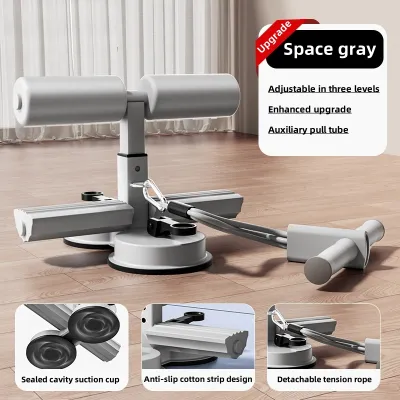
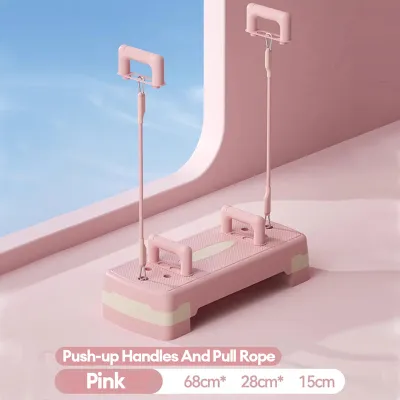
Prices are valid at publication and may change. Please refer to the product page for the latest price.
How to Measure and Assess Your Condo Workout Space
Before purchasing any fitness gear, you must accurately evaluate the physical limits of your condo. Many fitness enthusiasts make the mistake of measuring only the static footprint of an item, forgetting that dynamic movements require significantly more clearance. You need to map out a dedicated workout zone where you can move freely without risking injury or damaging your furniture.
Start by measuring your clear floor area using a standard tape measure. A standard yoga mat occupies roughly 1.8 meters by 0.6 meters, but your actual workout zone should extend at least half a meter beyond this boundary on all sides. This extra clearance ensures you will not strike your coffee table, TV stand, or walls during dynamic exercises like lunges or lateral raises.
Next, look upward and measure your ceiling height, especially if you live in a high-rise development with dropped ceilings or low-hanging light fixtures. Overhead presses, jump rope sessions, and pull-up bar attachments require ample overhead clearance. If your ceiling is lower than 2.4 meters, overhead movements with dumbbells or suspension trainers may feel restricted, requiring you to adapt your routine to seated or kneeling variations.
Do not forget to measure your entryway door frames, hallway turns, and elevator dimensions. Even if a piece of equipment is labeled as portable, it must first navigate the journey from the delivery truck, through your condo lobby, and into your front door. If you purchase a semi-assembled folding bench or a heavy box of weights, ensure they can clear these tight corners without scraping your walls.
Finally, identify your dedicated storage zones before making a purchase. Look for under-utilized spaces such as the gap beneath your bed frame, the bottom shelf of your wardrobe, or the corner behind a door. If you plan to store heavy items like dumbbells on existing shelves, verify the manufacturer’s weight capacity limits first to prevent structural bowing or sudden collapse.
Best Portable Gym Equipment Categories for Limited Floor Space
Selecting the right gear for a small space requires focusing on equipment density—the ratio of exercise variety to physical size. A versatile portable gym setup relies on items that can target multiple muscle groups without requiring a dedicated room. Here are the top equipment categories that offer the highest utility per square inch.

Resistance Bands and Suspension Trainers
Resistance bands and suspension trainers represent the pinnacle of space-saving fitness gear, offering a full-body workout with virtually zero physical footprint. These tools utilize your body weight or elastic tension to create resistance, making them exceptionally safe for home use. When you finish your workout, the entire system can be rolled up and stored in a small drawer or decorative basket.
Elastic loop bands, fabric booty bands, and resistance tubes with interchangeable handles allow you to mimic almost any cable-machine exercise. Because the resistance increases as the band stretches, these tools provide a unique constant-tension stimulus that is highly effective for muscle activation. They are also incredibly quiet, eliminating the clanging sounds associated with traditional weights.
Suspension trainers take this concept a step further by using adjustable heavy-duty straps anchored to a stable point. You can use a padded door anchor that slips over the top of any standard solid-wood door, or install a semi-permanent wall or ceiling mount. Before installing any permanent anchors, always check your condominium association’s guidelines regarding drilling into concrete walls, as some buildings prohibit structural modifications.
If you use a door anchor, always verify the structural integrity of the door frame and the direction of the door swing. It is safest to anchor the straps so that you are pulling the door closed against the frame. This simple precaution prevents accidental door openings and potential falls during high-tension movements.
Adjustable Dumbbells and Compact Free Weights
Traditional free weights are highly effective, but housing a full set of dumbbells requires a multi-tier rack that can easily dominate a studio apartment’s floor plan. Adjustable dumbbells solve this space dilemma by consolidating an entire rack of weights into a single pair. By using a dial, pin, or sliding mechanism, you can change the weight in seconds, keeping your workout area clean and organized.
A single pair of adjustable dumbbells occupies less than half a square meter of floor space while providing weight increments ranging from light to heavy. This adaptability makes them suitable for progressive overload across different exercises, from light shoulder raises to heavy goblet squats. When shopping, look for models with a secure locking mechanism to ensure the plates remain firmly attached during overhead movements.
If you prefer kettlebell training, opt for compact, flat-bottomed cast iron or rubber-coated kettlebells. Flat-bottom models are highly stable, preventing them from rolling across your floor and causing accidental damage to your tiles or laminate. Stackable weight systems or water-filled weights are also viable alternatives, though water-filled options require careful inspection to prevent leaks on your flooring.
Because concentrated metal weights exert high pressure on small surfaces, you must verify the load-bearing capacity of your storage solutions. Avoid placing heavy adjustable dumbbell sets on delicate glass shelves or thin wooden console tables. Instead, store them on the lowest shelf of a sturdy cabinet, directly on a reinforced storage bench, or on a protective floor mat in a secure corner.
Foldable Cardio and Multi-Station Machines
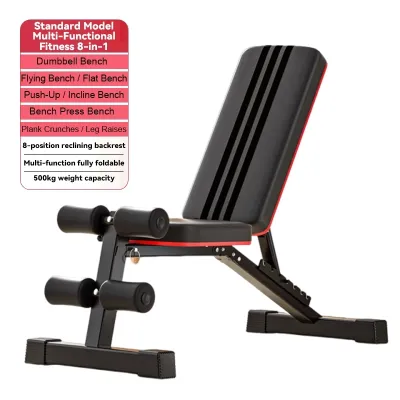
If you prefer cardio or structured strength training, you do not have to abandon machines entirely. Many modern manufacturers design foldable rowing machines, under-desk ellipticals, and folding weight benches specifically for small-space living. These items feature hinges, quick-release pins, and transport wheels that allow them to fold flat or stand vertically when not in use.
When evaluating foldable equipment, look closely beyond the advertised “folded dimensions” and consider the actual setup effort. If a machine requires you to unscrew multiple bolts and struggle with complex latches every single day, you are far less likely to use it regularly. Prioritize designs that feature gas-assisted folding mechanisms or simple pull-pin locks that let you transition from storage to workout in under a minute.
Additionally, remember that foldable machines still require a substantial “in-use” clearance zone that must remain completely free of furniture during your session. For example, a folding rowing machine may fold up to occupy a small corner, but when unfolded, it requires over two meters of linear floor space. Ensure you can easily slide your coffee table or dining chairs aside to accommodate this temporary footprint safely.
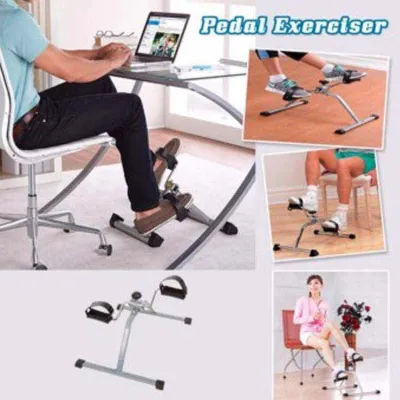
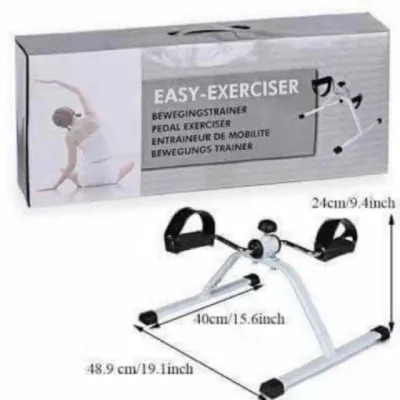
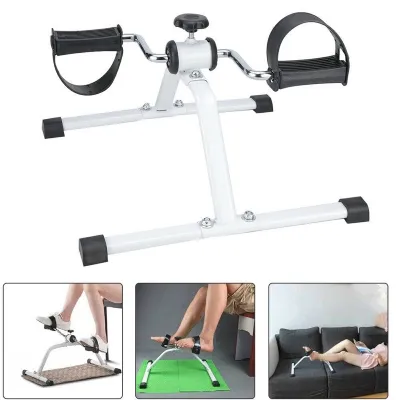
Under-desk ellipticals and compact walking pads offer an alternative for low-impact cardio that fits directly under a desk or sofa. These low-profile devices are easy to slide out during a work call or television session. However, always check the manufacturer’s user manual for weight limits and speed boundaries to ensure the device matches your personal fitness level and safety requirements.
Smart Storage and Setup Strategies for Condo Living
Keeping a small condo organized requires integrating your fitness gear seamlessly into your daily living space. Utilizing vertical space is one of the most effective ways to keep your floors clear of clutter. Over-the-door organizers with clear pockets are perfect for storing resistance bands, jump ropes, and exercise sliders, while vertical wall racks can hold yoga mats and foam rollers securely.
Multi-functional furniture is another excellent strategy for hiding your workout gear in plain sight. A stylish storage ottoman placed in your living room can double as extra seating for guests and a hidden chest for your yoga blocks, ankle weights, and stretching straps. Similarly, shallow plastic storage bins with wheels can slide directly under your bed frame or sofa, keeping your gear dust-free and out of your immediate line of sight.
Living in the tropical climate of the Philippines introduces unique environmental challenges for home fitness equipment. High humidity levels and sweat can quickly lead to rust on metal weights, mold on fabric straps, and material degradation on rubber resistance bands. To protect your investment, make it a strict rule to wipe down all equipment with a dry microfiber cloth immediately after every workout to remove moisture and body oils.
For rubber resistance bands and suspension straps, store them in a cool, dry place away from direct sunlight, as UV rays and intense heat can cause the rubber to dry out, crack, and snap during use. If you notice any small tears or discoloration on your bands, discontinue using them immediately to avoid painful snap-backs. You can also use silica gel packets inside your storage bins to help absorb excess moisture and prevent musty odors.
If you want to maintain a clear boundary between your living area and your workout zone, consider using temporary room dividers or strategic furniture placement. A folding screen or a carefully positioned bookshelf can visually isolate your exercise space, helping you focus during your workout and fully relax once the session is over.
Common Space-Matching Mistakes to Avoid Before Buying
One of the most common mistakes condo dwellers make is confusing an item’s “folded footprint” with its “in-use footprint.” While a folding treadmill might only occupy a small corner when upright, it requires a significant safety clearance behind the belt when running. Failing to account for this buffer zone can lead to dangerous accidents if you slip or lose your balance during a high-speed workout.
Another frequent oversight is ignoring your condominium association’s rules regarding floor impact noise and structural weight limits. Dropping dumbbells or jumping during high-intensity interval training (HIIT) can send loud vibrations through the concrete slab, disturbing your neighbors below. Always check your building’s guidelines on quiet hours and floor load capacities before bringing in heavy strength equipment.
Avoid the temptation to purchase single-use, bulky fitness gadgets that target only one muscle group, such as dedicated abdominal crunch machines or bulky thigh trainers. These items quickly turn into expensive clothes hangers once the novelty wears off. Instead, prioritize versatile, multi-purpose equipment that can be adapted to dozens of different exercises and easily tucked away.
Finally, always check if your portable cardio equipment requires a dedicated electrical outlet. If your walking pad or folding elliptical needs mains power, verify that the power cord can safely reach your wall outlet without stretching across high-traffic walkways. Running extension cords across your living room floor creates a dangerous tripping hazard, especially when you are fatigued after a challenging workout.
Frequently Asked Questions (FAQ)
Is a folding treadmill practical for a studio condo?
While folding treadmills are highly appealing, they are often impractical for very small studio condos. Even when folded, they require a dedicated vertical or horizontal space, and when unfolded, they need substantial safety clearance behind the running belt to prevent injury in case of a fall. Additionally, the motor noise and the repetitive footstep vibrations can easily travel through the concrete floors of Philippine condo buildings, leading to noise complaints from neighbors directly below you. If you decide to purchase one, opt for a low-profile walking pad designed for lower speeds, and verify your building’s noise policies first.
How can I protect my condo floor and reduce noise during workouts?
To protect your condo’s tile, laminate, or hardwood flooring from scratches and impact damage, always perform your workouts on a high-density rubber mat or interlocking foam tiles. These protective layers distribute the weight of your equipment and absorb the shock of dropped items. For motorized cardio machines or heavy adjustable dumbbell bases, place specialized vibration-dampening pads underneath the contact points to minimize the transmission of low-frequency hums and thuds through the building’s structure.
Community discussion
Share your experience or ask a question. Comments are reviewed before publication.