
Finding a stationary bike for exercise that fits a compact condominium unit in the Philippines requires balancing your fitness goals with the realities of limited square footage. A bulky piece of commercial gym equipment can easily overwhelm a studio or one-bedroom layout, turning your living room into an obstacle course. Fortunately, modern home fitness designs offer several space-saving alternatives, including foldable frames, streamlined upright profiles, and compact indoor cycles. By understanding how to measure your space and evaluate bike designs, you can establish a highly effective home workout routine without sacrificing your living area.
How to Measure Your Condo Space for a Stationary Bike
Before browsing online catalogs, you must establish the exact spatial boundaries of your exercise area. This process begins by distinguishing between the static footprint and the dynamic footprint of the equipment. The static footprint is the physical floor space the bike occupies when idle or folded. In contrast, the dynamic footprint includes the extra clearance required to safely mount, pedal, and dismount. Plan for at least 50 to 60 centimeters of open space on all sides of the bike to prevent your knees, elbows, or feet from striking nearby walls or furniture during a ride.
Logistical constraints extend beyond your designated workout corner. Many condo dwellers in dense urban areas like Metro Manila overlook the journey the equipment takes from the delivery truck to the living room. It is vital to measure the width and height of your building’s elevators, hallways, and entrance doorways. Even if a bike is compact once assembled, the shipping box can be surprisingly bulky. Checking these dimensions beforehand prevents the frustration of a delivery that cannot clear your front door.
Products mentioned in this guide
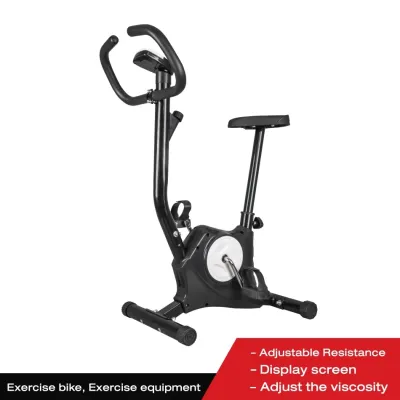
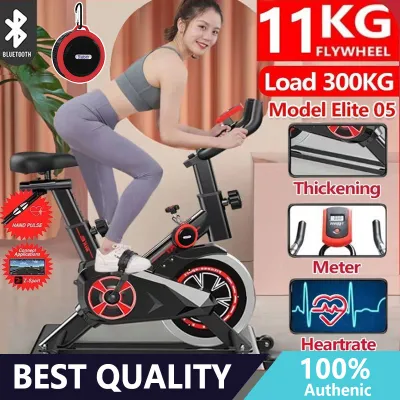
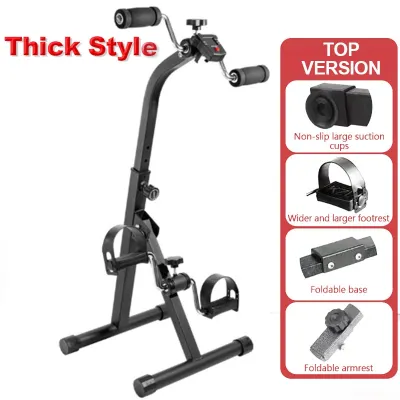
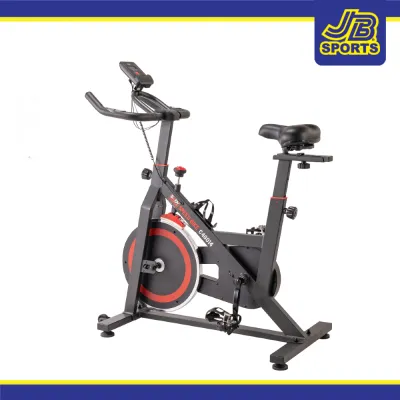
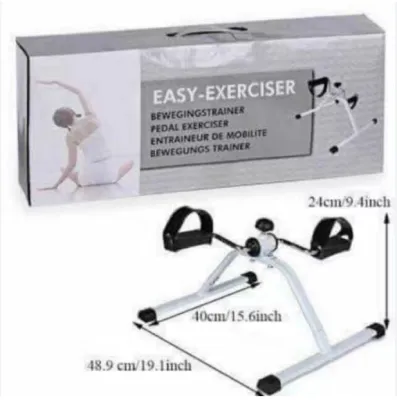
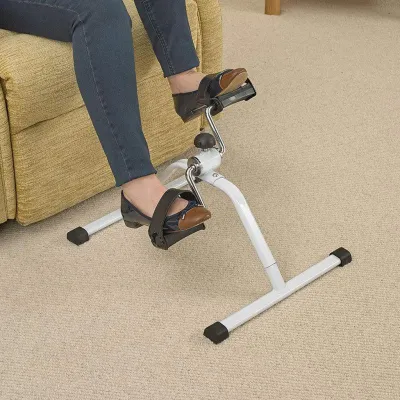
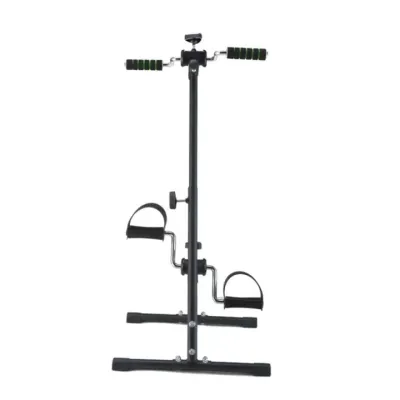
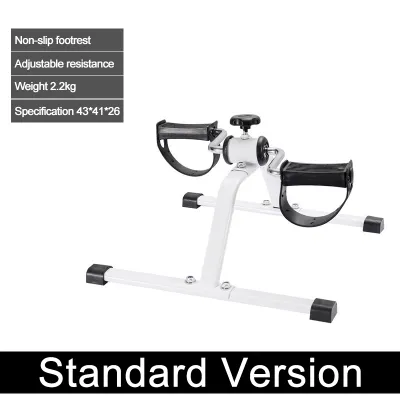
Prices are valid at publication and may change. Please refer to the product page for the latest price.
Vertical clearance is another critical factor, particularly if you plan to use an indoor cycling bike that encourages standing climbs. Standard residential condo units often feature dropped ceilings that lower the overhead clearance. To calculate your required ceiling height, add your own height to the maximum pedal height of the bike, then add an extra 15 to 20 centimeters for safety. This calculation ensures you will not bump your head against light fixtures or ceiling fans when transitioning to an out-of-the-saddle climb.
Finally, consider ventilation and power outlet proximity. High-intensity indoor cycling generates significant body heat, which can quickly make a small, enclosed room feel stifling. Position your bike near a window, in the direct line of a stand fan, or within range of your air conditioning unit. Additionally, if you select a bike with electronic resistance controls, position the unit close to a grounded power outlet to avoid running hazardous extension cords across your floor.
Best Types of Stationary Bikes for Small Spaces
Choosing the right stationary bike for exercise involves matching your preferred workout style with a frame geometry that respects your home’s physical limits. Different bike designs cater to distinct fitness levels and storage capabilities, making it essential to compare their structural footprints.

Foldable Exercise Bikes (X-Bikes)
Foldable exercise bikes, commonly referred to as X-bikes due to their scissor-like frame design, offer the ultimate level of space recovery. These models feature a central hinge that allows the frame to fold inward, reducing the overall footprint by up to 50 percent when not in use. This makes it highly convenient to roll the bike into a utility closet, slide it under a raised bed frame, or tuck it behind a living room curtain.
However, the folding mechanism introduces several trade-offs. To remain lightweight and easily portable, X-bikes are constructed with thinner steel tubing and smaller stabilizers. This design choice limits their overall structural stability, making them prone to slight swaying during vigorous pedaling. Additionally, foldable bikes typically feature lighter flywheels and lower maximum weight capacities, meaning they are best suited for low-to-medium intensity cardio rather than high-performance athletic training.
Compact Upright Bikes
Compact upright bikes provide a middle ground between the extreme portability of foldable models and the robust build of commercial gym equipment. These bikes position the rider in a traditional, upright posture similar to a standard road bicycle, with the pedals located directly beneath the seat. Because they do not require the long, extended frame of a recumbent bike, compact upright models occupy a relatively small, square-shaped footprint on your floor.
While most compact upright bikes do not fold, their rigid frames offer superior stability compared to X-bikes. This rigidity allows for smoother pedaling feel and a wider range of resistance levels, which is beneficial for building cardiovascular endurance over time. They are easy to integrate into a dedicated corner of a bedroom or home office, taking up minimal visual and physical space while remaining permanently ready for your next workout session.
Indoor Cycling Bikes with Small Footprints
For those who demand high-intensity workouts, studio-style indoor cycling bikes offer the closest approximation to an outdoor road bike experience. These machines are designed for high-cadence pedaling, interval training, and standing climbs, featuring heavy, perimeter-weighted flywheels that provide smooth, continuous momentum. While they are built with robust, heavy-duty steel frames, many manufacturers design residential models with a surprisingly narrow and streamlined profile.
An indoor cycling bike does not fold, but its overall footprint is often comparable to a standard yoga mat. To make them condo-friendly, quality models are equipped with integrated transport wheels on the front stabilizer bar. This allows you to tilt the bike upward and roll it out of the way into a corner or against a wall when your workout is complete. When choosing this option, keep in mind that the heavy flywheel and solid frame require a stable, level surface, meaning they cannot be easily lifted or carried up stairs by a single person.
Essential Features for Condo-Friendly Exercise Bikes
Operating fitness equipment in a shared residential building requires specific features to maintain domestic harmony and protect your property. The first and most critical feature to look for is a magnetic resistance system. Unlike friction-based systems that use felt pads to slow down the flywheel, magnetic systems adjust resistance by moving magnets closer to or further from the spinning wheel. This frictionless design operates in near-total silence, allowing you to cycle at early dawn or late at night without transmitting disruptive whirring noises through thin condo walls to your neighbors.
Mobility and stability features are equally important when retrofitting a living space. Look for bikes equipped with high-quality polyurethane transport wheels that roll smoothly over ceramic tiles, vinyl planks, or hardwood floors without leaving scuff marks. Additionally, ensure the bike features adjustable leveling feet on the front and rear stabilizers. Condo floors, particularly in older buildings, are rarely perfectly level; adjustable feet allow you to compensate for uneven surfaces, eliminating annoying rocking motions that can damage the bike’s frame and compromise your balance.
To keep your workout area as uncluttered as possible, prioritize bikes with integrated, low-profile consoles or built-in tablet holders. Bulky, oversized screens can make a compact bike feel visually dominant in a small room. A simple, built-in device holder allows you to secure your own smartphone or tablet, giving you access to training apps or entertainment without requiring an extra side table or a dedicated television mount nearby.
Finally, protect your condo’s flooring from the inevitable side effects of intense exercise. Perspiration contains salts that can corrode metal bike components and warp laminate or hardwood flooring over time. Always place a high-density PVC or rubber equipment floor mat beneath your stationary bike. This mat serves a dual purpose: it acts as a protective barrier against sweat and water droplets, and it dampens the vibrations generated by the spinning flywheel, preventing noise from traveling downward into the ceiling of the unit below you.
Balancing Space Constraints with Workout Performance
When shopping for a compact stationary bike for exercise, you must navigate the direct relationship between a machine’s physical size and its mechanical performance. A lighter, ultra-compact frame is highly convenient to move, but it lacks the structural mass required to anchor the bike during high-intensity efforts. If you attempt to perform rapid sprints or stand up to pedal on a very light bike, you may experience a distracting rocking sensation that detracts from your workout and poses a safety risk.
The heart of any stationary bike is its flywheel, and its weight directly influences the quality of the pedaling motion. Compact and foldable bikes often utilize light flywheels to keep the machine’s overall weight manageable. While sufficient for casual cardio, a light flywheel can result in a choppy, uneven pedal stroke, especially at higher resistance levels. If your fitness goals involve simulating outdoor road cycling or engaging in intense interval training, you will need to prioritize a heavier, more stable frame with a substantial flywheel, even if it occupies a slightly larger permanent footprint in your home.
Before finalizing your purchase, always verify the manufacturer’s specified maximum weight capacity and inseam adjustment range. Compact frames sometimes achieve their small size by shortening the seat post or the distance between the saddle and the handlebars. For taller individuals, this can prevent proper leg extension, leading to knee strain and poor biomechanics. Ensure the bike’s adjustment mechanisms can accommodate your height comfortably, allowing for a slight bend in the knee at the bottom of the pedal stroke, while remaining well within the structural weight limits specified by the brand.
Common Space and Setup Mistakes to Avoid
One of the most frequent errors home fitness enthusiasts make is purchasing a bike based solely on its advertised folded dimensions. While a foldable bike may look incredibly small in a promotional photo, you must evaluate its fully extended, operational footprint. Failing to account for the space required to comfortably mount and pedal the machine can lead to a cramped setup where your knees hit nearby furniture or your elbows brush against a wall, ultimately discouraging you from using the equipment regularly.
Another common mistake is positioning the stationary bike too close to walls, curtains, or large furniture pieces. This placement restricts natural airflow around your body, causing you to overheat quickly in a tropical climate. Furthermore, blocking the air vents of the bike’s internal magnetic resistance housing or electronic console can trap heat inside the machine, potentially accelerating wear on internal components and shortening the operational lifespan of the electronics.
Lastly, environmental factors in the Philippines, such as high ambient humidity and salt-laden air in coastal areas, require careful consideration. Placing your bike on an open balcony or in a semi-outdoor utility area to save indoor space exposes the metal frame, electronic sensors, and wiring to moisture and dust. This exposure can lead to rapid rust formation, squeaking joints, and electrical malfunctions. To ensure the safety of your investment and maintain your warranty coverage, always set up and store your fitness equipment in a fully enclosed, climate-controlled indoor environment.
Frequently Asked Questions (FAQ)
Can I keep a stationary bike in a small bedroom?
Yes, a stationary bike can be placed in a small bedroom, provided you maintain a clear pathway around your bed and closet doors. To ensure safety, allow at least 50 centimeters of clearance around the bike’s dynamic footprint. Because early morning or late-night workouts can disturb others in the household, choose a bike with magnetic resistance for silent operation. Additionally, keep the bedroom well-ventilated with an open window, ceiling fan, or air conditioner to manage humidity and prevent sweat odors from lingering in the room.
Do foldable bikes provide a good enough workout?
Foldable bikes are highly effective for light to moderate cardiovascular exercise, active recovery, and maintaining daily movement goals. They provide a convenient way to burn calories and improve joint mobility while watching television or reading. However, if your training regimen includes high-intensity interval training (HIIT), heavy resistance climbs, or out-of-saddle sprints, a foldable frame may lack the rigid stability and flywheel weight required. For advanced training, a compact upright or streamlined indoor cycling bike is a more suitable choice.
Community discussion
Share your experience or ask a question. Comments are reviewed before publication.