
Quick Answer: Key Spalding Downtown Specs and Performance Impact
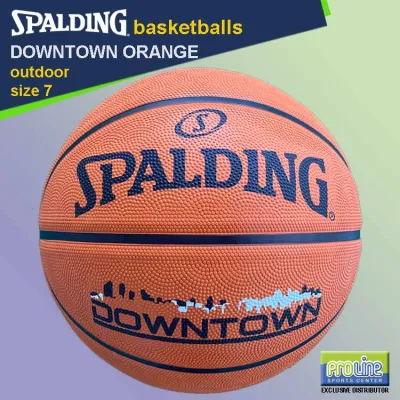
The Spalding Downtown basketball is engineered primarily as a rugged outdoor basketball, featuring a durable rubber cover, deep molded channels, and a high-pebble surface texture. Before purchasing, you should verify the key specifications on the product label: the cover material (performance rubber), the size (typically Size 7 for adult play), and the recommended inflation pressure (usually 7 to 9 PSI).
These specifications directly dictate how the ball handles on the court. The heavy-duty rubber construction makes the ball highly resistant to the abrasive concrete and asphalt surfaces typical of outdoor courts, while the deep channels and dense pebbling provide reliable grip even in dusty or highly humid conditions. If you primarily play on rough outdoor courts and need a durable, budget-friendly basketball that maintains its grip, these specifications make the Spalding Downtown a highly practical choice.
Cover Material and Court Compatibility
When evaluating any basketball, the cover material is the single most important factor determining where you can play and how long the ball will last. Before making a purchase, always check the official manufacturer specifications or the product packaging to confirm the exact cover material of your specific Spalding Downtown model. While the Downtown line is widely recognized for its performance rubber cover, verifying this spec ensures you do not mistake it for a composite or synthetic leather model designed for different court conditions.
Products mentioned in this guide
Prices are valid at publication and may change. Please refer to the product page for the latest price.

Rubber is the gold standard for durability on rough, unpolished concrete and asphalt courts, which are incredibly common in neighborhood barangays across the Philippines. Unlike indoor hardwood courts, outdoor surfaces act like sandpaper, quickly shaving down the softer synthetic fibers of composite leather. A high-quality rubber cover resists this intense abrasion, allowing the ball to retain its structural integrity and surface texture over months of heavy outdoor use.
To ensure your ball is in peak playing condition, you should physically inspect the surface before your first game. Run your hands over the panels and examine the seams where the rubber sections meet. The seams should be flush and tightly sealed, with no visible gaps or peeling edges. A well-molded rubber ball will feel firm and uniform, indicating that the cover is securely bonded to the internal carcass.
Matching the verified cover material to your actual playing environment is crucial to prevent premature wear. Playing with an indoor composite leather ball on concrete will ruin its cover within a few sessions, leading to peeling panels and a slick, unusable surface. Conversely, using a rubber ball like the Spalding Downtown outdoors ensures you get maximum lifespan from your equipment, even when subjected to intense tropical heat and rough ground contact.
Grip Texture, Channels, and Ball Control
Ball control relies heavily on the physical design of the basketball’s surface, specifically its channels and pebble texture. The Spalding Downtown features wide, deep molded channels that run across the ball’s circumference. These deep grooves provide natural leverage points for your fingertips, helping you align your hands quickly during a catch, set up your shooting pocket, and maintain control during high-speed dribbling.
In addition to the channels, the surface of the ball is covered in thousands of tiny raised bumps, known as pebbles. The density and height of these pebbles determine the ball’s overall friction and moisture management. In hot and humid tropical climates, players’ hands sweat rapidly, which can make a smooth ball incredibly slippery. A dense pebble pattern helps channel sweat away from the contact points, preserving your grip during crossovers, passes, and shot releases.
Before heading to the court, you can perform a quick physical test to evaluate the grip. Hold the ball with one hand and try to grip it firmly; a quality rubber cover should offer a slightly tacky, rubberized feel rather than a slick, plasticky sensation. If your hands are large enough, try palming the ball to gauge how much friction the surface provides against your skin.
Outdoor courts present a unique challenge: dust. Fine dirt and dust particles easily settle into the channels and coat the pebbles, creating a barrier that reduces grip and makes the ball slick. To maintain optimal performance, you must establish a simple maintenance routine. Wiping the ball down with a damp microfiber cloth after each game removes accumulated dust and sweat. Always let the ball dry naturally in a shaded, well-ventilated area, as leaving a rubber ball under direct, harsh tropical sunlight can dry out the material, causing it to harden and crack over time.
Size, Weight, and Internal Construction
To ensure a comfortable and consistent playing experience, you must match the basketball’s size to the player’s age and gender. Standard basketballs are categorized into specific size classes. Size 7 (29.5-inch circumference) is the official size for adult men and players aged 15 and older. Size 6 (28.5-inch circumference) is designed for women and youth players aged 12 to 14, while Size 5 (27.5-inch circumference) is suited for younger kids. Always check the specific retail listing or the stamp on the ball to confirm you are purchasing the correct size for your needs.
Beneath the rubber cover lies the internal construction, which determines how well the ball holds air and maintains its shape. A quality basketball typically utilizes a butyl rubber bladder, which offers excellent air retention compared to natural latex bladders. This bladder is wrapped in nylon or polyester windings, which provide structural reinforcement. These windings ensure that the ball remains perfectly spherical, preventing lopsided warps even after repeated hard impacts against metal rims and backboards.
To verify that the internal construction is performing correctly, locate the inflation valve and identify the recommended pressure, which is typically embossed directly onto the rubber near the valve (usually between 7 and 9 PSI). Using a hand pump equipped with a pressure gauge, inflate the ball to the specified range. Avoid over-inflation, as excess pressure stretches the internal windings, warps the shape, and makes the ball bounce erratically.
Once inflated, you can perform a standard drop test to verify the bounce consistency. Stand on a flat, solid surface like concrete or hardwood, hold the basketball at eye level (approximately 1.8 meters), and drop it without adding downward force. The ball should bounce straight back up to approximately chest height (around 1.2 to 1.4 meters). If the bounce is too low, check for under-inflation; if it bounces too high or feels incredibly stiff, release a small amount of air to protect the internal carcass from stretching.
Matching the Specs to Your Playing Style and Environment
Choosing the right basketball comes down to aligning the physical specifications of the ball with your specific playing habits. To simplify your decision, use this practical checklist to evaluate your needs:
- Primary Court Surface: If you play more than 70% of your games on outdoor concrete, asphalt, or dirt courts, prioritize a durable rubber cover like the one found on the Spalding Downtown.
- Playing Frequency: For daily recreational games or casual shootout sessions, a rubber ball offers the best cost-to-durability ratio, typically fitting into highly affordable price bands under ₱1,500.
- Player Position and Style: If you are a guard who relies on complex ball handling and precise finger-tip control, you will appreciate the deep channels of this model. However, if you are looking for a premium, soft-touch feel for competitive indoor league play, you may want to consider stepping up to a composite leather model.
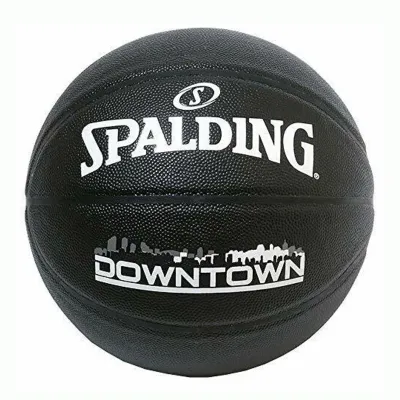
When making your final choice, it is helpful to know which features to ignore. Do not get distracted by flashy cosmetic colorways, limited-edition street art prints, or marketing buzzwords like “maximum flight control” or “extreme grip technology.” These aesthetic designs and promotional labels do not alter the physical performance, weight, or durability of the ball. A standard orange rubber ball and a multi-colored graphic ball of the same model will perform identically on the court.
Ultimately, if your primary goal is to find a rugged, dependable basketball that can withstand the harsh conditions of outdoor play without breaking the bank, the rubber construction and deep-channel specs of the Spalding Downtown make it an excellent fit. By verifying the size, maintaining proper inflation, and keeping the surface clean, you can ensure consistent performance and get the most out of every game.
Community discussion
Share your experience or ask a question. Comments are reviewed before publication.