
Quick Answer: Which Jump Rope Should You Choose?
Selecting the right jump rope depends on your current fitness level, coordination, and specific training targets. If your primary goal is high-intensity cardiovascular conditioning, rapid footwork, or mastering double-unders, a lightweight speed rope is the most effective choice.
For those looking to build upper body strength endurance, engage the shoulders and forearms, or establish a steady, controlled jumping rhythm, a weighted rope is highly recommended. Meanwhile, if you are a beginner focused on learning basic timing, practicing freestyle tricks, or jumping outdoors on rough concrete, a beaded rope offers the ideal balance of durability and tactile feedback.
Before purchasing any equipment, it is essential to verify your joint health, current physical conditioning, and the clearance of your workout space to ensure a safe and effective training routine.
Products mentioned in this guide
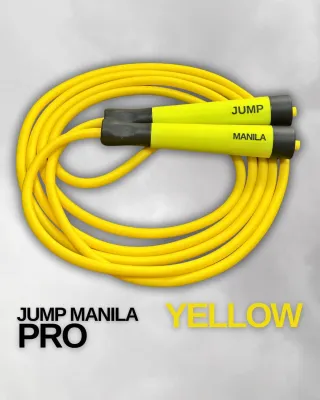
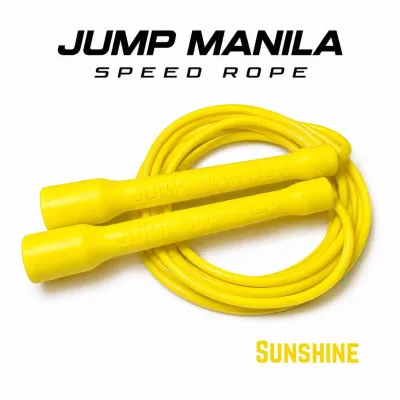
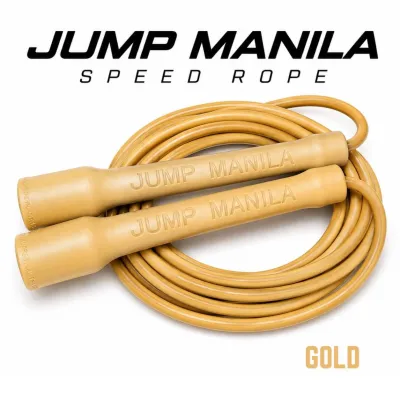
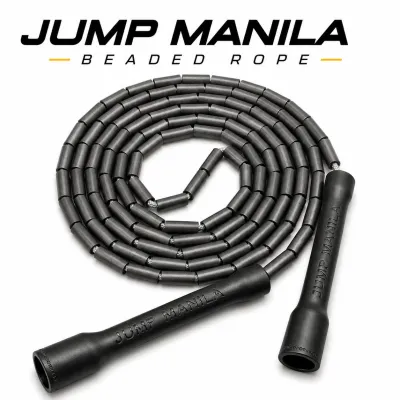

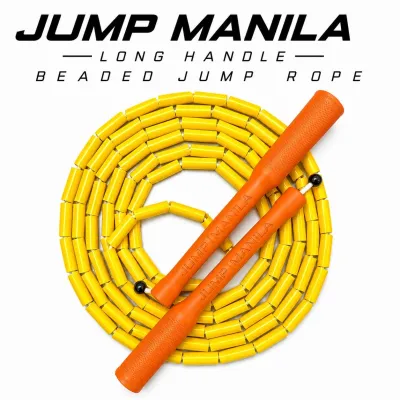
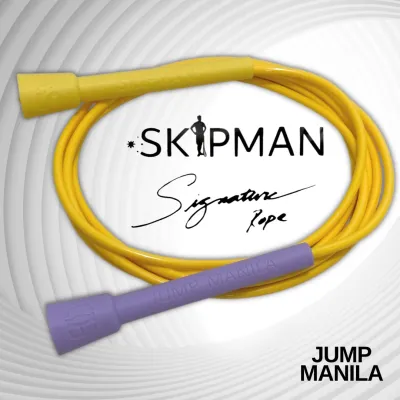
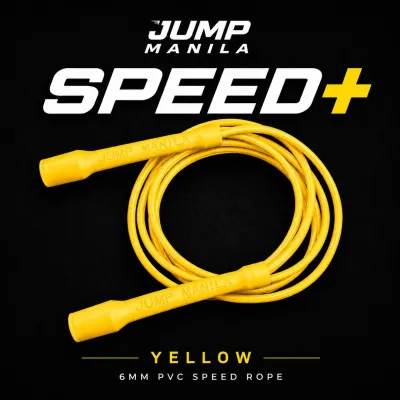
Prices are valid at publication and may change. Please refer to the product page for the latest price.
Understanding the Three Main Jump Rope Designs
Jump ropes may look similar at a glance, but their structural differences fundamentally alter how they move through the air. The overall weight distribution, the materials used in the cord, and the internal mechanics of the handles dictate the rotation speed, resistance, and feedback you experience with every turn. Understanding these design elements helps you select a tool that complements your physical capabilities and workout environment.

Speed Ropes
Speed ropes are engineered for maximum velocity and minimal resistance. The cord is typically made of a very thin PVC or a coated steel cable, which cuts through the air with negligible drag. The handles are exceptionally lightweight and often feature ball-bearing systems that allow the rope to spin smoothly and rapidly without tangling.
These ropes are the standard choice for high-intensity interval training (HIIT), boxing conditioning, and competitive fitness programs where speed is paramount. However, because the cord is so light, it provides very little tactile feedback, meaning you cannot easily feel where the rope is in its rotation cycle.
This lack of physical feedback requires a high level of pre-existing coordination and timing. Consequently, speed ropes are more challenging for absolute beginners who are still developing their basic jumping rhythm.
Weighted Ropes
Weighted ropes introduce resistance to your jump rope routine, shifting the focus from pure speed to muscular endurance. The added weight can be distributed in two ways: either inside the handles using removable metal weights, or directly throughout the heavy PVC or braided fabric rope body itself.
When selecting a weighted rope, it is crucial to check the product specifications on the label, as weights can range from a light 1/4 pound to a heavy 2 pounds or more. These ropes are excellent for engaging the upper body, particularly the shoulders, upper back, forearms, and core.
Because the heavier cord rotates at a slower, more deliberate pace, it provides strong tactile feedback. This physical sensation allows you to feel the exact position of the rope as it turns, which can actually help beginners learn the correct timing and rhythm of jumping more easily than a featherlight speed rope.
Beaded Ropes
Beaded ropes consist of an inner nylon cord threaded with individual, segmented plastic beads. This classic design creates a distinct clicking sound when the rope hits the ground, which serves as an excellent auditory cue for timing your jumps.
The beads add a moderate amount of weight and create natural aerodynamic drag, which keeps the rope moving at a steady, predictable speed. The segmented plastic construction makes beaded ropes incredibly durable, especially when used on abrasive outdoor surfaces like concrete driveways, asphalt, or outdoor courts.
They are highly favored for freestyle jumping and complex tricks because the stiff, beaded structure resists tangling and holds its shape in mid-air. However, the inherent drag and bulk of the beads make them unsuitable for high-speed workouts or rapid double-under training.
Comparing Ropes Across Key Fitness Dimensions
To determine which design fits your routine, it is helpful to compare how these ropes perform across specific training metrics.
Speed and Agility Potential: Speed ropes easily lead in this category due to their thin, aerodynamic cables and high-quality ball bearings. The bearings reduce friction inside the handle, allowing the rope to rotate multiple times during a single jump. In contrast, beaded and weighted ropes are limited by their physical mass and aerodynamic drag, making them unsuitable for rapid-fire agility drills.
Muscle Engagement: If your goal is to burn calories while focusing on lower-body endurance and calf conditioning, the speed rope is highly efficient. However, if you want to tone your upper body, a weighted rope is far superior. The resistance of a heavy rope forces your shoulders, traps, and forearms to work constantly to keep the rope in motion, turning a simple cardio session into a demanding upper-body workout.
Durability and Surface Compatibility: The environment where you jump plays a massive role in how long your rope will last. Thin, coated steel speed ropes can wear down rapidly and fray if used on rough outdoor concrete. Beaded ropes are the most resilient option for outdoor training, as the tough plastic beads protect the inner nylon cord from direct contact with abrasive ground. Weighted ropes made of thick PVC hold up reasonably well on smooth outdoor surfaces, but heavy braided fabric ropes should be kept indoors to prevent dirt accumulation and premature wear.
Tactile Feedback and Learning Curve: Beginners often struggle with timing because they cannot feel where the rope is. Beaded ropes and weighted ropes excel here because their weight creates a clear physical pull as they rotate, allowing you to track the rope’s position without looking. Speed ropes offer almost no feedback, which often leads to frustration, frequent tripping, and interrupted workouts for those who have not yet mastered the basic jump.
How to Choose the Right Rope for Your Workout
Selecting the perfect rope requires matching its unique characteristics to your personal fitness goals and local training conditions.
Choose a Speed Rope if: Your primary training focus is on high-intensity interval training (HIIT), CrossFit-style workouts, or maximizing cardiovascular conditioning. It is the ideal tool if you are already comfortable with basic jumping and want to master advanced techniques like double-unders or rapid footwork drills.
Choose a Weighted Rope if: You want to combine cardio with upper body strength endurance, muscle toning, and forearm development. It is also a great option if you prefer a slower, high-intensity workout that challenges your muscles without requiring lightning-fast footwork.
Choose a Beaded Rope if: You are an absolute beginner looking to build a consistent rhythm, a freestyle enthusiast practicing complex tricks and releases, or an outdoor fitness enthusiast who frequently jumps on concrete driveways or public parks.
Verify First: Before making your choice, verify if you have any pre-existing joint concerns, particularly in your knees, ankles, or lower back. Heavier ropes and high-speed jumping can increase the impact on your joints if your form is incorrect. Additionally, check your workout environment; ensure you have adequate ceiling height and a non-slip surface.
If you live in a highly humid tropical climate like the Philippines, look for handles with textured, sweat-resistant grips to prevent slipping during intense, sweaty sessions.
Local Sourcing and Availability: When sourcing your jump rope, replacement cables, or specialized weights in Manila or other regions of the Philippines, factor in local availability and shipping times. High-quality speed rope cables can wear out, so choosing a brand that offers easily accessible replacement parts on local online marketplaces or specialized sports stores ensures your workouts are not interrupted.
Sizing, Setup, and Safety Checks
Before you begin jumping, proper setup and safety inspections are critical to prevent injury and ensure your equipment functions correctly.
To measure your rope, stand on the center of the cord with one foot and pull the handles straight up along the sides of your body. For beginners, the tips of the handles should reach your armpits. As your form improves and your jumps become more efficient, you can shorten the rope so the handles reach your chest level.
Perform a quick pre-workout equipment check before every session. Verify that the handle grips are secure and not slippery. Spin the handles to ensure the bearings rotate smoothly without catching, and inspect the entire length of the cable or cord for any signs of cracking, fraying, or exposed steel wire.
Ensure your workout space is clear of any tripping hazards, furniture, or low-hanging light fixtures. Jumping on a forgiving surface, such as a rubber gym mat, a wooden floor, or a specialized jump rope mat, is highly recommended to absorb impact. Avoid jumping on bare concrete whenever possible, and always wear supportive athletic footwear with adequate forefoot cushioning.
Listen to your body during your workout. If you experience sharp joint pain, shin splints, or severe lower back discomfort, stop jumping immediately. These symptoms often indicate improper form, unsuitable footwear, or that the rope weight is too heavy for your current conditioning level. Consult a fitness professional or healthcare provider to address these issues before resuming your routine.
Frequently Asked Questions (FAQ)
Can I use a speed rope for beginner workouts?
While you can technically use a speed rope as a beginner, it is generally not recommended. The extremely light weight of a speed rope provides almost no tactile feedback, making it very difficult to sense where the cable is during rotation. This lack of physical awareness often leads to poor timing, frequent tripping, and frustration, which can disrupt your learning process. Beginners will find it much easier to build a consistent rhythm, correct posture, and proper timing by starting with a beaded rope or a light weighted rope before transitioning to a high-speed cable.
How do I know if a weighted rope is too heavy for me?
A weighted rope is too heavy if you cannot maintain proper jumping form or if you experience premature fatigue and strain. Signs of an excessively heavy rope include your shoulders hunching forward, your wrists straining to turn the rope, or your jumping rhythm breaking down within the first minute of exercise. To prevent shoulder or wrist strain, always check the manufacturer’s weight specifications on the product label. It is best to start with a lighter weight, such as 1/4 or 1/2 pound, and prioritize controlled, relaxed form before progressing to heavier resistance options.
Community discussion
Share your experience or ask a question. Comments are reviewed before publication.