
Selecting the right jump rope for workout routines depends entirely on what you want to achieve during your training sessions. Whether you are aiming to burn calories through high-intensity interval training (HIIT), build upper-body endurance, or master the basic rhythm of jumping, the design of your rope dictates your success. Using the wrong tool can lead to frustration, tripped feet, or unnecessary joint strain.
To get the most out of your workouts, you must align the physical characteristics of the rope—its weight, material, and rotation mechanism—with your personal fitness objectives. This guide breaks down the three primary categories of jump ropes to help you make an informed decision for your home gym or outdoor training space.
Quick Guide: Matching Jump Rope Types to Fitness Goals
Before diving into the technical specifications of each rope, it helps to have a clear roadmap of how different designs serve specific training outcomes. Choosing a rope is not just about speed; it is about how the rope communicates with your body through resistance and feedback.
Products mentioned in this guide
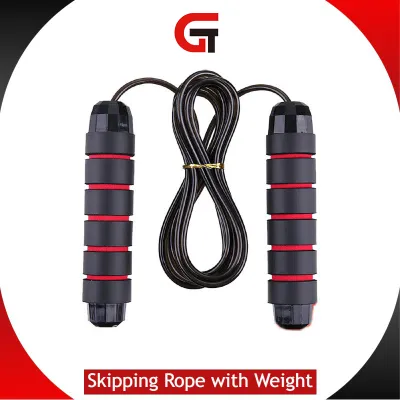

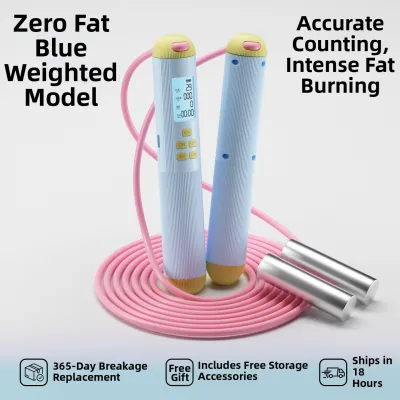
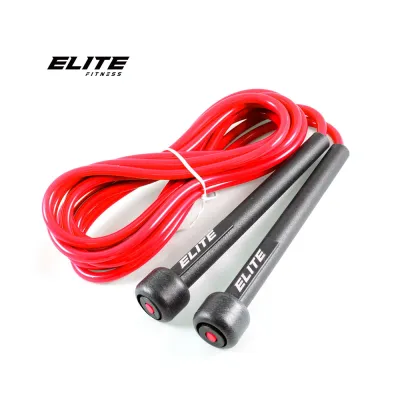
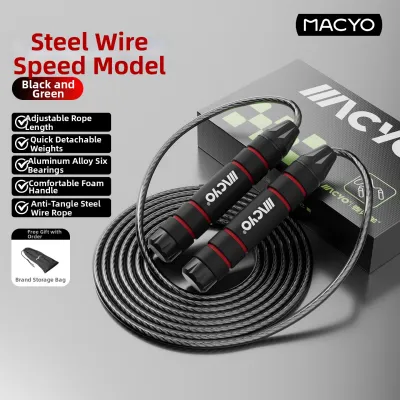
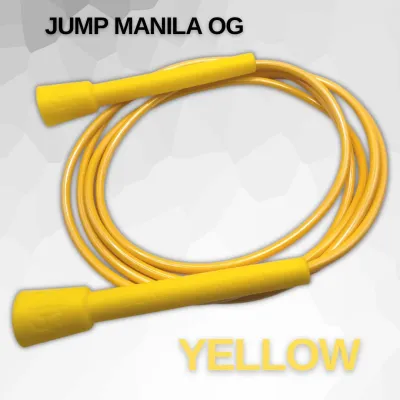
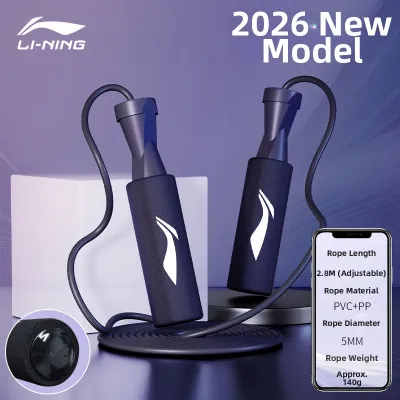
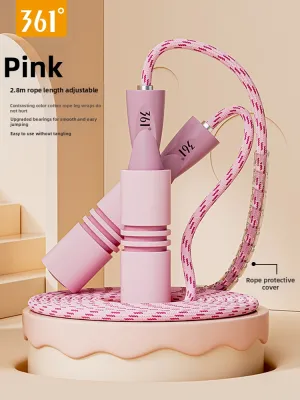
Prices are valid at publication and may change. Please refer to the product page for the latest price.
Below is a quick reference matrix to help you identify which rope type matches your current fitness priorities:
| Jump Rope Type | Primary Workout Goal | Key Benefit | Best Skill Level |
|---|---|---|---|
| Speed Rope | High-intensity cardio, agility, double unders | Rapid rotation with minimal wrist effort | Intermediate to Advanced |
| Weighted Rope | Strength conditioning, upper-body endurance | Increased muscle engagement in arms and core | All levels (with caution) |
| Beaded Rope | Rhythm, coordination, footwork drills | High tactile feedback and outdoor durability | Beginner to Intermediate |
Your current skill level and joint comfort should heavily influence your initial selection. Beginners often struggle with ultra-lightweight ropes because they cannot feel where the cable is in space, leading to frequent trips and interrupted workouts. Conversely, those recovering from shoulder or wrist discomfort may want to avoid heavy weighted ropes until they have built up baseline joint stability.
Speed Ropes: Best for Cardio, Agility, and Advanced Skills
If your primary fitness goal is to elevate your heart rate quickly, burn calories, or master advanced footwork like double unders, a speed rope is an excellent choice. These ropes are engineered specifically to cut through the air with minimal resistance, allowing for rapid-fire rotations that test your cardiovascular endurance and agility.

These ropes are staples in boxing gyms and functional fitness spaces, where athletes rely on fast-paced conditioning to build stamina. The lightweight design ensures that your cardiovascular system fatigues long before your shoulders do, making them highly effective for high-intensity interval training (HIIT).
When shopping for a speed rope for workout sessions, verify these key features on the product packaging or manufacturer specifications:
- Thin Steel Cable or Lightweight PVC Cord: Look for a vinyl-coated steel wire or a thin, high-density PVC cord. These materials maintain their shape during high-speed rotations without stretching.
- Ball-Bearing Swivel Handles: High-quality speed ropes feature handles equipped with ball bearings. This mechanism allows the rope to spin smoothly in a 360-degree arc, preventing tangles and reducing wrist strain.
- Minimal Handle Weight: The handles should feel almost weightless in your hands, shifting the focus of the exercise entirely to speed and timing.
Despite their benefits for conditioning, speed ropes have distinct limitations. Because they are so light and fast, they offer very little physical feedback. If your timing is slightly off, you will likely trip. For this reason, speed ropes are not recommended for individuals who are still learning basic bounce mechanics or struggling with coordination.
Weighted Ropes: Best for Strength and Muscle Engagement
For those looking to turn a traditional cardio workout into a full-body strength session, weighted ropes offer a challenging alternative. Unlike speed ropes, which glide effortlessly, weighted ropes require significant muscular force from your shoulders, upper back, chest, and core just to keep the cable moving.
These ropes are highly effective for upper-body conditioning and core stabilization. Every rotation forces your stabilizer muscles to engage, making a short session feel like an intense resistance workout. They are perfect for adding variety to strength-focused circuit training.
To ensure you select a safe and effective weighted rope, check the following product details:
- Weight Specifications: Verify whether the weight is located in the handles or distributed throughout the rope itself. Ropes with weight in the cable provide a more consistent resistance profile and a better overall workout than those with weighted handles alone. Look for exact manufacturer specifications, typically ranging from 0.5 pounds to 2 pounds (approximately 220 to 900 grams).
- Ergonomic, Non-Slip Grips: Because weighted ropes require a firmer grip, look for handles wrapped in sweat-resistant, textured material. In hot and humid tropical climates, a secure grip is essential to prevent the rope from slipping out of sweaty hands.
While weighted ropes are excellent for building strength, they demand strict attention to form. You must maintain a wrist-driven rotation, keeping your elbows tucked close to your ribs. Swinging the rope using your entire arms can lead to rapid fatigue and poor posture. Stop your workout immediately if you experience sharp strain in your shoulders, elbows, or wrists, as the added resistance can exacerbate pre-existing joint issues.
Beaded Ropes: Best for Beginners, Rhythm, and Coordination
If you are picking up a jump rope for the first time, or if you want to master complex freestyle footwork, a beaded rope is your best starting point. Often associated with school playgrounds, beaded ropes have experienced a massive resurgence among fitness enthusiasts due to their unique physical properties.
The primary advantage of a beaded rope is the tactile and auditory feedback it provides. As the plastic beads strike the ground, they make a distinct clicking sound. This sound, combined with the slight resistance of the heavy beads, helps beginners develop a natural sense of rhythm and timing, making it much easier to coordinate jumps.
Additionally, beaded ropes are incredibly durable, making them the preferred choice for outdoor workouts on rough surfaces like concrete driveways, local basketball courts, or park pathways. The plastic beads protect the inner nylon cord from wearing down.
When evaluating a beaded rope, verify these features:
- Segmented Plastic Beads: Ensure the beads are made of shatterproof, high-density plastic that can withstand repeated impacts on hard ground.
- Adjustable Internal Cord: Look for a design that allows you to easily slide the beads back, untie the knot inside the handle, and shorten the inner nylon string to match your height.
The main trade-off of a beaded rope is its weight and drag. The individual beads create significant air resistance, which naturally slows down the rotation speed. While this is perfect for learning, it makes beaded ropes unsuitable for high-speed training or advanced skills like consecutive double unders.
How to Size and Adjust Your Jump Rope for Proper Form
No matter which type of jump rope for workout routines you choose, using a rope that is too long or too short will ruin your form, cause you to trip, and increase the impact on your joints. Taking the time to properly size your equipment is a crucial step before your first jump.
To find your ideal rope length, use the standard sizing method:
- Stand directly on the center of the rope with one foot.
- Pull the handles straight up along the sides of your body.
- For beginners, the tips of the handles should reach your armpits. As your form improves and your hands stay closer to your hips, the handles should align with your chest or lower ribs.
Always refer to the manufacturer’s sizing chart, as handle lengths can vary. Once you have determined the correct length, check the product manual for the proper adjustment mechanism. Many modern speed ropes use an internal screw-locking system that allows you to slide the cable to the desired length and tighten it with a small screw. Other ropes, particularly PVC or beaded models, require you to open the handle, adjust the knot, and cut off the excess material. Always double-check your measurements before making any permanent cuts.
Remember to re-evaluate your rope length periodically. As your jumping efficiency, posture, and overall skill level improve over time, you will naturally keep your hands closer to your body. This allows you to shorten the rope further, resulting in faster, more efficient rotations and less wasted energy.
Frequently Asked Questions (FAQ)
Can I use one jump rope for all my workouts?
Yes, you can use a single versatile rope if your goal is general fitness and light cardio. A medium-weight, adjustable PVC rope (around 4mm to 5mm in thickness) offers a balanced middle ground, providing enough feedback for beginners while allowing for moderate speed. However, as your training becomes more specialized, you will find that a single rope has its limits. A specialized speed rope is necessary for rapid double unders, while a heavy weighted rope is required to challenge your upper-body strength. Building a multi-rope setup allows you to tailor your equipment to different training days.
How do I maintain my jump rope for outdoor use?
Outdoor surfaces like concrete, asphalt, and outdoor tiles are highly abrasive and can quickly ruin a jump rope. To extend the lifespan of your equipment, perform a routine visual inspection before each workout. Check for cracked or shattered beads, fraying steel cables, stiffness in the handle bearings, or degradation of the inner nylon string.
To prevent premature wear, match your rope material to your environment. Choose beaded ropes or thick PVC ropes for rough outdoor surfaces, as they are designed to withstand friction. Avoid using bare, uncoated steel speed cables on concrete, as the protective coating will wear off instantly, leading to dangerous fraying. If possible, jump on a rubber fitness mat or a smooth wooden surface to protect both your rope and your joints.
Community discussion
Share your experience or ask a question. Comments are reviewed before publication.