
Quick Answer: Is a Branded Swim Towel Worth the Upgrade?
Deciding between a specialized Speedo towel and a classic cotton towel comes down to how you balance convenience against sensory comfort. If you swim frequently, commute with a packed bag, or struggle to dry gear in humid tropical air, a synthetic swim towel offers unmatched portability and rapid drying. Conversely, if you prioritize a plush, wrapping warmth after your laps and primarily swim at home or have ample drying space, a traditional cotton towel remains a highly comfortable and economical choice.
Your decision should align with your daily routine, travel habits, and local climate. In high-humidity environments, a heavy cotton towel can remain damp for hours, leading to musty odors in your gear bag. A specialized synthetic towel, designed specifically for aquatic environments, addresses this exact logistical headache but requires a higher initial investment and a different tactile adjustment.
Evaluating Absorbency and Post-Swim Drying Speed
To understand how these towels perform, it is helpful to look at how different textiles interact with water. Traditional cotton towels rely on woven loops that create a high surface area, allowing the natural fibers to absorb and hold a large volume of water. This makes cotton incredibly effective for a single, thorough dry-off, but it also means the fabric retains that moisture deep within its core, slowing down the evaporation process significantly.
Products mentioned in this guide
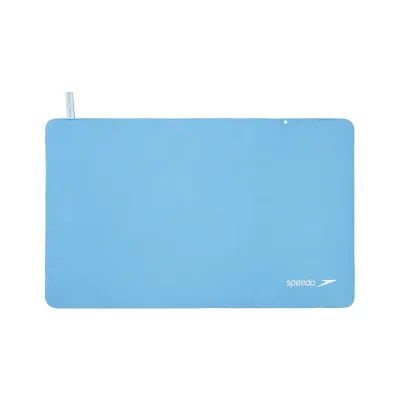
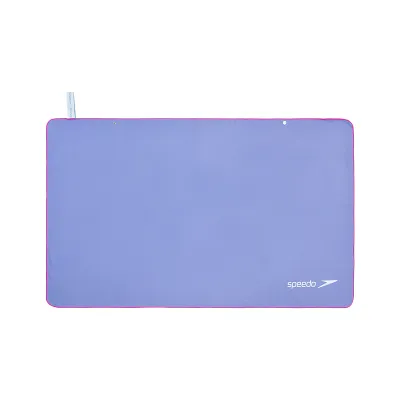
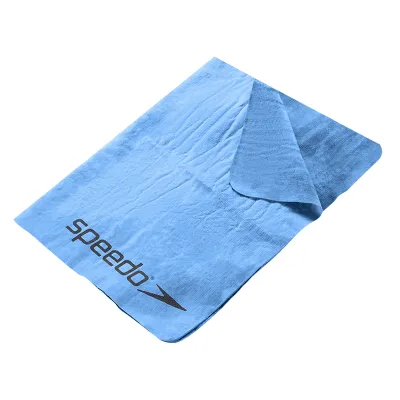
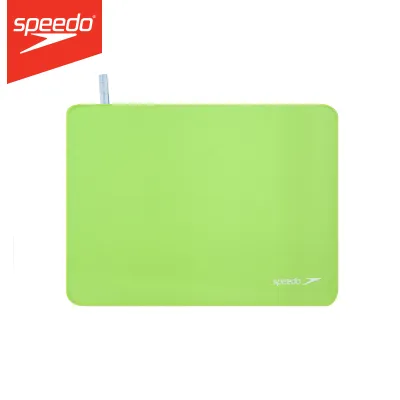
Prices are valid at publication and may change. Please refer to the product page for the latest price.

Synthetic swim towels, often made from microfiber blends or polyvinyl alcohol (PVA), operate on a different physical principle. Instead of holding water deep inside the fiber, these materials pull moisture rapidly from your skin and hold it superficially within the synthetic channels. This allows you to literally wring the water out of the towel, restoring a large portion of its absorbing capacity immediately so you can reuse it during the same training session.
When shopping, you should carefully check the product packaging or manufacturer specifications for terms like “quick-dry” or “absorbency rating.” Because synthetic formulations vary widely, some towels are designed to be used bone-dry, while others (like PVA chamois towels) actually need to remain slightly damp in their storage cases to stay soft. Always verify the specific material technology on the label to ensure it matches how you intend to use it at the pool.
Assessing Packability, Weight, and Gym Bag Logistics
For active swimmers, the journey to and from the pool is often where the real challenge lies. A standard cotton bath towel is bulky and heavy even when dry, and once saturated, it can easily double in weight. Carrying a sodden, heavy cotton towel in your backpack during a daily commute or on public transit adds unnecessary physical strain and takes up valuable space that could be used for training aids, change of clothes, or work essentials.
A synthetic swim towel solves this logistical issue by offering extreme packability. Many microfiber options can be rolled down to the size of a small water bottle, while PVA chamois towels fold flat into compact, waterproof plastic cases. This ultra-compact profile frees up significant space in your swim bag, allowing you to travel light whether you are heading to an early morning workout or packing for a weekend trip.
Furthermore, isolating wet gear is crucial for maintaining the hygiene of your other belongings. Squeezing a wet cotton towel into a standard gym bag risks transferring moisture to your dry clothes, electronics, or shoes. Synthetic swim towels either dry fast enough to be packed away quickly or come with dedicated, ventilated cases that keep the dampness contained, protecting the rest of your gear from water damage.
Comparing Durability, Odor Resistance, and Upkeep
In tropical climates where humidity levels are consistently high, textile upkeep becomes a major factor in gear longevity. Cotton is a natural organic fiber, which makes it highly susceptible to mold, mildew, and bacterial growth when left damp in dark, enclosed spaces like gym lockers or bags. Once a cotton towel develops a musty odor, removing that smell often requires intensive washing cycles or specialized vinegar rinses that can degrade the fabric over time.
Synthetic fibers, such as polyester and polyamide blends, are inherently less hospitable to mold and mildew because they do not provide the organic nutrients that bacteria thrive on. Many high-quality swim towels also feature specialized antimicrobial treatments integrated into the weave. However, synthetics are highly sensitive to heat and chemical exposure; washing them at high temperatures or using standard fabric softeners can clog the micro-channels, permanently ruining their quick-dry capabilities.
To maximize the lifespan of your towel, always inspect the care label before your first wash. Look for specific instructions regarding washing temperatures, detergent types, and drying methods. While cotton can generally withstand high-heat tumble drying, synthetic swim towels usually require air drying in a shaded area to prevent the fibers from melting or losing their structural integrity.
Side-by-Side Feature Comparison Matrix
To help you visualize the practical differences between these two options, the table below outlines the key characteristics of synthetic swim towels versus traditional cotton towels.
| Feature | Synthetic Swim Towel | Traditional Cotton Towel | What to Verify on the Label |
|---|---|---|---|
| Material Composition | Microfiber (Polyester/Polyamide) or PVA | 100% Natural Cotton | Check for specific synthetic blends or organic cotton certifications. |
| Dry Weight Profile | Extremely lightweight and thin | Medium to heavy weight | Look for the GSM (grams per square meter) rating; lower is lighter. |
| Packed Volume | Highly compact; fits in small pockets | Bulky; requires significant bag space | Check dimensions and whether a travel pouch is included. |
| Drying Mechanism | Rapid evaporation; can be wrung out and reused | Slow evaporation; retains moisture until laundered | Look for "quick-dry" claims or specific drying instructions. |
| Ideal Use Cases | Frequent training, travel, daily commutes | Home use, casual beach days, post-shower comfort | Match the towel's design to your primary swimming venue. |
Analyzing Upfront Cost and Long-Term Value in ₱
When evaluating the financial aspect, it is important to look beyond the initial price tag and consider the cost-per-use over the towel’s lifespan. In the local market, a standard cotton bath towel can range anywhere from ₱150 for basic utility options to ₱600 for thicker, premium hotel-quality versions. Because cotton is widely available and simple to manufacture, it represents a highly accessible entry point for casual swimmers.
In contrast, a branded synthetic swim towel, such as a Speedo towel, typically commands a higher price, generally ranging from ₱500 to ₱1,500 or more depending on the size and specific material technology. While this upfront cost is noticeably higher, the investment can yield excellent long-term value for dedicated swimmers. The high tensile strength of synthetic fibers means they resist tearing and fraying far better than cotton when subjected to frequent pool use.
However, the actual value you get depends heavily on how well you protect the material from environmental degradation. Chlorine is highly corrosive and will gradually break down both natural and synthetic fibers if left unrinsed. If you swim multiple times a week, a durable synthetic towel that resists chlorine degradation can easily outlast several cheap cotton towels, making the higher initial price in ₱ highly cost-effective over several seasons of training.
Decision Framework: Which Towel Fits Your Swimming Routine?
To finalize your choice, evaluate your personal swimming habits against these clear, condition-based guidelines.
Choose a quick-dry swim towel if:
- You commute or travel frequently: If you need to pack your gear into a backpack, gym locker, or carry-on luggage, the space-saving design of a synthetic towel is invaluable.
- You swim daily or multiple times a day: If you have back-to-back training sessions, you need a towel that can be wrung out and reused immediately without feeling soggy.
- You live in a highly humid environment: In tropical climates like the Philippines where laundry takes a long time to air-dry, synthetic fabrics prevent the buildup of damp, musty odors.
Choose a regular cotton towel if:
- You prioritize tactile comfort: If you love the feeling of wrapping yourself in a warm, plush, and soft fabric after stepping out of the water, cotton is unmatched.
- You swim primarily at home or have easy drying setups: If you can hang your towel on an outdoor clothesline in direct sunlight immediately after use, drying speed is less of a concern.
- You are on a strict budget: If you only swim occasionally, a standard cotton towel you already own avoids any extra upfront expense.
Verify first if:
- You have sensitive skin: Some synthetic microfibers can feel "grabby" or cause mild irritation on highly sensitive skin; verify the texture or opt for a smooth PVA chamois.
- Your local pool has specific hygiene rules: Some facilities require towels to be placed on benches or lounge chairs; ensure your chosen towel size is appropriate for these local guidelines.
- Water safety is your top priority: Remember that no matter what gear you choose, towels are secondary to safety. Always assess your swimming ability, check pool depth markers, and ensure proper supervision is present before entering the water.
Essential Care Steps to Protect Your Towel Investment
Regardless of which towel type you choose, proper maintenance is key to preserving its performance and hygiene. The most critical step is to rinse your towel in clean, fresh water immediately after leaving the pool or beach. This simple action flushes out chlorine, salt, and pool chemicals before they can bond with the fibers and cause premature material breakdown.
When laundering, always separate your swim gear from your regular household wash. Avoid using bleach, as it aggressively degrades both cotton and synthetic structures. For synthetic towels, skip the fabric softener entirely, as it leaves a thin, waxy coating over the fibers that severely reduces their ability to absorb water. Always air-dry your towels in a well-ventilated, shaded area; direct, intense tropical sunlight can sanitize cotton but may warp or melt delicate synthetic materials.
Frequently Asked Questions (FAQ)
Can I use a regular bath towel for swimming?
Yes, you can certainly use a regular bath towel, but it comes with practical drawbacks for active swimmers. Standard bath towels are designed for home use, meaning they are typically thicker, heavier, and much slower to dry than specialized swim gear. When packed into a gym bag after a swim, a wet bath towel becomes incredibly heavy, takes up almost all your bag space, and can easily transfer dampness and musty odors to your other belongings during your commute.
Do quick-dry swim towels keep you warm?
Quick-dry swim towels are designed primarily to remove water from your skin rapidly, rather than to trap body heat. Because they are very thin and lightweight, they do not provide the same insulating warmth or wind protection as a thick, plush cotton towel or a specialized thermal changing robe. If you frequently swim in cold outdoor pools or windy open-water environments, you may want to use a quick-dry towel to get dry quickly, then immediately layer up with warm clothing or a windproof jacket.
Community discussion
Share your experience or ask a question. Comments are reviewed before publication.