
Choosing between the Speedo Vanquisher and other competitive swimming goggles comes down to balancing cushioned comfort for long training sessions against the ultra-low-profile, hard-seal design required for elite racing. The Speedo Vanquisher is a versatile, cushioned goggle ideal for daily training, age-group competition, and open-water swims, while low-profile or Swedish-style competitors prioritize absolute hydrodynamics at the expense of long-term comfort. In tropical climates like the Philippines, where outdoor training pools are common and intense sun exposure is a daily reality, factors like UV protection, gasket durability under heat, and anti-fog performance become critical decision points.
While high-performance goggles improve visibility and protect your eyes from chlorine, salt water, and UV rays, they cannot replace proper swim training, water safety skills, or situational awareness. Whether you are navigating a crowded lane during a swim meet or spotting buoys in open water, selecting the right eyewear profile ensures you can focus entirely on your stroke and safety. Use the following framework to match the right goggle profile to your specific training and racing needs.
Understanding the Speedo Vanquisher Profile
The Speedo Vanquisher has long been a staple in competitive swim bags due to its highly adaptable design. At its core, this model features a cushioned silicone gasket that sits comfortably around the orbital bone. Unlike rigid, gasketless racing goggles, this soft silicone barrier distributes pressure evenly, reducing the bruising and deep red rings often associated with hours of continuous pool use. This balance of comfort and streamlined design makes it a reliable hybrid option for swimmers who transition frequently between intense training sets and local competitions.
Products mentioned in this guide
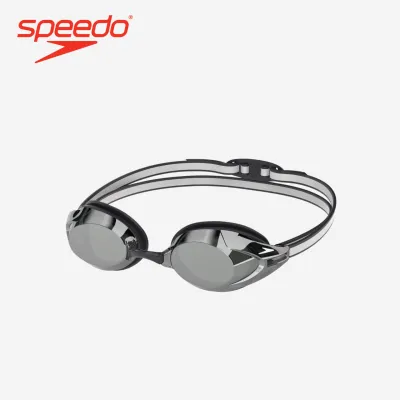
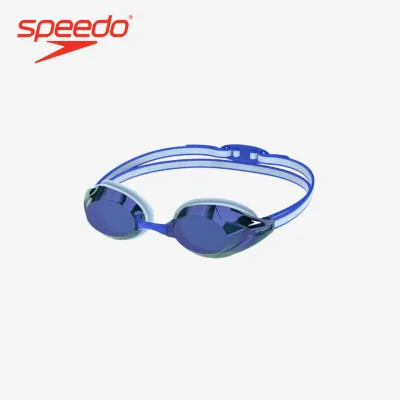
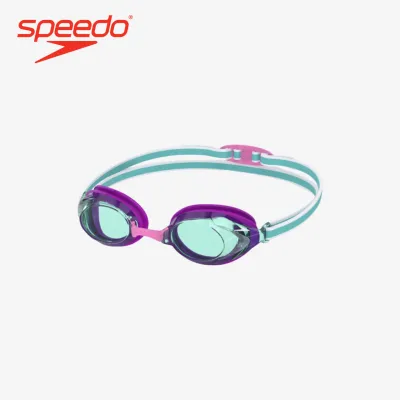
Prices are valid at publication and may change. Please refer to the product page for the latest price.
Customization is another defining feature of the Vanquisher profile. It typically includes multiple interchangeable nose bridges of varying widths, allowing swimmers to adjust the distance between the lenses to match their specific facial structure. A proper nose bridge adjustment prevents the inner edges of the lenses from digging into the bridge of the nose while ensuring the gaskets align perfectly with the eye sockets. This modular setup accommodates a wide range of facial shapes, from narrow youth profiles to wider adult structures.
Because of this versatility, the target swimmer profile for the Vanquisher is exceptionally broad. It is highly favored by daily fitness swimmers, age-group competitors, and triathletes who require gear that remains comfortable over long distances. In outdoor training environments, the secure fit and reliable seal provide peace of mind when diving off starting blocks or navigating choppy open water, making it a dependable workhorse for both pool and ocean swimming.
Key Comparison Dimensions for Racing Goggles
When comparing the Speedo Vanquisher to other competitive models, hydrodynamics and comfort represent the primary trade-off. Elite racing goggles, such as Swedish-style or ultra-low-profile models, feature a minimal, hard-seal or gasketless design that sits deep within the eye socket. This low profile minimizes water resistance and drag during high-speed sprints and dives. However, the lack of a cushioned silicone gasket means these models press directly against the bone, which can cause discomfort or pain during extended training sessions.

Lens design and visibility also vary significantly across competitive models. The Vanquisher offers a wide peripheral lens that provides excellent situational awareness, which is crucial for spotting competitors in adjacent lanes or navigating open-water courses. Other specialized racing goggles may feature highly curved lenses designed to maximize forward and downward visibility without requiring the swimmer to tilt their head, thereby maintaining an optimal hydrodynamic body position. When selecting lenses, swimmers must also evaluate tint options—such as mirrored coatings for bright outdoor pools or clear lenses for dimly lit indoor facilities—alongside verified UV protection ratings.
Durability and maintenance requirements are critical for protecting your investment, especially when budgeting in ₱ for high-quality swim gear. The silicone gaskets and double head straps of the Vanquisher are highly resilient but can degrade over time when exposed to chlorinated water, body oils, and intense tropical heat. In comparison, gasketless Swedish goggles have fewer components to degrade but require precise assembly and knotting of the nose string. Regardless of the design, all competitive goggles rely on delicate inner anti-fog coatings that require strict maintenance to prevent premature clouding and visibility issues.
Matching Goggle Types to Your Swimming Needs
You should choose the Speedo Vanquisher if your swimming routine consists of high-volume daily training, long-distance sets, or open-water swimming. The cushioned silicone gaskets significantly minimize eye socket pressure, allowing you to focus on your pacing and technique during grueling workouts. Its robust construction and secure double-strap system also make it an excellent choice for triathletes who need a reliable seal that can withstand the physical contact and rough conditions of open-water race starts.
Conversely, you should opt for low-profile, hard-seal competitors if you are preparing for elite sprint events where every fraction of a second counts. If your primary goal is minimizing drag off the blocks and during turns, and you can tolerate a firmer, less cushioned fit for short durations, these specialized racing models are highly effective. They sit closer to the face, reducing the risk of the goggles shifting or catching water during high-velocity entries.
Always verify your specific needs before purchasing. If you have a highly sensitive facial structure, require prescription optical lenses, or have experienced allergic reactions to certain silicone formulations, standard off-the-shelf racing models may require closer inspection. Many manufacturers offer specialized optical versions of their popular training goggles, which should be verified against your specific diopter requirements to ensure clear, safe vision under water.
Fit, Sizing, and Pre-Purchase Verification
To ensure your chosen goggles will perform reliably in the water, perform the “suction test” before adjusting the straps. Gently press the goggle lenses against your eye sockets without placing the strap over your head. A properly fitting goggle should create a temporary vacuum and hold itself in place for a few seconds. If the goggles fall off immediately or fail to seal, the frame shape or gasket contour does not match your unique orbital bone structure, and water is highly likely to leak in during your swim.
Next, pay close attention to the pressure distribution around your orbital bone. The gaskets should sit comfortably on the outer edges of your eye sockets without pinching the bridge of your nose or pressing directly against your eyeballs. If you feel sharp pressure points or if the lenses distort your vision when pressed lightly, the fit is incorrect. Continuous pressure on these sensitive areas can lead to severe headaches, bruising, or eye fatigue during long training sessions.
Finally, verify the nose bridge alignment and strap tension limits according to the product manual. The nose bridge should hold the lenses at a distance that prevents them from pulling inward or pushing outward against your temples. When adjusting the head strap, remember that the strap’s purpose is to keep the goggles secure, not to force a seal through extreme tension. Over-tightening the strap to compensate for a poor fit will only damage the silicone, cause premature wear, and increase discomfort. If you must pull the strap excessively tight to prevent leaks, you need a different goggle shape or a different nose bridge size.
Frequently Asked Questions (FAQ)
How do I maintain the anti-fog coating on competitive goggles?
To preserve the factory anti-fog coating on your competitive goggles, rinse them gently with fresh, cool water immediately after every swim to remove chlorine, salt, and organic residue. Never touch, rub, or wipe the inside of the lenses with your fingers, towels, or cloths, as this will scratch or completely rub off the delicate chemical coating. Allow the goggles to air dry completely in a shaded, well-ventilated area before storing them in a protective pouch or case. Avoid leaving your goggles in direct sunlight, hot gear bags, or inside parked vehicles, as extreme heat can warp the silicone gaskets and degrade the anti-fog properties. If the original coating naturally wears off over time, consult the manufacturer’s instructions to select an approved anti-fog spray or solution to safely restore clarity.
Are mirrored lenses necessary for competitive swimming?
Mirrored lenses are not strictly necessary, but they offer significant functional advantages depending on your swimming environment. The primary benefit of a mirrored coating is glare reduction, which is highly beneficial when training in bright outdoor pools under intense sunlight or in indoor facilities with harsh overhead lighting. By reflecting light away from your eyes, mirrored lenses help reduce squinting and eye strain, allowing you to maintain better focus on your lane lines and surroundings. However, if you primarily swim in dimly lit indoor pools, during early morning hours, or at night, clear or light-tinted lenses are highly preferable because they maximize light transmission and ensure optimal visibility. Always check your specific competition guidelines or facility regulations, as some events may have specific rules regarding lens reflectivity and visibility.
Community discussion
Share your experience or ask a question. Comments are reviewed before publication.