
Finding the perfect Spiderman scooter for your child in the Philippines is an exciting way to encourage outdoor play, physical exercise, and motor skill development. The iconic red, blue, and web-themed designs of Marvel’s web-slinger are incredibly popular among young riders, but choosing the right model requires looking past the graphics to evaluate safety, ergonomics, and structural design. Matching the mechanical configuration of the scooter to your child’s physical development, balance, and coordination is the most critical step in ensuring a fun and safe riding experience.
While age brackets on packaging serve as a helpful starting point, children develop motor skills at different rates. A child’s physical coordination, confidence, and balance are far more important indicators of readiness than their exact age. By selecting a scooter type that aligns with their current physical capabilities, you can prevent frustration, build their confidence, and ensure they can safely control the vehicle in various outdoor environments.
- Toddlers (Ages 1 to 3): Convertible multi-stage scooters with attachable seats are highly recommended. These allow younger children to sit and push with their feet, developing basic coordination, leg strength, and spatial awareness before transitioning to a standing position.
- Preschoolers (Ages 3 to 5): Three-wheel lean-to-steer scooters offer the perfect balance of stability and active coordination. Shifting body weight to steer teaches fundamental balance without the risk of sudden tipping.
- School-Aged Kids (Ages 6 and up): Two-wheel kick scooters are best for older children who have mastered basic balance. These models offer higher speeds, sharper steering, and greater maneuverability for active play.
Common Types of Spiderman Scooters Available
Understanding the different scooter configurations available in the Philippine market helps you narrow down the best option for your child’s skill level and your typical riding environments, whether that is a smooth subdivision street, a condominium hallway, or a local park.
Products mentioned in this guide
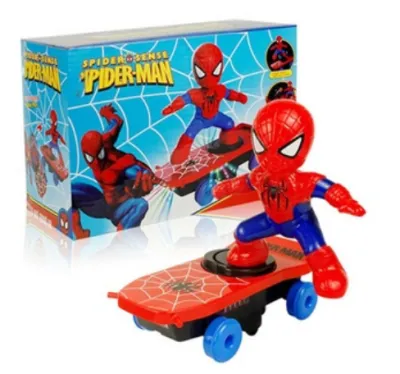
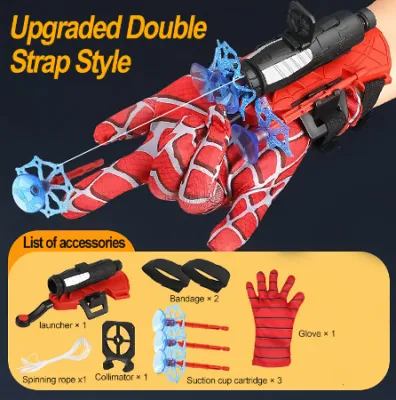
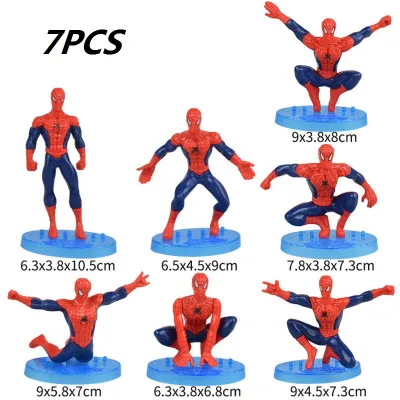
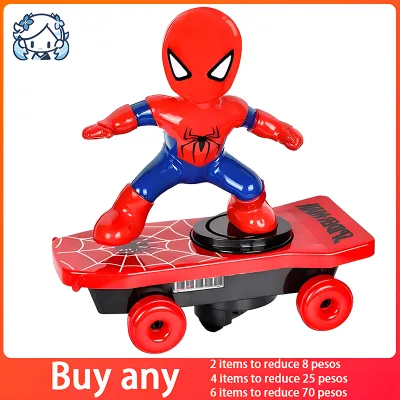
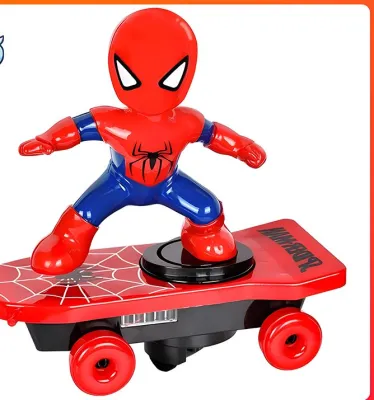
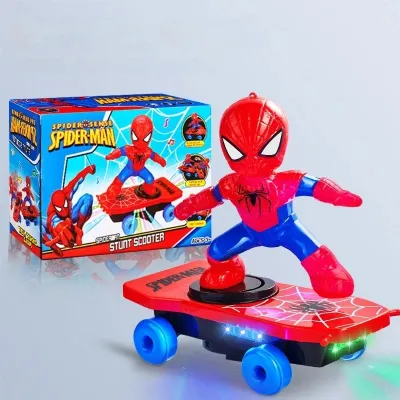
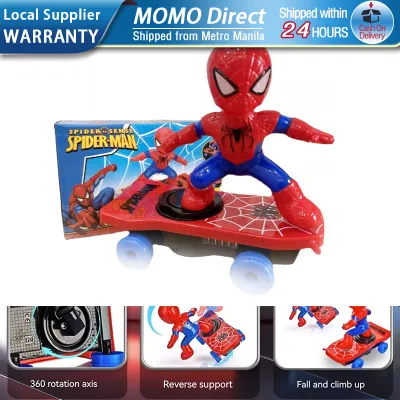
Prices are valid at publication and may change. Please refer to the product page for the latest price.
3-Wheel Lean-to-Steer Scooters
The three-wheel lean-to-steer design is the most common entry-level configuration for toddlers and preschoolers. Unlike traditional steering systems where twisting the handlebars turns the front wheel, these scooters utilize a specialized pivot mechanism. The child turns by leaning their body weight to the left or right, which causes the front wheels to angle in that direction. This intuitive motion mimics the natural balancing instincts of young children, making it exceptionally easy to learn.
With two wheels positioned at the front and one at the rear, this layout provides a stable triangular base that stands upright on its own. This self-standing nature prevents the scooter from tipping over when the child stops or steps off, significantly reducing falls and boosting confidence. The decks on these models are typically wider and set lower to the ground, allowing small feet to step on and off easily. They are ideal for smooth paved driveways, flat garage floors, and indoor play spaces.
2-Wheel Kick Scooters
As children grow older and their motor skills sharpen, they transition naturally to the classic two-wheel kick scooter. This design features one wheel at the front and one at the back, requiring the rider to maintain active balance while moving. The steering column operates traditionally, turning the front wheel directly in response to handlebar rotation. This allows for much tighter turns, faster speeds, and a more dynamic riding experience.
These scooters are generally constructed from stronger materials like aluminum or steel to support older, heavier riders. The decks are narrower to allow for efficient kicking, and the overall profile is slimmer. Many two-wheel models also feature folding frames, making them highly portable for family trips to the park or mall. However, because they require established balance, they are not recommended for toddlers who still struggle with single-leg stability. Always check the manufacturer’s recommended minimum age and skill level before purchasing.
Multi-Stage Scooters with Attachable Seats
For parents looking for a long-term investment, multi-stage convertible scooters offer excellent versatility. These models feature a removable seat assembly that can be bolted or clipped onto the main steering column. In the initial stage, a toddler can use the scooter as a ride-on toy, sitting comfortably while pushing off the ground with both feet. Some models even include a parent push bar at the back, allowing you to guide your child through crowded outdoor spaces.
As your child grows and gains confidence, the seat can be detached to reveal a standard three-wheel standing scooter. This adaptability extends the product’s lifespan across several developmental milestones. Before purchasing, it is critical to verify the weight limits for both the seated and standing configurations, as the seat attachment often has a lower weight capacity than the deck itself. Check the manufacturer’s manual to ensure proper assembly and transition steps.
Key Features to Compare Before Buying
Choosing the perfect Spiderman scooter requires looking past the vibrant graphics to analyze the physical specifications. In the tropical Philippine climate, factors like humidity, frequent rain showers, and varying road surfaces make certain design details essential for safety and longevity.

Handlebar Adjustability and Grip
A scooter that cannot grow with your child will quickly become a safety hazard. Look for models with adjustable T-bars that feature secure locking clamps. Ideally, when your child stands on the deck, the handlebars should rest comfortably between their waist and lower chest. Handlebars that are too high make steering difficult and block the child’s line of sight, while handlebars that are too low force the child to hunch forward, compromising their balance and putting strain on their back.
Pay close attention to the handlebar grips. In the hot and humid Philippine weather, sweaty hands can easily slip off plastic or low-quality rubber grips. Look for soft, textured thermoplastic rubber (TPR) or foam grips that offer a firm hold. Additionally, ensure the grips have large, rounded safety plugs at the ends; these protect your child’s hands from scrapes during side-impact falls and prevent the metal handlebar tubes from exposed contact.
Deck Dimensions and Weight Limits
The deck is the foundation of the scooter, and its dimensions directly impact stability. For younger children, a wider deck is preferable because it allows them to place both feet side-by-side when coasting or easily shift their footing. Older children on two-wheel scooters benefit from narrower, lighter decks that allow for faster kicking and better foot clearance.
Always check the manufacturer’s specified weight limit before purchasing. Exceeding this limit can cause the deck to sag, scrape against the ground, or even snap under pressure. Furthermore, because outdoor play in the Philippines often involves humid or damp conditions, the deck surface must feature high-traction grip tape or molded anti-slip patterns. This ensures your child’s feet stay securely planted, even if their shoes are slightly damp from a sudden tropical drizzle.
Wheel Material and Braking Mechanisms
The quality of the wheels determines how smoothly the scooter rolls and how well it handles uneven surfaces. Polyurethane (PU) wheels are the gold standard for kids’ scooters. They offer excellent grip, absorb minor vibrations from rough pavement, and roll quietly. Avoid cheap, hard plastic wheels, which slide easily on smooth tiles, wear down quickly on asphalt, and transmit every bump directly to your child’s hands and feet.
Equally important is the braking system. Most kids’ scooters utilize a rear fender foot brake. When the child steps down on the rear mudguard, it presses against the back wheel to slow the scooter down. Before letting your child ride, teach them how to shift their weight back and gently apply pressure to the rear brake. Ensure they can comfortably reach the brake with their kicking foot without losing balance. Front hand brakes are sometimes found on larger two-wheel models, but these require stronger hand grip strength and should be thoroughly tested by the child before outdoor use.
Assessing Build Quality and Licensed Graphics
With the immense popularity of Marvel characters, the Philippine market is flooded with both officially licensed Spiderman scooters and cheap, unlicensed imitations. While knockoffs may look similar at first glance and carry a lower price tag, they often compromise on structural safety, material quality, and durability.
Official licensed merchandise must meet strict safety standards and quality controls set by the brand owner. These scooters are typically constructed with robust frames made of aircraft-grade aluminum or reinforced fiberglass-injected plastics. This ensures the scooter remains lightweight enough for a child to carry but strong enough to withstand rough handling, drops, and accidental impacts. Unlicensed models, on the other hand, frequently use brittle plastics and thin steel pipes that are highly susceptible to bending, cracking, and rusting in the humid Philippine climate.
The durability of the Spiderman graphics is another clear indicator of build quality. High-quality scooters feature heat-transfer decals or scratch-resistant graphics embedded directly into the plastic deck and steering column. These designs can withstand sun exposure, mud, and frequent cleaning without peeling. Cheap imitations often rely on paper or thin vinyl stickers that quickly bubble, fade, or peel off after a few outdoor sessions, leaving the scooter looking worn and neglected.
Lastly, inspect the folding and locking mechanisms if the model is designed to fold. High-quality scooters utilize heavy-duty locking pins, quick-release clamps, and safety sleeves to ensure the scooter cannot accidentally fold or collapse while in motion. Always verify that these joints are fully locked and secure before letting your child ride.
Where to Buy Authentic Character Scooters in the Philippines
To ensure you are purchasing a safe, durable, and officially licensed Spiderman scooter, it is best to shop through authorized retail channels. In the Philippines, major department stores, established toy store chains, and official brand boutiques are the most reliable physical locations. These retailers source their inventory directly from licensed distributors, guaranteeing product authenticity and compliance with local toy safety standards.
If you prefer the convenience of online shopping, stick to verified flagship stores on major e-commerce platforms. Look for the platform’s official mall or preferred merchant badges, which verify the seller’s legitimacy. Be highly skeptical of listings with generic descriptions, unusually low prices (such as scooters priced under ₱500), and missing brand logos on the packaging. These are classic signs of counterfeit products that may use toxic plastics or possess structural weaknesses.
When browsing online, take the time to read recent customer reviews. Pay close attention to reviews that include photos and videos of the actual product. Look for feedback regarding the packaging condition upon delivery, the ease of assembly, and how well the scooter has held up after several weeks of active use. A reputable seller will also offer clear return policies and basic warranty support, giving you peace of mind with your purchase.
Essential Safety Gear and Maintenance Tips
No matter how advanced or stable a scooter is, it cannot replace proper safety gear and adult supervision. Before your child takes their first ride on their new Spiderman scooter, ensure they are equipped with a properly fitted helmet. The helmet should sit level on their head, covering the forehead, with the chin strap securely buckled. For complete protection, invest in a matching set of knee pads, elbow pads, and wrist guards to shield them from the inevitable scrapes of learning to ride.
Equally important is selecting a safe riding environment. In the Philippines, residential subdivision streets, gated compound driveways, and designated park paths are the safest options. Avoid riding on busy public roads, steep hills, wet or muddy paths, and uneven gravel. Wet surfaces significantly reduce tire grip and brake efficiency, making it difficult to stop safely.
To keep the scooter in peak condition, establish a simple maintenance routine. Regularly inspect all screws, bolts, and locking clamps to ensure they remain tight and secure. After outdoor rides, especially during the humid or rainy seasons, wipe down the frame, deck, and wheels with a dry cloth to prevent rust and dirt buildup. Store the scooter indoors or in a covered, dry area; leaving it exposed to the elements will accelerate the degradation of the bearings, plastics, and graphics.
Frequently Asked Questions (FAQ)
Do Spiderman scooters require assembly?
Most kids’ scooters require minimal assembly out of the box. Typically, the main deck and the steering column are shipped detached or folded to save space. Assembly usually involves inserting the handlebar stem into the deck collar and tightening a quick-release clamp or a few hex bolts with the included tools. Always read the manufacturer’s instruction manual carefully before starting, and double-check that all locking pins, spring buttons, and bolts are fully tightened and secure before allowing your child to ride.
What is the typical weight limit for kids' character scooters?
The weight limit varies significantly depending on the scooter’s design and target age group. Three-wheel toddler scooters and convertible models with seats usually have a maximum weight limit ranging from 20 to 30 kilograms (approx. 44 to 66 pounds). Standard two-wheel kick scooters designed for older children typically support heavier loads, often ranging from 50 to 100 kilograms (approx. 110 to 220 pounds). Always locate the safety label on the underside of the deck or refer to the product manual to verify the exact weight capacity of your specific model.
Community discussion
Share your experience or ask a question. Comments are reviewed before publication.